

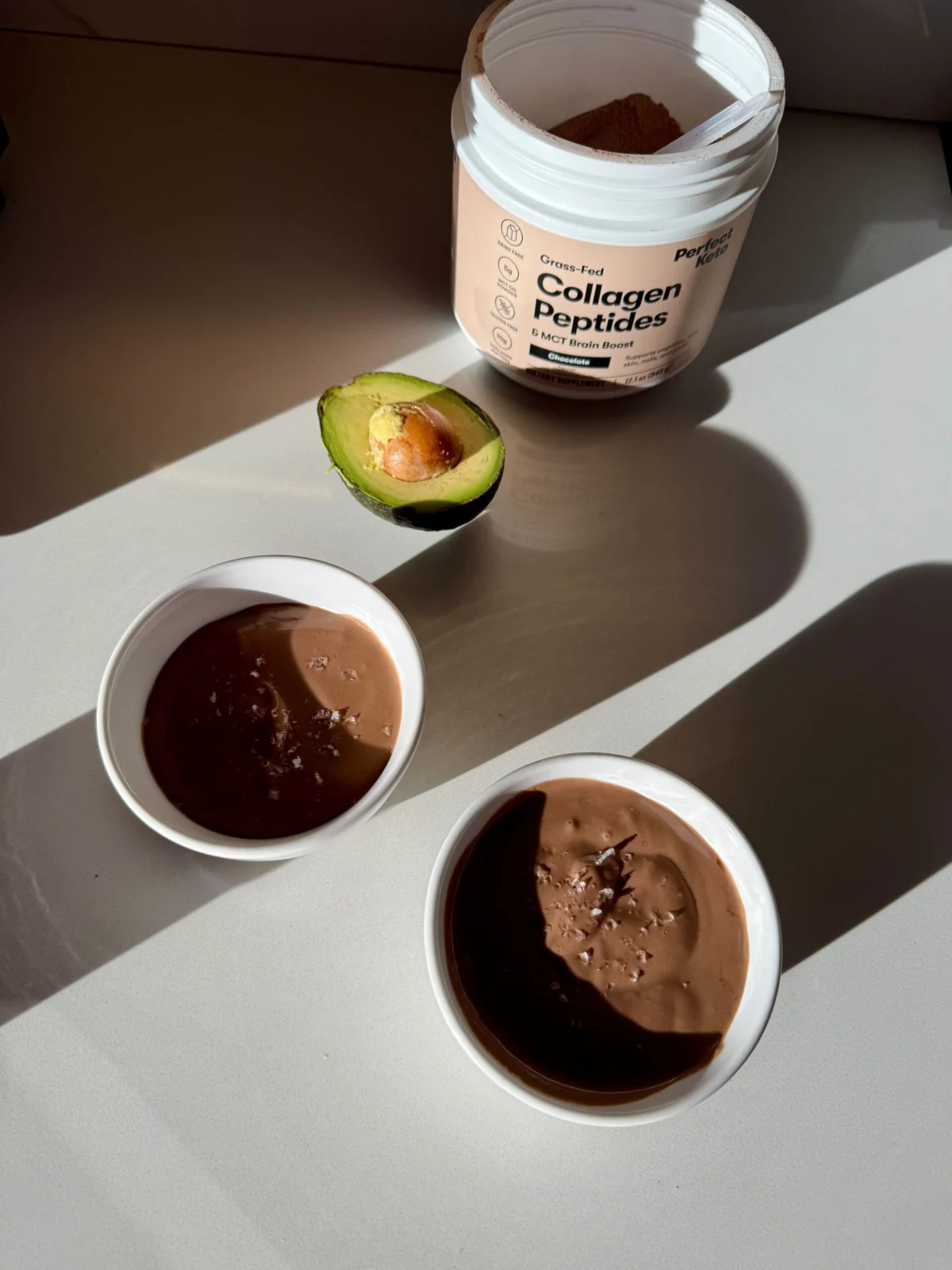
The culinary landscape continues its dynamic evolution, marked by a persistent consumer drive towards functional foods that seamlessly integrate nutritional benefits with appealing taste. A recent example gaining traction in health-conscious circles is the High Protein Chocolate Pudding, a formulation designed to deliver rich, creamy indulgence while secretly packing a substantial protein punch. This innovative dessert, prominently featuring ingredients like cottage cheese, avocado, and specialized collagen protein, represents a significant stride in catering to a demographic increasingly unwilling to compromise on either health objectives or gustatory satisfaction. Developed and popularized within the rapidly expanding ketogenic and high-protein diet communities, this pudding offers a compelling case study in how modern food science and culinary creativity are converging to reshape perceptions of what a "dessert" can be.
The Ascendance of Functional Foods and Dietary Innovation
The demand for foods that offer benefits beyond basic nutrition has been steadily climbing over the past decade. Consumers are no longer merely seeking sustenance; they are actively pursuing ingredients and products that support specific health goals, from improved digestion and enhanced energy to better skin health and muscle recovery. This shift has fueled the growth of various dietary movements, most notably the ketogenic diet, which emphasizes very low carbohydrate intake, moderate protein, and high healthy fats to induce a state of ketosis. Concurrently, the broader appreciation for protein’s role in satiety, weight management, and muscle synthesis has led to an explosion in high-protein products across all food categories. The High Protein Chocolate Pudding, with its strategic combination of protein-rich components and healthy fats, stands as a prime illustration of how these trends are manifesting in everyday consumables.
Historically, desserts have often been perceived as indulgent treats, typically high in sugar and refined carbohydrates, and largely devoid of significant nutritional value beyond caloric intake. However, a chronological review of food innovation reveals a gradual but consistent effort to reformulate traditional favorites to align with evolving health paradigms. Early efforts in the 1980s and 90s focused on "low-fat" or "sugar-free" alternatives, often sacrificing taste or introducing artificial ingredients. The current wave, however, emphasizes "clean label" ingredients, whole foods, and a focus on macronutrient balance. The incorporation of ingredients like cottage cheese and avocado into a chocolate pudding recipe, alongside a specialized collagen supplement, is a testament to this refined approach, demonstrating a sophisticated understanding of both flavor profiles and nutritional science. This evolution signifies a maturation in the functional food market, moving beyond simple substitutions to truly innovative ingredient pairings that enhance both health and sensory experience.
Nutritional Engineering: Deconstructing the Pudding’s Core Ingredients
The efficacy of the High Protein Chocolate Pudding lies in its meticulously selected ingredients, each contributing distinct nutritional advantages and textural properties.
-
Cottage Cheese: The Protein Powerhouse: For decades, cottage cheese has been a staple in athletic and health-conscious diets due to its remarkably high protein content, particularly casein, a slow-digesting protein that provides sustained amino acid release. A single cup of cottage cheese can contain upwards of 25 grams of protein. Its creamy, slightly tangy profile, when blended, transforms into a neutral base that readily accepts other flavors. Recent years have seen a significant resurgence in cottage cheese’s popularity, moving it from a niche health food to a mainstream ingredient, often praised for its versatility in both savory and sweet applications. In this pudding, it serves as the primary structural and protein-contributing component, providing a smooth, rich mouthfeel without the need for traditional thickeners or excessive fats. The use of full-fat cottage cheese further enhances the creamy texture and contributes healthy fats, aligning with keto principles.
-
Avocado: The Healthy Fat and Fiber Enveloper: Often recognized for its role in savory dishes, avocado’s integration into desserts has become increasingly common. Beyond its healthy monounsaturated fats, which are crucial for satiety and nutrient absorption, avocado also provides dietary fiber, potassium, and various vitamins (C, E, K, B-6). Its smooth, buttery texture, when pureed, acts as a natural emulsifier and thickener, contributing to the pudding’s decadent consistency. Crucially, avocado’s mild flavor profile allows it to blend seamlessly with chocolate, imparting richness without an overpowering taste. This ingredient is particularly valuable in keto formulations, where healthy fat intake is paramount.
-
Perfect Keto Chocolate Collagen: Targeted Supplementation: The inclusion of Perfect Keto Chocolate Collagen is perhaps the most innovative aspect of this recipe, moving it beyond a mere high-protein dessert to a targeted functional food. Collagen, the most abundant protein in the human body, is vital for the health of skin, hair, nails, joints, and gut lining. While traditional diets often lack sufficient collagen, supplementation has become a popular method to address these needs. The "Chocolate Collagen" variant serves a dual purpose: it boosts the overall protein content significantly with a highly bioavailable form of protein, and it imbues the pudding with a rich chocolate flavor, often naturally sweetened and enhanced with ingredients like cocoa. The "Perfect Keto" branding specifically targets individuals following a ketogenic diet, ensuring the product is free from hidden sugars or carbohydrates that would disrupt ketosis. This ingredient exemplifies the trend of integrating specialized nutritional supplements directly into meal preparations, enhancing both flavor and specific health benefits.
The Science of Satiety and Macronutrient Balance
The combination of high protein from cottage cheese and collagen, coupled with healthy fats from avocado, creates a macronutrient profile that is highly conducive to satiety and sustained energy levels. Protein is renowned for its thermogenic effect and its ability to trigger the release of cholecystokinin (CCK) and glucagon-like peptide-1 (GLP-1), hormones that signal fullness to the brain. This makes the pudding an excellent option for managing cravings and preventing overeating, a common challenge in weight management strategies.
Furthermore, the healthy fats in avocado contribute to prolonged satiety and help stabilize blood sugar levels, preventing the rapid spikes and crashes often associated with traditional sugary desserts. For individuals adhering to a ketogenic diet, this balance is critical for maintaining ketosis and leveraging fat for fuel. The slow-digesting casein protein from cottage cheese ensures a steady supply of amino acids, which is beneficial for muscle repair and growth, making this pudding an ideal post-workout snack or a guilt-free evening treat. This strategic assembly of ingredients demonstrates a sophisticated understanding of nutritional science, moving beyond simple calorie counting to optimizing the body’s metabolic responses.
Market Implications and Consumer Adoption
The emergence and popularity of recipes like the High Protein Chocolate Pudding reflect several broader market trends. The personalized nutrition movement, where individuals tailor their diets to specific health goals or genetic predispositions, continues to gain momentum. This pudding caters to those prioritizing protein intake, adhering to keto guidelines, or simply seeking healthier dessert options.
Brands like Perfect Keto, by offering specialized ingredients such as chocolate-flavored collagen, play a pivotal role in enabling these culinary innovations. Their success underscores the growing demand for high-quality, diet-specific ingredients that simplify healthy eating. The ease of preparation—often involving simple blending—also contributes to its appeal, aligning with consumer desires for convenience without sacrificing health benefits. The ability to prepare it quickly for immediate consumption or to set it overnight for future enjoyment further enhances its practicality for busy lifestyles.
The social media landscape has also been instrumental in the dissemination and popularization of such recipes. Platforms like Instagram and TikTok serve as fertile ground for sharing innovative culinary ideas, with hashtags like #perfectketo and #highprotein dessert driving engagement and inspiring replication. This digital virality acts as an informal, yet powerful, endorsement mechanism, accelerating consumer adoption and reinforcing the legitimacy of these novel food concepts.
Broader Impact on the Health Food Industry and Culinary Innovation
The High Protein Chocolate Pudding is more than just a recipe; it is a microcosm of larger shifts within the health food industry. It exemplifies the trend towards:
- Ingredient Transparency and "Clean Eating": Consumers are increasingly scrutinizing ingredient lists, favoring whole, recognizable foods over artificial additives. The core components of this pudding—cottage cheese, avocado, and collagen—align perfectly with this preference.
- Taste and Health Synergy: The long-held belief that healthy food must sacrifice taste is being systematically debunked. Modern culinary techniques and ingredient pairings are proving that indulgent flavors can coexist with superior nutritional profiles.
- Democratization of Functional Foods: What were once niche supplements or specialized ingredients are now being integrated into everyday recipes, making functional benefits more accessible to a broader audience.
- Sustainability and Ethical Sourcing: While not explicitly detailed in the recipe, the emphasis on quality ingredients, such as "grass-fed collagen" from Perfect Keto, points to a growing consumer preference for ethically and sustainably sourced components, a trend that will continue to shape the industry.
The implications for the broader food industry are significant. Mainstream food manufacturers are increasingly looking to adapt and incorporate these innovative approaches into their product lines, moving away from conventional formulations. This includes developing new dairy products, plant-based alternatives that mimic textures and nutrient profiles, and an expanded range of protein-fortified snacks and meals. The success of such recipes challenges traditional categories and encourages a more fluid, integrated approach to food development, where the lines between "meal" and "dessert" or "snack" and "supplement" become increasingly blurred.
Looking Ahead: The Future of Nutrient-Dense Indulgences
As consumer awareness of nutrition continues to grow, coupled with advancements in food technology and ingredient science, the market for nutrient-dense, health-aligned indulgences is poised for continued expansion. The High Protein Chocolate Pudding serves as a pioneering example of how seemingly disparate ingredients can be combined to create a product that is both deliciously satisfying and functionally beneficial.
The ability to enjoy a rich, creamy chocolate dessert that actively contributes to protein intake, satiety, and potentially other health markers like skin and joint health, marks a pivotal moment in the evolution of dietary practices. It underscores a future where individuals do not have to choose between their health goals and their desire for pleasurable eating experiences. Recipes like this pudding will likely continue to inspire further innovation, leading to a wider array of delectable yet highly functional foods that empower consumers to nourish their bodies without sacrificing the joy of culinary indulgence. This ongoing convergence of taste, nutrition, and convenience will undoubtedly define the next generation of food products, proving definitively that dessert can, indeed, work in harmony with one’s health objectives.
