

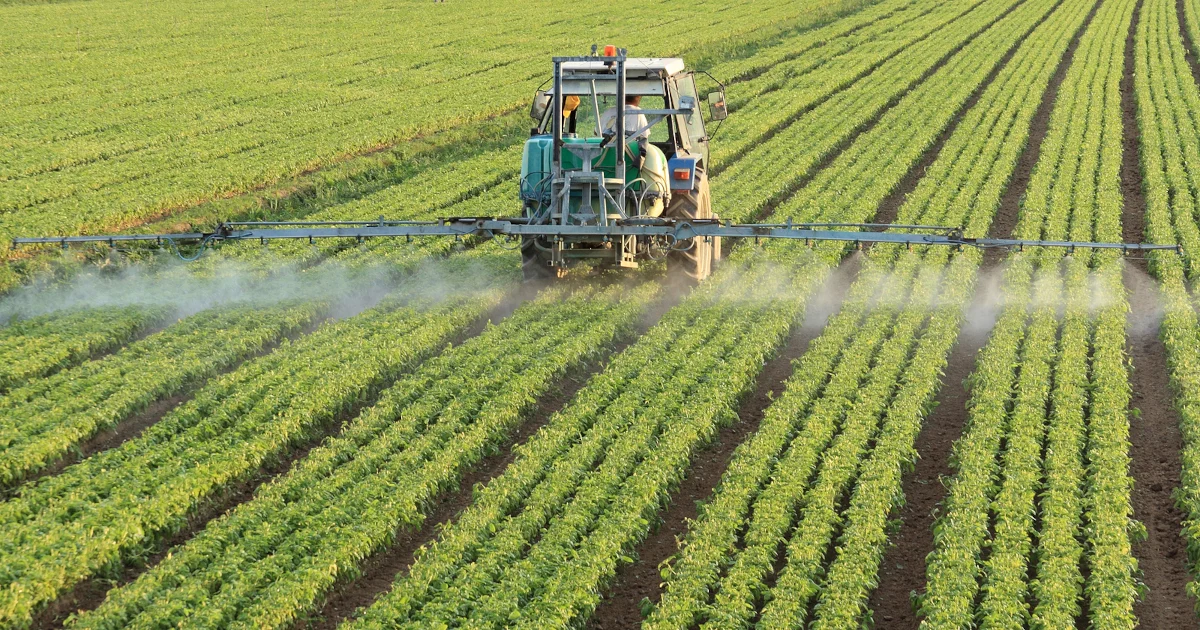
The traditional imagery associated with the rise of antibiotic resistance often centers on clinical settings—sanitized hospital wards where overprescribed "miracle drugs" fail to stop resilient infections—or industrial-scale livestock operations where cattle and swine are routinely administered sub-therapeutic doses of medicine to promote growth. However, a landmark study published in the Proceedings of the National Academy of Sciences (PNAS) indicates that the next major frontier in the global battle against antimicrobial resistance (AMR) may be the quiet, expansive rows of the American Corn Belt. The research suggests that high-intensity crop production practices are fundamentally altering soil microbiomes, transforming them into reservoirs for pathogens that are increasingly difficult to treat with modern medicine.
For decades, the agricultural industry has focused on maximizing yields through mechanical and chemical intervention. Yet, this new data suggests a hidden cost to these efficiencies. By comparing various farming methodologies, researchers have found that the way we manage our land directly influences the prevalence of drug-resistant genes in the environment. As the global death toll from drug-resistant infections reaches an estimated 4.7 million people annually, the discovery that common tilling and fertilization practices could be exacerbating this crisis has prompted a reevaluation of modern agronomy.
The Soil Microbiome as a Public Health Variable
At the heart of the study is the soil microbiome, a complex and invisible ecosystem of bacteria, fungi, and viruses that inhabit the earth. In a healthy, balanced state, these organisms facilitate nutrient cycling and support plant growth. However, when subjected to the pressures of high-intensity farming, these communities shift. The PNAS study researchers analyzed four distinct farming schemes to determine how different levels of human intervention impacted the presence of antibiotic-resistant pathogens.
The first category, high-intensity corn cropping, represents the standard model for much of the U.S. Midwest. This method involves heavy mechanical tilling, the application of synthetic fertilizers, and the use of non-antibiotic biocides designed to kill pathogenic fungi and weeds. The second and third categories were medium-intensity schemes, which utilized reduced tilling and substituted synthetic fertilizers with cow manure. The final category was a low-intensity model involving grazing rotated with no-till cover crops, where chemical and mechanical disturbances were kept to an absolute minimum.
The results were stark: the soil from high-intensity fields contained a significantly higher concentration of mobile genetic elements—bits of DNA that allow bacteria to share resistance traits with one another. This "genetic exchange" is the primary mechanism by which harmless soil bacteria can pass resistance to human pathogens. In contrast, the low-intensity and no-till systems maintained a more stable microbial environment that appeared less conducive to the spread of resistance.
A Chronology of Agricultural Intensification and Resistance
The path to the current crisis began in the mid-20th century with the Green Revolution. Between the 1940s and the 1960s, the development of high-yield varieties of cereal grains, coupled with the expansion of synthetic fertilizers and pesticides, transformed global food security. While these advancements saved billions from starvation, they also initiated a period of unprecedented chemical pressure on the environment.
By the 1990s, medical professionals began noticing a sharp increase in antibiotic-resistant infections in clinical settings. Initially, the blame was placed squarely on the shoulders of the medical community and the livestock industry. It was not until the early 2010s that environmental scientists began to look more closely at the role of "environmental reservoirs" in the AMR cycle.
In 2016, the United Nations recognized antimicrobial resistance as a fundamental threat to global health, marking only the fourth time in history a health issue was elevated to the General Assembly level. By 2021, studies began to link the use of agricultural fungicides to the rise of Aspergillus fumigatus, a drug-resistant fungus that affects the human respiratory system. The 2026 PNAS study serves as a critical update in this timeline, providing the most definitive link to date between specific row-crop management practices and the broader landscape of drug resistance.
The Mechanism of Cross-Resistance: Why Biocides Matter
One of the most significant findings of the recent research is the role of non-antibiotic biocides. In high-intensity farming, farmers use a variety of chemicals—herbicides, fungicides, and disinfectants—to protect their crops. While these chemicals are not antibiotics in the clinical sense, they exert a similar "selection pressure" on soil microbes.
When bacteria are exposed to these biocides, they often develop defense mechanisms, such as efflux pumps that can push toxic substances out of their cells. These same pumps are often effective at removing clinical antibiotics. Consequently, a microbe that survives a fungicide or a herbicide in a cornfield may inadvertently develop the tools necessary to survive a dose of penicillin or ciprofloxacin in a human patient.
Furthermore, the practice of heavy tilling physically disrupts the soil structure, killing off larger predatory organisms and allowing fast-growing, opportunistic bacteria to dominate. These "colonizer" species are often the ones most likely to carry and transmit resistance genes. The study found that the mechanical stress of tilling, combined with the chemical stress of synthetic fertilizers, creates a "perfect storm" for the evolution of superbugs.
Supporting Data: The Scale of the AMR Crisis
The implications of these findings are underscored by current global health statistics. Antimicrobial resistance is no longer a future threat; it is a current reality with devastating economic and human costs.
- Mortality Rates: Recent data suggests that AMR contributes to approximately 4.7 million deaths per year. Without significant intervention, this number is projected to rise to 10 million by 2050.
- Economic Impact: The World Bank estimates that AMR could result in US$1 trillion to US$3.4 trillion in additional healthcare costs per year by 2030, with a potential GDP loss of up to 3.8% in some regions.
- Agricultural Footprint: In the United States alone, corn is planted on roughly 90 million acres. If the soil in these vast tracts of land is acting as a breeding ground for resistance, the scale of the environmental reservoir is far larger than previously estimated.
- Genetic Transfer: Researchers found that in high-intensity soils, the abundance of "integrons"—genetic platforms that allow bacteria to accumulate multiple resistance genes—was up to five times higher than in low-intensity grazing lands.
Reactions from the Scientific and Agricultural Communities
The release of the PNAS study has sparked a range of reactions from stakeholders across the spectrum. Dr. Elena Rossi, a microbiologist not involved in the study, noted that the research "fills a critical gap in our understanding of the ‘One Health’ model, which recognizes that the health of people is closely connected to the health of animals and our shared environment."
However, within the agricultural sector, the response has been more cautious. Industry advocacy groups have pointed out that high-intensity farming is necessary to meet the caloric demands of a growing global population. A spokesperson for the National Corn Growers Association stated, "While we take soil health and public health seriously, any transition away from proven high-yield methods must be supported by economic incentives and alternative technologies that ensure farmers can remain profitable."
Conversely, proponents of regenerative agriculture have hailed the study as proof that "soil-first" approaches are not just environmentally friendly, but essential for human survival. "This study confirms what we have suspected for years," said Marcus Thorne, a sustainable farming consultant. "When you treat soil like dirt—a mere substrate for chemicals—you break the natural checks and balances that keep dangerous pathogens in check."
Broader Impact and Policy Implications
The discovery that intensive farming contributes to AMR has profound implications for environmental policy and food safety regulations. Traditionally, the FDA and EPA have regulated antibiotics and pesticides as separate issues. This research suggests that these two categories of chemicals are inextricably linked through their impact on microbial evolution.
There is now a growing call for "AMR-sensitive" agricultural policies. This could include:
- Incentivizing No-Till Farming: Providing subsidies for farmers who adopt no-till or low-till methods to preserve the integrity of the soil microbiome.
- Regulating Biocide Use: Implementing stricter controls on the volume and frequency of non-antibiotic chemical applications in areas with high human population density or near water sources.
- Enhanced Monitoring: Establishing a national soil-monitoring network to track the prevalence of resistance genes in agricultural runoff and dust.
- The "One Health" Integration: Ensuring that agricultural policy is integrated into national pandemic preparedness and public health strategies.
The pathway from a cornfield to a hospital bed is more direct than it appears. Pathogens can travel from the soil into the food supply through contaminated produce, or they can be carried by wind-borne dust and water runoff into local communities. For workers in the agricultural sector, the risk is even more immediate, as they are in direct contact with the soil and the chemicals that shape it.
Conclusion: Reimagining the Future of Food Production
As the world grapples with the escalating threat of drug-resistant infections, the PNAS study serves as a sobering reminder that the way we produce our food has consequences far beyond the dinner table. The "bumper crop" of pathogens generated by intensive farming represents a systemic failure to account for the biological complexity of the earth.
Transitioning to a more sustainable, lower-intensity model of farming is no longer just an environmental ideal; it is a public health necessity. The challenge for the coming decade will be to find a balance between the high yields required to feed the world and the ecological stability required to keep it healthy. If the soil is indeed a battleground for fighting antibiotic resistance, then the farmers of the future may well be our most important frontline healthcare workers. The health of the human population may ultimately depend on the health of the microscopic communities living beneath the stalks of the Corn Belt.
