









The traditional summer cookout, often characterized by carb-heavy sides and sugary marinades, is undergoing a significant transformation driven by the escalating popularity of low-carbohydrate and ketogenic (keto) diets. Consumers are increasingly seeking delicious yet diet-compliant options, prompting a shift in culinary practices for both hosts and guests. This dietary adaptation ensures that individuals adhering to specific nutritional frameworks, such as the ketogenic diet, can fully participate in social gatherings without compromising their health goals or sacrificing flavor.
The Evolution of the Ketogenic Diet and Its Mainstream Adoption
The ketogenic diet, a dietary regimen characterized by very low carbohydrate intake, moderate protein, and high fat consumption, has roots tracing back to the 1920s when it was first developed as a therapeutic approach for epilepsy management. For decades, its application remained largely clinical, a specialized tool for specific medical conditions. However, in the early 21st century, the diet began to garner widespread attention for its potential benefits in weight management, blood sugar control, and improved metabolic health. This shift from a niche clinical intervention to a popular lifestyle choice has been fueled by a combination of factors, including anecdotal success stories, increased scientific research, and extensive promotion across social media platforms and health-focused communities.

The timeline of keto’s mainstream ascent can be charted through several key developments. By the mid-2010s, online searches for "keto diet" began to surge, coinciding with the proliferation of dedicated keto blogs, recipe websites, and influencer content. This digital footprint rapidly expanded the diet’s reach, demystifying its principles and providing practical guidance for adoption. Food manufacturers and retailers soon recognized this burgeoning market, leading to an explosion of keto-friendly products, from snacks and supplements to specialized ingredients. This commercialization has played a crucial role in making the diet more accessible and sustainable for a broader demographic, moving it beyond a restrictive regimen to a more integrated part of daily life for millions.
Market Dynamics and Supporting Data
The economic impact of the ketogenic diet trend is substantial. According to recent market analyses, the global ketogenic diet market size was valued at approximately $10.2 billion USD in 2021 and is projected to grow at a compound annual growth rate (CAGR) of around 5.5% from 2022 to 2030, reaching an estimated $16.5 billion USD. This growth is driven by increasing consumer awareness of health and wellness, a rising prevalence of obesity and diabetes, and a greater demand for specialized dietary products. The market segment for keto-friendly foods and beverages, in particular, has seen rapid expansion, with manufacturers innovating to provide low-carb alternatives for nearly every food category.
Consumer surveys further illustrate this trend. Data indicates that a significant percentage of adults, particularly in Western countries, have either tried a low-carb diet or are actively considering one. For instance, studies suggest that over 10% of the adult population in the United States has experimented with a ketogenic diet at some point, with a notable portion adhering to it long-term. This widespread adoption underscores the necessity for social events, such as cookouts, to offer inclusive dining options that cater to these dietary preferences.
Adapting Cookout Classics for Keto Adherence
The challenge for many adhering to a ketogenic diet, especially during social events, lies in navigating menus traditionally rich in carbohydrates. Cookouts typically feature buns, sugary sauces, potato salads, corn on the cob, and high-sugar desserts. The current trend demonstrates a creative adaptation of these classics, proving that flavor and dietary compliance are not mutually exclusive.
For example, traditional burgers, a quintessential cookout item, are being reimagined. The Zesty Chipotle Lime Turkey Burgers exemplify this innovation. By utilizing lean ground turkey and infusing it with fresh cilantro, zesty lime, and smoky chipotle, these burgers deliver a robust flavor profile without relying on carb-laden fillers. Toppings such as creamy chipotle mayo, avocado, and fresh greens replace traditional buns, offering healthy fats and textures. This approach transforms a simple burger into a gourmet, keto-compliant meal.
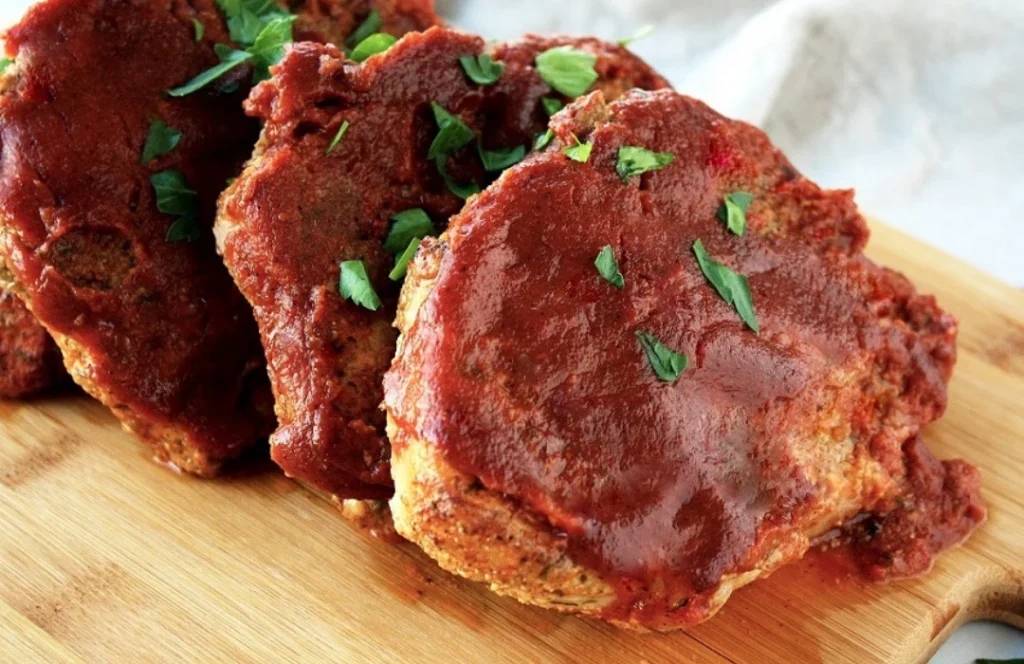
Similarly, protein staples like pork chops and chicken are receiving low-carb makeovers. Baked Keto Pork Chops, coated in a crispy parmesan and herb crust, offer a satisfying crunch and rich flavor, pairing seamlessly with sugar-free BBQ sauce and grilled, non-starchy vegetables. Crispy Keto Chicken Tenders achieve their satisfying texture through coatings of almond flour, parmesan, and herbs, making them an ideal, low-carb dippable snack. Even traditional seasoned chicken is being adapted; the 20-Minute Blackened Chicken utilizes bold Cajun-inspired spices to create a smoky kick without added sugars, suitable for grilling or slicing over a fresh salad.
Crucially, condiments, often overlooked sources of hidden sugars, are also being revolutionized. Homemade Keto BBQ Sauce, sweet, smoky, and entirely sugar-free, provides a versatile condiment for burgers, chicken, and pork, eliminating a major source of carbohydrates found in many commercial sauces. Beyond grilled mains, side dishes are also seeing innovation. Easy Keto Chicken Salad, a refreshing, make-ahead option, offers a protein-rich alternative to traditional carb-heavy salads, perfect served alongside grilled meats or in lettuce wraps. These examples collectively illustrate the culinary ingenuity being applied to ensure that cookouts remain enjoyable and inclusive for everyone.
Statements from Experts and Industry Responses
Nutrition experts emphasize the importance of mindful preparation when accommodating diverse dietary needs at social gatherings. "The key to successful keto-friendly entertaining is focusing on whole, unprocessed ingredients and smart substitutions," states Dr. Evelyn Reed, a registered dietitian specializing in metabolic health. "It’s not just about removing carbs, but about ensuring adequate nutrient density and satisfying flavors. Recipes that naturally emphasize proteins and healthy fats, while being creative with herbs, spices, and non-starchy vegetables, are ideal." She further notes that understanding macronutrient ratios is critical for those strictly adhering to a ketogenic diet, advising hosts to be transparent about ingredients or offer clear labeling.
The food industry has responded vigorously to this trend. Major grocery chains now feature dedicated "keto" or "low-carb" sections, and ingredient suppliers are expanding their offerings of almond flour, coconut flour, erythritol, and other sugar substitutes. Companies like Perfect Keto, a prominent brand in the low-carb space, exemplify this industry pivot by not only developing products but also providing comprehensive resources such as weekly newsletters with recipes, guides, and trend updates. This commitment to consumer education and product development underscores a long-term investment in the low-carb market. Industry analysts project continued growth in this sector, driven by ongoing consumer demand for healthier, diet-specific options that do not compromise on convenience or taste.
Broader Impact and Implications for Social Dining
The integration of keto-friendly options into social events like cookouts signifies a broader cultural shift towards more health-conscious and inclusive dining. It reflects an increased awareness among consumers about the impact of diet on health and a willingness to adapt social customs to accommodate these choices. This trend has several implications:
- Increased Dietary Inclusivity: It fosters an environment where individuals with various dietary restrictions (not just keto, but also gluten-free, dairy-free, etc.) can find suitable options, reducing feelings of exclusion that often accompany strict diets.
- Innovation in Culinary Arts: Chefs and home cooks are challenged to think creatively about ingredients and preparation methods, leading to new and exciting flavor combinations and recipe developments that transcend traditional dietary boundaries.
- Healthier Eating Habits: The focus on whole foods, healthy fats, and reduced sugar content can encourage healthier eating habits for all attendees, even those not strictly adhering to a keto diet.
- Market Diversification: The demand for specialized ingredients and products continues to drive innovation and competition within the food industry, benefiting consumers with a wider array of choices.
- Educational Opportunities: The need to understand different dietary requirements promotes greater nutritional literacy among the general public, encouraging more informed food choices.
While the ketogenic diet has its proponents and detractors, its undeniable influence on contemporary food culture, particularly in social settings, cannot be overstated. The transformation of the humble cookout into a more diverse and diet-aware culinary experience is a testament to the enduring power of consumer demand and the food industry’s capacity for adaptation. As health and wellness continue to be paramount concerns for consumers, the landscape of social dining will likely continue to evolve, with low-carb and other specialized diets playing an increasingly central role in shaping our shared culinary experiences.