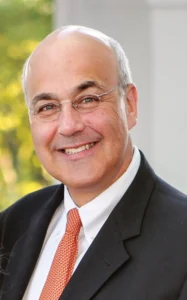









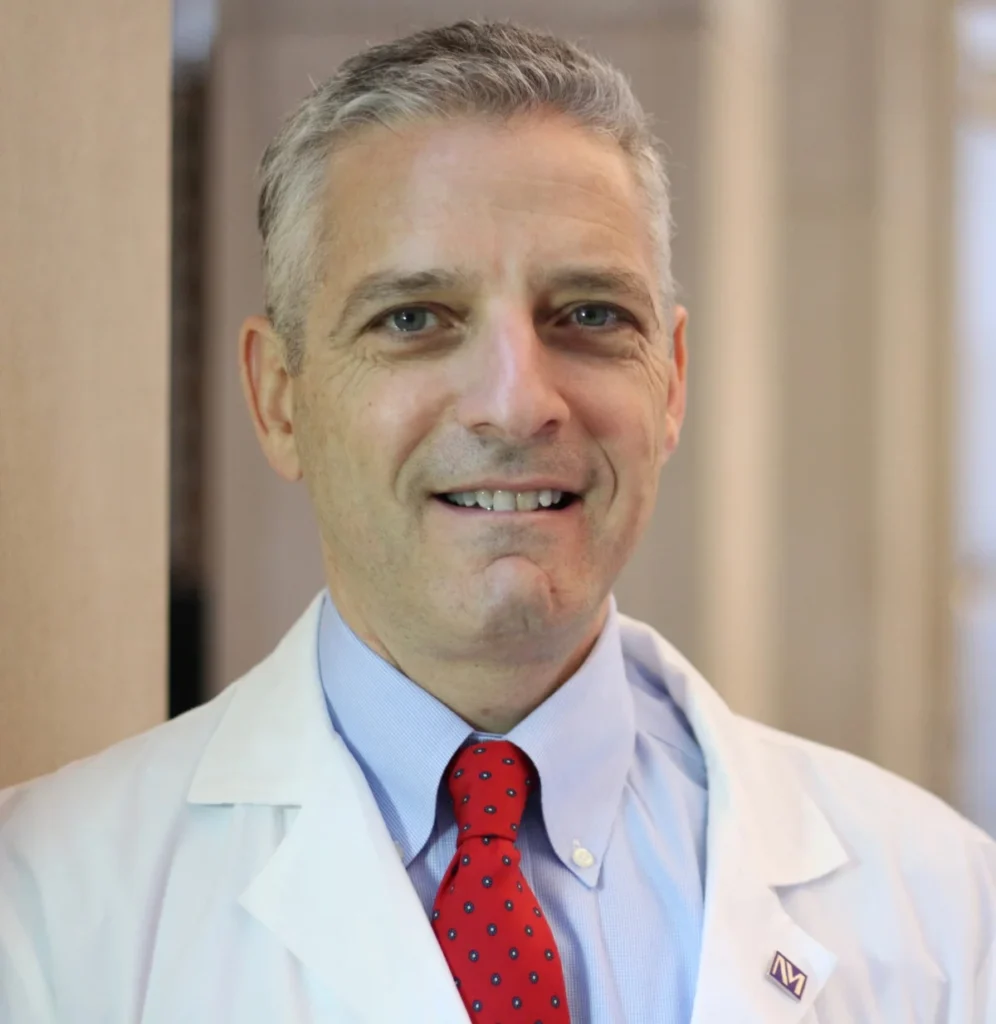
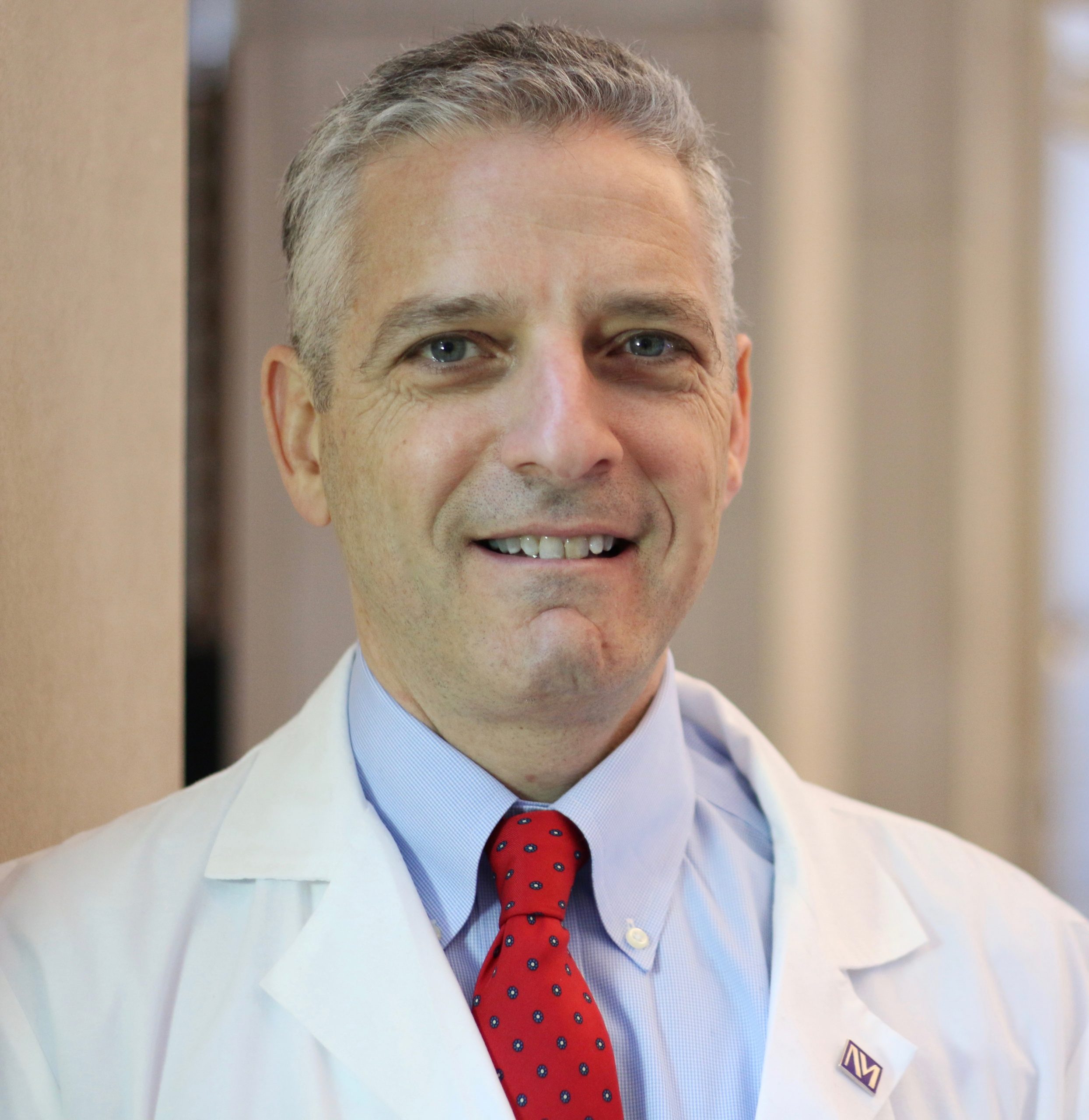
The American Academy of Arts and Sciences (AAAS) has officially announced the election of Joseph T. Bass, MD, PhD, to its prestigious ranks, recognizing his transformative contributions to the fields of endocrinology and circadian biology. Dr. Bass, who serves as the Charles F. Kettering Professor of Medicine and Chief of the Division of Endocrinology, Metabolism, and Molecular Medicine at Northwestern University Feinberg School of Medicine, joins an elite cohort of scholars, scientists, and leaders selected for their excellence and commitment to the public good. His election underscores a career dedicated to unraveling the complex relationship between the body’s internal biological clock and metabolic health, a field of study that has become increasingly vital in an era characterized by 24-hour lifestyles and rising rates of metabolic disease.
Dr. Bass’s selection is a testament to his role as a primary architect of modern circadian medicine. By identifying the molecular mechanisms that link sleep-wake cycles to nutrient metabolism, his work has provided a scientific foundation for understanding why disruptions in biological timing—such as those experienced by shift workers or individuals with chronic sleep disorders—lead to a higher incidence of obesity, type 2 diabetes, and cardiovascular complications. This recognition by the AAAS places Dr. Bass among the world’s most influential thinkers, aligning with the Academy’s historical mission to cultivate knowledge for the advancement of society.
A Legacy of Scientific Discovery: The Circadian-Metabolic Link
The cornerstone of Dr. Bass’s scientific legacy is his pioneering research into how the molecular "clocks" found in nearly every cell of the body regulate energy balance. In a landmark study that redefined the field, Dr. Bass and his team demonstrated that a mutation in a core circadian clock gene led to profound physiological changes in murine models. These changes included hyperphagia (excessive hunger), the development of obesity, and significant alterations in glucose metabolism. Crucially, the research showed that when the internal clock was disrupted, the animals lost their ability to regulate the timing of their food intake, consuming calories during periods when they should have been resting.

This discovery provided the first clear molecular evidence that the "when" of eating is as critical as the "what" and "how much." It established that the circadian system is not merely a passive responder to light and dark but an active regulator of metabolic pathways. By showing that a broken clock leads to metabolic collapse, Dr. Bass’s work paved the way for a global shift in how clinicians and researchers approach nutrition and metabolic disorders. This research has since evolved into the study of "chronometabolism," a discipline that investigates how the timing of biological processes affects health and disease.
Professional Chronology and Academic Foundations
Dr. Bass’s journey to the forefront of medical science began with a rigorous dual-degree program at the Medical College of Pennsylvania, where he earned both his MD and PhD. This dual training equipped him with the clinical perspective necessary to identify unmet patient needs and the technical expertise to investigate those needs at the molecular level. Following his doctoral studies, he completed advanced fellowships in both Endocrinology and Molecular Biology, refining his focus on the hormonal and genetic drivers of human health.
In 2000, Dr. Bass joined the faculty at Northwestern University, a move that initiated more than two decades of high-impact research and academic leadership. Since his arrival, he has been instrumental in building Northwestern’s reputation as a global hub for circadian research. His tenure has been marked by a consistent output of high-tier publications and the mentorship of a new generation of endocrinologists.
The timeline of his recent accolades reflects a peak in his professional influence. In 2023, he was honored by the Endocrine Society with the Roy O. Greep Outstanding Research Laureate Award. This award, one of the highest honors in the field of endocrinology, recognized his exceptional contributions to the understanding of hormone systems and metabolic regulation. His election to the American Academy of Arts and Sciences in 2024 serves as a capstone to this period of intense peer recognition.
Supporting Data: The Impact of Circadian Disruption on Public Health
The significance of Dr. Bass’s research is best understood within the context of global health trends. Data from the Centers for Disease Control and Prevention (CDC) and the World Health Organization (WHO) indicate a rising "epidemic" of metabolic syndrome, characterized by hypertension, high blood sugar, and obesity. Research building on Dr. Bass’s findings suggests that a significant portion of this trend can be attributed to "circadian misalignment."
Statistical analyses of shift workers—who comprise approximately 15% to 20% of the workforce in industrialized nations—show that these individuals are at a 40% higher risk for cardiovascular disease and a 50% higher risk for type 2 diabetes compared to those who work standard daytime hours. Dr. Bass’s work with the CLOCK gene mutation provides the biological explanation for these statistics, showing that when the body’s peripheral clocks (found in the liver, pancreas, and adipose tissue) are out of sync with the central clock in the brain, the body’s ability to process insulin and regulate blood sugar is severely compromised.
Furthermore, his studies on meal timing have influenced the development of time-restricted feeding (TRF) protocols. Clinical data now suggests that aligning food intake with the body’s natural circadian rhythms can improve insulin sensitivity and reduce systemic inflammation, even without a significant reduction in total caloric intake. This shift from calorie-counting to "clock-counting" represents a major evolution in preventative medicine.
Historical Context and Official Responses
The American Academy of Arts and Sciences is one of the oldest and most prestigious honorary societies in the United States. Founded in 1780 by John Adams, John Hancock, and other scholar-patriots, the Academy was established during the American Revolution to provide a forum for the nation’s leading thinkers to address the challenges of the era. Today, its membership includes more than 250 Nobel and Pulitzer Prize winners.
Academy President Laurie Patton emphasized the importance of the new members in the context of the nation’s history. "We celebrate the achievement of each new member and the collective breadth and depth of their excellence—this is a fitting commemoration of the nation’s 250th anniversary," Patton stated. She further noted that the Academy remains rooted in the "inextricable links between a vibrant democracy, the free pursuit of knowledge, and the expansion of the public good."
The Endocrine Society, an international organization of over 18,000 scientists and clinicians, also lauded the election. As a long-standing member and a 2023 Laureate, Dr. Bass has been a prominent voice within the Society, advocating for the integration of circadian science into standard endocrinology curricula. Peers within the scientific community have noted that Dr. Bass’s election to the AAAS reflects the growing realization that biological timing is a fundamental pillar of human physiology, on par with genetics and environment.
Broader Implications for the Future of Medicine
The election of Dr. Bass to the AAAS has implications that extend beyond personal achievement. It signals a broader acceptance of "Circadian Medicine" as a critical frontier in healthcare. As the medical community moves toward personalized medicine, the incorporation of "circadian typing"—understanding an individual’s specific biological clock—is expected to play a role in the timing of medication delivery (chronopharmacology), the scheduling of surgeries, and the management of chronic diseases.
Dr. Bass’s ongoing work at Northwestern continues to explore these avenues. His laboratory is currently investigating how the clock system interacts with oxygen sensing and how metabolic "memory" is stored within the circadian machinery. These studies could lead to new pharmacological interventions that "reset" the biological clock in patients with metabolic disorders, potentially reversing the effects of years of circadian disruption.
Furthermore, the social implications of this research are substantial. As the link between light exposure, work schedules, and metabolic health becomes clearer, there is increasing pressure on policymakers to address the "circadian health" of the population. This includes discussions on the elimination of daylight saving time, the implementation of "human-centric lighting" in hospitals and schools, and better protections for the health of night-shift workers.
Conclusion
The election of Joseph T. Bass, MD, PhD, to the American Academy of Arts and Sciences honors a career defined by intellectual courage and scientific rigor. By bridging the gap between the abstract study of time and the concrete reality of human metabolism, Dr. Bass has changed the way the world understands health and disease. His work serves as a reminder that the pursuit of knowledge, as envisioned by the founders of the AAAS, remains the "surest basis of public happiness." As he joins the ranks of the Academy, the scientific community looks forward to his continued leadership in defining the next era of metabolic research.