







In an era where synthetic polymers have permeated every corner of the global ecosystem, from the deepest oceanic trenches to the summit of Mount Everest, the human body has become the final frontier for plastic accumulation. New research into the efficacy of postbiotics—inanimate microorganisms that confer a health benefit on the host—suggests a potential biological defense against this invisible threat. The results of the first human clinical trial focused on microplastic-removal supplements indicate that specifically engineered postbiotics may significantly limit the absorption of plastic particles into the bloodstream by utilizing the physical properties of bacterial cell walls to trap contaminants within the digestive tract.
The mechanism behind this intervention relies on the "rough" topography of heat-killed bacteria. Researchers have found that these dead microorganisms possess a high surface-area-to-volume ratio and specific structural indentations that act as biological magnets for microplastics. By binding to these particles in the gut, the postbiotics prevent them from crossing the intestinal barrier and entering the lymphatic or circulatory systems. Instead of being absorbed into vital organs, the microplastics are safely sequestered and eventually excreted through natural waste processes.
The Microplastic Crisis: A Biological Reality
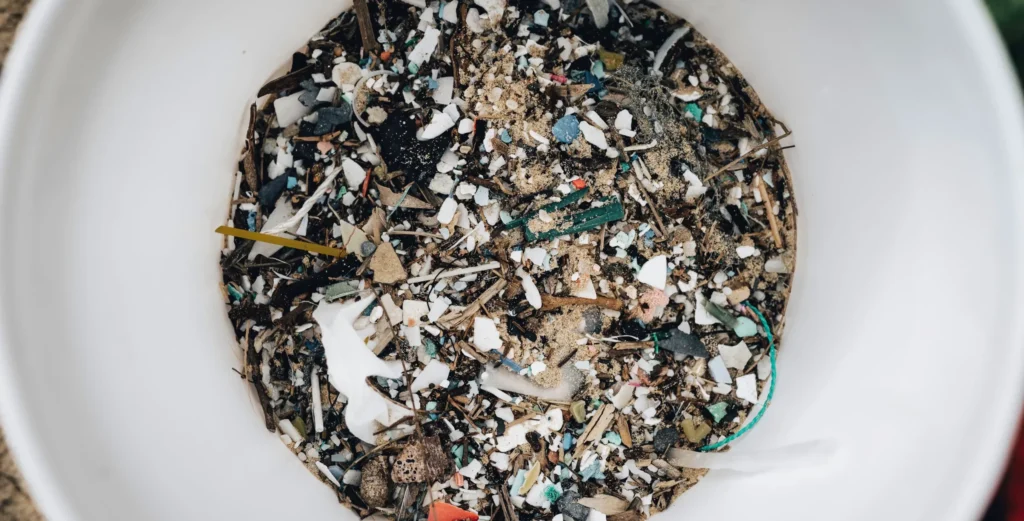
Microplastics, defined as plastic fragments less than 5 millimeters in length, have transitioned from an environmental concern to a critical public health issue. These particles originate from two primary sources: the breakdown of larger plastic waste (secondary microplastics) and the intentional manufacture of small particles for industrial or cosmetic use (primary microplastics). Because plastic does not biodegrade but rather fragments into smaller and smaller pieces, it has become ubiquitous in the global food chain and water supply.

Recent longitudinal studies have underscored the potential dangers of internal plastic accumulation. In early 2024, a study published in the New England Journal of Medicine revealed a startling correlation between microplastic presence and cardiovascular events. Researchers examining patients undergoing carotid endarterectomy found that those with microplastics and nanoplastics in their arterial plaques were more than four times as likely to experience a heart attack or stroke within a 34-month follow-up period compared to those whose plaques were plastic-free.
Furthermore, neurological research has begun to illuminate the presence of these synthetic materials in the human brain. Autopsies of individuals who suffered from Alzheimer’s disease have frequently shown significantly higher concentrations of microplastics in the frontal cortex compared to healthy controls. While these findings do not yet provide a definitive causal link—meaning it is not yet proven that microplastics cause Alzheimer’s or heart disease—the statistical associations have prompted an urgent search for preventative measures.
The First Human Trial: Methodology and Findings
The shift from animal models to human trials marks a significant milestone in the field of "plastivore" biology and detoxification. The trial involved a double-blind, placebo-controlled study designed to measure how effectively a specific postbiotic strain could reduce the bioavailability of ingested microplastics.
Participants were administered a daily dose of the postbiotic supplement over a set period. Researchers monitored the levels of microplastics in the participants’ blood and stool samples using advanced Raman spectroscopy and pyrolysis-gas chromatography-mass spectrometry (Py-GC-MS). The preliminary data suggests that those in the treatment group showed a marked increase in the volume of microplastics expelled in waste, coupled with a measurable decrease in the concentration of nanoplastics circulating in the bloodstream.
The postbiotic used in the study is derived from a heat-treated strain of lactic acid bacteria. Unlike probiotics, which are live cultures that must survive the acidic environment of the stomach to be effective, postbiotics are stable and do not require refrigeration. Their efficacy in this context is purely mechanical and chemical; the "sticky" surface of the bacterial cell wall binds to the hydrophobic surface of common plastics like polyethylene (PE), polypropylene (PP), and polyvinyl chloride (PVC).
Chronology of Microplastic Discovery and Research
To understand the significance of this clinical trial, it is necessary to examine the timeline of microplastic research, which has accelerated rapidly over the last two decades:
- 2004: The term "microplastics" is coined by Professor Richard Thompson of the University of Plymouth to describe the accumulation of microscopic plastic fragments in the ocean.
- 2011: Researchers first identify microplastics in the human food chain, specifically in shellfish meant for human consumption.
- 2015: The United States passes the Microbead-Free Waters Act, banning the use of plastic microbeads in rinse-off cosmetic products.
- 2018: A pilot study presented at a gastroenterology conference in Vienna detects microplastics in human stool samples for the first time, confirming ingestion.
- 2022: Scientists in the Netherlands detect microplastics in human blood samples, proving that these particles can cross the gut barrier and enter systemic circulation.
- 2023: Research published in Environmental Health Perspectives highlights the presence of microplastics in human placentas, raising concerns about prenatal exposure.
- 2024: The first human trial of a postbiotic supplement for microplastic removal is conducted, offering a potential mitigation strategy for internal contamination.
Supporting Data and Environmental Context
The scale of human exposure to microplastics is staggering. Estimates from the World Wildlife Fund (WWF) suggest that the average person could be ingesting approximately 5 grams of plastic every week—roughly the equivalent weight of a credit card. This ingestion occurs through various pathways:
- Inhalation: Synthetic fibers from clothing, upholstery, and tires become airborne and are inhaled into the lungs.
- Drinking Water: Both bottled and tap water have been found to contain thousands of plastic particles per liter.
- Food Consumption: Seafood is a major source, but plastics have also been found in salt, honey, beer, and even fruits and vegetables, which can absorb nanoplastics through their root systems.
The postbiotic trial addresses the "bioavailability" aspect of this exposure. Even if total elimination of plastic ingestion is impossible in the modern world, reducing the percentage of those plastics that move from the gut into the organs could drastically lower the risk of chronic inflammation and cellular damage.
Official Responses and Scientific Skepticism
The scientific community has reacted to the postbiotic trial with a mixture of cautious optimism and rigorous skepticism. Regulatory bodies like the European Food Safety Authority (EFSA) and the U.S. Food and Drug Administration (FDA) have yet to issue specific guidelines regarding microplastic-removal supplements, as the field is still in its infancy.
"While the mechanism of using postbiotics to bind contaminants is theoretically sound and supported by this initial human data, we must be careful not to view this as a license to continue plastic pollution," says Dr. Elena Rossi, a toxicologist not involved in the study. "A supplement can only do so much. If the environmental load continues to increase, the capacity of any biological binder will eventually be overwhelmed."
Pharmaceutical industry analysts suggest that if subsequent larger-scale trials replicate these results, the market for "environmental detox" supplements could grow into a multi-billion-dollar sector. However, health advocates warn against "greenwashing" or "plastic-washing" health products, emphasizing that the primary solution must remain the reduction of plastic production at the source.
Broader Implications and Future Analysis
The potential success of postbiotic interventions carries profound implications for public health policy and individual wellness. If microplastics are indeed a contributing factor to the rising rates of metabolic disorders, autoimmune diseases, and neurodegenerative conditions, then a preventative supplement could become as commonplace as a daily multivitamin or a fiber supplement.
From a clinical perspective, the next phase of research will likely focus on:
- Strain Specificity: Determining which bacterial strains have the most effective "roughness" for different types of plastics (e.g., PET vs. Polystyrene).
- Long-term Safety: Ensuring that the binding of microplastics does not inadvertently bind essential nutrients or minerals, leading to deficiencies.
- Targeting Nanoplastics: While microplastics are large enough to be trapped relatively easily, nanoplastics (smaller than 1 micrometer) are far more invasive. Research is needed to see if postbiotics can capture these even smaller particles before they penetrate cellular membranes.
The economic impact of microplastic-related health issues is also a burgeoning field of study. If a significant portion of cardiovascular disease cases can be linked to plastic-induced inflammation, the cost to global healthcare systems could be trillions of dollars over the coming decades. In this context, a postbiotic supplement represents a relatively low-cost preventative measure.
Conclusion: A Multi-Pronged Approach to a Synthetic World
The human trial of postbiotics for microplastic removal represents a pivot point in our relationship with the "Plastisphere." For decades, the focus was on the environmental cleanup of oceans and beaches. Now, the focus has shifted inward, to the biological cleanup of the human body.
While the postbiotic supplement offers a promising tool for individual protection, it is part of a broader, necessary strategy. This strategy includes the United Nations’ ongoing negotiations for a global plastics treaty, the development of truly biodegradable alternatives to petroleum-based plastics, and more robust filtration systems for municipal water supplies.
As we await the peer-reviewed publication of the full trial data, the message for the public is clear: the era of "plastic-free" living may be over, but the era of managing our internal plastic load has just begun. The use of heat-killed bacteria to shield our cells from the debris of the industrial age is a testament to human ingenuity—and a somber reminder of the extent to which we have altered the chemistry of life on Earth.