










Natural Products Expo West, the preeminent annual gathering for the healthy living and consumer packaged goods (CPG) sector, concluded on March 11, 2026, showcasing a dynamic landscape shaped by evolving consumer demands and innovative product development. The Anaheim Convention Center, along with surrounding hotel lobbies, buzzed with an unprecedented influx of buyers and vendors, underscoring the event’s critical role in setting industry trends and fostering business connections. This year’s expo was marked by a fervent exploration of macronutrient optimization, a sophisticated approach to hydration, and a renewed focus on specific demographic needs, all signaling a maturation of the health and wellness market.
The sheer volume of beverage options available, both on the expo floor and at associated receptions, highlighted the beverage sector’s continued dominance and its role as a primary vehicle for functional ingredients. This year’s event, meticulously documented without AI, offered a deep dive into the prevailing themes, drawing insights from industry leaders such as Alejandra Gratson, Ph.D., Senior Vice President of Research and Development at Designs for Health.
The Protein Imperative: Beyond the Gym
The concept of "Proteinfinity" encapsulates the pervasive integration of protein into nearly every food and beverage category. No longer confined to the realm of sports nutrition, protein is now a key selling point in sodas, energy shots, sparkling waters, teas, coffees, snack chips, and ready-to-eat meals. Industry observers predict that brands lacking a robust protein narrative may find themselves increasingly marginalized, with an estimated 18-month window before a protein content of 20 grams becomes the de facto standard for nutritional relevance.

Within this protein-centric movement, clear protein formulations in powder and ready-to-drink (RTD) formats have emerged as a distinct subcategory. Brands are now differentiating themselves based on protein dosage, targeted functionalities, and palatability. This escalating demand has, however, created a significant bottleneck in the supply chain for high-quality whey protein sources, leading to increased scarcity and elevated prices. In response, a notable, albeit ironic, trend has emerged: a widespread substitution of collagen, a more readily available and cost-effective protein, for traditional whey in many product formulations. This strategic shift, while addressing supply chain pressures, raises questions about the efficacy and consumer perception of products marketed with a protein focus but featuring alternative protein sources.
Fiber’s Flourishing Moment: "Fiberlicious" Takes Center Stage
Complementing the protein surge, dietary fiber has achieved a significant cultural and market moment, shedding its perception as solely a dietary component for older demographics. The term "Fibermaxxing" has gained traction on social media platforms, particularly among younger consumers, fueling a robust interest in fiber-rich products. This resurgence is underpinned by strong nutritional science, as the average American consumes only about half of the recommended 30 grams of fiber per day, as outlined by the U.S. Department of Agriculture’s Dietary Guidelines for Americans.
The renewed emphasis on fiber is driving a renaissance in product development, with an increasing array of creative applications for this essential nutrient. From fortified beverages and snacks to innovative baked goods, manufacturers are finding novel ways to incorporate fiber into everyday consumables. This trend is poised for sustained growth, driven by both consumer awareness and the ongoing innovation in product formulation and delivery systems.
The Evolving Hydration Landscape: "Hydration Nation" and Functional Beverages
The concept of hydration has transcended its basic definition, evolving into a sophisticated delivery mechanism for a range of functional benefits. Consumers are no longer satisfied with simple water and electrolytes; they are seeking beverages that simultaneously quench thirst and contribute to broader health objectives. This has led to a proliferation of products designed to support muscle building, enhance microbiome health, improve skin appearance, and sharpen cognitive function.

This trend is exemplified by the continued growth of the functional beverage market. Data from market research firms indicate a compound annual growth rate (CAGR) exceeding 7% for the global functional beverage market, projected to reach over $200 billion by 2028. This expansion is fueled by a consumer desire for convenient, health-promoting solutions. Brands are responding by integrating a diverse array of ingredients, from adaptogens and nootropics to prebiotics and probiotics, into their hydration offerings.
The "Bevolution" of Beverages: Beyond Energy Drinks
The beverage industry is undergoing a significant transformation, a "bevolution," characterized by the integration of health-beneficial ingredients into convenient, ready-to-drink formats. This evolution builds upon the foundational success of brands like Celsius, which demonstrated the market’s appetite for beverages with proven benefits beyond simple refreshment.
Today’s functional beverage market is characterized by a broad spectrum of innovative products. This includes clear and opaque protein drinks, sophisticated non-alcoholic mocktails designed to offer the experience of a cocktail without the alcohol, and palatable alcohol-free beer and wine alternatives. The inclusion of creatine in beverages, once primarily a supplement powder, signifies a further blurring of lines between traditional supplements and everyday consumables.
Furthermore, the market is witnessing a significant rise in mood-modulating beverages, mirroring the trajectory of the energy drink market two decades ago. Brands such as Trip, Brez, and Recess are capitalizing on consumer demand for relaxation and stress reduction, offering products infused with ingredients like CBD, L-theanine, and adaptogens. This segment reflects a growing consumer interest in mental well-being and stress management, positioning mood-enhancing beverages as a key growth area.
"Brainer": The Ascendance of Cognitive Health Nutrition
Brain health has solidified its position as a megatrend within the nutrition industry, driven by a dual impetus: an aging global population and a heightened consumer awareness of nutrition’s profound impact on cognitive functions. This increased focus encompasses improvements in sleep quality, mood regulation, memory enhancement, and overall cognitive performance.
The market is responding with a diverse array of solutions targeting brain health. These range from specialized dietary ingredients and functional beverages to bars, probiotics, and even children’s snacks formulated to support mood, sleep, mental clarity, and long-term brain health. The breadth of offerings underscores a sophisticated understanding of the brain-gut axis and the intricate relationship between diet and neurological well-being. Projections indicate that the global brain health supplements market could reach upwards of $15 billion by 2027, underscoring the significant commercial opportunity in this space.
Creatine’s Mainstream Migration: "Creatine+" Beyond the Gym Bro
Creatine has officially transcended its traditional association with elite athletes and bodybuilding culture. The versatile compound is now appearing in more accessible and enjoyable formats, including gummies, RTD beverages, and hydration products. This mainstream migration is further amplified by its repositioning as a nootropic, appealing to a broader demographic, including women, and often paired with ingredients like collagen, mushrooms, and formulations designed to enhance sleep and recovery.
The strategic inclusion of creatine in diverse product types suggests a growing recognition of its multifaceted benefits beyond muscle performance, including cognitive support and energy metabolism. Industry forecasts anticipate a significant expansion of creatine-containing products, positioning it as an everyday staple that appeals to a wide range of consumers and use cases.

The Science of Delivery: "Special Delivery" Systems Revolutionize Nutrient Absorption
The efficacy of nutritional ingredients is increasingly being optimized through advanced "special delivery" systems. These technologies are designed to enhance ingredient stability, thereby improving product quality and reducing costs, and critically, to increase the bioavailability – the amount of a bioactive ingredient the body can absorb and utilize.
Key delivery technologies gaining prominence include liposomes, micelles, Nusomes (a next-generation technology adapted from the pharmaceutical industry), chelates, and emulsions. These systems often operate at the nanoscale, enabling the targeted and efficient delivery of nutrients. The potential for these advanced delivery vehicles to revolutionize nutrient absorption and consumer benefits is substantial, promising to unlock the full potential of existing and novel bioactive compounds. This technological advancement is crucial for maximizing the impact of increasingly sophisticated health and wellness ingredients.
The Pursuit of Longevity: "Live Long and Prosper" in the Nutrition Sector
The aspiration to slow the aging process remains a powerful motivator for consumers, driving significant innovation within the nutrition industry. While direct clinical proof of longevity enhancement requires extensive, multi-decade trials, the market is actively developing products that address the pillars of cellular longevity: cellular protection, cellular energy, cellular renewal, and cellular strength.
The current offerings often focus on observable, short-term benefits related to skin and hair health, improved sleep, and increased energy levels – all contributing to a feeling of well-being regardless of age. This approach allows for more rapid market entry and consumer validation, while the long-term cellular benefits are supported by scientific research. The burgeoning anti-aging market, valued at over $300 billion globally, reflects the profound consumer interest in maintaining vitality and health throughout the lifespan.
Nutrient Densification for a Post-GLP-1 World: "GLP-1 Nutrient Densification"
The widespread adoption of GLP-1 (glucagon-like peptide) receptor agonist drugs has created a significant ripple effect across the nutrition market. As individuals consuming these medications often experience reduced appetite, the imperative shifts towards maximizing the nutritional payload of every bite. This phenomenon, termed "nutrient densification," emphasizes delivering maximum satisfaction and nutritional value within minimal volume.
This trend necessitates a re-evaluation of even indulgent food categories. Traditional comfort foods like chocolate and ice cream are now being reformulated to incorporate protein, prebiotic fibers, and other functional ingredients, aiming to provide a genuinely joyful experience while also delivering substantial nutritional benefits. Nutrient densification represents a paradigm shift away from empty calories towards a more satisfying and efficient approach to nutrition, catering to a growing segment of consumers committed to extracting maximum value from their food intake.
The Mushroom Renaissance: "Mushrooming" Continues to Grow
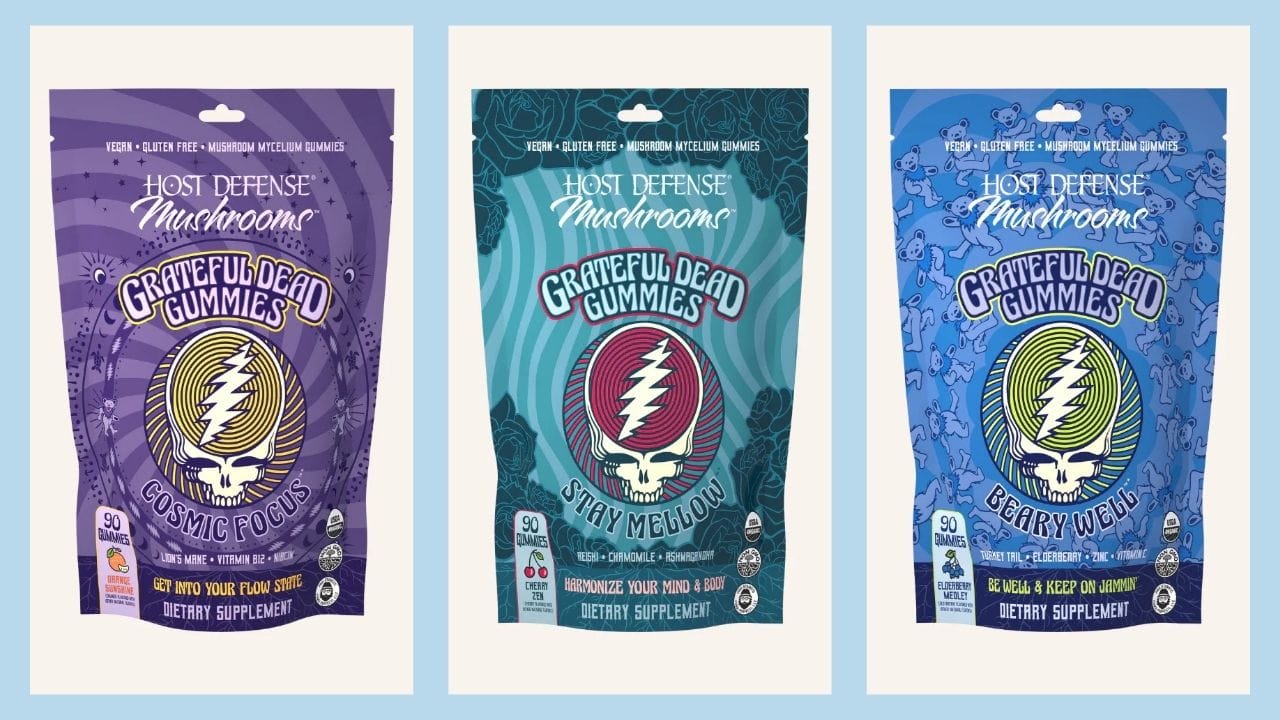
Mushrooms and their mycelium have firmly established themselves as a rapidly growing and enduring category within the natural products industry. Leading mushroom brand Host Defense exemplified this trend at Expo West 2026 with a dual announcement: sponsorship of significant clinical research into the benefits of mushrooms, alongside the launch of a Grateful Dead-themed mushroom gummy product line. This juxtaposition of rigorous scientific inquiry and culturally resonant marketing highlights the diverse appeal of functional mushrooms.
Ingredient suppliers, such as M2, reported sustained high demand, with queues forming outside their booths, indicating continued mainstreaming of mushrooms as a functional ingredient. Even established brands like The Republic of Tea have introduced dedicated mushroom-infused product lines targeting digestion, focus, energy, and calm, further underscoring the broad applicability and consumer acceptance of these versatile fungi.
A Renewed Focus on Men’s Health: "Manly Things" Re-emerge
Following a decade characterized by innovations largely focused on women’s health, the 2026 Natural Products Expo West saw a significant resurgence of products and marketing strategies tailored to men. The expo floor featured a prominent display of "manly things," encompassing a wide range of categories.
From personal care items like Dude Wipes to supplements aimed at testosterone support, and explicitly masculine marketing for sports nutrition, "bedroom boosters," and deodorants, the message was clear: men’s wellness is back in the spotlight. This renewed emphasis suggests an evolving understanding of men’s health needs and a strategic effort by brands to capture this previously underserved market segment.
The "MAHAnxiety" Factor: Navigating Food Purity Concerns
A notable undercurrent at the expo was the palpable consumer anxiety surrounding food quality and ingredient sourcing, often referred to as "MAHAnxiety" (Make America Healthy Again anxiety). This sentiment was reflected in packaging and messaging that championed traditional ingredients like beef tallow, real meat, and natural sweeteners.
More intriguingly, industry observers noted a significant concern regarding formerly acceptable food components such as seed oils and highly processed items. This anxiety was evident in the product formulations and marketing narratives of new offerings, suggesting a consumer shift towards perceived purity and minimal processing. This trend indicates a growing demand for transparency and a return to what are perceived as more wholesome, less adulterated food choices.
The insights gleaned from Natural Products Expo West 2026 paint a compelling picture of a health and wellness industry that is increasingly sophisticated, scientifically grounded, and responsive to the nuanced demands of a health-conscious consumer base. The trends observed point towards a future where nutrition is not merely about sustenance but about optimizing every facet of human health, from cellular function to cognitive performance and overall longevity.