







In an unprecedented move designed to dismantle the traditional silos of medical research, the Endocrine Society and Keystone Symposia have announced a strategic partnership to launch a series of high-level scientific meetings. This collaboration seeks to explore the complex intersections of hormone signaling with some of the most pressing health challenges of the 21st century, including cancer, diabetes, and cardiometabolic disease. By bridging the gap between basic discovery and clinical application, the two organizations aim to accelerate the pace of medical breakthroughs and foster a new era of interdisciplinary innovation.
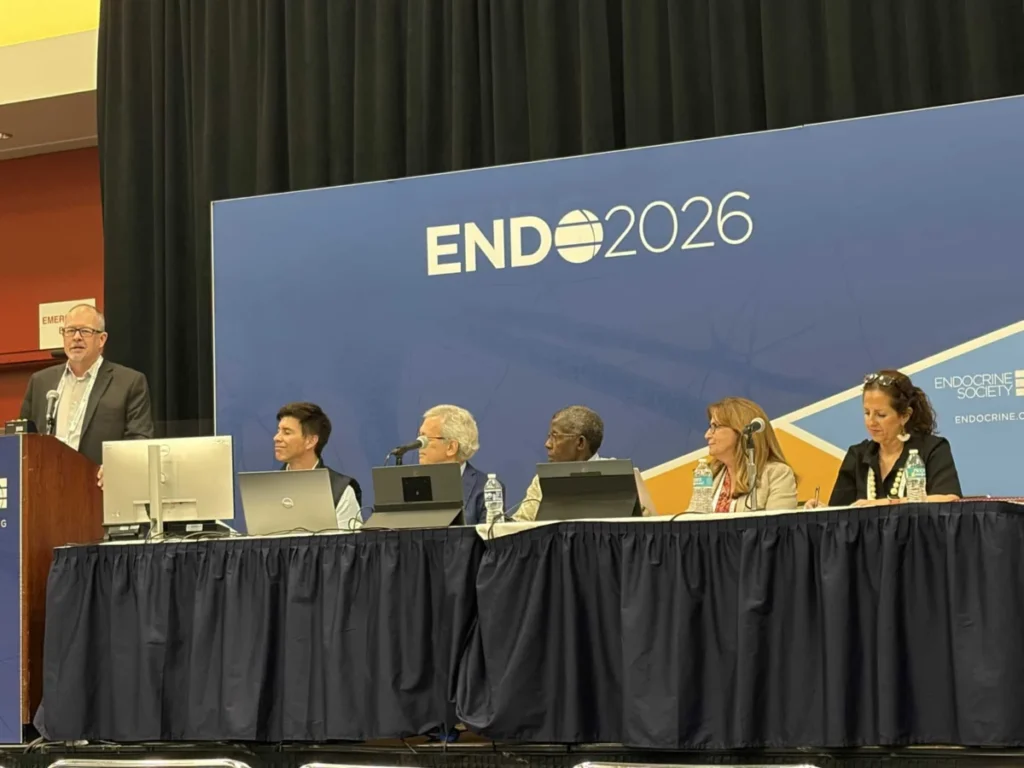
The joint initiative will officially commence with a flagship conference titled "Hormonal Influences on Immunity and Cancer Across the Lifespan," scheduled to take place from October 5 to October 8, 2026, in Breckenridge, Colorado. This inaugural event will be followed by a dual-track series of meetings in February 2027, also held in Colorado, which will pivot the focus toward the global crises of diabetes and cardiometabolic health. The framework for this partnership was solidified during a specialized symposium held in June at the ENDO 2026 conference in Chicago, Illinois, where leaders from both organizations outlined a vision for a more integrated scientific community.
Addressing the Data Deluge and Scientific Isolation
The motivation behind this partnership stems from a growing concern within the scientific community: the "data deluge." As the volume of published research grows exponentially, many scientists find themselves increasingly confined to narrow sub-specialties. According to Keystone Symposia President and CEO James Baumgartner, PhD, this hyper-specialization can inadvertently hinder progress by limiting the exchange of ideas between related but distinct fields.
"Biology doesn’t know any boundaries. Health and disease don’t know boundaries," Baumgartner noted during the Chicago symposium. He emphasized that the most transformative discoveries currently occurring in the life sciences are happening at the "interfaces" between disciplines. By convening experts who might not otherwise interact—such as an immunologist studying T-cell exhaustion and an endocrinologist studying steroid signaling—the partnership aims to create a "collision of ideas" that can lead to translational leaps.
The necessity of this approach is backed by recent trends in research funding and publication. The National Institutes of Health (NIH) and other global funding bodies have increasingly prioritized "transdisciplinary" research, recognizing that the cure for complex diseases like cancer or type 2 diabetes likely resides in a holistic understanding of systemic biological interactions rather than a single molecular pathway.
The October 2026 Summit: Hormones, Immunity, and the Lifespan
The first meeting in Breckenridge will tackle the "Immune-Endocrine Axis," a field that has seen explosive growth due to the rise of cancer immunotherapy. It is now well-understood that hormones—ranging from sex steroids like estrogen and testosterone to stress hormones like cortisol—play a decisive role in modulating immune responses.
The "lifespan" component of the conference title reflects a modern shift toward understanding how hormonal shifts during puberty, pregnancy, and menopause influence long-term disease susceptibility. For instance, researchers are increasingly looking at how the hormonal environment during pregnancy might program the fetal immune system, potentially impacting cancer risk decades later.
Professor Ines Pineda Torra, PhD, of the Fundacion Progreso y Salud in Seville, Spain, highlighted the value of this broad perspective. She noted that these meetings allow researchers to see the "context" of their work. "You see other people’s work, and you think, ‘That’s what I want to do, but in my system,’" Torra said. This cross-pollination is essential for basic researchers who may be working in isolated lab environments and need to see the clinical implications of their findings to refine their hypotheses.
February 2027: A Focus on the Metabolic Pandemic
Following the autumn 2026 session, the series will shift its attention to the burgeoning global burden of metabolic disorders. According to the International Diabetes Federation, approximately 537 million adults are currently living with diabetes, a number projected to rise to 783 million by 2045. Furthermore, cardiometabolic diseases—a cluster of conditions including hypertension, insulin resistance, and dyslipidemia—remain the leading cause of death globally.
The February 2027 meetings in Colorado will provide a forum for discussing the next generation of therapies, including the revolutionary GLP-1 receptor agonists and other incretin-based treatments that have recently transformed the treatment landscape for obesity and diabetes. By bringing together the Endocrine Society’s clinical expertise with Keystone Symposia’s strength in molecular mechanisms, these sessions will explore why certain patients respond to these therapies while others do not, and how hormonal signaling can be leveraged to prevent the cardiovascular complications often associated with metabolic failure.
Bridging the Gap Between Academia and Industry
One of the primary objectives of the partnership is to create a more porous border between academic research and the biotechnology and pharmaceutical industries. E. Dale Abel, MD, PhD, Past-President of the Endocrine Society, emphasized that the intersectional approach provides a unique venue for academic scientists to engage with those involved in therapeutic innovation.
"I’m proud to say both the Endocrine Society and Keystone Symposia have had really an unflinching commitment to ensuring that both organizations remain a place in which those who are emerging in science can have a home," Abel stated.
This is particularly vital for early-career professionals. In the traditional large-scale conference format, junior researchers can often feel lost among thousands of attendees. The planned series, however, is designed to be more intimate, allowing "emerging stars" to meet "titans of the field." This mentorship aspect is crucial for the sustainability of the scientific workforce, ensuring that the next generation of researchers has the professional network and guidance necessary to navigate the complexities of modern drug development and clinical trials.
Advancing the "Bench to Bedside" Pipeline
The collaboration also aims to refine the "bench to bedside" pipeline—and, crucially, the "bedside back to bench" feedback loop. Roger Cone, PhD, Mary Sue Coleman Director of the Life Sciences Institute at the University of Michigan, noted that each organization brings complementary strengths to the table. While Keystone is often associated with the cutting edge of basic science, the Endocrine Society provides a deep well of clinical knowledge and patient-centered research.
"As the two organizations work together, they’ll be able to create new things that don’t exist now at either of the two institutions," Cone said. This synergy is expected to yield coordinated programming that helps basic scientists understand the unmet needs of patients, while providing clinicians with a deeper understanding of the molecular drivers behind the symptoms they treat.
The integration of these perspectives is particularly relevant in the era of precision medicine. As treatments become more tailored to individual genetic and hormonal profiles, the need for a unified understanding of endocrinology, oncology, and metabolism becomes paramount.
A New Model for Scientific Exchange
The announcement of this partnership comes at a time when the format of scientific conferences is being re-evaluated globally. In the post-pandemic era, there is a heightened demand for high-value, in-person interactions that justify the time and environmental cost of travel. By combining resources, the Endocrine Society and Keystone Symposia are offering a more efficient and impactful model for professional gathering.
The strategic choice of Colorado as a hub for these meetings also underscores the region’s growing status as a center for bioscience innovation. Breckenridge, known for its conducive environment for retreat-style thinking, provides a setting where researchers can step away from their daily laboratory duties to engage in the "deep work" of scientific synthesis.
Registration for the first partnered meeting, "Hormonal Influences on Immunity and Cancer Across the Lifespan," is currently open. Organizers expect a diverse cohort of attendees, ranging from molecular biologists and immunologists to oncologists and public health experts.
As the scientific community looks toward 2026 and 2027, the success of this partnership will likely be measured by the collaborations it sparks and the translational research it inspires. By breaking down the barriers between disciplines, the Endocrine Society and Keystone Symposia are not just hosting meetings; they are attempting to reshape the landscape of medical discovery to better reflect the interconnected reality of human biology. In doing so, they provide a roadmap for how scientific societies can evolve to meet the complex challenges of the modern age.