

The ketogenic diet, a nutritional approach characterized by very low carbohydrate intake, moderate protein, and high fat consumption, prompts a fundamental metabolic shift in the body. Instead of primarily burning glucose for energy, the body transitions to utilizing fat as its main fuel source, producing ketone bodies in a state known as ketosis. This profound metabolic adaptation can, however, alter the body’s nutrient requirements and create temporary challenges, making strategic supplementation a valuable consideration for many individuals.
The Metabolic Shift and Initial Adaptation
When embarking on a ketogenic diet, the body undergoes a significant physiological change. Deprived of its usual glucose supply from carbohydrates, the liver begins to break down fats into ketone bodies—primarily beta-hydroxybutyrate (BHB), acetoacetate, and acetone. These ketones then serve as an alternative, efficient fuel for the brain and muscles. While this metabolic flexibility offers numerous potential benefits, including sustained energy and improved mental clarity, the initial transition period is often accompanied by a cluster of symptoms colloquially known as the "keto flu."
The keto flu, typically experienced within the first few days to weeks of starting the diet, can manifest as fatigue, headache, irritability, muscle cramps, and brain fog. These symptoms are largely attributed to electrolyte imbalances and dehydration as the body sheds excess water and sodium due to reduced insulin levels. Moreover, transitioning to a diet that often restricts certain fruits, vegetables, and whole grains can inadvertently lead to micronutrient deficiencies if not meticulously planned. For these reasons, dietary supplements can play a crucial role in easing the adaptation phase, addressing potential nutritional gaps, and supporting overall well-being and energy levels alongside a properly structured diet and regular physical activity.
Supplements can enhance the sustainability of the ketogenic lifestyle, particularly for individuals who are physically active, new to the diet, or find it challenging to consistently meet their nutrient targets through food alone. While not universally necessary, the judicious selection of certain supplements can optimize the ketogenic experience, support long-term metabolic health, improve recovery, and help individuals feel their best.
Understanding the Need for Supplementation
Not every individual on a ketogenic diet will require the same suite of dietary supplements. Needs can vary significantly based on lifestyle, activity level, dietary adherence, and individual metabolic responses. Some individuals may opt for a comprehensive multivitamin to ensure a baseline intake of essential nutrients like calcium, vitamin D, and vitamin A, while others may target specific "keto-enhancing" options designed to support ketosis or mitigate transition symptoms.
The body’s adjustment to fat-burning can lead to an increased loss of electrolytes through urination. This diuretic effect, coupled with reduced intake of electrolyte-rich foods in some keto meal plans, underscores the importance of minerals like sodium, potassium, and magnesium. Furthermore, active individuals who lose electrolytes through sweat may have even greater needs. Beyond mitigating the keto flu, supplements can support nutrient balance, aid in post-exercise recovery, and contribute to sustained metabolic health, making them a strategic addition for many keto adherents.
Key Supplements for the Ketogenic Lifestyle
Several categories of supplements have emerged as particularly beneficial for those following a ketogenic diet. Each offers distinct advantages, supporting various physiological processes and helping to optimize the low-carb, high-fat eating plan.
1. Exogenous Ketones
Endogenous ketones are naturally produced by the liver from fat breakdown, including beta-hydroxybutyrate (BHB), acetoacetate, and acetone. Exogenous ketones, by contrast, are supplemental forms, typically available as ketone salts or esters, that directly introduce BHB into the bloodstream. These oral ketones are often touted as a way to achieve a state of ketosis more rapidly or to temporarily elevate blood ketone levels.
The primary benefit of exogenous ketones lies in their ability to quickly raise blood ketone concentrations, which can provide an immediate energy boost, particularly useful before a workout or during periods of fatigue. For those grappling with the initial discomfort of the keto flu, exogenous ketones may help alleviate symptoms by supplying an alternative fuel source to the brain and body, easing the transition phase.
Research also suggests that exogenous ketones might influence appetite regulation by reducing levels of ghrelin, the "hunger hormone," thereby potentially aiding in calorie control. However, it is crucial to understand that they do not directly accelerate fat loss; rather, they provide ketones as fuel, which can support the metabolic environment conducive to fat utilization.
Typical dosages for exogenous ketones vary by product and individual goals. Controlled trials have indicated that doses ranging from 6-12 grams of BHB salts or 20-25 grams of BHB esters are generally considered safe and effective for transiently elevating ketone levels. When selecting an exogenous ketone supplement, consumers should prioritize products free from unnecessary fillers, binders, or hidden carbohydrates, which could inadvertently disrupt ketosis. Products like Perfect Keto Exogenous Ketone Capsules, offering pure BHB salts, or Perfect Keto Base, a flavored powder sweetened naturally with stevia and monk fruit, exemplify suitable options.
2. MCT Oil & Powder
Medium-chain triglycerides (MCTs) are a unique type of fat that differs from long-chain triglycerides (LCTs), the most common fats in the diet. Due to their shorter chain length, MCTs are rapidly absorbed from the gut and transported directly to the liver, where they are quickly metabolized into ketones. This efficient conversion makes MCTs an excellent and rapid source of energy for both the brain and muscles, contributing to elevated ketone levels and sustained vitality.
While foods such as coconut oil, butter, and certain dairy products contain MCTs, supplemental MCT oil or powder provides a more concentrated and consistent dose. Many individuals integrate MCTs into their daily routine by adding them to coffee (creating "bulletproof coffee"), smoothies, or shakes, leveraging their energy-boosting and appetite-controlling properties.
MCT powder is often preferred over MCT oil by those with sensitive digestive systems, as it tends to be gentler and mixes more easily into various beverages, hot or cold. However, it is advisable to start with a small dose, such as one teaspoon per day, and gradually increase to one tablespoon to avoid potential stomach upset. High-quality MCT oil powders, like Perfect Keto MCT Oil Powder, are derived from coconuts and contain no added sugars or artificial ingredients, making them a convenient tool for supporting ketosis, enhancing mental clarity, and maintaining energy throughout the day.
3. Collagen
Collagen, the most abundant protein in the human body, acts as the foundational "glue" that provides structural integrity to skin, hair, nails, joints, bones, and connective tissues. While a ketogenic diet often includes collagen-rich foods like bone broth and high-quality meats, many individuals still fall short of optimal collagen intake.
A grass-fed collagen supplement provides the specific amino acid profile necessary for the body to synthesize and repair its own collagen. This supplementation can contribute to joint comfort, support muscle health, and strengthen connective tissues, which is particularly beneficial for active individuals on a keto diet. Collagen is highly bioavailable, and studies suggest its role in reducing inflammation and aiding in cellular repair.
Combining collagen with MCTs, as seen in products like Perfect Keto Grass-Fed Collagen Peptides, creates a synergistic effect ideal for the ketogenic lifestyle. MCTs fuel mental clarity and energy, while collagen provides comprehensive structural support, all while maintaining low blood sugar impact and aligning with keto goals.
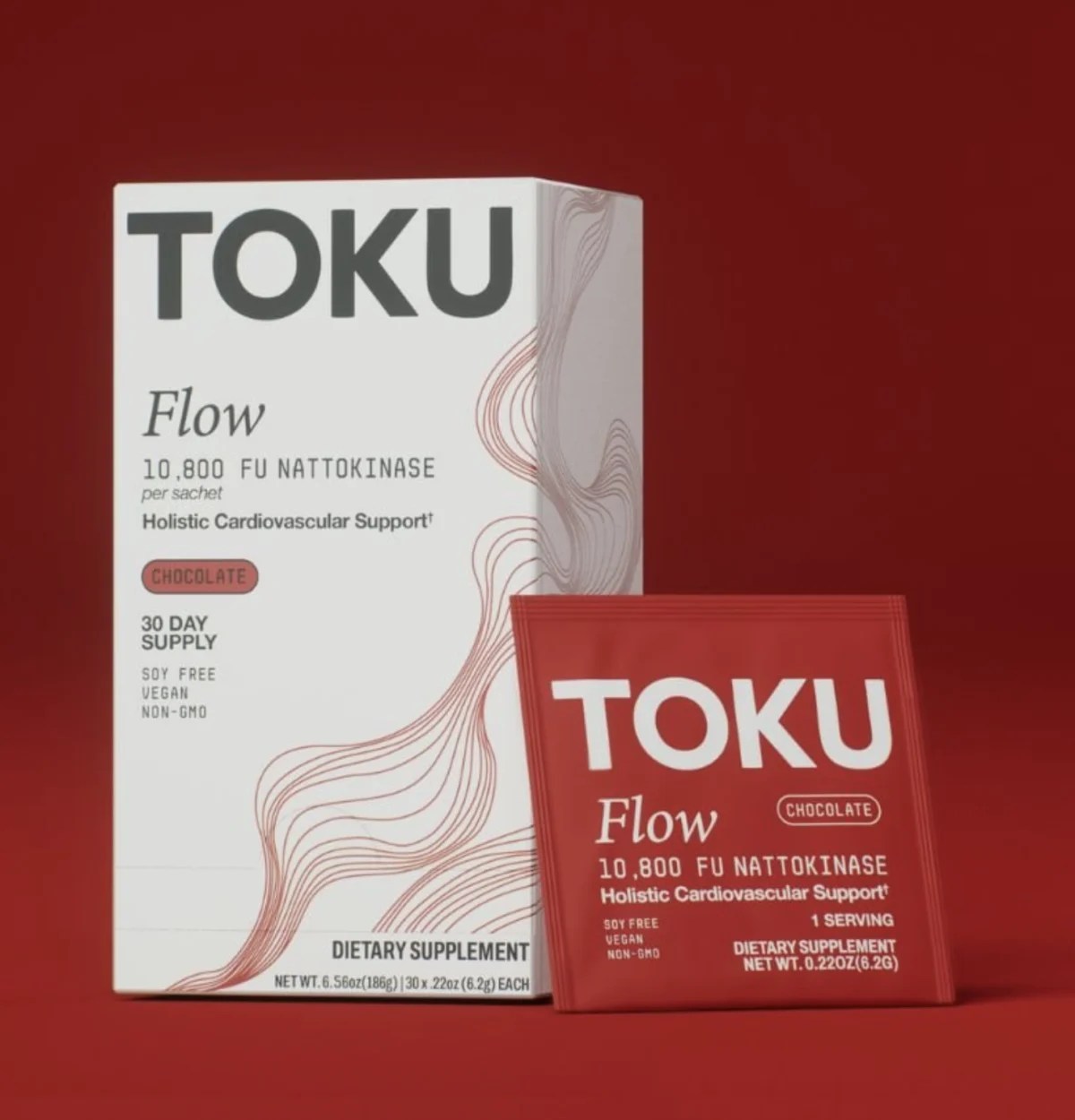
4. Toku Flow (Nattokinase)
Maintaining healthy circulation is paramount for overall wellness, especially within a ketogenic lifestyle, which emphasizes efficient fat burning. Optimal blood flow ensures that nutrients are delivered effectively to cells, metabolic waste is cleared efficiently, and inflammatory responses are well-managed.
Toku Flow is a powdered supplement designed to promote clear and efficient blood flow through its key ingredient, nattokinase. Nattokinase is a natural enzyme derived from natto, a traditional Japanese fermented soybean dish, and has been extensively studied for its cardiovascular benefits. Its mechanism involves fibrinolytic activity, meaning it helps to break down fibrin, a protein involved in blood clot formation, thereby potentially improving blood viscosity and circulation.
A notable 12-month clinical study involving over 1,000 participants demonstrated significant improvements in cardiovascular markers with a daily dose of 10,800 FU (fibrinolytic units) of nattokinase combined with 180 mcg of Vitamin K2. Participants experienced a 39.1% improvement in coronary plaque health, a 25% increase in carotid artery flexibility, and reductions in total cholesterol and triglycerides. This research highlights the importance of using a clinically relevant dosage, as many commercially available nattokinase supplements offer only 2,000 FU per serving, which may not be sufficient to elicit the full therapeutic effects observed in studies.
Toku Flow can be easily incorporated into any beverage, hot or cold, and taken at any time of day, with or without food. By facilitating smoother blood flow, it ensures that vital organs, muscles, and the brain receive necessary nutrients while efficiently removing metabolic byproducts. This makes it an excellent complement to a keto lifestyle, supporting long-term vitality and overall cardiovascular wellness, which is critical for sustained metabolic health.
5. Electrolytes
Electrolytes—essential minerals like sodium, potassium, and magnesium—are critical for numerous bodily functions, including muscle contraction, nerve signal transmission, maintaining fluid balance, and steady energy levels. On a ketogenic diet, the body’s electrolyte balance is particularly vulnerable. As insulin levels drop due to reduced carbohydrate intake, the kidneys excrete more water and sodium. This natural diuretic effect leads to a rapid depletion of these crucial minerals, which is a primary driver of the "keto flu" symptoms such as muscle cramps, brain fog, fatigue, and digestive issues.
It’s also important to note that alcohol consumption can exacerbate this effect, intensifying electrolyte loss and dehydration, necessitating even greater attention to replenishment.
Replenishing electrolytes is essential to prevent and alleviate these symptoms, supporting proper hydration and recovery. Recommended daily amounts vary by mineral and individual factors such as age, sex, and activity level. For instance, the recommended daily potassium intake is 3,400 mg for adult males and 2,600 mg for adult females, while the upper recommended limit for sodium is 2,300 mg per day. While avocados, leafy greens, and salmon are good dietary sources of electrolytes, many individuals find supplementation more effective and convenient to meet these increased needs. Perfect Keto Daily Electrolytes are specifically formulated for keto and other low-carb diets to help rebalance, rehydrate, and improve overall well-being. Individuals with pre-existing conditions like kidney disease or high blood pressure should consult their physician before increasing electrolyte intake, as imbalances can pose risks.
6. Omega-3 Fatty Acids (Fish or Krill Oil)
Omega-3 fatty acids, particularly eicosapentaenoic acid (EPA) and docosahexaenoic acid (DHA), are polyunsaturated fats essential for maintaining cardiovascular, brain, and metabolic health. On a ketogenic diet, where fat intake is significantly higher, ensuring an adequate intake of omega-3s is crucial to balance the often-higher consumption of omega-6 fats found in nuts, seeds, and certain oils.
A healthy omega-3 to omega-6 ratio is vital for supporting healthy cholesterol levels, reducing systemic inflammation, and ensuring smooth metabolic function. For individuals whose diets do not regularly include fatty fish such as salmon, sardines, or mackerel, an omega-3 supplement becomes an important tool to fill this nutritional gap.
Both fish oil and krill oil are excellent sources of EPA and DHA. However, krill oil offers an additional advantage by containing astaxanthin, a potent antioxidant that helps protect the delicate omega-3 fats from oxidation and may enhance their absorption. For general health, a daily intake of 250-500 mg of combined EPA and DHA is often recommended. For targeted benefits related to heart disease risk reduction and metabolic health, higher doses of 1,000-3,000 mg per day may be considered under professional guidance.
7. Protein Powders
Maintaining adequate intake of high-quality protein is fundamental on a ketogenic diet, primarily for preserving lean muscle mass, supporting post-exercise recovery, and promoting satiety. While resistance training is critical for optimizing body composition, sufficient protein intake provides the necessary amino acids to maximize muscle repair and overall physical performance.
Keto-friendly protein supplements include options like whey protein isolate, collagen peptides, and various plant-based powders (e.g., pea, hemp). Whey protein isolate is known for its rapid digestion and rich amino acid profile, making it ideal for immediate post-workout recovery. Collagen, as discussed, provides specific benefits for joints, connective tissue, gut health, and skin. Combining different protein sources can ensure a more complete amino acid profile, catering to a broader range of bodily needs.
For optimal results, especially for active individuals, aiming for 20-40 grams of protein within one to two hours after exercise is generally recommended. Furthermore, experts typically advise a total daily protein intake ranging from 1.2-2.0 grams per kilogram of body weight, depending on individual activity levels and goals, distributed across meals. When selecting a protein supplement, prioritizing low-carb, unsweetened formulas free from fillers or added sugars is essential to maintain ketosis. Products like Perfect Keto Whey Protein can effectively help individuals meet their daily protein targets and support recovery when dietary intake alone is insufficient.
8. Nootropic Blends
Many individuals adopting a ketogenic diet report enhanced mental clarity and sharper focus once fully adapted to ketosis. This cognitive benefit is believed to be linked to the brain’s efficient utilization of ketones for fuel and the diet’s potential anti-inflammatory effects. For those seeking to further amplify these cognitive advantages, nootropics, often referred to as "smart drugs," may be a complementary addition.
Nootropic blends are formulated with ingredients designed to support various aspects of cognitive function, including memory, focus, and mental energy. Common components often include L-theanine, ginkgo biloba, green tea extract, DHA, and MCTs. Studies suggest that certain combinations of these ingredients may improve blood flow to the brain and enhance overall cognitive function.
While the anecdotal evidence from keto dieters is compelling, it is important to acknowledge that scientific research on the efficacy of nootropic blends, particularly in specific populations, is still evolving and can yield variable effects among individuals. For those interested in exploring their potential, a product like Perfect Keto Nootropic combines exogenous ketones, MCTs, and grass-fed collagen, aiming to fuel cognitive activities and enhance mental clarity within a ketogenic framework.
Selecting Safe and Effective Keto Supplements
Given that dietary supplements are not regulated by the Food and Drug Administration (FDA) with the same rigor as pharmaceutical drugs, consumers must exercise diligence and prioritize safety and quality when making choices. Key considerations for selecting keto supplements include:
- Third-Party Testing: Look for certifications from independent organizations (e.g., NSF International, USP, Informed-Sport) that verify product purity, potency, and absence of contaminants or banned substances.
- Transparent Labeling: Ensure the product label clearly lists all ingredients, dosages, and nutritional information. Avoid proprietary blends where individual ingredient amounts are hidden.
- Minimal Fillers and Additives: Choose products with clean formulations, free from artificial sweeteners, colors, flavors, unnecessary binders, or hidden carbohydrates that could disrupt ketosis.
- Ingredient Sourcing: Opt for supplements with high-quality, ethically sourced ingredients (e.g., grass-fed collagen, MCTs from coconuts, sustainably sourced fish/krill oil).
- Reputable Manufacturers: Purchase from established companies with a strong reputation for quality control and customer service.
Safety Considerations and Broader Implications
Even natural dietary supplements can cause side effects or interact with medications. Therefore, a cautious and informed approach is paramount.
- Consult a Healthcare Professional: Always consult a physician, registered dietitian, or qualified healthcare provider before starting any new supplement regimen, especially if you have pre-existing health conditions (e.g., kidney disease, high blood pressure, diabetes) or are taking prescription medications. They can assess potential interactions and individual suitability.
- Adhere to Recommended Dosages: Exceeding recommended dosages, particularly for ingredients like MCTs or exogenous ketones, can lead to digestive issues such as constipation, bloating, or diarrhea. Electrolyte imbalances, if overcorrected, can also cause adverse effects like nausea, fatigue, and headaches.
- Monitor for Side Effects: Pay close attention to your body’s response. If any adverse reactions occur, discontinue use and seek medical advice.
- Supplements are Complementary: It is crucial to remember that supplements are intended to supplement a well-balanced, nutrient-dense ketogenic diet and a healthy lifestyle, not replace them. A robust foundation of whole foods, adequate hydration, regular exercise, and sufficient sleep remains the cornerstone of health.
- Economic Impact and Consumer Choice: The burgeoning market for ketogenic supplements reflects a growing interest in low-carb diets and personalized nutrition. However, this also necessitates informed consumer choices to navigate marketing claims and identify genuinely beneficial products.
Conclusion
The ketogenic diet, while offering significant metabolic advantages, requires careful attention to nutritional needs and the body’s adaptation process. The strategic use of certain supplements can be instrumental in easing the transition into ketosis, mitigating common side effects like the keto flu, addressing potential nutrient deficiencies, and supporting sustained energy and overall well-being. From exogenous ketones and MCTs that directly fuel ketosis, to electrolytes crucial for fluid balance, collagen for structural integrity, nattokinase for cardiovascular health, omega-3s for anti-inflammatory support, and protein powders for muscle maintenance, a range of options exists.
However, the efficacy of these supplements is maximized when paired with a meticulously planned, nutrient-dense food intake, consistent exercise, and healthy lifestyle habits. For those who have optimized their dietary and activity regimens, adding carefully selected supplements can simplify the ketogenic lifestyle, enhance workout performance, and contribute to steadier energy levels. Exploring reputable options such as Perfect Keto Base for ketone support, Perfect Keto Whey Protein for muscle recovery, and Perfect Keto MCT Oil Powder for quick energy can be a valuable step in optimizing one’s ketogenic journey. Always remember to prioritize product quality, transparency, and professional medical advice to ensure safe and effective supplementation.
