









The ketogenic diet, a nutritional approach characterized by very low carbohydrate intake, moderate protein, and high fat consumption, prompts a significant metabolic shift in the body. Instead of relying on glucose from carbohydrates for energy, the body transitions to burning fat, producing ketone bodies as its primary fuel source. This profound physiological adaptation, known as ketosis, can impact nutrient requirements and overall bodily functions, necessitating a closer look at dietary support mechanisms. While a well-formulated ketogenic diet can be nutritionally complete for many, certain dietary supplements, often referred to as "keto vitamins" or "keto supplements," can play a crucial role in bridging potential nutritional gaps, easing the transition into ketosis, sustaining energy levels, and optimizing well-being. These supplemental aids can significantly enhance adherence to the diet, particularly for individuals who are highly active, new to the ketogenic lifestyle, or those struggling to meet their comprehensive nutrient targets through food alone. This article will delve into some of the most beneficial keto supplements, exploring their mechanisms, scientific backing, and practical applications in supporting a low-carb, high-fat eating plan, alongside critical considerations for their safe and effective use.
The Metabolic Shift: Understanding the Ketogenic Transition
The ketogenic diet fundamentally reconfigures the body’s energy production pathways. Typically, carbohydrates are broken down into glucose, which serves as the body’s preferred and most readily available energy source. However, by drastically restricting carbohydrates (typically below 50 grams per day), the body is forced to seek alternative fuels. This leads to the breakdown of fats into fatty acids and glycerol, which are then transported to the liver. In the liver, fatty acids are converted into ketone bodies – primarily beta-hydroxybutyrate (BHB), acetoacetate, and acetone. These ketones can then cross the blood-brain barrier and be utilized by the brain, muscles, and other organs for energy.

This metabolic transition, while beneficial for many, is not always seamless. The initial phase, often referred to as the "keto flu," can manifest with symptoms such as fatigue, headache, irritability, muscle cramps, and digestive upset. These symptoms are largely attributed to electrolyte imbalances and dehydration as the body flushes out more water and sodium due to lower insulin levels. The body’s demand for certain micronutrients may also shift, making strategic supplementation a valuable tool during this adaptive period and beyond.
Do Supplements Bridge Nutritional Gaps on Keto?
The necessity of dietary supplements on a ketogenic diet is not universal but largely depends on an individual’s lifestyle, dietary adherence, and specific health goals. While some individuals may thrive with a meticulous food-first approach, others find supplements invaluable. Multivitamins, for instance, can provide foundational nutrients like calcium, vitamin D, and vitamin A, which might be less abundant in a carb-restricted diet if food choices aren’t diverse enough. Beyond general nutrition, specific "keto-enhancing" options target the unique physiological demands of ketosis.
During the initial adjustment phase, when the body is switching to fat for fuel, supplements like electrolytes and Medium-Chain Triglycerides (MCTs) can significantly mitigate "keto flu" symptoms, stabilize energy levels, and support cognitive function. For active individuals who lose significant electrolytes through sweat, or those who find it challenging to consume adequate vitamins and minerals from whole foods, supplementation becomes even more pertinent. The right supplements can aid in maintaining nutrient balance, enhancing recovery from physical exertion, and contributing to long-term metabolic health and overall vitality.
Key Supplements for the Ketogenic Lifestyle: A Detailed Analysis
1. Exogenous Ketones: Accelerating Ketosis and Energy
When following a ketogenic diet, the liver naturally produces ketone bodies from fat breakdown; these are termed endogenous ketones. Exogenous ketones, conversely, are synthetic ketone bodies delivered to the bloodstream via supplements, typically in the form of ketone salts (like BHB salts) or ketone esters. These oral supplements are designed to temporarily elevate blood ketone levels, offering several potential benefits.
- Mechanism and Benefits: By directly supplying BHB, exogenous ketones can help individuals achieve a state of ketosis faster, potentially reducing the duration and severity of "keto flu" symptoms. They are particularly favored by athletes and those seeking an immediate energy boost, often consumed before workouts. Some research indicates that exogenous ketones might also help reduce appetite by influencing ghrelin, the "hunger hormone," thereby supporting calorie control. However, it is crucial to understand that while they raise ketone levels and provide energy, they do not directly accelerate fat loss and should not be viewed as a shortcut for weight management.
- Dosage and Considerations: Typical doses vary based on the product and individual goals. Controlled trials have shown 6-12 grams of BHB salts or 20-25 grams of BHB esters to be both safe and effective. When selecting exogenous ketones, consumers should prioritize products free from unnecessary fillers, binders, or hidden carbohydrates, which could inadvertently disrupt ketosis. Products like Perfect Keto Exogenous Ketone Capsules (pure BHB salts) or Perfect Keto Base (flavored powder with natural sweeteners) exemplify high-quality options.
2. MCT Oil & Powder: Rapid Energy and Satiety
Medium-Chain Triglycerides (MCTs) are a unique type of fat that the body processes differently from long-chain triglycerides. Due to their shorter chain length, MCTs are rapidly absorbed from the gut and transported directly to the liver, where they are quickly converted into ketone bodies. This efficient metabolic pathway makes MCTs an excellent source of quick energy for both the brain and muscles.
- Mechanism and Benefits: MCTs can promptly elevate ketone levels, providing a sustained energy boost and enhancing mental clarity. They are often incorporated into "bulletproof coffee," smoothies, or shakes to serve as an immediate fuel source and to promote satiety, helping to curb cravings. While coconut oil is a natural source of MCTs, supplements offer a concentrated and consistent dose.
- Types and Usage: MCT oil is a liquid, while MCT powder is often preferred for its ease of mixing into hot or cold beverages and its gentler effect on the digestive system, as high doses of MCT oil can sometimes cause gastrointestinal distress. It is advisable to start with a small dose, such as one teaspoon per day, and gradually increase to one tablespoon to assess tolerance. Perfect Keto MCT Oil Powder, derived from coconuts without added sugars or artificial ingredients, is a popular choice for supporting ketosis and cognitive function.
3. Collagen: Structural Support and Gut Health
Collagen, the most abundant protein in the human body, is the fundamental building block for skin, hair, nails, joints, bones, and connective tissues. Despite the consumption of collagen-rich foods like bone broth and quality meats, many individuals may still not meet optimal collagen intake, particularly as natural production declines with age.
- Mechanism and Benefits: A high-quality, grass-fed collagen supplement provides essential amino acids that support the integrity and repair of various bodily structures. It is highly bioavailable, aiding in reducing inflammation and repairing stressed cells, contributing to joint comfort, muscle health, and the strength of connective tissues. For those on a ketogenic diet, collagen peptides can be a valuable protein source that is low in carbohydrates and does not significantly impact blood sugar.
- Keto Synergy: Products like Perfect Keto Grass-Fed Collagen Peptides often include MCTs, creating a synergistic blend for keto dieters. This combination supports not only the structural health benefits of collagen but also the cognitive and energy-boosting effects of MCTs, facilitating smoother ketosis and overall well-being.
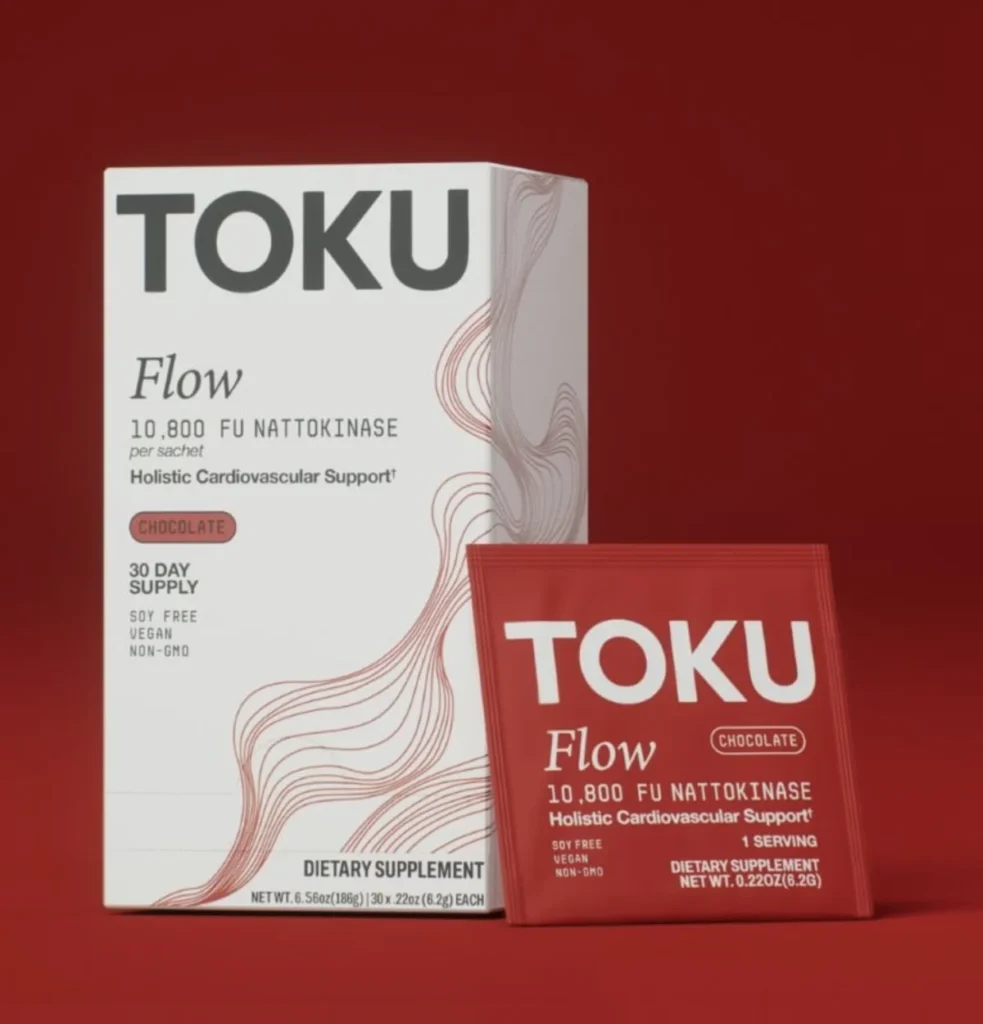
4. Toku Flow (Nattokinase): Cardiovascular Support in a Keto Lifestyle
While the ketogenic lifestyle can be beneficial for fat burning and metabolic health, maintaining optimal circulation is crucial for efficient nutrient delivery, inflammation management, and metabolic waste clearance. Toku Flow is a daily powdered supplement designed to enhance blood flow and circulation, leveraging the potent enzyme nattokinase.
- Mechanism and Benefits: Nattokinase is derived from natto, a traditional Japanese fermented soybean dish, and has been extensively studied for its cardiovascular benefits, particularly its fibrinolytic (clot-dissolving) properties. Research suggests it can support arterial health and reduce factors associated with cardiovascular disease. A significant 12-month clinical study involving over 1,000 participants demonstrated that a daily dose of 10,800 FU of nattokinase combined with 180 mcg of Vitamin K2 led to substantial improvements in coronary plaque health (39.1%), increased carotid artery flexibility (25%), and reductions in total cholesterol and triglycerides.
- Clinical Significance: It’s important to note that many commercially available nattokinase supplements offer only 2,000 FU per serving, falling short of the clinically studied dosage of 10,800 FU. Toku Flow aims to provide this clinically relevant dose, making it a robust option for cardiovascular support. Its compatibility with various beverages and flexible dosing (morning or night, with or without food) makes it a convenient addition to a keto regimen, ensuring efficient blood flow to support organ function and long-term vitality.
5. Electrolytes: Counteracting the "Keto Flu" and Maintaining Balance
Electrolytes—essential minerals like sodium, potassium, and magnesium—are vital for numerous physiological processes, including muscle contraction, nerve function, maintaining fluid balance, and stabilizing energy levels. On a ketogenic diet, the body’s electrolyte balance is particularly vulnerable.
- Mechanism and Challenges: Reduced insulin levels on keto lead to increased water and sodium excretion, causing a more rapid loss of these critical minerals. This depletion is a primary driver of "keto flu" symptoms such as muscle cramps, brain fog, fatigue, and digestive issues. Alcohol consumption can further exacerbate this effect, necessitating even greater attention to hydration and electrolyte intake.
- Replenishment and Recommendations: Replenishing electrolytes is crucial for preventing these symptoms and supporting overall hydration and recovery. Recommended daily amounts vary by mineral, age, sex, and activity level. For instance, adult males require around 3,400 mg of potassium daily, while adult females need 2,600 mg. The upper recommended limit for sodium is generally 2,300 mg per day. While foods like avocados, leafy greens, and salmon provide electrolytes, supplementation is often more practical for consistent intake. Perfect Keto Daily Electrolytes are specifically formulated for low-carb lifestyles.
- Caution: Individuals with pre-existing conditions like kidney disease or high blood pressure should consult their doctor before increasing electrolyte intake, as excessive sodium or potassium can pose health risks.
6. Omega-3 Fatty Acids (Fish or Krill Oil): Balancing Fats and Reducing Inflammation
Omega-3 fatty acids, particularly eicosapentaenoic acid (EPA) and docosahexaenoic acid (DHA), are polyunsaturated fats essential for optimal heart, brain, and metabolic health. Given the higher fat intake on a ketogenic diet, maintaining a healthy balance between omega-3 and omega-6 fatty acids becomes critically important.
- Mechanism and Importance: A favorable omega-3 to omega-6 ratio is vital for supporting healthy cholesterol levels, reducing systemic inflammation, and ensuring smooth metabolic function. Many Western diets, including some keto variations, can be skewed towards higher omega-6 intake (from nuts, seeds, and certain oils), making omega-3 supplementation beneficial if fatty fish like salmon, sardines, or mackerel are not regularly consumed.
- Sources and Dosage: Both fish oil and krill oil are excellent sources of EPA and DHA. Krill oil offers an added advantage due to its natural content of astaxanthin, a powerful antioxidant that protects the omega-3s from oxidation and may enhance their absorption. For general health, a daily intake of 250-500 mg of combined EPA and DHA is recommended, with higher doses (1,000-3,000 mg) potentially offering additional benefits for cardiovascular health and metabolic risk factors.
7. Protein Powders: Muscle Maintenance and Satiety
Adequate intake of high-quality protein is fundamental on a ketogenic diet, serving multiple critical functions: maintaining lean muscle mass, supporting recovery after physical activity, and promoting satiety, which can aid in weight management. While resistance training is crucial for body composition, sufficient protein intake is necessary to maximize muscle repair and optimize overall physical performance.
- Types and Benefits: Keto-friendly protein supplements include whey protein isolate, collagen peptides, and various plant-based powders (e.g., pea, hemp). Whey protein, known for its rapid digestion and rich amino acid profile, is ideal for post-workout recovery. Collagen peptides, as discussed, offer benefits for joints, connective tissue, gut health, and skin. Combining different protein sources can ensure a comprehensive amino acid profile.
- Dosage and Application: For optimal results, consuming 20-40 grams of protein within one to two hours after exercise is often recommended. Total daily protein intake should be spread across meals, typically aiming for 1.2-2.0 g/kg of body weight, depending on activity level and goals. When choosing a protein supplement, look for low-carb, unsweetened formulas free from fillers or added sugars. Products like Perfect Keto Whey Protein can help individuals meet their daily protein targets and support recovery, especially if dietary intake is insufficient.
8. Nootropic Blends: Enhancing Cognitive Function
Many individuals adopting a ketogenic diet report enhanced mental clarity, sharper focus, and improved cognitive function, which some research attributes to keto’s anti-inflammatory effects and the steady supply of ketone bodies to the brain. For those seeking an additional cognitive edge, nootropic blends, often referred to as "smart drugs," may offer complementary benefits.
- Mechanism and Ingredients: Nootropics are substances that aim to improve cognitive functions such as memory, creativity, motivation, or focus. Common ingredients in keto-friendly nootropic blends include L-theanine, ginkgo biloba, green tea extract, DHA, and MCTs. Studies suggest that combinations of these ingredients may improve blood flow to the brain and support overall cognitive function.
- Evidence and Considerations: While anecdotal reports are strong and some studies show promise, the scientific evidence supporting nootropic blends is still developing, and individual responses can vary significantly. Consumers interested in exploring nootropics should seek blends that align with their keto goals, such as Perfect Keto Nootropic, which combines exogenous ketones, MCTs, and grass-fed collagen to fuel cognitive activities and enhance mental clarity without compromising ketosis.
Selecting Safe and Effective Keto Supplements: A Critical Approach
Given that dietary supplements are not regulated by the Food and Drug Administration (FDA) in the same rigorous way as pharmaceuticals, consumers must exercise diligence in selecting products. Prioritizing safety and quality is paramount to ensure efficacy and avoid potential harm.
- Third-Party Testing: Look for supplements that have undergone third-party testing by independent organizations (e.g., NSF International, USP, ConsumerLab.com). These certifications verify product purity, potency, and the absence of contaminants or undeclared ingredients.
- Transparent Labeling: Choose brands that provide clear and comprehensive ingredient lists, including specific dosages of active compounds. Avoid products with proprietary blends where individual ingredient amounts are not disclosed.
- High-Quality Ingredients: Opt for supplements made with high-quality, recognizable ingredients. For example, in MCT oil, look for C8 (caprylic acid) and C10 (capric acid) for optimal ketone production. For collagen, grass-fed and pasture-raised sources are preferable.
- No Artificial Additives: Steer clear of products containing artificial sweeteners, colors, flavors, or excessive fillers that can negate the health benefits or even interfere with ketosis. Natural sweeteners like stevia or monk fruit are generally acceptable.
- Reputable Brands: Purchase from well-established brands with a strong track record of quality, positive customer reviews, and transparent manufacturing practices.
Safety Considerations and Expert Perspectives
Even natural keto supplements can cause side effects or interact with medications, underscoring the importance of informed and cautious use.
- Consult Healthcare Professionals: Always consult with a healthcare provider or a registered dietitian before starting any new supplement regimen, especially if you have pre-existing health conditions (e.g., kidney disease, high blood pressure, diabetes) or are taking medications. They can provide personalized advice and identify potential interactions.
- Adhere to Dosage: Follow recommended dosages carefully. Exceeding recommended amounts, particularly for MCTs or exogenous ketones, can lead to digestive issues such as constipation, bloating, or diarrhea.
- Monitor for Side Effects: Pay close attention to how your body responds to new supplements. Mild side effects are common, but persistent or severe symptoms warrant discontinuation and medical advice.
- Electrolyte Balance: While essential, excessive intake of certain electrolytes (e.g., sodium or potassium) can lead to imbalances, causing symptoms like nausea, fatigue, and headaches, and potentially interacting with medications.
- Blood Sugar Management: Individuals managing diabetes should be particularly cautious with supplements that affect blood sugar, as they might lower glucose levels excessively when combined with diabetes medications. Regular monitoring and professional guidance are critical.
The Broader Landscape: Implications for Health and Industry
The growing popularity of the ketogenic diet has fueled a significant expansion in the supplement industry. This trend reflects increasing consumer awareness of personalized nutrition and a proactive approach to health management. However, it also presents challenges, including the proliferation of less reputable products and the need for greater regulatory oversight. The ongoing research into the long-term effects of the ketogenic diet and its associated supplements continues to evolve, providing valuable insights into metabolic health, chronic disease management, and peak performance. As the scientific understanding deepens, consumers will be better equipped to make informed choices that align with their individual health objectives, ensuring that supplements remain an aid to, rather than a replacement for, a nutrient-dense diet and a healthy lifestyle.
The Bottom Line
The best keto supplements serve as valuable allies in the pursuit of a successful ketogenic lifestyle. They can facilitate a quicker entry into ketosis, sustain energy levels, and effectively address potential nutrient deficiencies as the body adapts to its new metabolic state. However, their efficacy is maximized when integrated with a foundation of nutrient-dense whole foods, consistent physical activity, and disciplined dietary habits. For those who have mastered their eating plan and exercise routine, strategically incorporating supplements like exogenous ketones, MCT oil powder, collagen, nattokinase, electrolytes, omega-3s, protein powders, and nootropic blends can simplify the keto journey, enhance workout performance, and contribute to sustained energy and overall vitality. Exploring high-quality options from reputable brands can provide the necessary support to achieve and maintain keto goals naturally and effectively.