








The Intersection of Hypercortisolism and Metabolic Disease
Endogenous Cushing’s syndrome is a rare and complex endocrine disorder characterized by the chronic overproduction of cortisol, the body’s primary stress hormone. This condition typically stems from a pituitary tumor (Cushing’s disease), an adrenal tumor, or, more rarely, ectopic ACTH production. The systemic effects of prolonged hypercortisolism are profound and often devastating. Cortisol plays a central role in regulating glucose metabolism; when present in excess, it induces severe insulin resistance, promotes visceral adiposity, and frequently leads to the development of type 2 diabetes.
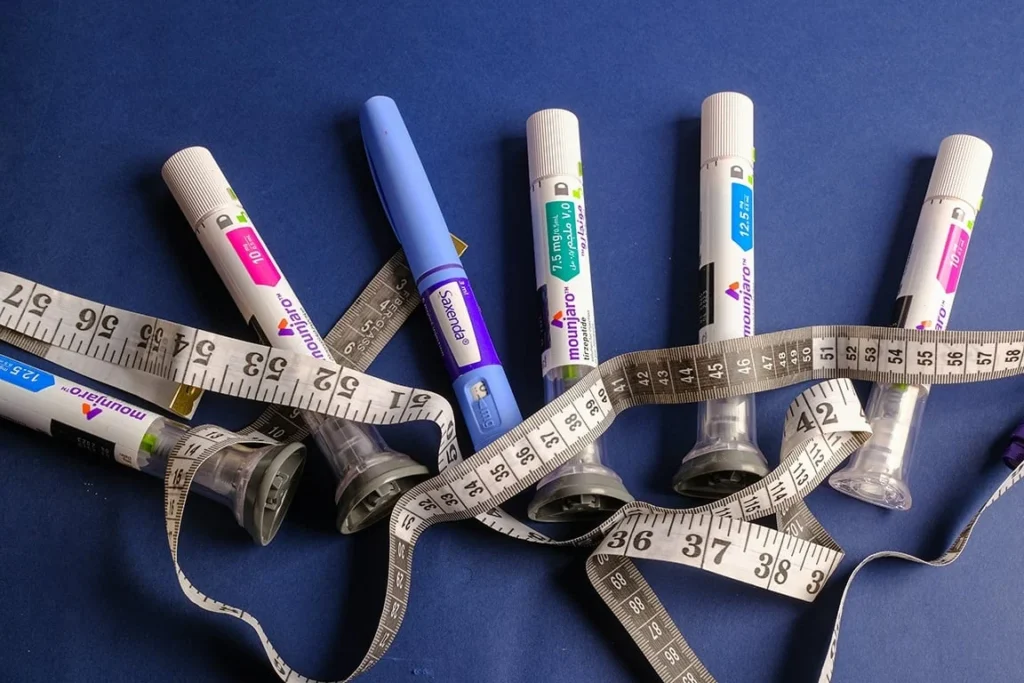
Clinical data suggests that approximately one-third of all patients with Cushing’s syndrome suffer from overt type 2 diabetes, while a significantly higher percentage experience impaired glucose tolerance. For these patients, managing blood sugar and weight is not merely a matter of lifestyle, but a critical component of survival. However, the pharmacological landscape for these patients has historically been fraught with caution. While GLP-1 receptor agonists—such as semaglutide, liraglutide, and dulaglutide—have revolutionized the treatment of obesity and diabetes in the general population, their safety in the context of Cushing’s syndrome remained an open question until now.
The Rationale for Oncological Concern
The primary hesitation among endocrinologists regarding the use of GLP-1 medications in Cushing’s patients was rooted in the baseline risk profile of the disease itself. Individuals with Cushing’s syndrome are already at a heightened risk for various malignancies. Chronic hypercortisolism is known to suppress the immune system’s natural surveillance mechanisms, potentially allowing early-stage tumors to progress undetected. Furthermore, the metabolic environment created by Cushing’s—high insulin levels and systemic inflammation—is inherently pro-carcinogenic.

When GLP-1 receptor agonists first entered the market, early animal studies and post-marketing reports raised questions about a potential link to specific cancers, most notably medullary thyroid carcinoma and pancreatic cancer. While subsequent large-scale meta-analyses in the general population have largely debunked these fears, the medical community remained cautious about applying those findings to "high-risk" populations like those with endogenous Cushing’s. The fear was that the drugs might act as a secondary catalyst for tumor growth in an already compromised biological environment.
Study Design and Methodology: Two Decades of Data
To address these concerns, an international team of researchers leveraged one of the world’s most robust medical repositories: Israel’s Clalit Health Services database. This database provides a comprehensive, longitudinal view of patient health, covering more than half of the Israeli population. The researchers identified a cohort of 609 patients diagnosed with endogenous Cushing’s syndrome between the years 2000 and 2023.
To maintain the integrity of the data, the study specifically focused on endogenous forms of the disease, excluding patients with ectopic ACTH secretion or adrenal carcinomas, as these conditions often carry an inherently different and more aggressive oncological trajectory. The average follow-up period for the participants was 14.7 years, a duration long enough to observe the slow development of most solid tumors and hematological malignancies.
The researchers employed a "time-varying" analytical framework. This is a sophisticated statistical method that accounts for the fact that patients do not start medications at the same time. By treating GLP-1 exposure as a variable that changes over time, the study avoided "immortal time bias," a common pitfall in observational studies where patients who live longer are more likely to be prescribed a drug, making the drug appear safer than it is.
Statistical Findings and Sensitivity Analyses
Of the 609 patients in the study, 137 (22.5%) were identified as having been prescribed and consistently using GLP-1 receptor agonists. Over the course of the 23-year observation window, the researchers recorded 116 incident cases of cancer and 141 deaths across the entire cohort.
Initially, the raw data suggested a crude hazard ratio of 1.65, which might have implied a 65% increase in risk. However, crude ratios are often misleading because they do not account for confounding factors such as age, smoking status, severity of diabetes, or duration of Cushing’s syndrome. Once the researchers adjusted for these health variables, the hazard ratio dropped to 1.22. In statistical terms, this result was non-significant, meaning the slight variance could be attributed to chance rather than the medication itself.
To further validate these findings, the investigators performed several secondary checks:
- The 12-Month Lag Period: Researchers applied a one-year lag from the start of the medication to the recording of a cancer diagnosis. This ensures that the study does not count "pre-existing" cancers that were present but undiagnosed when the patient started the drug.
- Remission Stratification: The team looked at whether the risk changed depending on whether the patient’s Cushing’s syndrome was in remission or still active. The results remained consistent across both groups, suggesting that the drug’s safety profile is stable regardless of the current hormonal state of the patient.
- Competing Risk of Mortality: Because Cushing’s patients have a higher-than-average mortality rate, the study used Fine-Gray sub-distribution hazard models to ensure that deaths from other causes (like cardiovascular disease) were not masking the potential for cancer development.
A Chronology of GLP-1 Evolution and Cushing’s Treatment
The study’s timeframe (2000–2023) mirrors the global evolution of GLP-1 therapy. In the early 2000s, treatment for Cushing’s-related diabetes was largely limited to insulin and older oral medications like metformin or sulfonylureas, which often contributed to further weight gain—a disastrous side effect for patients already struggling with "moon face" and truncal obesity.
- 2005: The FDA approved the first GLP-1 receptor agonist, exenatide. At this time, use in Cushing’s patients was rare and experimental.
- 2010–2017: The introduction of liraglutide and later semaglutide transformed the management of type 2 diabetes. During this period, clinicians began cautiously prescribing these drugs to Cushing’s patients off-label to manage refractory obesity.
- 2020–Present: As GLP-1s became a global phenomenon for weight loss, the need for definitive safety data in specialized populations became an urgent priority for the endocrine community.
This study effectively bridges the gap between the "cautionary era" of the early 2010s and the "therapeutic era" of the 2020s, providing the evidence-based foundation needed for modern clinical guidelines.
Clinical Implications and Expert Perspectives
The conclusion reached by the study authors is clear: GLP-1 receptor agonists do not appear to trigger or accelerate tumor development in patients with endogenous Cushing’s syndrome. This finding has immediate practical implications for endocrinologists.
"The study authors concluded that these findings supply vital evidence establishing the oncologic safety of GLP-1 receptor agonists within this specialized population," the report states. "As a result, endocrinologists can more confidently prescribe these highly effective metabolic tools to combat the severe diabetes and obesity that frequently impair the quality of life for Cushing’s syndrome patients."
Medical professionals have noted that for a Cushing’s patient, the "benefit-to-risk" ratio of GLP-1 therapy is heavily weighted toward benefit. The cardiovascular protection and weight reduction offered by these drugs may actually lower the overall mortality rate, even if the baseline cancer risk remains elevated due to the primary disease. By removing the "oncological shadow" that hung over these prescriptions, the study allows for a more holistic approach to patient care.
Broader Impact on the Endocrine Community
The implications of this research extend beyond Cushing’s syndrome. It serves as a template for investigating the safety of GLP-1s in other rare endocrine disorders where metabolic complications are prevalent but patient numbers are too small for traditional phase III clinical trials.
Furthermore, the study reinforces the reliability of real-world evidence (RWE). While randomized controlled trials (RCTs) remain the gold standard, they rarely include enough patients with rare diseases like Cushing’s to draw meaningful conclusions. This study demonstrates how high-quality, long-term registry data can provide answers that traditional trials cannot.
In the broader context of public health, the study adds another layer of evidence to the safety profile of GLP-1s. As these medications continue to be prescribed to tens of millions of people worldwide, understanding their impact on high-risk subgroups is essential for maintaining public trust and ensuring patient safety. For those living with the daily challenges of Cushing’s syndrome, the findings offer more than just data—they offer a path toward better metabolic health without the fear of compounding their existing medical burdens.