

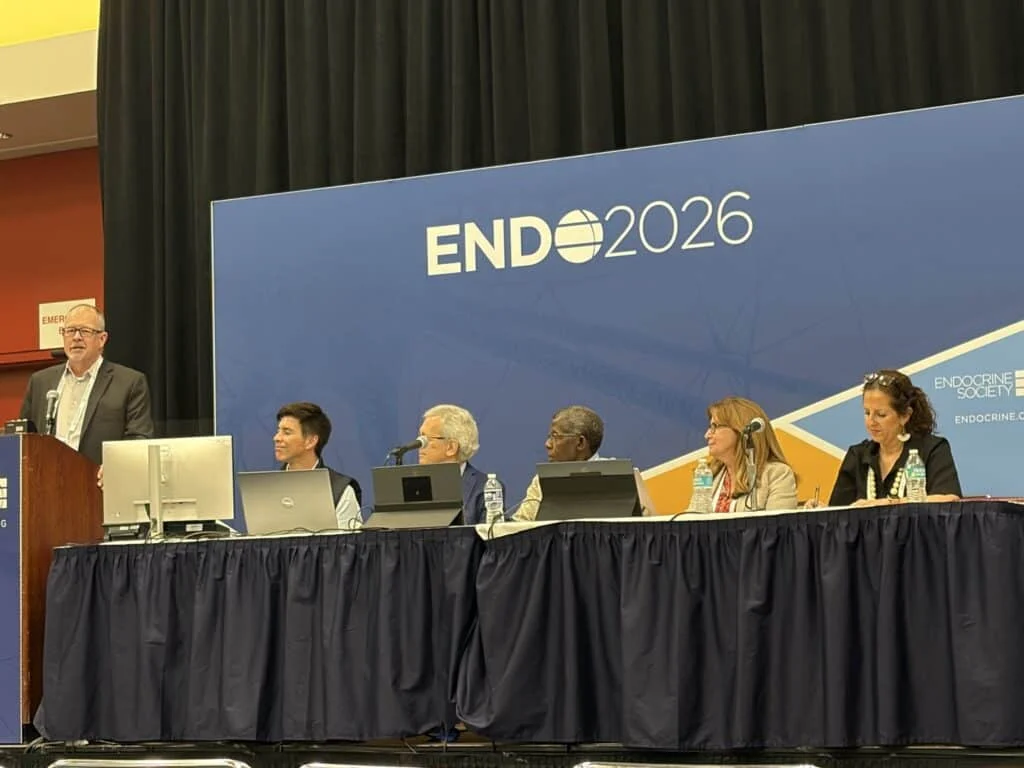
The National Institutes of Health (NIH) has officially announced a $21 million funding commitment to establish the Computational Modeling of Hormone Homeostasis Initiative, a landmark program designed to revolutionize how medical researchers understand the intricate interplay of human hormones. By prioritizing the development of advanced computer-based simulations, the initiative aims to bridge a long-standing gap in clinical research: the physiological differences between men and women that frequently dictate the success or failure of pharmaceutical interventions. This investment represents a significant shift toward precision medicine, focusing on the self-regulating processes of hormone homeostasis to predict how variations in sex-specific biology influence drug efficacy, toxicity, and overall patient outcomes.
The Challenge of Sex-Based Physiological Variations
For decades, the medical community has grappled with the "one-size-fits-all" approach to drug development, which historically relied heavily on male subjects in both animal studies and human clinical trials. This reliance has often resulted in a fundamental misunderstanding of how drugs interact with the female body. Hormone activity is not static; it is a dynamic, self-regulating system that varies significantly based on biological sex and changes across the human lifespan. These variations can lead to drastically different reactions to the same medication, including differences in how a drug is absorbed, metabolized, and excreted.
Current mathematical and animal models often fail to capture these nuances. For example, a dosage that is therapeutic for a man may be toxic for a woman, or a treatment that shows promise in male-centric animal models may prove ineffective in clinical settings involving women. The NIH’s new initiative seeks to rectify these discrepancies by leveraging human biological data to create sex-specific computational models. These models will simulate the complex feedback loops of the endocrine system, allowing researchers to observe how drugs interact with a body’s unique hormonal environment before a single pill is administered in a clinical trial.
A New Era of Computational Medicine: Digital Twins and AI
At the heart of the Computational Modeling of Hormone Homeostasis Initiative is the application of cutting-edge technology to biological questions. The program will support the development of several sophisticated modeling techniques, moving beyond traditional linear equations to embrace the complexity of human life.
One of the most promising technologies identified by the NIH is the development of "digital twins." In a medical context, a digital twin is a virtual replica of a biological system—in this case, the human hormonal system—that can be used to run simulations. By inputting specific data points from a patient or a demographic group, researchers can create a virtual environment to test how a specific therapeutic will behave. This allows for a level of personalization previously thought impossible in the early stages of drug development.
In addition to digital twins, the initiative will fund projects focusing on:
- Interactive Machine Learning: Systems that learn from new data inputs to refine their predictions of hormone-drug interactions.
- Multi-scale Models: Simulations that look at biological processes at various levels, from the cellular and molecular scale up to the entire organ system.
- AI-Enhanced Multi-scale Models: Using artificial intelligence to process vast datasets and identify patterns in hormone fluctuations that human researchers might overlook.
- Physics-Informed Models: These models incorporate the laws of physics to understand mechanical stress responses and tissue remodeling, particularly how hormones affect bone density and lung function.
The Role of Sex as a Biological Variable (SABV)
The initiative is a direct extension of the NIH’s commitment to Sex as a Biological Variable (SABV), a policy implemented in 2016 that requires researchers to consider sex as a fundamental factor in the design and analysis of NIH-funded research. Dr. Janine Clayton, the NIH Associate Director for Research on Women’s Health, has been a vocal advocate for this shift. She noted that accounting for SABV through a lifespan perspective holds the potential to streamline the testing of drugs and biologics, effectively accelerating the "bench-to-bedside" translation—the process of moving a discovery from a laboratory setting to a clinical application.
The importance of this perspective is underscored by the fact that sex hormones like estrogen, progesterone, and testosterone interact with systems far beyond the reproductive organs. They play critical roles in the immune system, cardiovascular health, and musculoskeletal integrity. Fluctuations during puberty, the menstrual cycle, pregnancy, and menopause can trigger systemic responses that alter how the body responds to external stressors and medical treatments. By modeling these life-course changes, the NIH aims to provide a roadmap for more informed clinical decisions.
Historical Context and the Need for Change
The push for sex-specific research is rooted in a history of medical inequality. It was not until the NIH Revitalization Act of 1993 that women and minorities were legally required to be included in NIH-funded clinical research. Despite this progress, the foundational "pre-clinical" research—the stage where drugs are tested on cells and animals—continued to favor male subjects to avoid the "complications" of hormonal cycles.
This exclusion has had real-world consequences. A study by the Government Accountability Office (GAO) found that of the ten drugs withdrawn from the U.S. market between 1997 and 2000 due to life-threatening side effects, eight posed greater health risks for women than for men. Many of these issues were related to dosage and the way women’s bodies metabolized the chemicals, a direct result of the lack of sex-specific modeling during the development phase. The $21 million investment in hormone homeostasis modeling is a strategic move to prevent such failures in the future.
Strategic Leadership and Program Goals
The initiative is led by high-ranking officials within the NIH who emphasize the necessity of individualization in modern medicine. Nicole Kleinstreuer, PhD, the NIH Deputy Director for Program Coordination, Planning, and Strategic Initiatives, highlighted that the gap in current models is a barrier to understanding sex-specific biology. She emphasized that by using human-based data to simulate hormone activity across the lifespan, the scientific community can significantly improve the evaluation of new treatments.
The program’s goals are multifaceted:
- Enhance Predictive Accuracy: To create models that can accurately predict drug toxicity and effectiveness based on hormonal profiles.
- Reduce Reliance on Animal Testing: By moving toward human-data-driven computational models, the scientific community can reduce the ethical and physiological hurdles associated with animal research.
- Optimize Dosing Regimens: To determine how drug dosages should be adjusted for women at different stages of life, such as during pregnancy or post-menopause.
- Accelerate Drug Discovery: To lower the costs and time associated with bringing new therapeutics to market by identifying potential failures earlier in the process.
Economic and Public Health Implications
The economic impact of this initiative could be substantial. The cost of developing a new drug and bringing it to market is estimated to be between $1 billion and $2.5 billion. A significant portion of this cost is lost when drugs fail in late-stage clinical trials due to unforeseen toxicity or lack of efficacy. If computational modeling can identify these issues in the simulation phase, the savings to the healthcare industry and the federal government could be immense.
Furthermore, the public health benefits of reducing adverse drug reactions (ADRs) cannot be overstated. ADRs are a leading cause of hospitalization and death in the United States. Since women are statistically more likely to experience ADRs than men, a more precise understanding of hormone homeostasis will lead to safer healthcare outcomes for more than half of the population.
Future Outlook and Research Trajectory
The funding for the Computational Modeling of Hormone Homeostasis Initiative is distributed through several specific awards, including OD042764, OD042817, and others. These awards will support interdisciplinary teams of biologists, computer scientists, and clinicians working together to build the next generation of medical simulations.
As the program moves forward, the NIH intends to make the findings and the developed models available to the broader scientific community. This open-science approach ensures that the $21 million investment catalyzes further innovation across the private and public sectors. By integrating the principles of SABV with the power of artificial intelligence and digital twins, the NIH is setting a new standard for how medical research is conducted in the 21st century.
The ultimate vision is a medical landscape where a patient’s hormonal profile is as fundamental to their treatment plan as their blood type or genetic markers. Through the Computational Modeling of Hormone Homeostasis Initiative, the NIH is not just funding research; it is building the infrastructure for a more equitable and effective healthcare system. This forward-looking program serves as a testament to the power of innovation in addressing long-standing biological mysteries and improving the lives of patients across the globe.
