








When embarking on a ketogenic diet, the body undergoes a profound metabolic transformation, shifting its primary energy source from carbohydrates to fats, a state known as ketosis. This fundamental dietary overhaul, while offering numerous potential benefits from weight management to enhanced cognitive function, can also introduce new nutritional considerations and challenges. While a meticulously planned whole-foods ketogenic diet can supply many necessary nutrients, certain dietary supplements, often referred to as keto vitamins or keto-enhancing options, can play a crucial role in bridging potential nutritional gaps, easing the transition into ketosis, sustaining energy levels, and supporting overall well-being. These supplemental aids are particularly valuable for individuals new to the diet, those with active lifestyles, or anyone struggling to consistently meet their nutrient targets through food alone, thereby contributing to the sustainability and effectiveness of a low-carb, high-fat eating plan.
The decision of whether to incorporate dietary supplements into a ketogenic regimen is highly individual, contingent upon lifestyle, specific health goals, and the quality of one’s dietary intake. For some, a general multivitamin might suffice to cover essential micronutrients like calcium, vitamin D, and vitamin A. However, the unique metabolic demands of ketosis often prompt a closer look at targeted supplements designed to support the body’s adaptation and optimize performance. The initial phase of transitioning to fat-burning can frequently manifest as the "keto flu," characterized by symptoms such as fatigue, muscle cramps, headaches, and brain fog. This cluster of symptoms is largely attributed to electrolyte imbalances and fluid shifts. Supplements such as electrolytes and medium-chain triglycerides (MCTs) are often recommended to mitigate these discomforts and help stabilize energy levels during this critical adjustment period. Beyond the initial phase, supplements continue to offer benefits for those with demanding physical routines who may lose electrolytes through sweat, individuals who find it challenging to source adequate vitamins and minerals from their food choices, or those seeking to bolster long-term metabolic and cardiovascular health. The judicious selection of appropriate supplements can therefore be instrumental in maintaining nutrient equilibrium, improving physical recovery, and fostering a sense of optimal health and vitality within a ketogenic framework.
Understanding the Metabolic Shift: Why Ketosis Creates Unique Needs
The ketogenic diet fundamentally alters the body’s biochemistry. By drastically reducing carbohydrate intake (typically below 50 grams per day), it forces the liver to convert fats into ketone bodies (beta-hydroxybutyrate, acetoacetate, and acetone), which then serve as an alternative fuel source for the brain and muscles. This metabolic state, while efficient, has several implications for nutrient requirements. Firstly, the diuretic effect of reduced insulin levels leads to increased excretion of water and electrolytes, necessitating diligent replenishment. Secondly, restricting entire food groups, even healthy ones, can inadvertently lead to deficiencies in certain vitamins and minerals if not carefully managed. For instance, fruits and some starchy vegetables, rich in potassium and magnesium, are largely excluded. Thirdly, the body’s heightened oxidative stress during adaptation, and the emphasis on fat intake, underscores the importance of antioxidants and healthy fat balance. It is within this context that specific supplements emerge as valuable tools to support the body’s intricate systems.

Essential Supplements for a Thriving Ketogenic Lifestyle
Navigating the vast landscape of dietary supplements requires discernment. For those committed to the ketogenic diet, several categories of supplements stand out for their direct impact on metabolic function, energy, and overall health.
1. Electrolytes: The Foundation of Keto Adaptation and Performance
Electrolytes are indispensable minerals, including sodium, potassium, magnesium, and calcium, that carry an electric charge when dissolved in body fluids. They are critical for a multitude of physiological processes, including nerve impulse transmission, muscle contraction, maintaining fluid balance, and regulating blood pressure. On a ketogenic diet, the body’s electrolyte balance is particularly vulnerable. The significant reduction in carbohydrate intake leads to lower insulin levels. Lower insulin signals the kidneys to excrete more sodium and, consequently, more water. This increased diuresis flushes out other essential electrolytes along with sodium. This rapid depletion is a primary cause of the "keto flu" symptoms, such as muscle cramps, fatigue, headaches, dizziness, and digestive disturbances.
Replenishing these vital minerals is paramount. While certain keto-friendly foods like avocados, leafy greens (spinach, kale), nuts, seeds, and fatty fish (salmon) provide electrolytes, many individuals find it challenging to consume sufficient quantities to counteract the increased loss. Supplemental electrolytes can effectively prevent or alleviate keto flu symptoms and support proper hydration and recovery, especially for active individuals who lose additional electrolytes through sweat. General recommendations for daily intake on a ketogenic diet often exceed standard dietary reference intakes, with some experts suggesting around 3,000-5,000 mg of sodium, 1,000-3,500 mg of potassium, and 300-500 mg of magnesium. For example, the recommended daily amount of potassium for adult males is 3,400 mg and 2,600 mg for adult females, while the upper recommended limit for sodium is 2,300 mg per day, though ketogenic dieters may require more under medical guidance. It is crucial, however, for individuals with pre-existing conditions like kidney disease or high blood pressure to consult their healthcare provider before significantly increasing electrolyte intake, as excessive levels of certain minerals can pose health risks. High-quality electrolyte supplements are typically formulated with a balanced ratio of these key minerals, often in bioavailable forms to maximize absorption.
2. Medium-Chain Triglycerides (MCT Oil & Powder): Rapid Ketone Fuel
Medium-chain triglycerides (MCTs) are a unique class of saturated fatty acids that possess distinct metabolic advantages. Unlike long-chain triglycerides (LCTs) found in most dietary fats, MCTs are absorbed directly from the gut to the liver, bypassing the lymphatic system. In the liver, they are rapidly converted into ketone bodies, providing an immediate and efficient source of energy for the brain and muscles. This swift conversion makes MCTs a powerful tool for quickly elevating blood ketone levels, thereby boosting energy and mental clarity.
Commonly sourced from coconut oil, MCT supplements typically contain a concentrated blend of caprylic acid (C8) and capric acid (C10), which are the most ketogenic MCTs. Caprylic acid (C8) is particularly prized for its efficiency in ketone production. Many individuals incorporate MCT oil or powder into their morning coffee (a popular "bulletproof coffee" staple), smoothies, or shakes to enhance ketone production, provide sustained energy, and help control appetite. MCT powder offers a digestive advantage over MCT oil, often being gentler on the stomach and mixing more readily into various beverages, both hot and cold. However, it is advisable to start with a small dose, such as one teaspoon per day, and gradually increase to avoid potential gastrointestinal upset. Studies have shown that MCT consumption can lead to acute increases in blood ketone concentrations, supporting the body’s adaptation to fat metabolism and enhancing exercise performance and cognitive function. When choosing an MCT supplement, look for products derived from pure coconuts, free from added sugars, artificial ingredients, or unnecessary fillers to ensure maximal benefit and avoid disrupting ketosis.
3. Exogenous Ketones: Accelerating the Ketogenic State
While endogenous ketones are naturally produced by the liver during periods of carbohydrate restriction or fasting, exogenous ketones are supplemental forms of ketone bodies consumed orally. These typically come as beta-hydroxybutyrate (BHB) salts (bound to minerals like sodium, potassium, or magnesium) or BHB esters (a more potent, un-bound form). Upon ingestion, exogenous ketones directly raise blood ketone levels, offering a rapid pathway to a state of ketosis without requiring strict dietary adherence beforehand.
The primary applications of exogenous ketones include alleviating the symptoms of "keto flu" during the initial transition, providing a quick energy boost before physical or mental exertion, and potentially aiding in appetite suppression. Research suggests that exogenous ketones can temporarily reduce ghrelin, the hunger hormone, which may support calorie control. However, it’s crucial to understand that exogenous ketones are not a magic bullet for fat loss. While they elevate blood ketone levels, they do not inherently accelerate the body’s own fat-burning processes to the same extent as sustained dietary ketosis. They are best viewed as a tool to facilitate the journey or enhance specific aspects of the keto lifestyle. Doses typically range from 6-12 grams of BHB salts or 20-25 grams of BHB esters in controlled trials, demonstrating safety and efficacy in raising blood ketone concentrations. As with all supplements, selecting products free from unnecessary fillers, binders, or hidden carbohydrates is essential to maintain the integrity of the ketogenic diet.
4. Collagen Peptides: Structural Support for Skin, Joints, and Gut
Collagen, the most abundant protein in the human body, acts as the primary structural component of connective tissues, including skin, hair, nails, bones, joints, and the gut lining. Despite its critical role, modern diets often fall short in providing adequate collagen, even with the inclusion of collagen-rich foods like bone broth and quality meats. A ketogenic diet, while emphasizing protein, may still benefit from targeted collagen supplementation.
Grass-fed collagen peptides, typically hydrolyzed for enhanced bioavailability, provide a rich source of specific amino acids (glycine, proline, hydroxyproline) that are crucial for collagen synthesis in the body. Supplementing with collagen can help maintain joint comfort, support muscle health and recovery, and promote the integrity of connective tissues throughout the body. Furthermore, collagen’s role in gut health, by helping to repair and strengthen the intestinal lining, is particularly relevant for overall wellness. Studies have indicated collagen’s potential in reducing inflammation and aiding in cellular repair. Many keto-friendly collagen supplements also integrate MCTs, creating a synergistic effect that supports both structural health and metabolic energy, all while keeping blood sugar impact minimal and aligning with ketogenic goals. The tasteless nature of collagen peptides makes them easy to incorporate into beverages, smoothies, or even recipes, providing a versatile protein source that supports the body from the inside out.
5. Omega-3 Fatty Acids (Fish or Krill Oil): Balancing Fats for Optimal Health
Omega-3 fatty acids, particularly eicosapentaenoic acid (EPA) and docosahexaenoic acid (DHA), are polyunsaturated fats recognized for their profound benefits to cardiovascular, neurological, and metabolic health. These essential fatty acids cannot be produced by the body and must be obtained through diet or supplementation. On a ketogenic diet, which often involves a higher intake of fats, maintaining a healthy balance between omega-3 and omega-6 fatty acids becomes even more critical. Many modern diets, and even some ketogenic approaches if not carefully curated, can be skewed towards a higher intake of omega-6s (found in nuts, seeds, and certain vegetable oils), leading to an imbalanced ratio that can promote inflammation.
A favorable omega-3 to omega-6 ratio is vital for supporting healthy cholesterol levels, reducing systemic inflammation, and ensuring smooth metabolic function. While fatty fish like salmon, sardines, mackerel, and anchovies are excellent dietary sources of EPA and DHA, consistent consumption can be challenging for some. Omega-3 supplements, derived from fish oil or krill oil, offer a convenient way to ensure adequate intake. Krill oil, in particular, contains the powerful antioxidant astaxanthin, which not only protects the omega-3s from oxidation but may also enhance their absorption. For general health, a daily intake of 250-500 mg of combined EPA and DHA is often recommended, with higher doses (1,000-3,000 mg per day) potentially offering additional benefits for individuals focused on heart disease risk reduction or metabolic syndrome management.
6. Protein Powders: Muscle Preservation and Satiety
Maintaining adequate protein intake is crucial on a ketogenic diet for preserving lean muscle mass, facilitating recovery after exercise, and promoting satiety. While the ketogenic diet is high in fat, it is a moderate protein diet, meaning protein intake should be sufficient but not excessive, as too much protein can be converted to glucose (gluconeogenesis), potentially disrupting ketosis. For individuals engaged in resistance training or those struggling to meet their protein targets through whole foods alone, protein powders offer a convenient and efficient solution.
Keto-friendly protein supplements include whey protein isolate (known for its rapid digestion and excellent amino acid profile, ideal for post-workout recovery), collagen peptides (as discussed, offering unique benefits for connective tissue), and various plant-based powders (pea, hemp, rice protein) for those with dietary restrictions or preferences. Combining different protein sources can ensure a complete amino acid profile. Experts generally recommend a daily protein target range of 1.2-2.0 grams per kilogram of body weight, depending on activity level and goals. For optimal recovery, aiming for 20-40 grams of protein within one to two hours after exercise is often advised. When selecting a protein powder, prioritizing low-carb, unsweetened formulas devoid of fillers or added sugars is paramount to maintaining ketosis.
7. Nootropic Blends: Enhancing Cognitive Performance
One of the frequently reported benefits of the ketogenic diet is enhanced mental clarity, focus, and sustained energy, often dubbed "keto clarity." This cognitive boost is thought to stem from a more stable energy supply to the brain via ketones, along with potential anti-inflammatory effects. For those seeking to further optimize their cognitive function, nootropic blends, often referred to as "smart drugs," can be an intriguing addition.
Nootropics are substances that may improve cognitive functions such as memory, creativity, motivation, and focus. Common ingredients found in keto-friendly nootropic blends include L-theanine (an amino acid found in green tea, known for promoting calm focus), ginkgo biloba (traditionally used to support blood flow to the brain), DHA (a key omega-3 fatty acid for brain health), and MCTs (for direct brain fuel). Studies suggest that certain combinations of these ingredients may indeed contribute to improved cognitive function and cerebral blood flow. However, it is important to note that while research on individual nootropic compounds is promising, the evidence for complex nootropic blends is still evolving and can vary significantly from person to person. As with any supplement affecting brain function, individual responses can differ, and a cautious approach is warranted. When considering a nootropic, look for blends that align with ketogenic principles, often integrating exogenous ketones or MCTs to complement the diet’s inherent cognitive benefits.
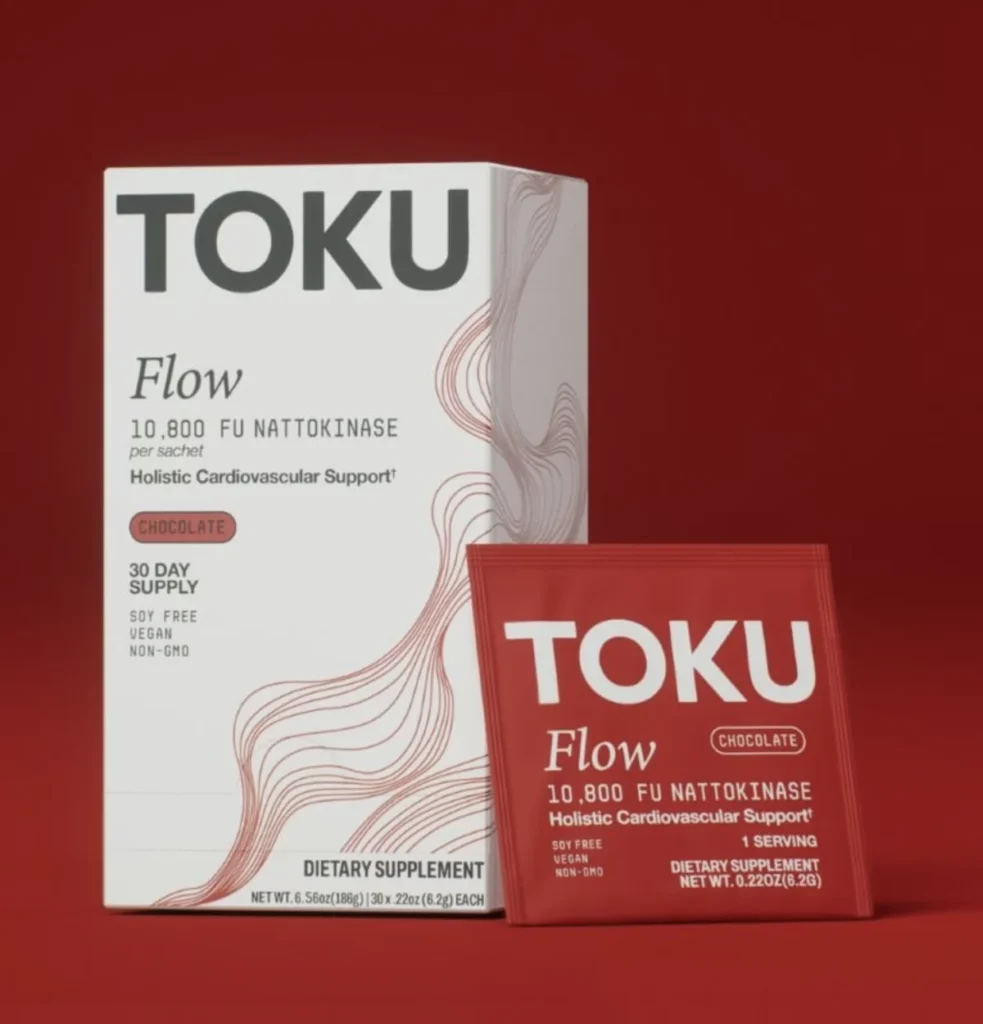
8. Nattokinase (e.g., Toku Flow): Supporting Cardiovascular Health
While not traditionally categorized as a direct "keto supplement," supporting healthy circulation and cardiovascular function is universally beneficial, and perhaps even more so for those adopting a higher-fat diet. The body’s ability to efficiently transport nutrients, manage inflammation, and clear metabolic waste is fundamental to long-term health, irrespective of dietary approach.
Nattokinase, a potent enzyme derived from natto, a traditional Japanese fermented soybean dish, has garnered significant attention for its potential cardiovascular benefits. This enzyme is believed to support healthy blood flow by assisting in the breakdown of fibrin, a protein involved in blood clot formation, and by supporting healthy blood pressure. A comprehensive 12-month clinical study involving over 1,000 participants illustrated remarkable outcomes with a daily dose of 10,800 FU (fibrinolytic units) of nattokinase combined with 180 mcg of Vitamin K2. The study reported a 39.1% improvement in coronary plaque health, a 25% increase in carotid artery flexibility, and reductions in total cholesterol and triglycerides. This research highlights the importance of adequate dosage, as many commercially available nattokinase supplements offer only 2,000 FU per serving, potentially falling short of clinically effective levels. Integrating a high-potency nattokinase supplement into a ketogenic lifestyle can be a proactive step towards long-term cardiovascular wellness, ensuring that the heart, muscles, and organs receive optimal nutrient delivery and waste clearance. It can be conveniently stirred into various beverages, hot or cold, morning or night, making it an easy addition to a daily routine.
Selecting Safe and Effective Keto Supplements
Given the relatively unregulated nature of the dietary supplement industry by agencies like the Food and Drug Administration (FDA), consumers must exercise diligence and critical judgment when selecting products. Prioritizing safety, quality, and efficacy is paramount.
When choosing supplements for a ketogenic lifestyle, look for products that demonstrate:
- Third-Party Testing and Certifications: Independent laboratories verify the purity, potency, and absence of contaminants (heavy metals, pesticides, undeclared ingredients). Certifications like NSF Certified for Sport, Informed-Sport, or USP Verified provide an extra layer of assurance.
- Transparent Labeling: A clear and comprehensive list of all ingredients, including active compounds and any inactive fillers, binders, or artificial additives. Avoid proprietary blends where individual ingredient amounts are not disclosed.
- Good Manufacturing Practices (GMP) Certified Facilities: This indicates that the supplement is produced in a facility that adheres to strict quality control standards.
- No Hidden Carbs or Sugars: Crucial for maintaining ketosis, ensure products are free from maltodextrin, dextrose, corn syrup solids, or other high-carb sweeteners. Natural sweeteners like stevia or monk fruit are generally acceptable.
- Reputable Brands: Choose brands with a history of quality, positive customer reviews, and clear contact information for consumer inquiries.
- Bioavailability: Consider the form of the nutrient (e.g., magnesium citrate vs. magnesium oxide) as it impacts how well the body can absorb and utilize it.
Safety Considerations and Expert Recommendations
Even "natural" supplements can have potential side effects or interact with medications. A prudent approach to supplementation includes several key considerations:
- Consult a Healthcare Professional: Always consult your physician, a registered dietitian, or a qualified nutritionist before starting any new supplement regimen, especially if you have pre-existing health conditions (e.g., kidney disease, high blood pressure, diabetes) or are taking prescription medications. They can assess potential interactions and guide appropriate dosages.
- Adhere to Recommended Dosages: Do not exceed the suggested serving size. Higher doses do not necessarily equate to better results and can increase the risk of adverse effects. For example, excessive MCTs can cause digestive upset, while electrolyte imbalances can lead to nausea, fatigue, or headaches.
- Monitor for Side Effects: Pay close attention to how your body responds to new supplements. Discontinue use if you experience any adverse reactions and consult a healthcare provider.
- Supplements are Complementary, Not Substitutes: Supplements are intended to complement a healthy diet and lifestyle, not replace them. A nutrient-dense, whole-foods ketogenic diet, coupled with regular exercise, adequate sleep, and stress management, remains the cornerstone of health.
- Individual Variability: Responses to supplements can vary widely among individuals due to genetics, metabolism, and other factors. What works well for one person may not work for another.
Broader Implications and the Future of Keto Supplementation
The rise of the ketogenic diet has significantly impacted the dietary supplement market, leading to an explosion of "keto-friendly" products. This trend underscores a broader societal interest in personalized nutrition and performance optimization. For many, supplements represent a tangible way to navigate the complexities of specific dietary protocols, address perceived deficiencies, and enhance desired outcomes. The ongoing research into the mechanisms of ketosis and the efficacy of various compounds continues to refine recommendations and product formulations. As our understanding evolves, the integration of supplements into the ketogenic lifestyle will likely become even more targeted, focusing on specific genetic predispositions, activity levels, and individual health markers. This shift necessitates a well-informed consumer base that can critically evaluate product claims and prioritize science-backed solutions over fleeting trends.
Conclusion
The ketogenic diet, a powerful metabolic intervention, can bring about significant health transformations. While a well-formulated whole-foods approach is foundational, strategic supplementation can play a vital role in optimizing the experience, particularly during the initial adaptation phase and for long-term maintenance. Essential supplements like electrolytes help mitigate the "keto flu" and maintain hydration. MCT oil and exogenous ketones offer efficient fuel and can accelerate the transition into ketosis. Collagen supports structural integrity, while omega-3s balance fat intake for cardiovascular health. Protein powders ensure adequate muscle support and satiety, and nootropics may enhance cognitive function. Furthermore, supplements like nattokinase can proactively support broader physiological systems, such as cardiovascular health, which is crucial for overall vitality on any dietary path.
Ultimately, the best keto supplements act as powerful allies, enabling individuals to achieve and sustain ketosis more comfortably and effectively. However, their efficacy is maximized when integrated into a holistic lifestyle that includes a nutrient-dense diet, consistent exercise, adequate sleep, and mindful living. For those who have mastered their fundamental dietary and exercise habits, incorporating targeted supplements can simplify the ketogenic journey, enhance performance, provide steady energy, and promote a deeper sense of well-being. Exploring options such as foundational electrolyte blends, high-quality MCT oil or powder, and clean protein sources can be instrumental in supporting individual health goals within the dynamic framework of a ketogenic lifestyle. Always remember to consult with a healthcare professional to ensure that any supplement regimen is safe, appropriate, and aligned with your unique health profile.