


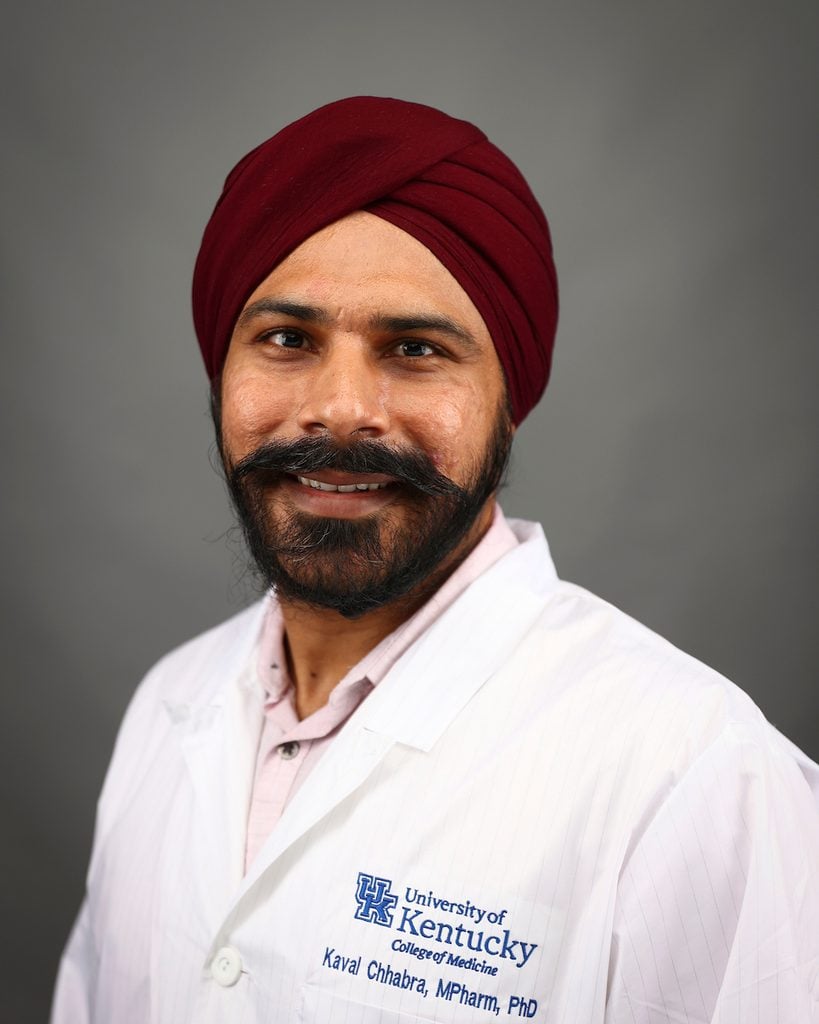
The landscape of high-stakes biomedical research is often defined by its breakthroughs, yet the underlying reality for many investigators is a persistent cycle of trial, error, and professional setbacks. At the ENDO 2026 conference in Chicago, a premier international gathering for endocrine research and clinical practice, this often-ignored aspect of the scientific career took center stage. Among the most discussed offerings in the Professional Development tract was a session titled "Reframing Failure," which sought to dismantle the stigma surrounding professional challenges and provide a blueprint for regaining momentum. Leading this conversation was Kavaljit Chhabra, MPharm, PhD, an associate professor at the University of Kentucky, whose personal and professional journey serves as a case study in the necessity of resilience within the laboratory environment.
Dr. Chhabra, a member of the Barnstable Brown Diabetes Research Center, presented a nuanced view of failure that extended beyond the bench. While the scientific community is accustomed to hypotheses that do not bear fruit, Chhabra highlighted a more insidious form of failure: the breakdown of leadership and management systems. As the head of a lab studying the intricate coordination between the brain and kidneys in maintaining blood glucose stability, Chhabra’s insights reflect the dual burden of the modern Principal Investigator (PI)—managing complex biological data while simultaneously navigating the complexities of human behavior and institutional dynamics.
The Chronology of a Scientific Career: From Gujarat to Kentucky
Dr. Chhabra’s career trajectory illustrates the "winding path" common to many leaders in specialized research. His foundational training began in India, where he earned both a Bachelor and Master of Pharmacy at Gujarat University. This pharmacological background provided a transition into the more specialized field of neuroscience upon his arrival in the United States. He completed his doctoral work at the LSU Health Sciences Center in New Orleans under the mentorship of Eric Lazartigues, focusing on the physiological mechanisms of health and disease.

Following his PhD, Chhabra moved to the University of Michigan for postdoctoral training with Malcolm Low. It was during this period that his research focus solidified around the brain’s control of glucose homeostasis, a critical area for understanding the pathophysiology of diabetes. In 2018, Chhabra transitioned to an independent academic role, establishing his own laboratory at the University of Rochester. His most recent move occurred in 2024, when he joined the faculty at the University of Kentucky. This timeline reflects a steady progression through the ranks of American academia, yet Chhabra admits that the transition from trainee to PI revealed significant gaps in traditional scientific education—specifically in the realm of people management and conflict resolution.
Advancing Glucose Signaling: The Science of ADGRL1
To understand the stakes of Chhabra’s laboratory management, one must look at the significance of his scientific contributions. The Chhabra Lab operates at the intersection of neuroscience and nephrology, investigating how the brain and kidney coordinate to stabilize blood glucose levels. While much of the existing literature in endocrinology focuses on glucose metabolism—the process by which the body breaks down and uses sugar—Chhabra’s team is pioneering the study of glucose signaling.
A cornerstone of their recent work is the identification of ADGRL1 as a glucose-binding receptor. This discovery is particularly significant because it identifies a specific molecular target that was previously unrecognized in the context of metabolic regulation. By understanding how ADGRL1 functions, researchers may be able to develop a new class of pharmacological agents to treat Type 2 diabetes and obesity. The high-stakes nature of this research, which involves potential drug targets for global health crises, underscores why laboratory efficiency and leadership are paramount. A management failure in such a high-impact environment does not merely affect a single paper; it can delay the development of life-saving therapeutics.
The Anatomy of Laboratory Failure: Beyond the Bench
During the "Reframing Failure" session at ENDO 2026, Chhabra argued that the most damaging failures in a research career are often "preventable losses of time, resources, or trust." He categorized these not as scientific errors, but as errors in judgment and leadership. Drawing from his own experience as a PI, he identified six critical areas where early-career researchers often falter:
- The Inability to Say No: In an effort to be supportive, many mentors approve flawed experimental designs brought forward by trainees. Chhabra noted that saying "let’s try it" to avoid immediate disappointment often leads to months of wasted effort and deeper frustration for the trainee when the experiment inevitably fails for predictable reasons.
- The "Yes" Trap: PIs are frequently bombarded with requests for collaborations, committee service, and peer reviews. Without a strict filter, these obligations can accumulate until the PI is managing other people’s priorities at the expense of their own lab’s mission.
- Passive Oversight: Assuming that capable staff will naturally maintain project momentum without structured check-ins often leads to "project drift." Chhabra emphasized that trust should not be a substitute for verification and clear communication.
- Conflict Avoidance: In the data-driven world of science, interpersonal confrontation is often avoided. However, small miscommunications can escalate into damaged professional relationships if not addressed early.
- Performance Inflation: Providing uniformly positive evaluations to underperforming staff in hopes of building their confidence often backfires. It removes the PI’s ability to advocate for necessary changes and leaves the trainee without a clear path for improvement.
- The Isolation Myth: Many new PIs believe they must handle all internal lab difficulties alone to prove their leadership. This isolation often prolongs periods of dysfunction that could be resolved through institutional support.
Data and Institutional Dynamics: The "Upward Difficulty" Phenomenon
One of the most striking revelations from the ENDO 2026 session involved the directionality of workplace challenges. While academic discourse frequently focuses on the power imbalance between PIs and trainees—often highlighting "downward" toxicity—Chhabra and his colleagues addressed the less-discussed issue of "upward" difficulty. Early-career supervisors often encounter challenging behaviors from staff or trainees, yet they feel a professional stigma against reporting these issues to HR or department chairs.
Statistically, the retention of early-career faculty in the biological sciences is a growing concern for institutions like the National Institutes of Health (NIH). According to recent workforce data, the transition from postdoctoral researcher to independent investigator is one of the most volatile periods in a scientist’s career. Management failures contribute significantly to "burnout" and the shuttering of labs. By encouraging PIs to utilize institutional resources—such as the ombuds office or formal HR partners—the ENDO 2026 panel advocated for a systemic approach to lab stability.
Broader Implications for the Scientific Community
The "Reframing Failure" session signals a broader cultural shift within the Endocrine Society and the scientific community at large. There is an increasing recognition that the "lone genius" model of research is obsolete. Modern science is a team-based endeavor that requires PIs to be as proficient in human resources and emotional intelligence as they are in CRISPR or mass spectrometry.
Dr. Chhabra’s definition of failure as a "lesson with a cost" provides a pragmatic framework for the next generation of researchers. By managing risk at the "portfolio level"—balancing high-risk, high-reward projects with more incremental, stable research—investigators can insulate their careers against the inherent uncertainty of biological discovery. Furthermore, Chhabra’s insistence that "truthful feedback is a gift" challenges the prevailing academic culture of "empty encouragement," suggesting that clarity and accountability are the truest forms of mentorship.
Conclusion: The Most Important Experiment
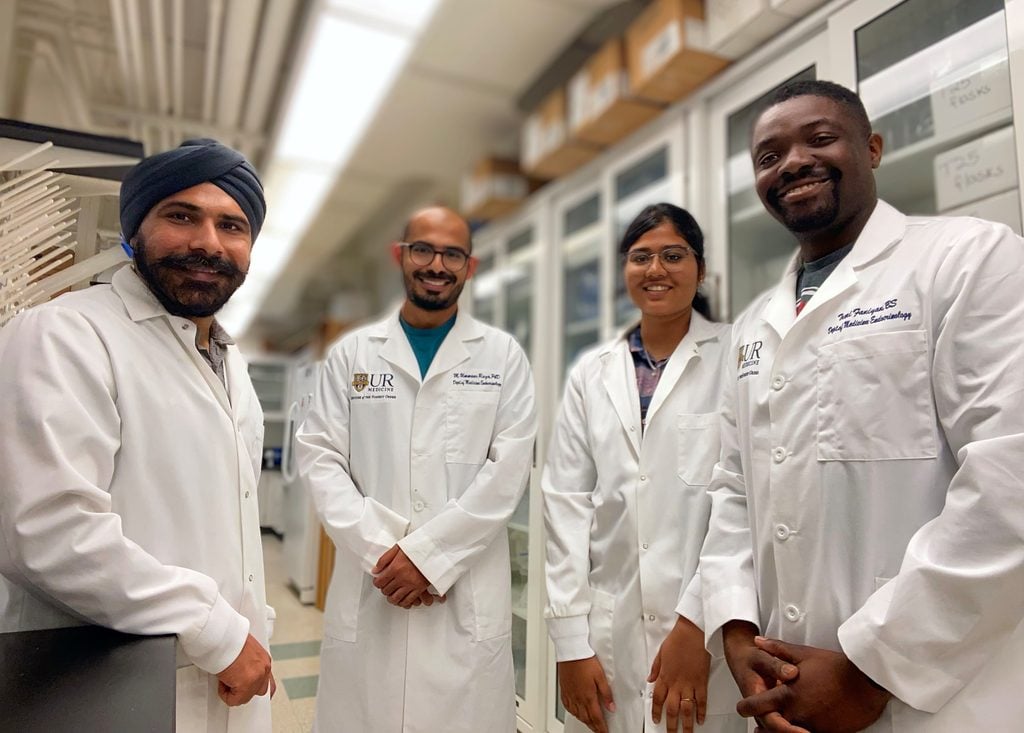
As the session concluded, Chhabra reflected on the evolution of his own approach to science. He noted that the most significant "experiment" of his career was not found in a laboratory notebook, but in the iterative process of refining his leadership style. The transition from protecting people from discomfort to providing them with clear, honest direction has fundamentally changed the trajectory of his research group at the University of Kentucky.
The insights shared at ENDO 2026 suggest that the future of endocrinology research depends not only on molecular discoveries like ADGRL1 but also on the professional maturity of the individuals leading these labs. As Dr. Maria Andrea Camilletti, incoming chair of the Professional Development and Early-Career Special Interest Group, noted, the conversation started by Chhabra is essential for building a more resilient and effective scientific workforce. By treating leadership mistakes as variables to be analyzed rather than secrets to be hidden, the research community can ensure that the "lab mojo" is not just found, but sustained.
