

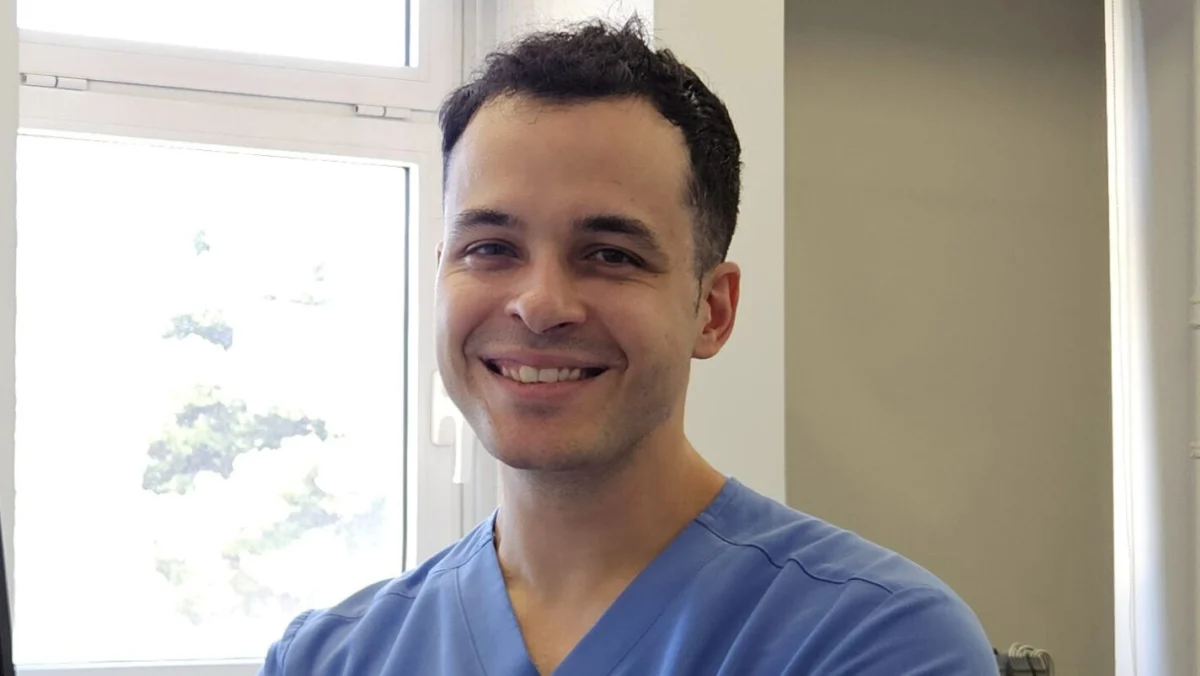
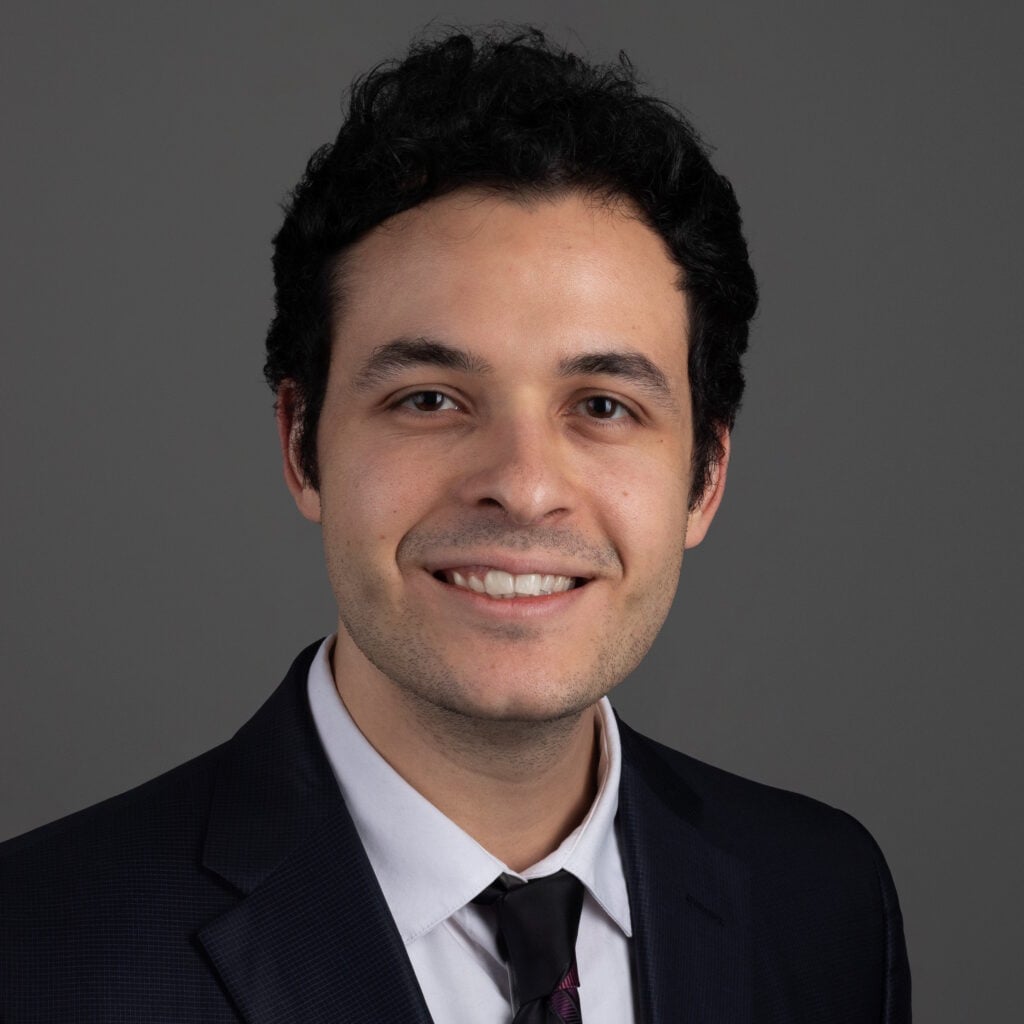
The annual ENDO 2026 meeting, the flagship conference of the Endocrine Society, recently showcased the next generation of scientific leadership through its highly anticipated Rising Star Power Talks. This signature event provides a high-visibility platform for 15 early-career and in-training members to present groundbreaking research to an audience of global experts, peers, and industry leaders. Among the standout presenters this year was Konstantinos Stefanakis, MD, PhD (candidate), a cardiology and postdoctoral research fellow at Harvard Medical School and Beth Israel Deaconess Medical Center. Stefanakis was awarded the Audience’s Choice honor for his innovative work in identifying blood-based biomarkers for metabolic dysfunction-associated steatotic liver disease (MASLD) and its more severe form, steatohepatitis (MASH).
The Rising Star Power Talks serve as a critical bridge between academic rigor and professional visibility. By utilizing a "blitz-style" research communication format, the session challenges young investigators to distill complex scientific data into concise, impactful narratives. This year’s session was underscored by a shift in the judging panel, which for the first time included representatives from major pharmaceutical and biotech partners, signaling a growing emphasis on the translation of laboratory findings into clinical and commercial applications.
A New Era of Diagnostic Precision in Metabolic Health
The research presented by Konstantinos Stefanakis addresses one of the most pressing challenges in modern hepatology and endocrinology: the non-invasive diagnosis of MASH. Traditionally, the gold standard for diagnosing liver inflammation and fibrosis has been the liver biopsy. However, biopsies are invasive, carry risks of complications such as bleeding, and are subject to sampling errors. Furthermore, the sheer scale of the MASLD epidemic—which affects an estimated 25% to 30% of the global population—makes universal biopsy screening logistically and economically unfeasible.
Working within the Mantzoros Laboratory at Harvard Medical School, Stefanakis and his team utilized advanced blood-based omics to explore the circulating proteome of patients with biopsy-characterized MASLD and MASH. By analyzing thousands of proteins in serum and plasma, the research aimed to identify specific biological signatures that reflect the activity of the disease. The goal is to develop a non-invasive test (NIT) that can accurately determine which patients are at high risk for progressive liver disease, cirrhosis, or hepatocellular carcinoma.
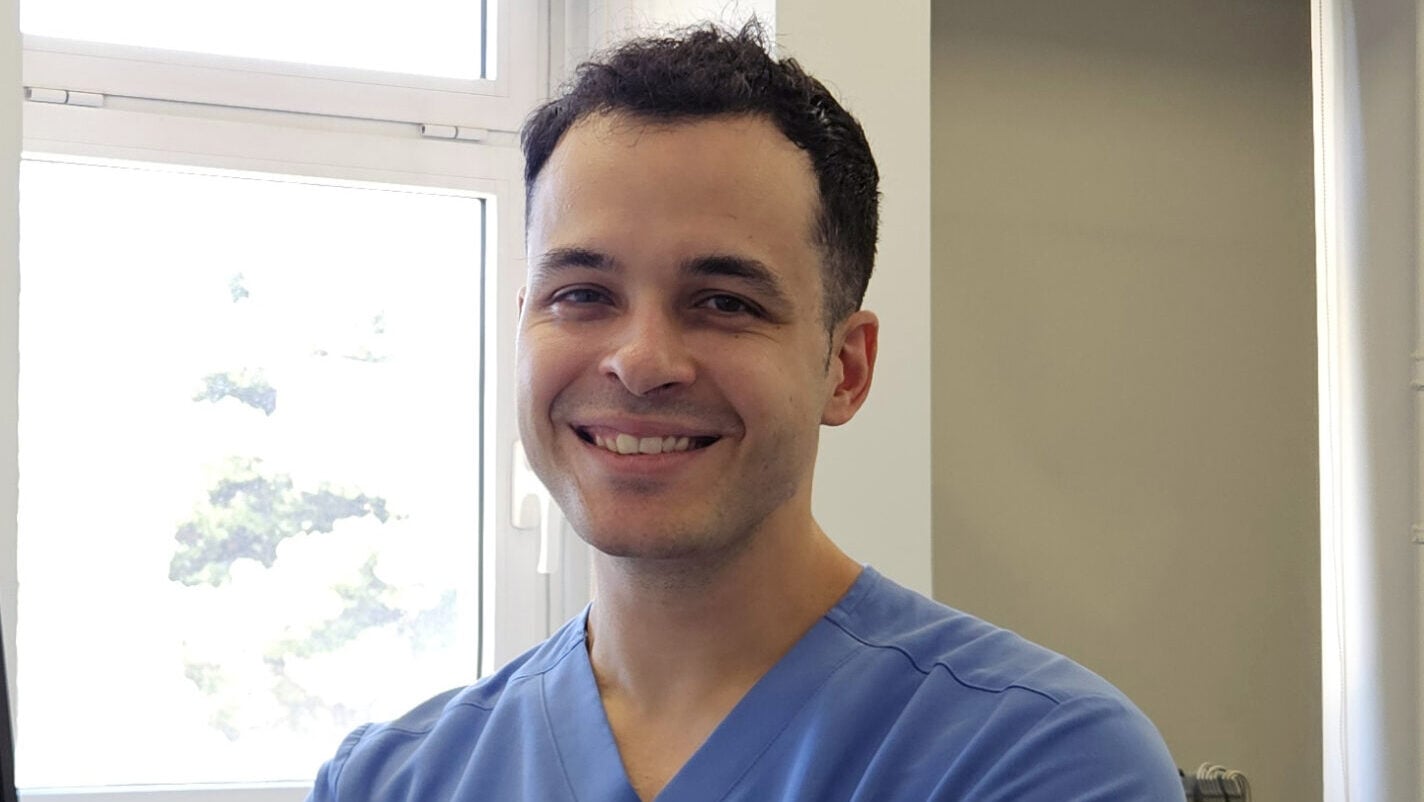
The clinical implications of this work are significant. With the recent FDA approval of the first targeted therapies for MASH, such as resmetirom, there is an urgent need for diagnostic tools that can identify "at-risk" patients—those with moderate to advanced fibrosis—who would benefit most from these treatments. Stefanakis’s research suggests that proteomics could provide the "missing biological layer" to existing non-invasive tests, allowing for more precise patient stratification and monitoring.
The Chronology of the Rising Star Power Talks
The selection process for the Rising Star Power Talks begins months before the ENDO conference, with hundreds of early-career investigators submitting abstracts. Only 15 are chosen to participate in the live competition. The session itself is structured to maximize engagement, with each presenter given a strictly timed window to deliver their findings.
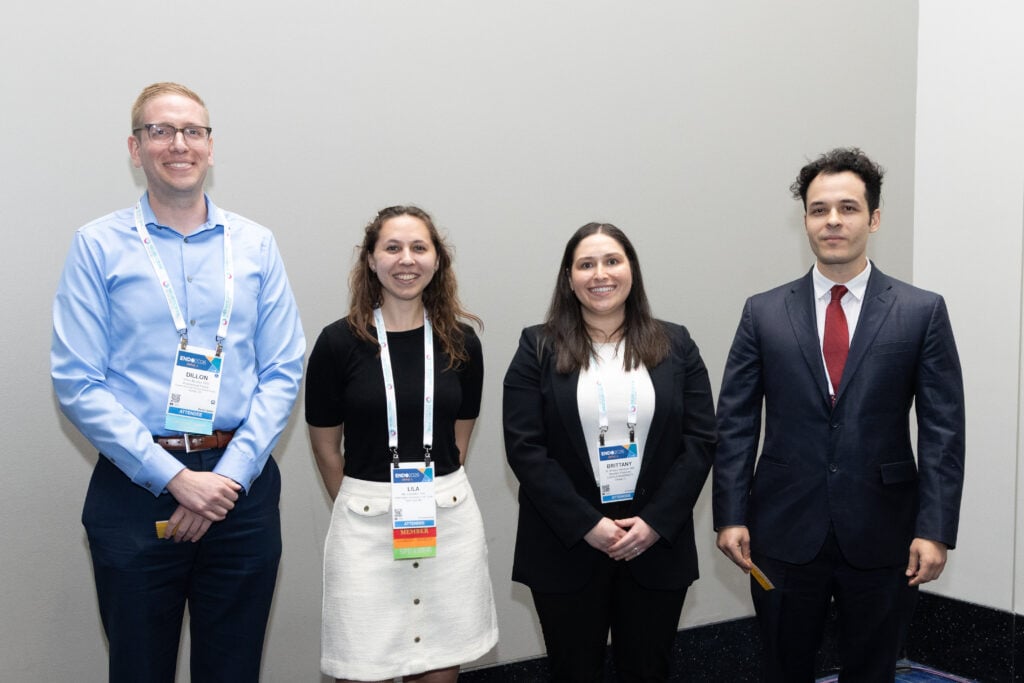
The 2026 winners reflected a diverse range of scientific inquiry:
- Basic Science: Lila Dabill, a PhD student at Washington University in St. Louis, was recognized for her fundamental research into endocrine pathways.
- Clinical Science: Brittany Weisbrot, an internal medicine resident at Loyola University Medical Center, took top honors for research with direct patient-care applications.
- Translational Science: Dillon Boulton, PhD, a postdoctoral fellow at the University of Colorado Anschutz Medical Campus, was awarded for work bridging the gap between the lab and the clinic.
- Audience’s Choice: Konstantinos Stefanakis, MD, PhD (candidate), secured the popular vote for his presentation on proteomic signatures in liver disease.
The inclusion of guest judges from industry partners—including Crinetics, Argenx, and Abbvie—marked a strategic evolution for the event. According to TCDCC co-chair Christine Krieger, PhD, a science program manager at the National Institutes of Diabetes and Digestive and Kidney Diseases (NIDDK), the presence of these partners provided a "fresh perspective" on how academic research can meet the needs of drug development and therapeutic innovation.
Mentorship and the Endocrine Society Pipeline
A recurring theme throughout the Rising Star session was the pivotal role of mentorship in shaping the careers of physician-scientists. Stefanakis highlighted the influence of Dr. Christos Mantzoros, a renowned figure in the field of endocrinology and the recipient of the Outstanding Scholarly Physician Laureate Award in 2025. The Mantzoros Laboratory has established a "scientific family" dynamic, where senior investigators mentor fellows, who in turn mentor medical students.
The Endocrine Society’s commitment to this pipeline is evidenced by its Research Experiences for Graduate and Medical Students (REGMS) fellowship, formerly the Summer Research Fellowship. Stefanakis credited his 2020 REGMS fellowship as a foundational moment that provided the momentum and visibility necessary to pursue a career in translational research. This continuity was further highlighted during the 2026 session when a student co-mentored by Stefanakis and Mantzoros also received a REGMS fellowship, demonstrating a multi-generational cycle of academic excellence.
Supporting Data: The Global Burden of MASLD and MASH
To understand the urgency of the research presented at ENDO 2026, one must look at the escalating data surrounding metabolic liver disease. MASLD is no longer viewed solely as a liver condition but as a central component of metabolic syndrome. It is intrinsically linked to obesity, type 2 diabetes, dyslipidemia, and hypertension.
Recent longitudinal studies indicate that patients with MASH are at a significantly higher risk for cardiovascular events, which remains the leading cause of death in this population. The progression from simple steatosis (fatty liver) to MASH (inflammation) and eventually to fibrosis (scarring) is often "silent," meaning patients remain asymptomatic until the disease reaches an advanced stage.
The economic burden is equally staggering. In the United States alone, the annual direct medical costs associated with MASLD are estimated to exceed $100 billion. By developing blood-based proteomic tests, researchers like Stefanakis hope to reduce these costs by eliminating unnecessary biopsies and enabling earlier intervention, which can prevent the need for expensive liver transplants or long-term management of cirrhosis complications.
Official Responses and Industry Implications
The leadership of the Endocrine Society emphasized that the Rising Star Power Talks are about more than just competition; they are about community building. Nichole Ehrhardt, MD, co-medical director of the Seattle Clinical Research Center and TCDCC co-chair, noted that visibility is paramount for early investigators. The platform allows them to build the professional relationships and collaborations that sustain long-term research careers.
From an industry perspective, the focus on proteomics and multi-omics is particularly attractive. Companies like Abbvie and Crinetics are increasingly looking for biomarkers that can serve as secondary endpoints in clinical trials. If a blood test can show that a drug is successfully reducing liver inflammation or reversing fibrosis, it can accelerate the drug approval process and provide a clearer path to personalized medicine.
Future Directions: Inclusivity and Multi-Omics Integration
Looking ahead, the research led by Stefanakis aims to expand beyond discovery proteomics into validation and clinical translation. The next phase of the work involves integrating proteomic data with other "layers" of biology, such as genomics (DNA), transcriptomics (RNA), and metabolomics (small molecules). This "multi-omics" approach is expected to provide a holistic view of a patient’s metabolic health, moving away from a one-size-fits-all diagnostic model.
A critical priority for future research is the inclusion of underrepresented populations. Current data shows that MASLD and MASH affect different ethnic and age groups in varying ways. For instance, Latin American populations often face a higher genetic predisposition to aggressive liver fat accumulation, while the rise of pediatric MASH presents a unique set of long-term health challenges. Stefanakis emphasized that for non-invasive tests to be truly effective in a real-world clinical setting, they must be validated across diverse cohorts to ensure equity in diagnostic accuracy.
Conclusion: A Paradigm Shift in Metabolic Care
The success of the Rising Star Power Talks at ENDO 2026 underscores the vital energy that early-career researchers bring to the field of endocrinology. The work of Konstantinos Stefanakis and his colleagues represents a paradigm shift in how metabolic diseases are identified and managed. By leveraging the power of proteomics and translational science, the medical community is moving closer to a future where liver disease can be diagnosed with a simple blood draw, allowing for earlier treatment and better outcomes for millions of patients worldwide.
As the Endocrine Society continues to foster this environment of innovation and mentorship, the bridge between laboratory discovery and clinical application grows stronger. The recognition of these "Rising Stars" ensures that the momentum of metabolic research will continue to accelerate, ultimately leading to longer, healthier lives for those affected by the global epidemic of obesity and its related complications.
