

A significant shift in consumer motivation for creatine supplementation is being highlighted by emerging research, with cognitive health now cited as the leading reason for its use by a substantial majority of users. This revelation, detailed in a recent publication in the Journal of the International Society of Sports Nutrition, underscores a growing awareness of creatine’s potential beyond its well-established role in physical performance. The findings come at a time of dynamic activity within the dietary supplement industry, marked by ongoing clinical investigations into ingredients like collagen peptides and fucoidan, and a steady stream of new product and ingredient launches. This comprehensive overview delves into these developments, offering a snapshot of scientific advancements, consumer trends, and corporate innovations shaping the supplement landscape.
Cognitive Health Surges as Top Motivation for Creatine Supplementation
A comprehensive survey of over 2,100 creatine users has revealed that approximately two-thirds of individuals are now turning to this popular supplement primarily for its perceived benefits on cognitive function. This finding represents a notable evolution from creatine’s historical association with athletic performance enhancement. The study, conducted by researchers at Oklahoma State University in collaboration with the dietary supplement tracking application SuppCo, involved a diverse participant pool with an average age of 55, comprising nearly equal numbers of men and women.
The research aimed to capture real-world usage patterns and perceived outcomes of creatine supplementation. While an overwhelming 98% of respondents expressed an intention to continue their creatine regimen, a more nuanced picture emerged regarding perceived efficacy. Only 55% of all users reported experiencing a tangible benefit from creatine. This figure dipped significantly when focusing on the substantial segment of users (67.8%) who specifically use creatine for cognitive health. Within this subgroup, a mere 35.6% reported experiencing a perceived benefit in cognitive function.
The study’s authors pointed to a potential "dose-translation issue" as a possible explanation for this perceived cognitive expectation gap, suggesting that current dosing practices might not be optimally aligned with achieving noticeable cognitive improvements for all users, rather than indicating an absence of efficacy. This interpretation suggests that while the potential for cognitive enhancement may exist, further research into optimal dosing strategies and delivery mechanisms for this specific application is warranted.
Jordan Glenn, Ph.D., head of science at SuppCo, emphasized the value of the study’s "untraditional" approach, which leveraged a crowdsourced data collection method. "We were able to get information and insights from people in the real world using these products, from all over the United States," Glenn stated in a LinkedIn post, highlighting the study’s ability to tap into a broad spectrum of consumer experiences. This real-world data offers a valuable complement to traditional clinical trial settings, providing insights into how supplements are actually used and perceived by the general public.
Glenn also noted a significant gender-based observation within the survey results: women reported experiencing more side effects from creatine use compared to men. This finding, he suggested, should serve as a crucial foundation for future research, prompting a deeper investigation into potential sex-specific responses to creatine supplementation and informing more targeted product development and consumer guidance.
The Evolving Landscape of Creatine Research
Historically, creatine has been extensively studied for its ergogenic effects, primarily its role in replenishing adenosine triphosphate (ATP) stores in muscles, thereby enhancing high-intensity exercise performance, increasing muscle mass, and accelerating recovery. The compound’s mechanism of action involves increasing phosphocreatine stores within muscle cells, which act as a rapid energy reserve during short bursts of intense activity. These established benefits have made creatine a staple in the sports nutrition market for decades.
However, a growing body of scientific literature has begun to explore creatine’s potential neuroprotective and cognitive-enhancing properties. Research suggests that creatine plays a role in brain energy metabolism, similar to its function in muscles. The brain, like muscles, relies on ATP for energy, and creatine supplementation may help support neuronal function by ensuring adequate energy supply, particularly under conditions of stress or increased demand. Studies have explored its potential benefits for memory, reasoning, and overall cognitive performance, with some research focusing on specific populations such as vegetarians and vegans who naturally have lower creatine levels, or individuals experiencing age-related cognitive decline.
The current survey findings suggest that consumer awareness of these emerging cognitive benefits is rapidly catching up with scientific exploration. This consumer-driven demand could significantly influence the future direction of creatine product development, potentially leading to formulations specifically marketed for cognitive support, perhaps in combination with other brain-boosting ingredients. The "cognitive expectation gap" identified in the study also points to a need for clearer communication and education around the science, dosing, and realistic outcomes associated with using creatine for mental performance.
Clinical Currents and Scientific Innovations

Beyond creatine, the broader scientific community continues to make strides in understanding the health benefits of other popular supplement ingredients. Recent clinical trials have shed further light on the efficacy of collagen peptides and fucoidan, two compounds gaining significant traction in the health and wellness sector.
Collagen Peptides: Beyond Skin Deep
Collagen, the most abundant protein in the human body, is crucial for the structure and integrity of skin, bones, tendons, and cartilage. As the body’s natural collagen production declines with age, supplementation has become a popular strategy to support these tissues. Recent clinical investigations have reinforced and expanded upon the well-known benefits of collagen peptides for skin health, including improved hydration, elasticity, and reduced wrinkle depth. However, emerging research is also highlighting its potential in other areas.
New studies are exploring collagen’s role in joint health, providing evidence of its efficacy in alleviating osteoarthritis symptoms, reducing joint pain, and improving mobility. Some research also suggests potential benefits for bone mineral density, which could be particularly important for postmenopausal women and older adults at risk of osteoporosis. Furthermore, the gastrointestinal benefits of collagen peptides are an active area of research, with preliminary findings suggesting a role in supporting gut barrier function and potentially alleviating symptoms of inflammatory bowel conditions.
The bioavailability and efficacy of different types of collagen peptides (e.g., Type I, II, III) are also under scrutiny, with researchers working to elucidate which types are most beneficial for specific health outcomes. The source of collagen (bovine, marine, chicken) and the processing methods used to create the peptides can also influence their absorption and effectiveness, adding layers of complexity to the scientific understanding.
Fucoidan: Unlocking Marine Potential
Fucoidan, a sulfated polysaccharide derived from brown seaweeds such as kelp and wakame, is another ingredient that has garnered significant scientific interest. Traditionally used in Asian medicine, fucoidan is now being investigated for its diverse range of health-promoting properties.
Current clinical research is exploring fucoidan’s potent antioxidant and anti-inflammatory capabilities. These properties are believed to contribute to its potential role in supporting immune function and protecting against cellular damage. Emerging studies are also examining fucoidan’s immunomodulatory effects, suggesting it may help regulate the immune system’s response.
Furthermore, preliminary research indicates potential anti-cancer properties of fucoidan, with in vitro and animal studies exploring its ability to inhibit cancer cell proliferation and induce apoptosis (programmed cell death). While human trials in this area are still in their early stages, the findings are promising and warrant further investigation. Fucoidan is also being studied for its antiviral and anticoagulant effects, hinting at a broad spectrum of therapeutic potential.
The growing body of evidence supporting these ingredients underscores the ongoing scientific commitment to validating the efficacy and expanding the applications of natural compounds within the dietary supplement industry. This scientific rigor is crucial for building consumer trust and driving informed purchasing decisions.
Dietary Supplement Finished Product News: Innovation in Formulation and Delivery
The supplement industry continues to be a hotbed of innovation, with companies consistently launching new products designed to meet evolving consumer needs and preferences. Recent developments reflect a trend towards more targeted formulations, convenient delivery systems, and the incorporation of scientifically backed ingredients.
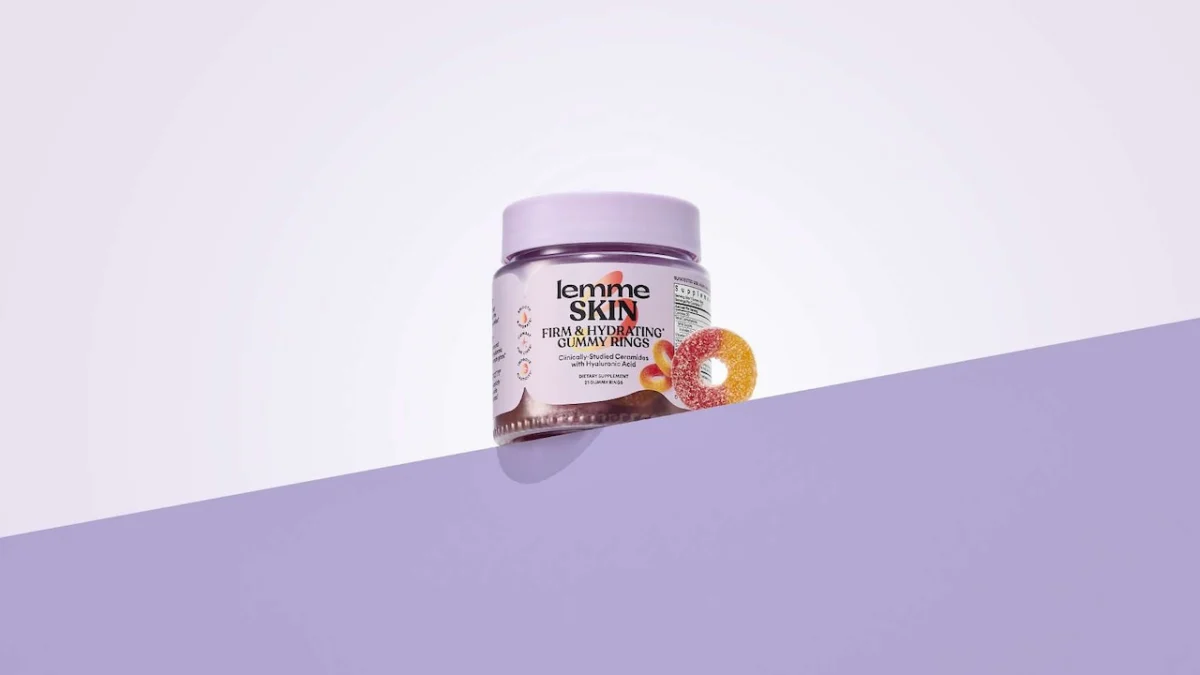
One example of this innovation is the launch of new gummy formulations designed for specific health benefits. For instance, a recent product introduced by Lemme features gummy rings formulated with ceramides, hyaluronic acid, and sea buckthorn, specifically targeting skin health. This approach leverages the popularity of gummies as a palatable and easy-to-consume format while incorporating key ingredients known for their dermatological benefits. Ceramides are essential lipids that help maintain the skin’s barrier function, hyaluronic acid is renowned for its hydrating properties, and sea buckthorn is rich in antioxidants and essential fatty acids that can support skin repair and regeneration.

This trend towards specialized gummies highlights a broader industry movement to make supplements more accessible and appealing to a wider demographic, including those who may find traditional pills or powders less desirable. The challenge for manufacturers lies in ensuring that these novel delivery systems effectively preserve the stability and bioavailability of the active ingredients, a critical factor for product efficacy.
Company and Organization Updates: Driving Industry Growth
The dynamic nature of the supplement industry is further evidenced by ongoing company and organizational updates. These developments range from strategic partnerships and acquisitions to the unveiling of new ingredient technologies and expanded research initiatives.
Companies are increasingly investing in scientific validation and clinical research to support their product claims and differentiate themselves in a competitive market. This includes collaborations with academic institutions and contract research organizations to conduct rigorous studies on ingredient efficacy and safety. The focus on evidence-based products is becoming a cornerstone of brand reputation and consumer loyalty.
Furthermore, industry organizations play a vital role in shaping the regulatory landscape, promoting best practices, and fostering collaboration among stakeholders. These groups are instrumental in advocating for science-backed policies, providing educational resources, and facilitating the exchange of knowledge and innovation within the nutraceutical community.
The call for companies to share their advancements, whether through new ingredient launches or the publication of clinical trials, underscores the collaborative spirit that drives progress in this sector. As Devon Gholam, Ph.D., Editor at SupplySide Supplement Journal, emphasizes, a proactive approach to sharing innovations is crucial for fostering a vibrant and evolving industry. "Launching innovative ingredients and products? Did you just publish a new clinical trial? Getting ready to announce something big? SupplySide Supplement Journal would love to know," the publication invites, signaling its role as a central hub for disseminating cutting-edge news and insights.
Looking Ahead: Consumer Expectations and Scientific Rigor
The convergence of consumer-driven insights and scientific exploration is setting a robust agenda for the future of the dietary supplement industry. The shift in consumer motivations for creatine use, with cognitive health taking center stage, illustrates how public interest can shape research priorities and product development. This trend suggests a growing demand for supplements that address holistic well-being, encompassing both physical and mental health.
The ongoing research into collagen peptides and fucoidan further exemplifies the industry’s commitment to uncovering and validating the therapeutic potential of natural compounds. As scientific understanding deepens, it is expected that these ingredients will find broader applications, supported by more precise dosing recommendations and targeted formulations.
The industry’s continued emphasis on innovation in finished products, particularly in convenient and appealing delivery formats like gummies, indicates a strategic effort to enhance consumer accessibility and adherence. However, this innovation must be underpinned by a steadfast commitment to scientific integrity, ensuring that product claims are substantiated by robust evidence and that manufacturing processes uphold quality and safety standards.
As the supplement industry continues to mature, the interplay between consumer demand, scientific discovery, and corporate innovation will remain critical. The insights gleaned from studies like the creatine user survey, coupled with the advancements in clinical research and product development, paint a picture of an industry poised for continued growth and evolution, driven by a shared pursuit of improved health and wellness outcomes.
