


Protein has solidified its status as the foundational macronutrient for muscle synthesis, metabolic health, and athletic performance. While often simplified as the primary fuel for "gym rats," the biological necessity of protein extends far beyond the weight room, influencing hormone production, enzyme function, and cellular repair. In contemporary nutrition, the shift toward high-protein, low-carbohydrate (HPLC) diets has gained significant traction, driven by clinical evidence suggesting these protocols improve satiety and metabolic efficiency. However, the primary challenge for many adherents remains dietary fatigue—the tendency to rely on a narrow selection of foods, which can lead to micronutrient deficiencies and decreased long-term compliance.
The Physiological Mechanism of Protein-Dominant Nutrition
The efficacy of a high-protein diet is rooted in two primary physiological phenomena: the Thermic Effect of Food (TEF) and the satiety index. TEF refers to the energy expenditure required by the body to process, move, and store nutrients. Clinical studies indicate that protein possesses a significantly higher TEF compared to fats and carbohydrates, meaning the body burns more calories during digestion. Furthermore, protein’s ability to regulate hunger hormones, such as ghrelin, makes it a superior tool for weight management.
Current nutritional standards for active individuals typically suggest a protein intake ranging from 0.8 to 1.25 grams per pound of body weight (1.76 to 2.75 grams per kilogram). While the total caloric intake fluctuates based on whether an individual’s goal is weight loss, hypertrophy, or maintenance, the protein requirement remains relatively stable. This necessitates a diverse repertoire of food sources to ensure that dietary adherence does not falter due to monotony.
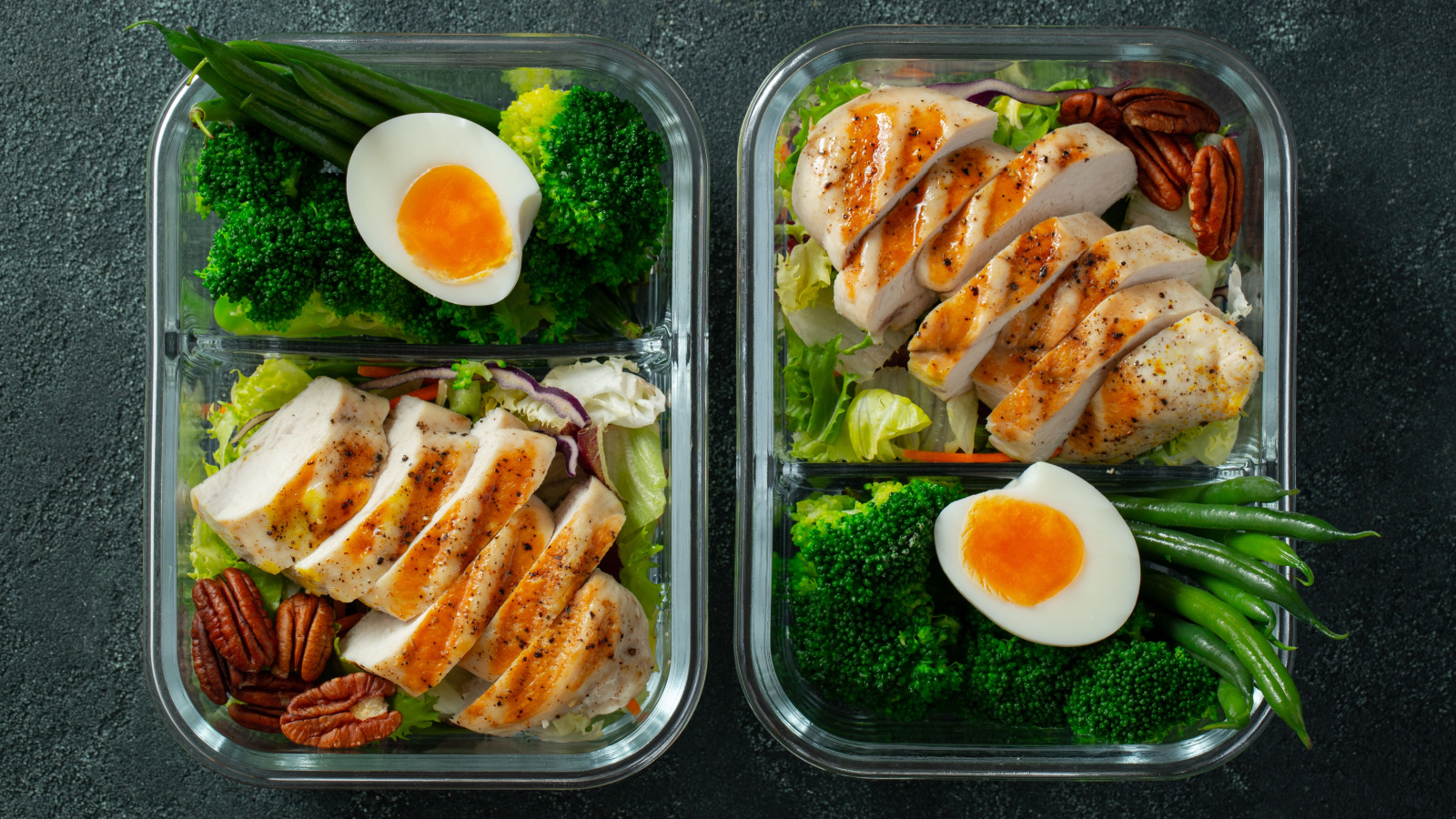
Categorizing Top-Tier Protein Sources: Seafood and Shellfish
Seafood offers a unique nutritional profile, providing high-quality protein alongside essential fatty acids that are often lacking in land-based proteins.
1. Salmon: Recognized for its high concentration of omega-3 fatty acids, salmon is a dual-purpose food that supports heart health while providing approximately 20-25 grams of protein per 4-ounce serving. Its moderate fat content provides a distinct mouthfeel, making it a staple for those who find leaner fish too dry.
2. Sardines: Often overlooked, sardines are a nutrient-dense powerhouse. Rich in calcium and Vitamin D, they provide a portable and sustainable protein source. When packed in water, they remain low-calorie; when packed in oil, they serve as a high-energy option for those with higher caloric needs.
3. Tuna: As one of the leanest protein sources available, tuna is almost entirely comprised of protein. Whether fresh or canned, it serves as a versatile base for salads and low-carb wraps.
4. Shrimp: With a high protein-to-calorie ratio, shrimp is an ideal choice for volume eating. It allows for larger portion sizes without a significant increase in total energy intake, which is critical for individuals in a caloric deficit.
Poultry and Avian-Based Proteins
Poultry remains the cornerstone of the HPLC diet due to its accessibility and mild flavor profile, which allows for diverse culinary applications.
5. Chicken Breast: The quintessential "lean protein," chicken breast is the standard by which other proteins are measured. It is virtually free of carbohydrates and very low in fat, making it the most efficient way to hit protein targets without overshooting other macronutrients.
6. Chicken Thighs: While slightly higher in fat than the breast, thighs offer a more robust flavor and higher concentrations of iron and zinc. They are particularly effective in slow-cooking methods where leaner meats might become unpalatable.
7. Whole Eggs: Eggs provide the "gold standard" for protein quality, containing all essential amino acids in the correct proportions. The yolk contains healthy fats and fat-soluble vitamins, making it a complete nutritional package.
8. Egg Whites: For those needing to increase protein intake without adding fat, liquid or separated egg whites provide a pure protein source. They are frequently used to add volume to meals like oatmeal (in "proats") or smoothies without altering the flavor profile significantly.

Red Meat and Organ Meats: Nutrient Density and Satiety
Red meat provides essential micronutrients such as B12, heme iron, and creatine, which are vital for energy metabolism and athletic performance.
9. Sirloin Steak: A lean cut of beef that balances flavor with a manageable fat content. It is a preferred choice for those who want the benefits of red meat without the high caloric load of more marbled cuts.
10. Strip Steak: Similar to sirloin, the strip steak is a versatile cut that provides high-density protein with moderate fat levels.
11. Ribeye Steak: While higher in fat, the ribeye is favored for its satiety levels and flavor. It is often utilized in ketogenic protocols where higher fat intake is encouraged.
12. Lean Ground Beef (95% Lean): This provides a convenient way to prepare bulk meals. The low fat content ensures that the meat remains high-protein while allowing the cook to control the addition of external fats.
13. Beef Liver: Once a staple of mid-20th-century bodybuilding, liver is seeing a resurgence. It is perhaps the most nutrient-dense food on this list, containing high levels of Vitamin A, B vitamins, and copper.
Pork Products: The Versatile Alternative
Pork is often underestimated in HPLC diets but offers several lean options that rival poultry.
14. Pork Chops: When trimmed of external fat, pork chops are remarkably lean and provide a different amino acid profile than beef or chicken.
15. Pork Shoulder: Best suited for slow-cooking, this cut provides a moderate fat content that is ideal for "pulled" meat preparations, offering variety in texture.
16. Ham: Cured ham is a lean, high-protein option that is particularly useful for cold meals and snacks, though consumers should be mindful of sodium content in processed varieties.

Dairy and Supplemental Proteins
Dairy products provide a combination of fast- and slow-digesting proteins, which can be strategically timed around exercise.
17. Cottage Cheese: Consisting of curds and whey, cottage cheese is high in casein protein, which digests slowly. This makes it an ideal pre-sleep snack to provide a steady stream of amino acids throughout the night.
18. Greek Yogurt: Through the straining process, Greek yogurt removes much of the liquid whey, resulting in a product that has double the protein of regular yogurt. It also provides probiotics, which support gut health—a critical factor when consuming high-protein diets.
19. Whey Protein Powder: A byproduct of cheesemaking, whey is rapidly absorbed, making it the premier choice for post-workout recovery when muscle protein synthesis needs to be triggered quickly.
20. Casein Protein Powder: In contrast to whey, casein forms a "gel" in the stomach, slowing down the rate of gastric emptying. This properties make it highly satiating and effective for long periods between meals.
A Chronological Approach to Dietary Implementation
The evolution of the HPLC diet has moved from the rigid, "bro-diet" era of the 1980s—characterized by monotonous meals of tilapia and broccoli—to a more flexible, science-based approach. Modern dietitians emphasize "dietary displacement," where high-protein foods replace ultra-processed carbohydrates, leading to spontaneous caloric reduction.
The following sample menu illustrates how a 200-pound athlete might structure a day to reach a target of 250 grams of protein and 3,500 calories:
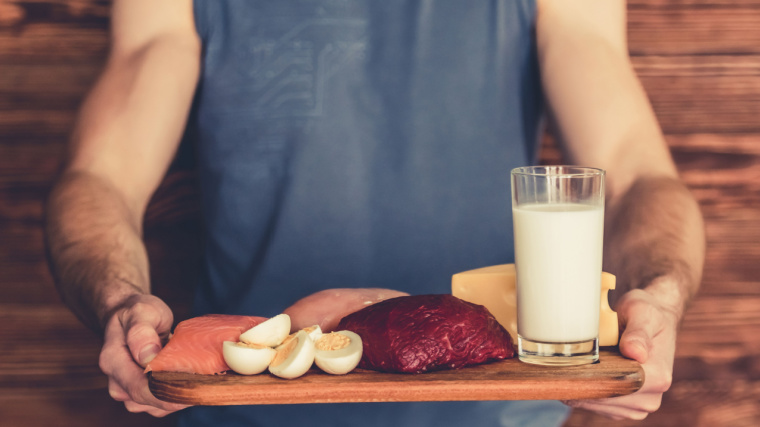
- Breakfast: A combination of whole eggs and egg whites scrambled with vegetables, paired with high-protein toast or oats. (50g Protein)
- Mid-Morning Snack: Greek yogurt topped with nuts or seeds. (45g Protein)
- Lunch: A large serving of lean ground beef or sirloin with a complex carbohydrate like brown rice and greens. (65g Protein)
- Afternoon Snack: A whey protein shake or cottage cheese. (34g Protein)
- Dinner: Grilled chicken breast or salmon with a substantial portion of vegetables and a starch like sweet potato. (67g Protein)
Broader Impact and Economic Implications
The shift toward high-protein consumption is not merely a fitness trend but a significant mover in the global food economy. According to market analysis reports, the global protein supplement market was valued at over $20 billion in 2022 and is projected to grow at a compound annual growth rate (CAGR) of 8% through 2030. This growth is mirrored in the grocery sector, where "high-protein" labeling has become a primary driver for consumer choice in the dairy and snack aisles.
However, medical professionals urge a balanced perspective. While HPLC diets are effective for body composition, they must be paired with adequate fiber intake from vegetable sources to maintain gastrointestinal health and prevent the "protein constipation" often associated with low-carb protocols. Furthermore, individuals with pre-existing kidney conditions are advised to consult with a nephrologist before significantly increasing protein intake, although research suggests that high protein intake is safe for healthy individuals with normal renal function.
Conclusion
Achieving a high-protein, low-carb lifestyle does not require the sacrifice of culinary enjoyment or variety. By rotating through various animal, seafaring, and dairy sources, individuals can optimize their micronutrient intake while hitting the macronutrient targets necessary for their specific physical goals. The key to long-term success in any nutritional regimen is the transition from a "temporary diet" to a sustainable "lifestyle pattern," fueled by a diverse array of nutrient-dense, high-quality proteins.
