


The dietary landscape for athletes, fitness enthusiasts, and those pursuing metabolic health has undergone a significant transformation over the last decade, shifting away from the high-carbohydrate dominance of the late 20th century toward a more protein-centric approach. As the primary macronutrient responsible for the repair and synthesis of muscle tissue, protein has become the focal point of goal-oriented nutrition. However, its utility extends far beyond the "gym rat" demographic, playing a critical role in hormonal regulation, enzymatic reactions, and long-term weight management. Registered dietitians now emphasize that a high-protein, low-carbohydrate strategy can offer significant advantages in metabolic efficiency and appetite control, provided the food choices are varied and nutrient-dense.
The Metabolic Science of Protein and Satiety
The prioritization of protein in a low-carbohydrate context is supported by two primary physiological mechanisms: the Thermic Effect of Food (TEF) and the Satiety Index. TEF refers to the energy expenditure required by the body to process and utilize nutrients. Protein possesses a significantly higher TEF compared to fats and carbohydrates, meaning the body burns more calories simply digesting a steak or a piece of salmon than it does an equivalent caloric amount of pasta or butter. Research indicates that approximately 20% to 30% of the calories consumed from protein are expended during digestion, whereas carbohydrates account for 5% to 10% and fats a mere 0% to 3%.
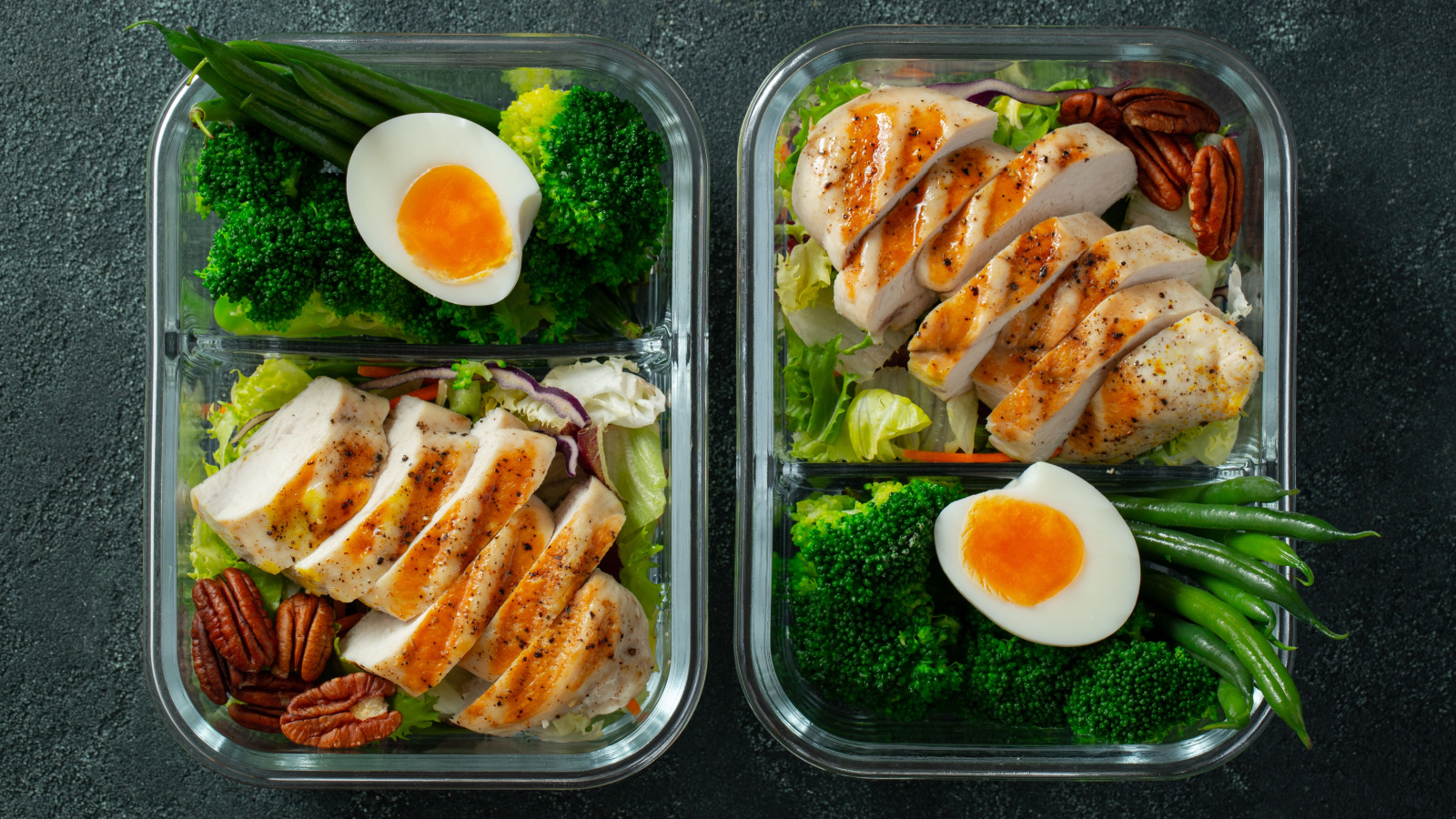
Furthermore, protein is the most satiating macronutrient. Clinical studies have consistently demonstrated that high-protein meals suppress ghrelin—the "hunger hormone"—while stimulating the production of peptide YY, a hormone that signals fullness. This dual action makes high-protein, low-carb diets particularly effective for weight loss, as they naturally reduce spontaneous caloric intake by keeping the individual satisfied for longer periods.
Evolution of Dietary Guidelines: A Brief Chronology
The shift toward high-protein, low-carb diets did not happen in a vacuum. To understand the current popularity of these 20 specific foods, one must look at the timeline of nutritional science:
- 1992: The USDA releases the original Food Guide Pyramid, which heavily favored grains and carbohydrates (6–11 servings per day) while placing meats and dairy in smaller categories.
- Early 2000s: The "Atkins" and "South Beach" movements gain mainstream traction, challenging the low-fat orthodoxy and highlighting the role of insulin in fat storage.
- 2010s: The "Paleo" and "Keto" movements further refine the low-carb approach, emphasizing whole, unprocessed protein sources and the elimination of refined sugars.
- Present Day: Modern sports nutrition focuses on "Protein Pacing" and individualizing intake based on lean body mass rather than arbitrary percentages. The current recommendation for active individuals typically ranges from 0.8 to 1.25 grams of protein per pound of body weight.
The 20 Essential High-Protein, Low-Carb Foods
To maintain dietary compliance, variety is essential. The following list, curated by nutritional experts, categorizes the most effective options based on their nutrient profiles and versatility.

Marine-Based Proteins
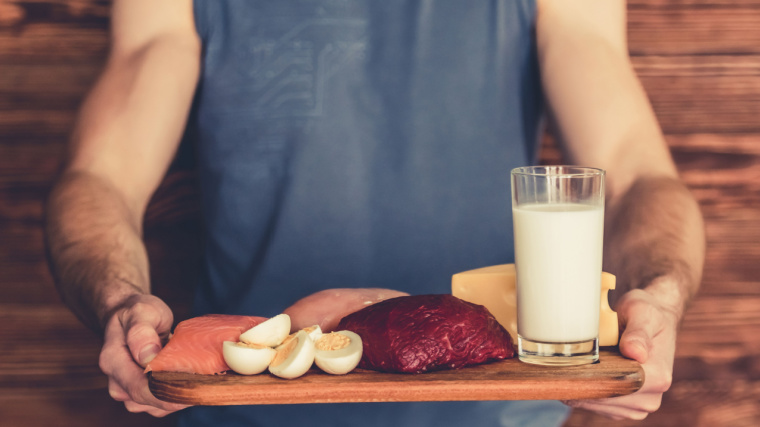
- Salmon: A cornerstone of the Mediterranean and ketogenic diets alike, salmon provides high-quality protein alongside heart-healthy omega-3 fatty acids (EPA and DHA). These fats are crucial for reducing systemic inflammation, a common issue for high-intensity athletes.
- Sardines: Often overlooked, sardines are a nutrient powerhouse. Being lower on the food chain, they contain fewer heavy metals like mercury while offering significant amounts of Vitamin D and calcium.
- Tuna: Available in fresh steaks or convenient pouches, tuna is a near-pure protein source. While lean, experts recommend monitoring intake to manage mercury exposure, opting for "light" varieties over albacore when consumed frequently.
- Shrimp: With a high protein-to-calorie ratio, shrimp is an ideal choice for those in a "cutting" phase. It is versatile enough for salads, skewers, or ceviche, providing a high-volume eating experience with minimal caloric impact.
Poultry and Dairy
- Chicken Breast: The quintessential lean protein, chicken breast is prized for its neutral flavor profile, making it a "blank slate" for various culinary traditions without adding significant fat or carbs.
- Chicken Thighs: While slightly higher in fat than the breast, thighs offer more iron and zinc and are less prone to drying out during cooking, which can improve long-term diet adherence.
- Eggs: Often called the "gold standard" for protein quality, eggs contain all essential amino acids. The yolks provide choline, a nutrient vital for brain health and lipid metabolism.
- Egg Whites: For those needing to increase protein intake without adding fat, liquid egg whites offer a convenient, pasteurized solution that can be added to shakes or used in voluminous scrambles.
- Greek Yogurt: By straining the whey, Greek yogurt achieves a thick consistency and double the protein of standard yogurt. Consumers are cautioned to choose plain varieties to avoid the hidden sugars found in fruit-flavored options.
- Cottage Cheese: This slow-digesting dairy product is rich in casein protein, making it an excellent pre-sleep snack to support muscle recovery throughout the night.
Land-Based Meats and Organ Meats
- Sirloin Steak: A lean cut of red meat that provides essential B vitamins and heme iron, which is more readily absorbed by the body than plant-based iron.
- Strip Steak: Similar to sirloin but often with more flavor, this cut remains relatively lean and is a staple for those requiring high zinc intake.
- Ribeye Steak: While higher in fat and calories, the ribeye is favored in ketogenic circles for its satiety and dense micronutrient profile.
- Lean Ground Beef (95/5): This provides the versatility of beef for tacos or burgers while allowing for strict control over fat macros.
- Pork Chops: Often referred to as "the other white meat," lean pork cuts provide a similar protein density to poultry with a different micronutrient profile, including high levels of thiamine.
- Pork Shoulder: Ideal for slow-cooking and meal prepping, this moderate-fat choice supports long-term satiety.
- Ham: A cured option that is surprisingly lean, though consumers should be mindful of sodium content if managing hypertension.
- Beef Liver: A "superfood" in the truest sense, liver is exceptionally high in Vitamin A, B12, and copper. Though its flavor is polarizing, its nutritional density is unmatched among animal proteins.
Supplementation
- Whey Protein Powder: A fast-digesting byproduct of cheesemaking, whey is ideal for post-workout recovery when the body requires rapid amino acid delivery to tissues.
- Casein Protein Powder: The "slow-release" counterpart to whey, casein forms a gel in the stomach, providing a steady stream of amino acids over several hours.
Case Study: Nutritional Implementation for the 200-Pound Athlete
To visualize the application of these foods, consider a 200-pound (90.7 kg) athlete aiming for 3,500 calories with a focus on 1.25 grams of protein per pound. This equates to 250 grams of protein daily.
The athlete’s day might begin with Meal One, consisting of two whole eggs and a cup of egg whites scrambled with vegetables, providing 50 grams of protein. A mid-morning Snack One of Greek yogurt topped with almonds adds another 45 grams. Meal Two (Lunch) might feature 8 ounces of grilled chicken breast with a large salad, contributing 65 grams. An afternoon Snack Two utilizing a whey protein shake offers 34 grams of rapid-release aminos. The day concludes with Meal Three, an 8-ounce sirloin steak with roasted vegetables, providing the final 67 grams of protein.
This structured approach ensures that the "protein fire" is stoked every 3 to 4 hours, a practice known as protein pacing, which research suggests is more effective for muscle protein synthesis than consuming the entire daily requirement in one or two sittings.

Broader Implications and Public Health Perspectives
The move toward high-protein, low-carb lifestyles has broader implications for public health, particularly regarding the global obesity epidemic and Type 2 diabetes. By reducing the intake of refined carbohydrates and increasing protein-rich whole foods, individuals can better manage blood glucose levels and insulin sensitivity.
However, medical professionals advise a balanced perspective. While the 20 foods listed are nutritionally superior, the "quality" of the source matters. The Academy of Nutrition and Dietetics suggests that consumers look for grass-fed beef, wild-caught fish, and organic poultry when possible to maximize omega-3 ratios and minimize exposure to antibiotics. Furthermore, while the foods listed are low-carb, they should be paired with fibrous vegetables (broccoli, spinach, asparagus) to ensure adequate fiber intake and gut health.
Conclusion: A Strategy for Sustainability
The primary challenge of any diet is not the initial weight loss, but long-term maintenance. The "humdrum" nature of repetitive eating is the leading cause of dietary failure. By rotating through these 20 high-protein, low-carb options, individuals can enjoy a diverse palate that includes everything from cold-water seafood to hearty steaks and convenient dairy.
As with any significant dietary shift, consulting with a medical professional or a registered dietitian is recommended to tailor these suggestions to individual health histories, particularly for those with pre-existing kidney conditions or specific metabolic disorders. With a calculator, a well-stocked pantry, and a commitment to variety, the path to a leaner, more muscular, and healthier physique is both scientifically sound and culinarily rewarding.
