








Creatine stands as one of the most extensively researched and widely adopted supplements in the fitness community, celebrated for its efficacy in promoting muscle growth and accelerating recovery. While often associated with dedicated weightlifters and bodybuilders, creatine’s benefits extend to a broader audience seeking to enhance physical performance, build lean muscle mass, and optimize their recovery processes. The market offers a diverse array of creatine supplements, including powders, capsules, and gummies, each utilizing various forms of creatine and sometimes incorporating additional ingredients designed to amplify muscle development, recovery speed, or mental focus during workouts. This abundance of choice, while empowering, can also present a challenge in identifying the most suitable product.
To navigate this landscape, a rigorous evaluation process was undertaken, involving expert product testers who examined numerous creatine supplements. The assessment prioritized key factors such as taste, mixability (for powders), ingredient quality, appropriate creatine dosage per serving, and overall affordability. This comprehensive review was further informed by insights from certified personal trainers and nutritionists, ensuring a well-rounded and credible selection. The following list presents the top creatine supplements, with an emphasis on those most beneficial for men, though all individuals can confidently consider these options. It is important to note that while this article uses the term "men" inclusively, acknowledging that most research has historically focused on cisgender men, individuals of all genders can benefit from these recommendations. Trans and nonbinary individuals are encouraged to consult with a trans-competent nutritionist for personalized advice.
Understanding Creatine’s Role in Performance
Creatine is a naturally occurring compound that plays a crucial role in energy production within the body, particularly for high-intensity, short-duration activities. It exists in muscle cells primarily as phosphocreatine, which acts as a rapid source of energy by donating a phosphate group to adenosine diphosphate (ADP) to regenerate adenosine triphosphate (ATP). ATP is the primary energy currency of cells, essential for muscle contractions. By increasing the body’s stores of phosphocreatine, creatine supplementation can enhance the capacity to produce ATP, thereby improving performance in activities requiring explosive power and strength, such as weightlifting, sprinting, and jumping.
Furthermore, creatine has been shown to influence muscle growth through several mechanisms. It can increase cell hydration, leading to a "cell volumization" effect that may signal anabolic processes. Additionally, creatine can potentially enhance protein synthesis and reduce muscle protein breakdown, contributing to a net increase in muscle mass over time. Its role in recovery is also well-documented, with research suggesting it can help reduce exercise-induced muscle damage and inflammation, facilitating faster recuperation between training sessions.
The Science Behind the Top Picks
The selection of the best creatine supplements is rooted in scientific consensus and empirical testing, focusing on dosages, purity, and added benefits.
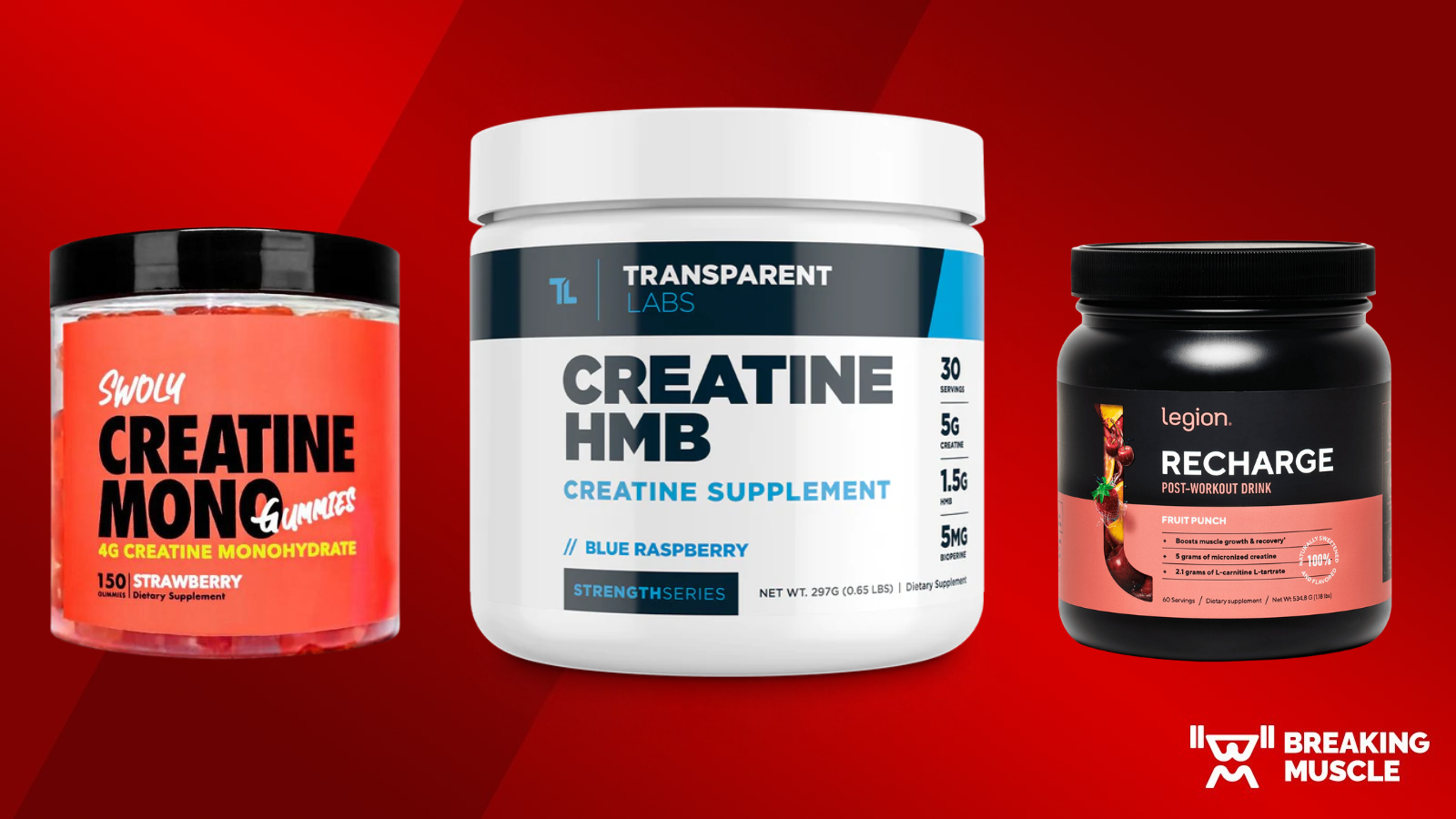
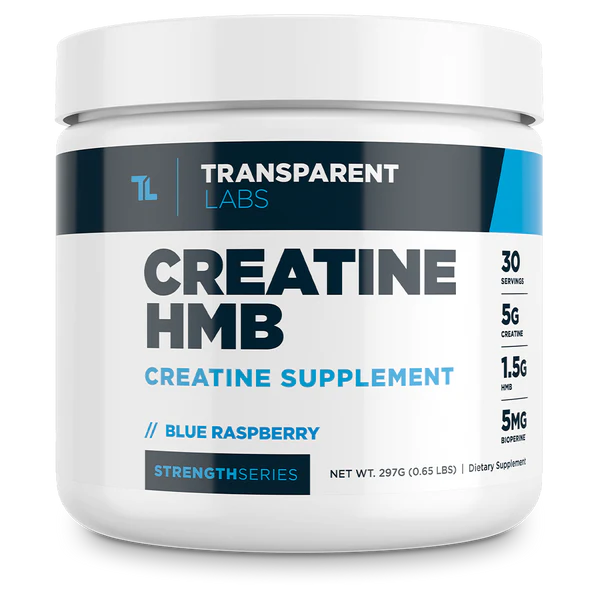
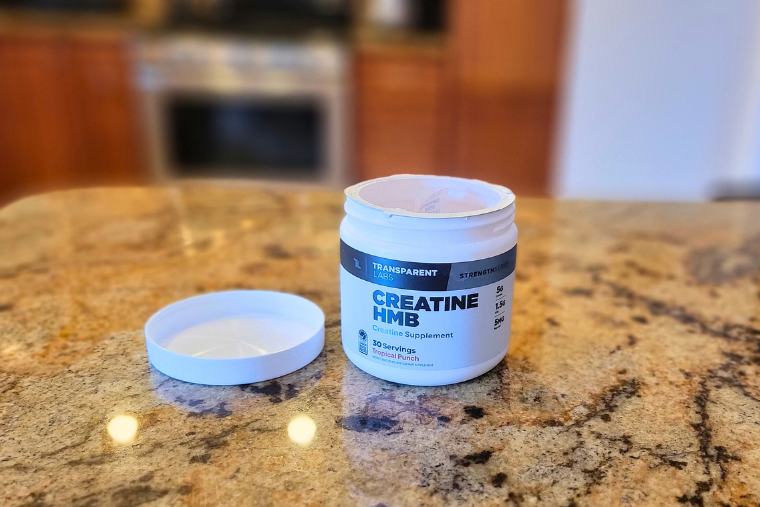
Best Creatine Monohydrate: Transparent Labs Creatine HMB
Transparent Labs Creatine HMB earns the distinction of being the top creatine monohydrate supplement due to its formulation, which includes 5 grams of creatine per serving. This dosage aligns with the researched-backed recommendation for optimal athletic performance enhancement. As explained by Anna Marie Clear, M.S., R.D., C.P.T., "This dose is a great recommendation for the general population, but some sports nutrition recommendations recommend a dosage based on kilograms of body weight, so some individuals may require more than 5 grams to see a benefit."
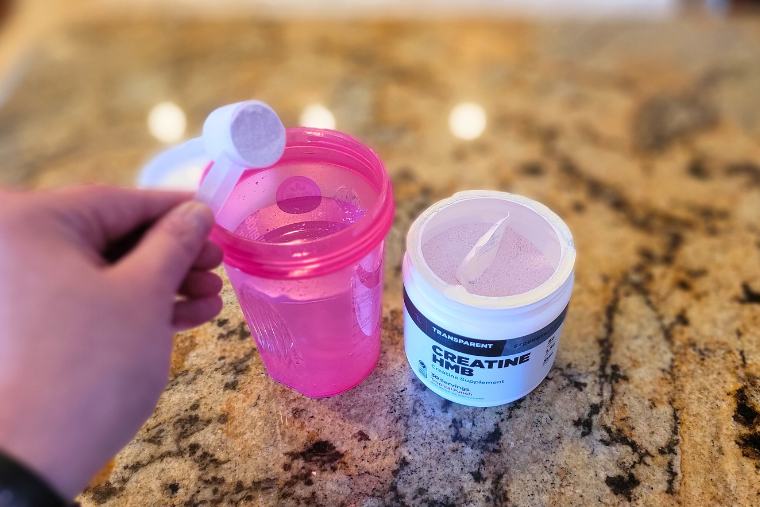
This supplement uniquely incorporates β-hydroxy β-methylbutyrate (HMB), a metabolite of the amino acid leucine. While HMB is naturally produced by the body, its supplemental form is being explored for its potential to promote muscle growth. Leucine is a key trigger for muscle protein synthesis, and HMB’s similarity to leucine has led to its investigation in this area. However, Clear notes, "Leucine is the primary amino acid that triggers muscle protein synthesis… HMB and leucine are very similar, but research shows HMB has no greater effect than leucine alone." Further research is ongoing to fully elucidate HMB’s impact on muscle development.
Transparent Labs also includes BioPerine, an extract derived from black pepper, which studies suggest can enhance nutrient bioavailability. Clear comments, "Bioperine may help enhance absorption of some nutrients, but research is limited on its impact alongside HMB and creatine." The product received a perfect formulation score of 5 out of 5 stars from testers. In terms of taste, it achieved a commendable 4 out of 5 stars, offering a wide selection of 13 flavors, including an unflavored option, more than most competitors. Pete Nastasi, C.P.T., C.S.N.C., praised the flavors, stating, "I’ve tried both the Blue Raspberry and Strawberry Lemonade flavors, which are sweetened with stevia extract, and both tasted great. I love having a flavored creatine supplement in the morning before my morning workout." However, some testers noted a slightly bitter undertone, possibly attributed to the BioPerine.
Best Creatine for Athletes: Sports Research Creatine Monohydrate
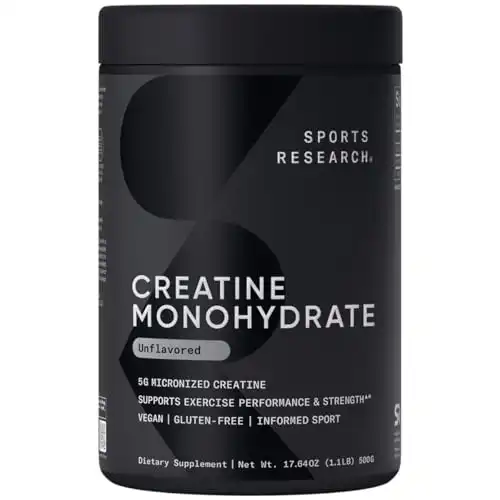
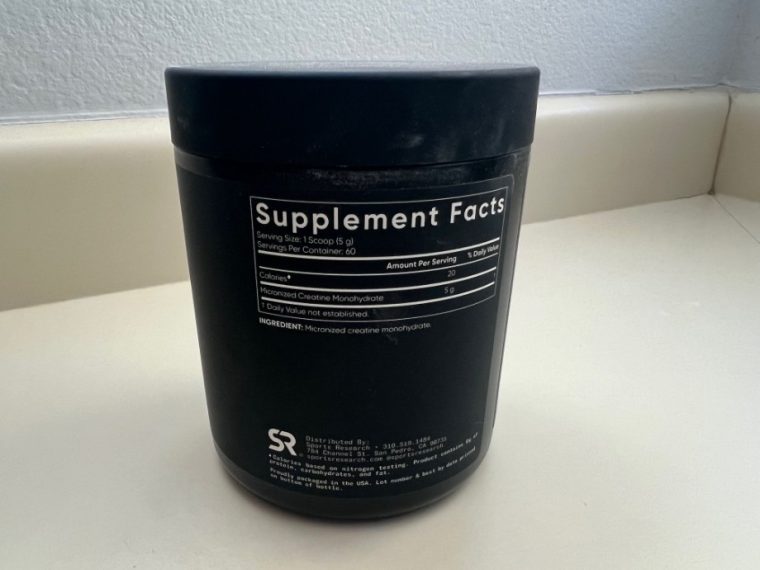
Sports Research Creatine Monohydrate is highlighted as the premier choice for athletes, primarily due to its inclusion of 5 grams of creatine per serving, a dose scientifically recognized for its benefits in muscle gain, recovery, and overall athletic performance. This rigorous formulation earned a perfect 5 out of 5 score. A significant advantage for competitive athletes is its Informed Sport Certification. This third-party verification ensures the product has been tested for purity and banned substances, offering peace of mind for individuals subject to anti-doping regulations.
The supplement utilizes micronized creatine, meaning the particles are ground finer than standard creatine monohydrate. While this process is intended to improve solubility, Nastasi points out, "micronized creatine is a bit of a marketing gimmick—it isn’t digested any better than standard creatine monohydrate." Scientific literature from 2022 supports this, indicating "no evidence" that micronized creatine offers superior bioavailability compared to its non-micronized counterpart. Nevertheless, the micronization contributes to excellent solubility, a factor that earned Sports Research Creatine Monohydrate a full 5-star rating in this category. Testers described it as "truly tasteless and mixes easily," with one noting, "If you didn’t tell me there was creatine in this water I wouldn’t know."
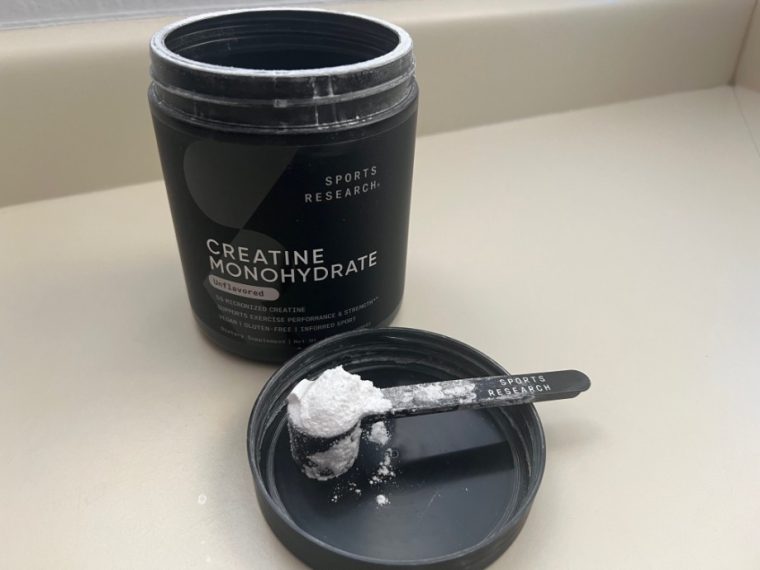
This product is exclusively available in an unflavored powder form. While it lacks variety in flavor, it avoids the bitter aftertaste sometimes associated with unflavored creatine. However, individuals preferring creatine in capsule or flavored powder form may need to explore other options.
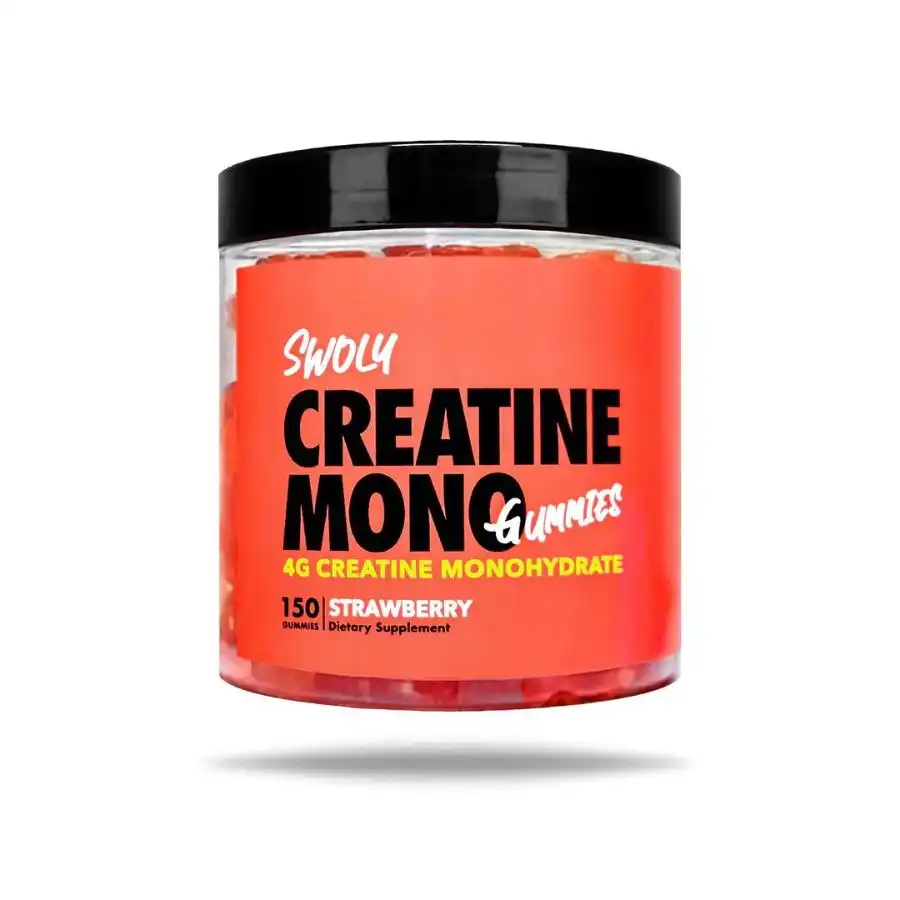
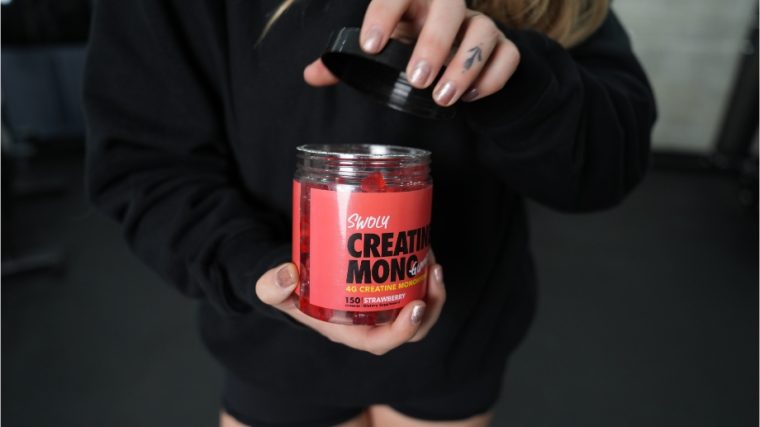
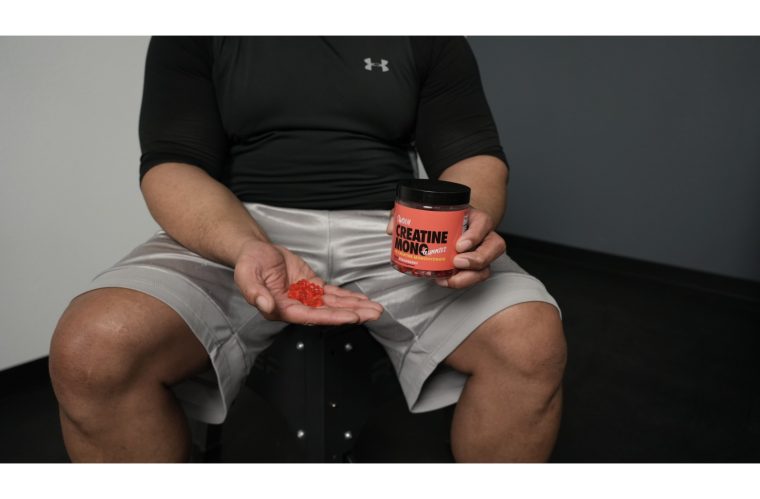
Best Creatine Gummies: Swoly Creatine Mono Gummies
For individuals who dislike the process of measuring and mixing powders, Swoly Creatine Mono Gummies offer a convenient, on-the-go solution. These gummies are available in a single Strawberry flavor, which received a perfect 5 out of 5 taste score from testers, who described them as "dangerously delicious—like, need-to-make-sure-my-child-doesn’t-find-these-or-she-will-eat-them all kind of delicious." The texture also garnered a 5-star rating for swallowability, with testers finding them "Super easy and delicious. I’d eat these every day."
However, the formulation presents some considerations. A serving consists of five gummies, delivering 4 grams of creatine monohydrate, which falls slightly short of the preferred 5-gram dosage. Clear advises, "larger individuals may need to take more of these gummies to get their research-backed dose of 0.1 grams of creatine per kilogram of body weight." Consuming more than five gummies could potentially lead to gastrointestinal issues due to added sugars and gums.
Furthermore, Swoly gummies contain artificial ingredients and additives, along with 15 calories and 2.5 grams of added sugar per serving from sucrose, dextrose, and maltodextrin. Consequently, the formulation score is 4 out of 5 stars, reflecting the preference for a higher creatine dose and the presence of added sugars. While Swoly claims third-party testing, specific details are absent, resulting in a 3-out-of-5 rating for this aspect.
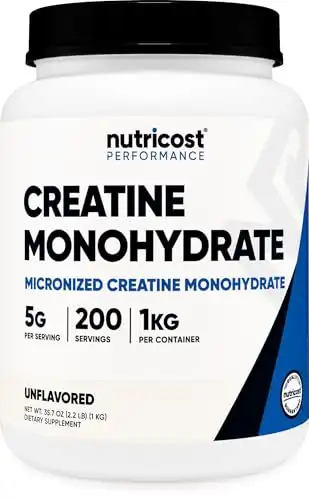
Best Value Creatine: Nutricost Micronized Creatine Monohydrate
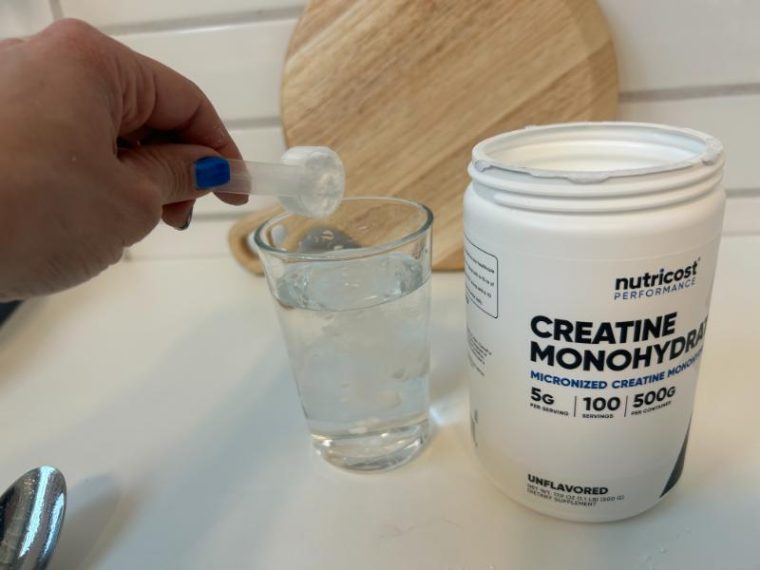
Nutricost Micronized Creatine Monohydrate stands out as the most budget-friendly option, priced at an economical $0.20 per serving. Despite its affordability, it undergoes third-party testing, a feature often found in more expensive supplements. However, Clear points out a concern regarding the transparency of this testing: "This company does not elaborate on its third-party testing. It’s hard to determine the brand’s safety without a detailed explanation of its testing process." This lack of detailed information led to a 3-out-of-5 rating for third-party testing.
The formulation received a perfect score. Registered dietitian Perry Nix notes, "It’s recommended to take 3-5 grams of creatine daily to enhance athletic performance, and Nutricost provides 5 grams daily, ensuring your muscle cells remain saturated." Testers reported no adverse effects, including the absence of bloating experienced with other creatine products. Nutricost offers five flavor options: Blue Raspberry, Fruit Punch, Pineapple Mango, Watermelon, and Unflavored. However, these flavors are sweetened with sucralose, which research suggests may cause gut issues in some individuals at high doses.
Solubility is a minor drawback, with testers awarding it 3 out of 5 stars due to a tendency for the powder to settle. Amazon reviewers generally praise its lack of additional ingredients and effective formula, though a few have reported finding plastic pieces in their containers.
Best Flavored Creatine: Legion Recharge Post-Workout
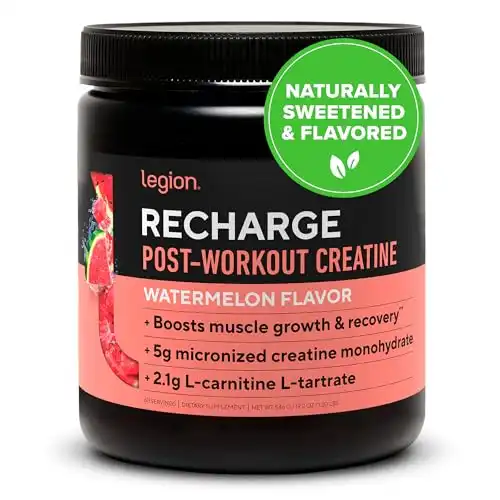
Legion Recharge Post-Workout is recommended for those who prefer a flavored creatine experience. It comes in six flavors, with customers and experts alike commending their taste. The Strawberry Lemonade flavor, in particular, received a perfect 5-out-of-5 taste score from testers, described as "pretty sweet but also tart. I really liked it." Solubility is another strong suit, earning a 5-out-of-5 rating for its excellent mixability without clumps or sediment.
The formulation includes a research-backed dose of 5 grams of creatine per serving. While it uses micronized creatine, the scientific consensus, as noted by Clear, is that micronized creatine does not offer superior bioavailability. Legion Recharge also contains 2.1 grams of L-carnitine per serving, which aids in fat metabolism, and 10.5 grams of corosolic acid, known for its potential role in blood sugar regulation.
However, Recharge is among the more expensive options, priced at $1.33 per serving, leading to a 1.5-out-of-5 rating for price. This makes it a less suitable choice for budget-conscious consumers.
Best Creatine Pills: Optimum Nutrition Micronized Creatine Capsules
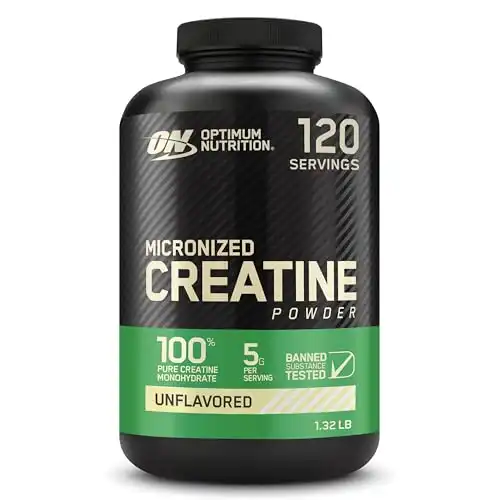
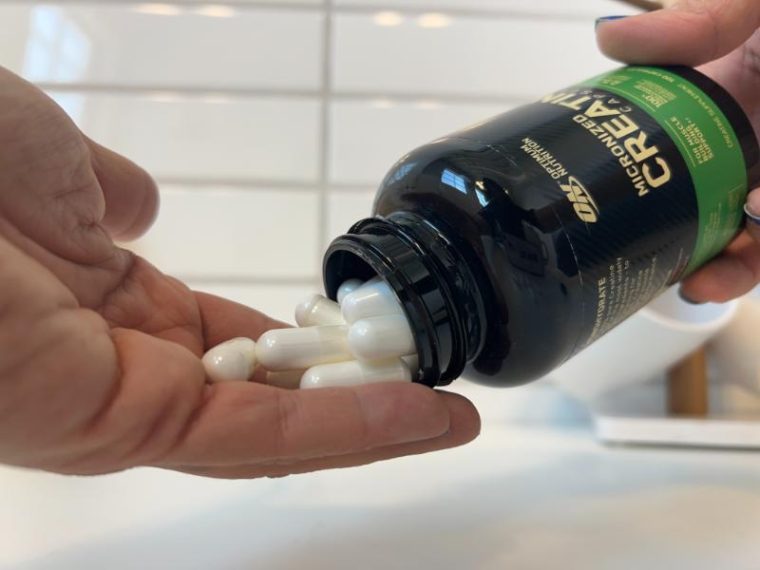
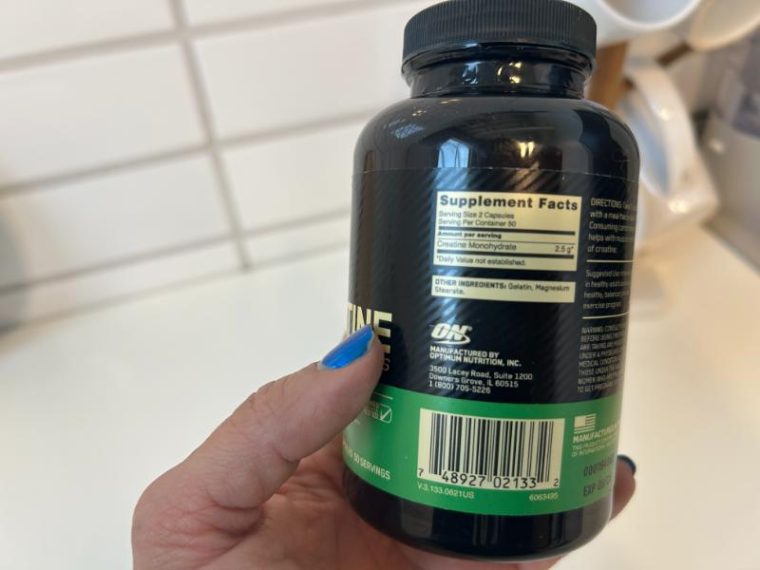
For individuals seeking a tasteless and convenient alternative to powders, Optimum Nutrition Micronized Creatine Capsules present a viable option. These capsules are also more compact for transport. Optimum Nutrition offers three sizes, with prices ranging from $0.46 to $0.60 per serving. The recommended dosage is two capsules twice daily, providing 2.5 grams of creatine per serving. This dosage led to a formulation score of 3 out of 5 stars, as larger individuals or those seeking higher doses would need to consume multiple capsules, increasing cost and pill intake.
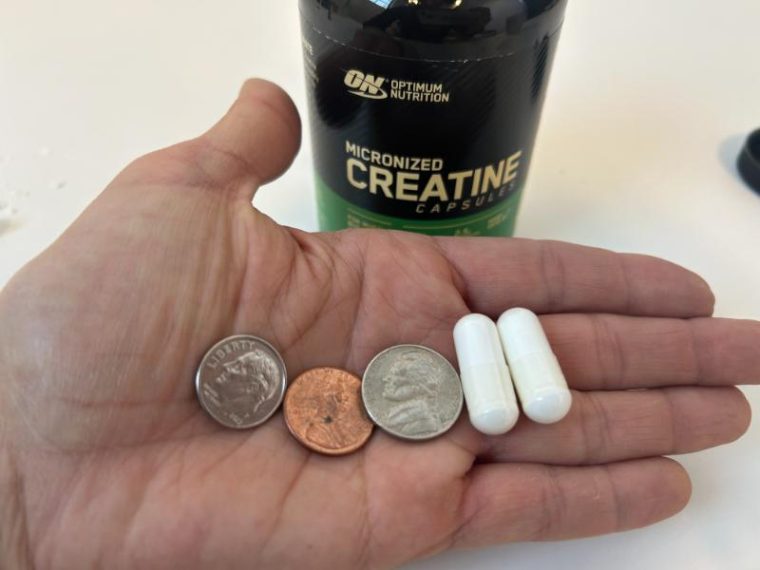
The ingredient list is simple, comprising creatine monohydrate, gelatin, and magnesium stearate. As gelatin is an animal product, these capsules are not suitable for vegans. Swallowability was rated 5 out of 5 stars, despite the capsules being approximately 1 inch long. Testers noted a slight gelatin flavor but no significant difficulty in swallowing.
Best Creatine for Muscle Growth: Gnarly Creatine
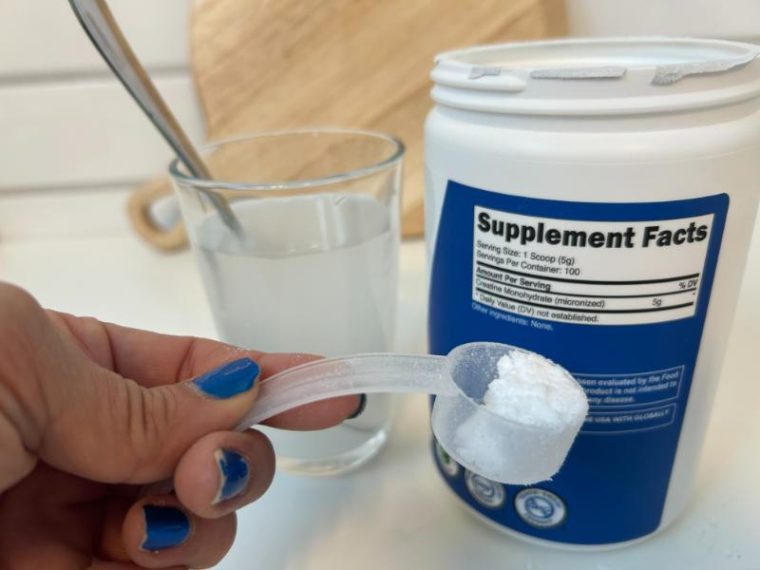
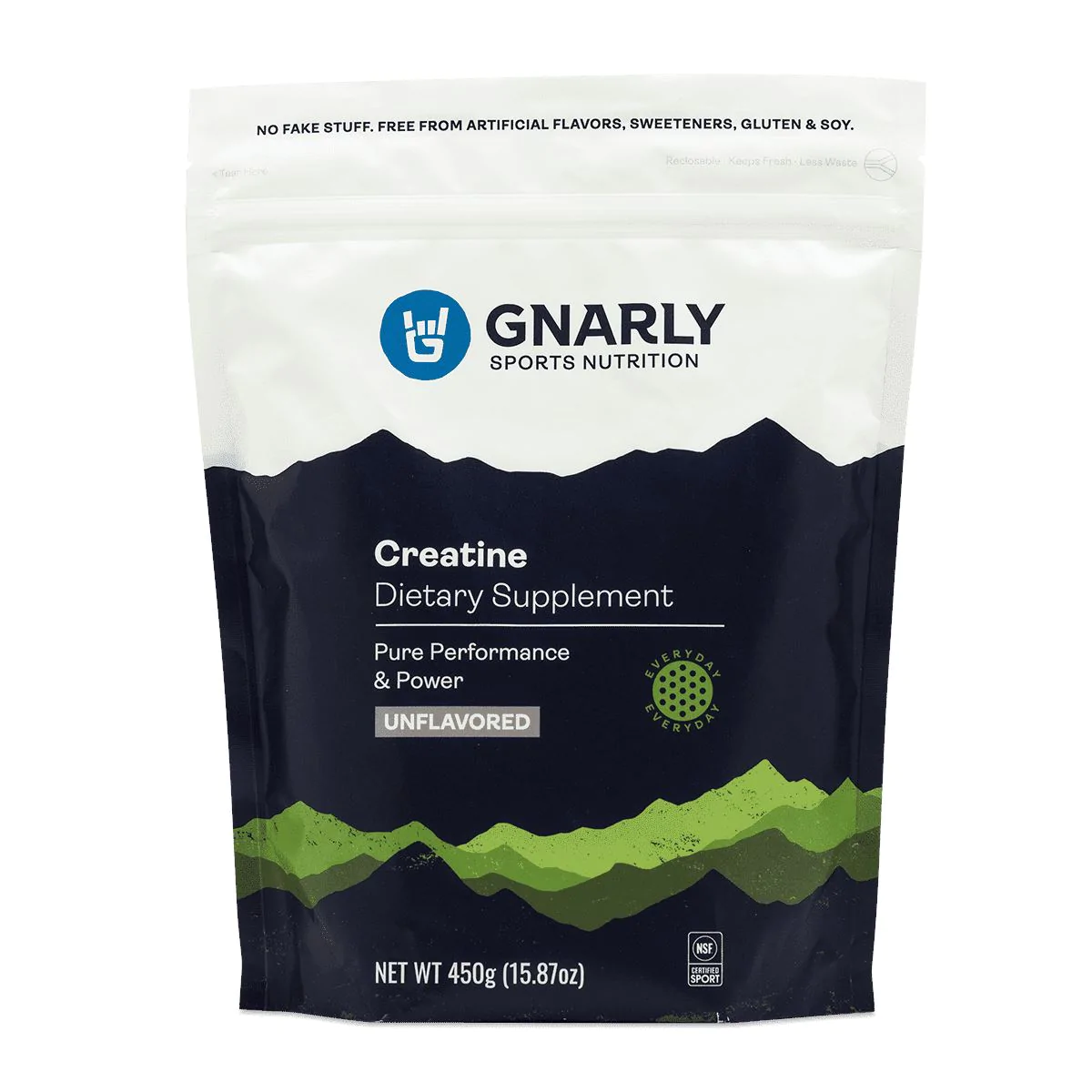
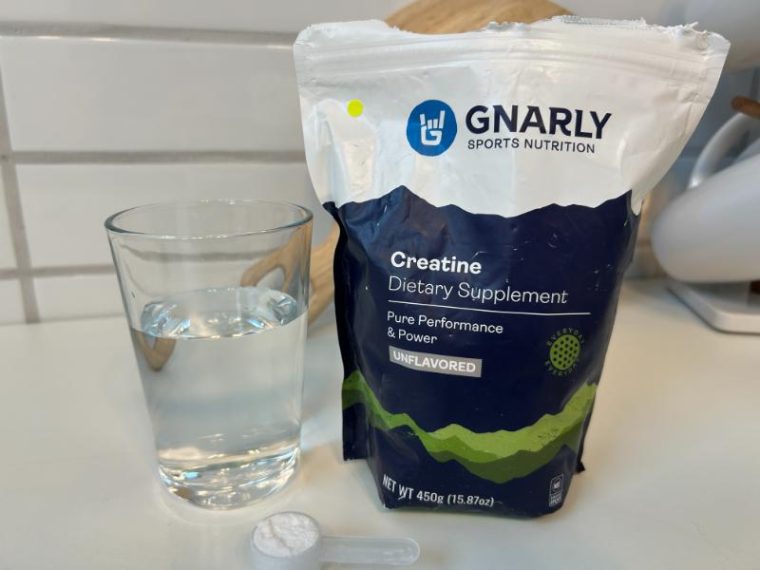
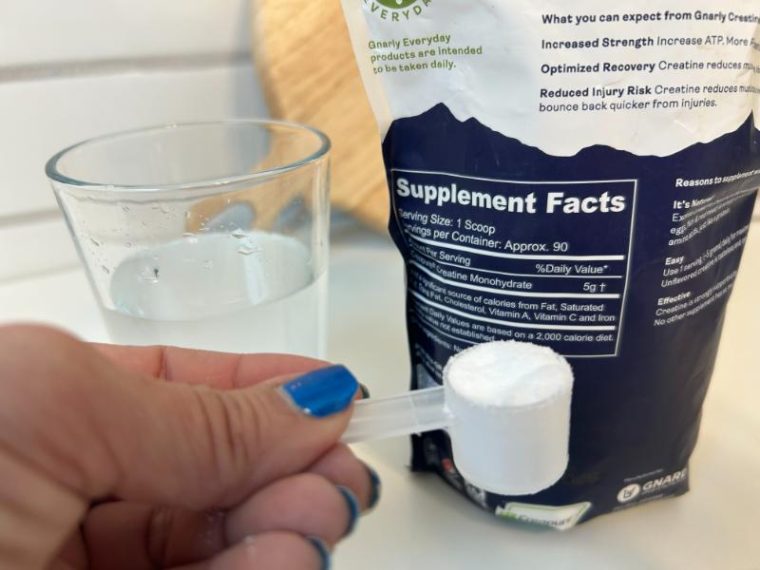
Gnarly Creatine distinguishes itself by using CreaPure®, a branded form of creatine monohydrate renowned for its purity and effectiveness. Manufactured in Germany, CreaPure® is considered the gold standard for creatine quality. Each serving provides 5 grams of 100% CreaPure® creatine monohydrate, contributing to a perfect 5-out-of-5 formulation score. This dosage, combined with adequate resistance training, is scientifically established as an effective strategy for muscle growth.
Gnarly Creatine also boasts NSF Certified for Sport and NSF Content Certified status, indicating rigorous third-party testing for purity, accurate label claims, and the absence of banned substances, heavy metals, microbes, and pesticides. This certification is particularly valuable for athletes competing in drug-tested events. Clear emphasizes, "NSF Certified for Sport also indicates this supplement has undergone label claim testing (so the label is accurate) and contaminant testing for heavy metals, microbes, and pesticides. This may be the most pure option on this list."
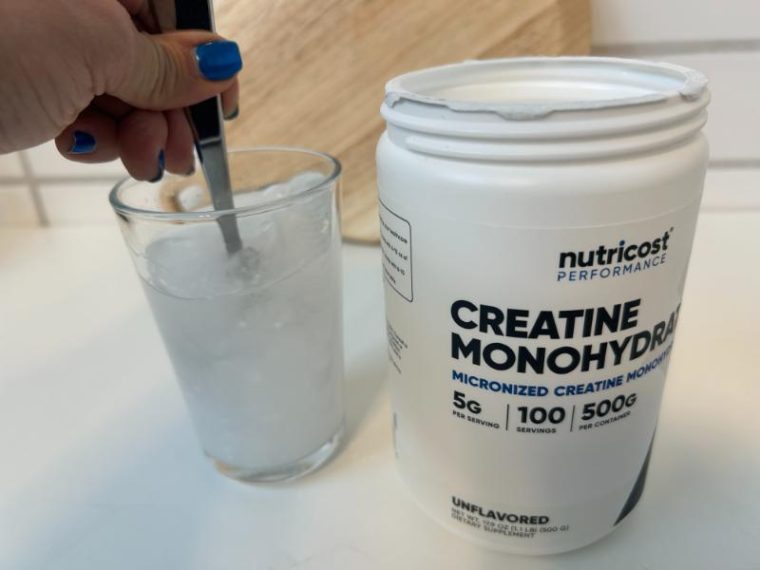
Despite its strengths in formulation and purity, Gnarly Creatine received a 3-out-of-5 rating for solubility, as testers noted it does not mix well and tends to settle, requiring frequent stirring.
Other Creatine Supplements Tested
The evaluation process involved examining a broad spectrum of creatine supplements. While many products demonstrate quality, only those meeting the stringent criteria made the final list. Several other reputable brands were considered, but they did not fully align with the established benchmarks for formulation, taste, solubility, or value.
Methodology: Rigorous Testing and Expert Consultation

The selection process for the best creatine supplements involved a comprehensive evaluation of over 43 products. The testing protocol focused on critical factors, including:
- Formulation: Ensuring the presence of 5 grams of creatine monohydrate per serving as the primary ingredient, with consideration for additional beneficial compounds.
- Purity: Prioritizing supplements with minimal fillers, artificial ingredients, and those that undergo third-party testing for contaminants and banned substances.
- Taste: Assessing the palatability of flavored options and the absence of off-flavors in unflavored varieties.
- Mixability: Evaluating how easily powders dissolve in water or other beverages without clumping.
- Value: Considering the cost per serving in relation to the quality and quantity of the product.
- Ingredient Transparency: Favoring brands that clearly list all ingredients and their amounts.
Expert insights from registered dietitians and certified personal trainers were integral to the assessment, providing scientific context and practical application of creatine’s benefits and usage.
Choosing the Right Creatine Supplement
Several key considerations should guide the selection of a creatine supplement:
Creatine Dosage per Serving
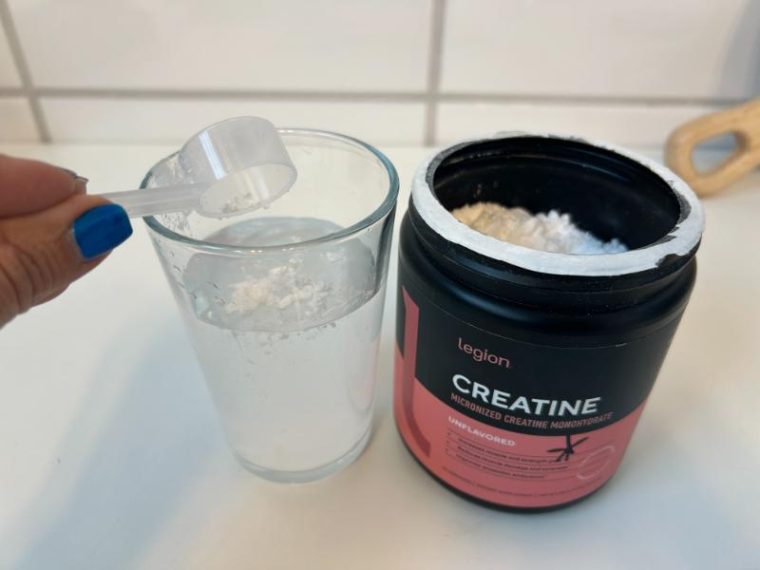
The efficacy of creatine is closely tied to its dosage. Research consistently points to a daily intake of 3 to 5 grams of creatine as optimal for most individuals to achieve maximum benefits, including enhanced muscle mass, accelerated recovery, and improved exercise capacity. For larger individuals, a dosage of 0.1 grams per kilogram of body weight is recommended, as noted by Anna Marie Clear, R.D.
Additional Ingredients
Some creatine supplements are enhanced with other compounds designed to complement athletic goals. For instance, Transparent Labs includes HMB, which is being studied for its muscle-building potential, while Legion Recharge incorporates L-carnitine for fat metabolism and corosolic acid for blood sugar regulation. The decision to opt for a pure creatine supplement or one with added ingredients should align with individual fitness objectives. Collaborating with a sports dietitian is highly recommended to identify the most suitable supplement based on personal health, athletic, and physique goals, ensuring appropriate dosage and product quality.
Fillers and Additives
The presence of artificial ingredients and fillers can influence the taste and mixability of creatine supplements. While many products feature creatine as the sole ingredient, some, like certain gummy formulations, may contain artificial sweeteners or colorings. Consumers should evaluate their preference for pure, unadulterated supplements versus those with added components aimed at improving sensory appeal or usability.
Third-Party Testing
Given that dietary supplements are not regulated by the FDA, third-party testing is a crucial indicator of product quality and safety. Certifications from organizations like NSF Certified for Sport or Informed Sport provide assurance that the supplement’s ingredients are pure, accurately labeled, and free from banned substances. This is particularly important for athletes subject to drug testing.
Understanding Creatine: Mechanism and Benefits
Creatine is a molecule synthesized from three amino acids: arginine, glycine, and methionine. The body naturally produces creatine, primarily in the liver, kidneys, and pancreas, with approximately 95% stored in skeletal muscle. Dietary sources include red meat and seafood. Supplementation offers a convenient way to increase creatine levels.
Creatine functions by enhancing the phosphocreatine system, which is vital for energy production during intense physical activity. It facilitates the regeneration of ATP, the cellular energy currency, enabling muscles to perform at higher intensities for longer durations. This mechanism is particularly beneficial for sports involving repeated sprints or short bursts of maximal effort.
Key Benefits of Creatine Supplementation
- Enhanced Athletic Performance: Numerous studies demonstrate that creatine supplementation can significantly improve strength, power output, and performance in high-intensity exercises. Its role in ATP production during short, explosive efforts is key to these improvements.
- Increased Muscle Mass: Creatine is widely recognized for its ability to promote muscle growth. It increases water content within muscle cells (cell volumization) and can positively influence protein synthesis, leading to greater muscle hypertrophy when combined with resistance training.
- Accelerated Recovery: Research indicates that creatine supplementation can aid in post-exercise recovery by reducing muscle damage and inflammation, allowing for quicker recuperation between training bouts.
- Reduced Muscle Soreness: Creatine has been shown to mitigate immediate muscle damage incurred during resistance training, potentially leading to less post-exercise soreness.
- Cognitive Benefits: Emerging research suggests that creatine may also benefit brain function, as the brain relies heavily on ATP for optimal operation. This could be particularly advantageous for tasks requiring rapid cognitive processing and quick decision-making.
- Improved Bone and Muscle Density: Studies, including one from 2021, suggest that creatine supplementation combined with resistance training can positively impact bone area and muscle density in older adults, indicating broad health benefits across age groups.
Types of Creatine
The creatine market features several forms, each with distinct characteristics:
- Creatine Monohydrate: This is the most extensively researched and widely used form, consistently proving effective for performance enhancement.
- Micronized Creatine Monohydrate: This form is processed into smaller particles to potentially improve solubility. However, current research does not strongly support enhanced bioavailability compared to standard monohydrate.
- Creatine Ethyl Ester: While designed for potentially better absorption, studies suggest it is less effective than creatine monohydrate.
- Creatine Nitrate: This form is combined with nitrate. Some research indicates potentially higher bioavailability, but findings are mixed and require further investigation.
- Buffered Creatine: This type has an alkaline additive to increase its pH. Research indicates no significant advantage over creatine monohydrate in terms of training gains.
Creatine Loading Phase
A creatine loading phase involves consuming a higher dose, typically 20-25 grams per day for up to a week, divided into smaller servings to minimize gastrointestinal discomfort. This is followed by a maintenance dose of 3-5 grams daily. While a loading phase can saturate muscle creatine stores more rapidly, it is not essential. Consistent daily intake of 3-5 grams can achieve similar long-term results without the initial higher dosage.
Safety and Precautions
Creatine supplementation is generally considered safe for healthy individuals, with studies supporting its use from short-term to long-term (up to five years) at doses up to 30 grams per day. However, certain populations should exercise caution:
- Individuals with Kidney or Liver Conditions: Those with pre-existing kidney or liver issues should avoid creatine, as it may interfere with their body’s natural creatine production or exacerbate existing conditions. Consultation with a healthcare provider is essential.
- Individuals Taking Certain Medications: People on medications that affect kidney function, such as blood pressure drugs or regular NSAIDs, should consult their doctor before using creatine.
- Adolescents: While research on adolescents is ongoing, it is generally advised that individuals under 18 avoid creatine supplementation due to the lack of comprehensive long-term data.
Conclusion
Creatine remains a cornerstone supplement for individuals aiming to enhance muscle growth, improve athletic performance, and accelerate recovery. Despite lingering myths about its side effects, scientific evidence overwhelmingly supports its safety and efficacy. The availability of various forms—powders, capsules, and gummies—allows consumers to choose a delivery method that best suits their preferences. By considering factors such as dosage, purity, third-party testing, and individual goals, users can confidently select a creatine supplement that aligns with their fitness journey.
Frequently Asked Questions
- What is micronized creatine? Micronized creatine is processed into smaller particles to potentially improve its solubility. However, current research suggests it does not offer superior bioavailability compared to standard creatine monohydrate.
- When is the best time to take creatine? While research suggests post-workout consumption might offer marginal benefits due to increased muscle uptake, taking creatine with a meal containing carbohydrates, especially post-exercise, can enhance its transport into muscle cells via insulin.
- Is creatine bad for you? No, for healthy individuals, creatine monohydrate is considered safe for both short-term and long-term use, with no documented detrimental effects.
- How much creatine should I take? The generally recommended dosage for most individuals is 3 to 5 grams per day. Larger individuals may require a dose of 0.1 grams per kilogram of body weight.
- Does creatine lead to weight gain? Creatine can lead to an increase in lean skeletal muscle mass, which may result in an overall increase in body weight. However, it does not increase fat mass.