


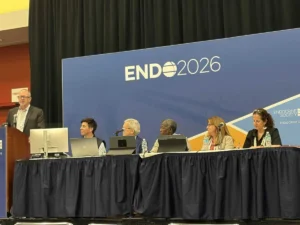
Following the conclusion of ENDO 2026 in Chicago, Illinois, the Endocrine Society has pivoted its focus toward a robust autumn schedule designed to address the evolving needs of both the global research community and clinical practitioners. This transition marks a critical period in the Society’s annual cycle, moving from the broad, multi-disciplinary scope of its flagship annual meeting to a series of specialized symposia and intensive educational reviews. The upcoming fall lineup includes the inaugural joint meeting with Keystone Symposia, a high-level science summit in Spain, and the Society’s foundational clinical board review and update programs. These initiatives reflect a strategic effort to bridge the gap between foundational laboratory discovery and the practical application of endocrine medicine in an increasingly complex healthcare landscape.
A Strategic Shift to Specialized Scientific Discourse
The conclusion of ENDO 2026 serves as the catalyst for a more granular approach to endocrine science. While the Chicago meeting provided a high-level overview of the field, the fall 2026 program is structured to facilitate deep-dive explorations into specific niches, such as immuno-oncology and nuclear receptor signaling. The Endocrine Society, which has served as a cornerstone of the medical community since its founding in 1916, continues to leverage its international reach to foster collaboration across borders and disciplines.
The society’s leadership has emphasized that the period following the annual meeting is not merely a hiatus but a preparation phase for high-impact interactions. As the global burden of endocrine-related diseases—ranging from diabetes and obesity to hormone-sensitive cancers—continues to rise, the demand for specialized knowledge has reached an all-time high. According to the World Health Organization and various endocrine research bodies, the prevalence of metabolic disorders is expected to increase by nearly 20% over the next decade, necessitating the precise, evidence-based updates that these fall meetings are designed to provide.
Chronology of the Fall 2026 Educational Season
The Society’s fall calendar is strategically sequenced to accommodate the diverse schedules of its global membership. The season commences in mid-September with a focus on professional certification and fundamental molecular science, before moving into specialized translational research and clinical practice updates in October.
September 18–20: Endocrine Board Review (EBR) 2026
The season begins with the Endocrine Board Review (EBR), a rigorous, online-only program. This initiative is tailored specifically for fellows and practicing endocrinologists preparing for the American Board of Internal Medicine (ABIM) Endocrinology, Diabetes, and Metabolism certification exam. The EBR has historically been one of the Society’s most sought-after programs due to the notoriously high difficulty level of the ABIM exam. Statistics from recent years indicate that the pass rate for first-time takers of the endocrinology subspecialty board can fluctuate significantly, often hovering between 85% and 90%, leaving a substantial number of candidates in need of structured, high-yield preparation.
September 21–23: Science Summit – Networked for Life
Immediately following the EBR, the focus shifts to Málaga, Spain, for the Science Summit titled "Nuclear Receptors in Age-related Diseases." This in-person event represents the Society’s commitment to international scientific exchange. By hosting the summit in Europe, the Society facilitates a cross-pollination of ideas between North American and European researchers, particularly those focused on the molecular mechanisms of aging.
October 5–8: Keystone Symposia Collaborative Meeting
In early October, the Society will travel to Breckenridge, Colorado, for a landmark collaboration with Keystone Symposia. The meeting, "Hormonal Influences on Immunity and Cancer Across the Lifespan," is the first in a new series of joint conferences. This event is designed to be intimate, encouraging direct dialogue between basic scientists and translational researchers.
October 22–24: Clinical Endocrinology Update (CEU) 2026
The fall season concludes with the Clinical Endocrinology Update (CEU), a comprehensive online meeting. The CEU is the clinical counterpart to the EBR, focusing on the latest guidelines and therapeutic advancements rather than board preparation. It provides a vital service for clinicians who must maintain their Continuing Medical Education (CME) credits and stay current with rapidly changing treatment protocols.
Advancing Research: The Intersection of Hormones, Immunity, and Cancer
The collaboration with Keystone Symposia in Breckenridge represents a significant evolution in how the Endocrine Society approaches research. By partnering with an organization renowned for its focus on fundamental biological mechanisms, the Society aims to address "Hormonal Influences on Immunity and Cancer Across the Lifespan." This theme is particularly relevant given the recent breakthroughs in immuno-oncology, where the role of the endocrine system is increasingly recognized as a pivotal factor in tumor microenvironments and therapeutic resistance.
The "bench-to-bedside-and-back" perspective of the Keystone meeting is intended to fill a critical gap in current oncological research. Historically, endocrinology and oncology have often operated in silos; however, the rise of hormone-dependent cancers—such as breast, prostate, and endometrial cancers—demands an integrated approach. Organizers have noted that the meeting will focus on how hormonal fluctuations throughout life, from puberty to senescence, impact immune surveillance and cancer progression. This interdisciplinary focus is expected to yield new insights into why certain patients respond to immunotherapy while others do not, potentially leading to more personalized treatment regimens.
Global Scientific Exchange in Málaga: Nuclear Receptors and Aging
The Science Summit in Málaga addresses one of the most pressing challenges in modern medicine: the "Silver Tsunami," or the global aging of the population. Nuclear receptors, which act as transcription factors that regulate gene expression in response to hormonal and metabolic signals, are at the heart of age-related pathologies. From osteoporosis and sarcopenia to neurodegenerative diseases and metabolic syndrome, the dysfunction of nuclear receptor signaling is a common thread.
Chaired by Inés Pineda-Torra of CABIMER and Mercedes Ricote of CNB-CSIC, the summit will feature a global roster of innovators. The focus will remain on fundamental molecular mechanisms, but with a clear eye toward therapeutic applications. As the pharmaceutical industry increasingly targets nuclear receptors like PPARs, LXRs, and RXRs for metabolic and inflammatory diseases, the data presented in Málaga will likely inform the next generation of drug development. The choice of Málaga as a venue underscores the importance of the Spanish and broader European scientific communities in the field of molecular endocrinology.
Supporting Professional Excellence: The EBR Pass Guarantee
A notable feature of the 2026 fall lineup is the Society’s "pass guarantee" for the Endocrine Board Review program. This policy reflects the Society’s confidence in its methodical approach to board preparation. The EBR 18th Edition curriculum is built upon a foundation of case-based learning and customizable practice exams that mimic the format and rigor of the actual ABIM exam.
The decision to offer free registration for the 2027 cycle to any 2026 participant who does not pass the boards is a significant professional assurance. For rising endocrinologists, the stakes are exceptionally high; board certification is often a prerequisite for hospital privileges, insurance reimbursement, and career advancement. By providing a structured pathway through live study sessions and peer interaction, the Society aims to mitigate the stress associated with one of the most demanding exams in the medical profession.
Clinical Updates and the Importance of Continuing Education
The Clinical Endocrinology Update (CEU) remains the Society’s primary vehicle for disseminating practical medical knowledge to the front lines of patient care. In 2026, the program will offer up to 18 AMA PRA Category 1 Credits and 18 ABIM MOC points, with an additional 36 credits available through post-event recordings. This volume of credit reflects the depth of the curriculum, which covers the entire spectrum of the field, including thyroid disorders, adrenal health, bone metabolism, and the management of diabetes technology.
In an era of "information overload," the CEU serves as a curated filter, providing clinicians with the most relevant evidence-based updates. For instance, as new GLP-1 receptor agonists and dual-incretin therapies continue to revolutionize diabetes and obesity management, the CEU provides a platform for experts to discuss real-world implementation, side-effect management, and long-term outcomes. The online format ensures that these updates are accessible to a global audience, regardless of geographic or institutional constraints.
Broader Impact and Future Implications
The Endocrine Society’s fall 2026 programming is more than a series of meetings; it is a reflection of the current state of the specialty. The emphasis on hybrid and online learning (EBR and CEU) acknowledges the need for flexibility in the modern medical workforce, while the commitment to high-level, in-person summits (Málaga and Breckenridge) recognizes that the most profound scientific breakthroughs often happen during face-to-face collaboration.
The implications of these meetings extend beyond the immediate participants. The research presented at the Keystone and Science Summit events will eventually find its way into peer-reviewed journals and, ultimately, clinical guidelines. The clinicians trained through EBR and CEU will go on to treat thousands of patients using the most current standards of care.
Furthermore, the Society’s focus on special interest groups and its Center for Learning ensures that educational opportunities remain available year-round. This continuous cycle of learning is essential for a field like endocrinology, which sits at the intersection of almost every other medical subspecialty. As the Society looks toward the future, these fall meetings represent a vital investment in the intellectual capital of the global endocrine community, ensuring that both research and practice continue to advance in tandem to improve patient outcomes worldwide.