

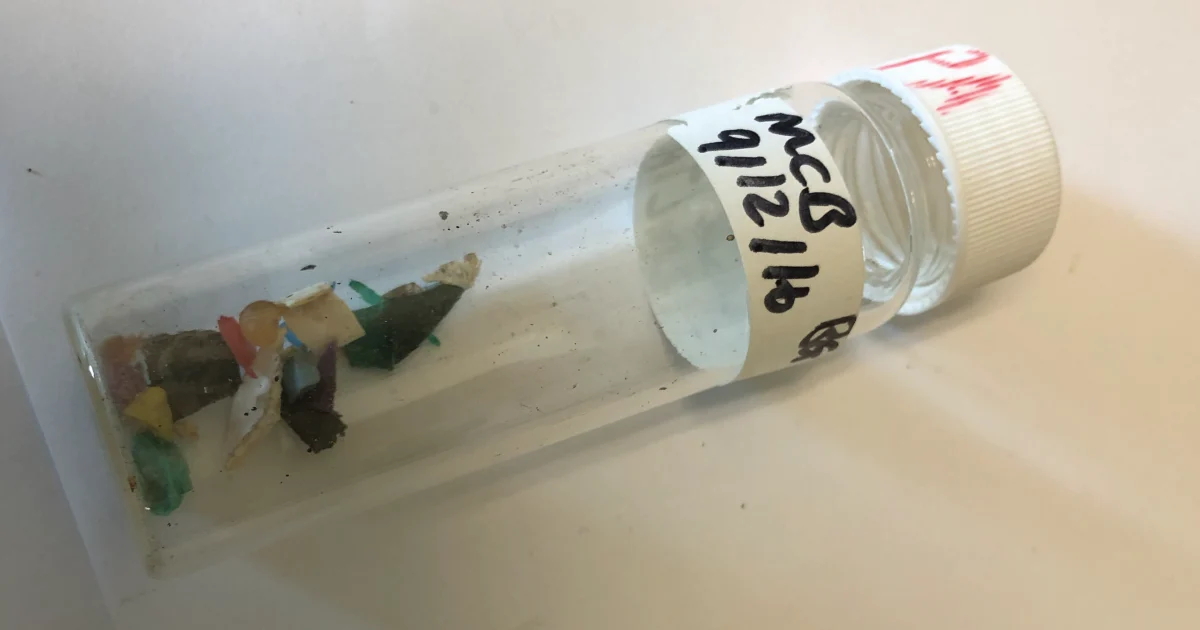
The global trajectory of plastic production and its subsequent environmental infiltration has reached a critical juncture, characterized by a staggering cumulative output of approximately 10 billion metric tons since the early 20th century. While plastics have become an indispensable facet of modern existence due to their versatility, durability, and cost-effectiveness, the exponential rise in production has outpaced global waste management capabilities. This systemic imbalance was profoundly exacerbated by the COVID-19 pandemic, which introduced a secondary "plastic pandemic" driven by the urgent and massive demand for personal protective equipment (PPE) and single-use medical supplies. Recent longitudinal studies, including comprehensive data published in Nature and other leading scientific journals, reveal that the environmental footprint of this period will persist for centuries, as larger plastic debris fragments into insidious microplastics (MPs) and nanoplastics (NPs), contaminating the planet’s soil, waterways, and biological systems.
The Magnitude of Modern Plastic Production
The evolution of plastic from a niche industrial material to a global commodity has been one of the most rapid industrial shifts in human history. By the end of the 20th century, plastic had integrated into every sector, from aerospace and automotive engineering to food packaging and healthcare. According to research led by Lebreton and Andrady, the global production of plastic has reached a scale where it is now considered a geological marker of the Anthropocene. With nearly 10 billion metric tons produced to date, the volume of plastic currently on Earth outweighs the combined biomass of all terrestrial and marine animals.
As global living standards continue to rise, particularly in developing economies, the demand for plastic is projected to increase further. This growth is driven by the material’s unique properties—it is lightweight, sterile, and easily molded. However, these same properties make it an environmental nightmare. Most synthetic polymers are designed to resist degradation, meaning that nearly every piece of plastic ever manufactured still exists in some form, unless it has been incinerated. The lack of a robust global circular economy has resulted in a linear "take-make-waste" model that funnels millions of tons of plastic into landfills and natural ecosystems annually.
The COVID-19 Catalyst: A Timeline of Accelerated Pollution
The onset of the COVID-19 pandemic in early 2020 marked a significant departure from global efforts to reduce single-use plastics. Prior to the pandemic, many nations were implementing bans on plastic straws, bags, and cutlery. These initiatives were largely suspended or reversed as hygiene and infection control became the primary global priorities.
2020: The Surge of PPE
During the first year of the pandemic, the demand for face masks, nitrile gloves, and medical gowns skyrocketed. Hospital settings reported that more than 75% of their waste was composed of single-use plastics. The sudden shift in consumption patterns overwhelmed existing waste treatment facilities, particularly in regions lacking high-temperature incineration capabilities.
2021: The Quantified Impact
By 2021, researchers began to quantify the scale of the waste. A landmark study by Peng et al. estimated that more than 8.4 million tons of pandemic-associated plastic waste were generated across 193 countries. Of this, approximately 25.9 thousand tons were released directly into the global oceans. The study highlighted a disturbing trend: nearly 70% of this global plastic discharge originated from hospital environments, emphasizing the medical sector’s role as a primary driver of plastic pollution during the crisis.
2022-2023: Evidence of Biological Infiltration
Research by Rivas et al. and Rai et al. demonstrated that the "plastic pandemic" was not just a waste management issue but a biological one. Studies found that discarded face masks in marine environments were becoming hotspots for microbial colonization. These "plastispheres" allowed for the transport of potentially pathogenic microbes across oceanic distances, while the masks themselves began to shed microfibers at an alarming rate.
The Mechanics of Degradation: From Masks to Microplastics
The environmental hazard of plastic is not limited to its visible presence as litter. The true danger lies in its degradation process. Unlike organic matter, plastic does not biodegrade; instead, it undergoes "weathering" or "fragmentation." In the marine environment, a combination of ultraviolet (UV) radiation from the sun, mechanical action from waves, and microbial activity breaks down large plastic items into microplastics (smaller than 5mm) and nanoplastics (smaller than 1 micrometer).
Surgical face masks, which are primarily composed of polypropylene microfibers, are particularly prone to this fragmentation. Research by Saliu et al. indicates that a single discarded mask can release thousands of microfibers into the water column. These fibers are then ingested by phytoplankton and other low-trophic level organisms. Because these organisms form the base of the marine food web, the plastic particles—and the toxic chemicals they often carry—undergo biomagnification, reaching toxic levels in higher animals, including fish, marine mammals, and eventually, humans.
Furthermore, the role of microbes and phytoplankton as "drivers" of plastic processing is a double-edged sword. While some bacteria have evolved to utilize plastic as a carbon source, the process is incredibly slow and often results in the release of smaller, more mobile nanoplastics that can penetrate biological membranes and even enter the bloodstream of living organisms.
Supporting Data and Environmental Statistics
The scale of the crisis is best understood through the lens of recent environmental data:
- Total Plastic Generated: ~10 billion metric tons since 1950.
- Pandemic Waste: 8.4 million tons of waste specifically linked to COVID-19 PPE and packaging.
- Oceanic Discharge: 25,900 tons of pandemic plastic entered the oceans, primarily through major river systems like the Yangtze, Indus, and Ganges.
- Hospital Contribution: 70% of plastic waste released into the environment during the pandemic came from medical facilities, highlighting a lack of sustainable disposal options for clinical waste.
- Microfiber Release: A single surgical mask can shed up to 16 million microfibers per day when exposed to marine weathering conditions.
These figures represent a significant setback for the United Nations’ Sustainable Development Goals (SDGs), particularly Goal 14 (Life Below Water) and Goal 12 (Responsible Consumption and Production).
Institutional Responses and the Bio-Circular Economy
The scientific community and international bodies have expressed growing concern over the long-term implications of these findings. Dr. Anil Kumar Rai and his colleagues have pointed out that the surge in single-use plastics during COVID-19 has severely disrupted the progress of the "global bio-circular economy." This economic model aims to replace fossil-fuel-based plastics with biodegradable alternatives and ensure that all materials are reused or recycled.
In response to the data, several international organizations have called for a "Global Treaty on Plastic Pollution." In 2022, the United Nations Environment Assembly (UNEA) agreed to develop a legally binding instrument to end plastic pollution. However, the legacy of the pandemic waste remains a significant hurdle. Experts argue that current recycling technologies are insufficient to handle the volume and complexity of medical-grade plastics, which are often contaminated and require specialized treatment.
"The pandemic showed us how fragile our environmental commitments are when faced with a public health emergency," says a hypothetical summary of expert consensus. "The challenge now is to engineer medical supplies that provide the same level of protection without remaining in the environment for 500 years."
Analysis of Broader Implications and Future Risks
The implications of the current plastic trajectory are multifaceted, affecting human health, economic stability, and ecological integrity.
Human Health Risks
The infiltration of microplastics into the human food chain is no longer a theoretical risk; it is a documented reality. MPs have been found in human blood, lung tissue, and even placentas. While the long-term health effects are still being studied, preliminary research suggests that these particles can cause inflammatory responses, oxidative stress, and act as vectors for endocrine-disrupting chemicals like phthalates and bisphenol A (BPA).
Economic Costs
The economic burden of plastic pollution is immense. It includes the costs of beach cleanups, damage to fisheries and aquaculture, and the impact on the tourism industry. The "Plastic Pandemic" has added a new layer of cost: the management of millions of tons of additional medical waste. Without a shift toward sustainable materials, the cost of remediating contaminated soil and water will likely fall on taxpayers and future generations.
Ecological Integrity
The contamination of soil and water alters the fundamental chemistry of ecosystems. In soil, microplastics can affect water retention and the health of earthworms and other essential organisms. In the ocean, the presence of plastic can interfere with the carbon-sequestering capabilities of phytoplankton, potentially accelerating climate change.
Conclusion: The Path Forward
The research provided by Pankaj, Verma, Rai, and Babele serves as a stark reminder that the solutions to global crises must be holistic. The protection of human health through the use of plastics should not come at the cost of the planet’s ecological health. As the world moves beyond the acute phase of the COVID-19 pandemic, the focus must shift toward "sustainable energy resilience" and the development of a circular bio-economy that can withstand future shocks.
This requires a multi-pronged approach:
- Innovation in Materials: Investing in the development of biodegradable and compostable PPE that meets medical safety standards.
- Infrastructure Investment: Enhancing waste management systems, particularly in developing nations, to prevent the leakage of plastic into river systems.
- Regulatory Frameworks: Implementing strict international standards for plastic production and waste, ensuring that producers are held accountable for the entire lifecycle of their products.
- Public Awareness: Educating the global population on the proper disposal of PPE and the dangers of microfiber pollution.
The data is clear: the 10 billion tons of plastic already produced, combined with the millions of tons added during the pandemic, have created an environmental debt that is currently being paid by the natural world. Addressing this legacy is perhaps the most significant environmental challenge of the 21st century.
