

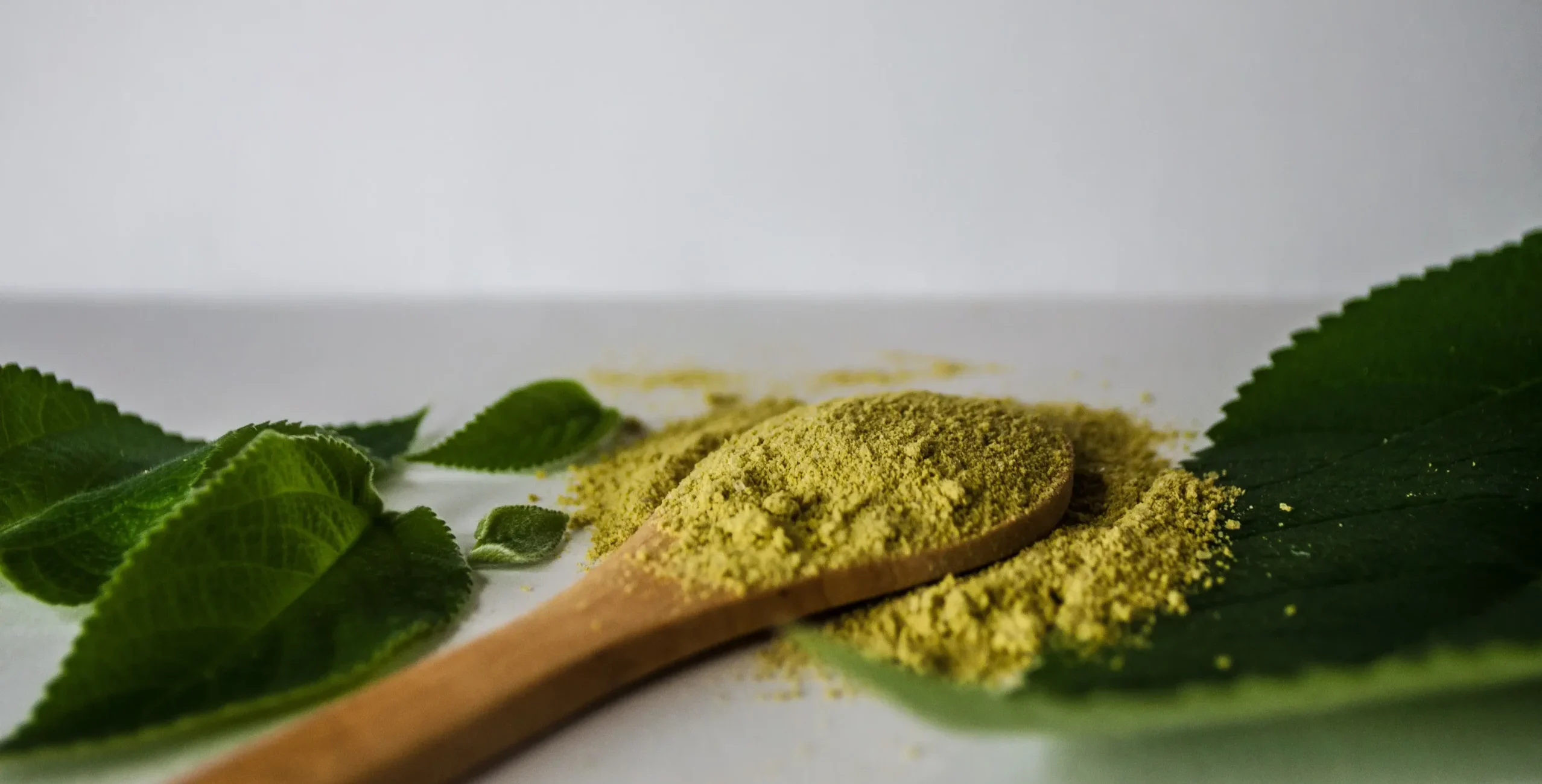
The recent discovery of packaged kratom in the possession of two deceased University of Mississippi students has reignited an intense national debate regarding the safety, legality, and regulation of the herbal supplement. While local coroners and law enforcement officials clarified that the deaths were not directly attributed to kratom consumption, the presence of the substance at the scene has prompted a wave of public health warnings and a renewed scrutiny of the "gray market" industry that has flourished across the United States over the last decade. This incident serves as a flashpoint in a broader conflict involving federal regulators, state lawmakers, and millions of Americans who rely on the plant for chronic pain management and opioid cessation.
Among those watching the developments with concern is Jeffrey Deaver, a 58-year-old retired timber cutter living in Washington State. For Deaver, the conversation surrounding kratom is not merely a matter of policy, but a question of quality of life. Having spent decades performing backbreaking labor in the Pacific Northwest, Deaver suffers from severe chronic hip and knee pain that traditional medicine struggled to address. Facing long wait times for necessary surgeries and finding little relief in standard pharmaceutical interventions, Deaver turned to kratom four years ago as a last resort.
Initially hesitant, Deaver describes a cautious introduction to the herb. "I was scared at first," he admitted, noting that he started with small doses to gauge his body’s reaction. As he gradually increased his intake, he found the relief he had been seeking for years. "It was like a miracle," Deaver said. "I could sleep. I could function. I just don’t know what I’d do without it." Deaver’s story is emblematic of a significant portion of the kratom-using population—individuals who view the plant as a vital tool for survival in the face of a healthcare system that they feel has failed them.
The Botanical Profile and Pharmacological Effects of Kratom
Kratom, scientifically known as Mitragyna speciosa, is a tropical evergreen tree in the coffee family native to Southeast Asia, particularly Thailand, Malaysia, Indonesia, and Papua New Guinea. For centuries, laborers in these regions chewed the leaves to combat fatigue and improve productivity, or brewed them into teas to treat various ailments. The plant contains more than 40 active compounds, but the primary alkaloids responsible for its effects are mitragynine and 7-hydroxymitragynine.
The pharmacology of kratom is complex and unique. At low doses, it typically acts as a stimulant, increasing energy, alertness, and sociability. At higher doses, however, it interacts with the mu-opioid receptors in the brain, producing sedative and analgesic (pain-relieving) effects similar to those of traditional opioids. It is this dual nature that makes kratom both highly attractive to those seeking alternatives to prescription painkillers and highly concerning to health officials who fear its potential for addiction and respiratory depression.
Unlike synthetic opioids, kratom is often described as a "partial agonist," which proponents argue makes it less likely to cause the fatal respiratory depression associated with drugs like oxycodone or fentanyl. However, the U.S. Food and Drug Administration (FDA) has consistently pushed back against this narrative, warning that the substance carries significant risks of toxicity and can lead to physical dependence.
Chronology of Regulation and the 2016 Turning Point
The history of kratom in the United States is marked by a sudden transition from an obscure botanical product to a multi-billion-dollar industry. In the early 2000s, kratom was largely confined to niche ethnobotanical shops. By the mid-2010s, it had become a staple in smoke shops, gas stations, and online marketplaces, marketed as a "natural" solution for everything from anxiety to opioid withdrawal.
The regulatory battle reached a fever pitch in August 2016, when the Drug Enforcement Administration (DEA) announced its intent to place mitragynine and 7-hydroxymitragynine into Schedule I of the Controlled Substances Act. This classification would have effectively banned the substance, placing it in the same category as heroin and LSD, on the grounds that it posed an "imminent hazard to public safety."
The announcement triggered an unprecedented backlash. Thousands of kratom users, including veterans and chronic pain patients, shared their stories of recovery and relief. Advocacy groups, most notably the American Kratom Association (AKA), organized protests and lobbied members of Congress. In a rare move, a bipartisan group of lawmakers signed letters urging the DEA to delay the ban. By October 2016, the DEA withdrew its notice of intent, opting instead to open a public comment period. To date, kratom remains legal at the federal level, though it exists in a regulatory vacuum where the FDA has not approved it for any medical use.
Supporting Data: Prevalence and Public Health Trends
Estimates regarding the number of kratom users in the United States vary, but the American Kratom Association suggests the figure could be as high as 10 to 15 million people. This growth is reflected in data from U.S. poison control centers. A study published in the journal Clinical Toxicology found that between 2011 and 2017, there was a significant increase in calls related to kratom exposure, with the majority of cases involving intentional use.
The Centers for Disease Control and Prevention (CDC) has also monitored kratom-involved deaths. A 2019 report analyzed 152 deaths in which kratom was detected during autopsy. However, the report noted that in nearly all cases, other substances—such as fentanyl, heroin, benzodiazepines, or alcohol—were also present in the deceased’s system. This has led to a contentious debate over "kratom-involved" versus "kratom-caused" fatalities. While the FDA points to these deaths as evidence of the plant’s danger, advocates argue that the real risk lies in the lack of regulation, which allows for the sale of products contaminated with heavy metals, salmonella, or synthetic adulterants.
The Situation in Mississippi and Local Legislative Responses
The recent incident at the University of Mississippi highlights the fragmented legal landscape of the United States. While kratom is legal under Mississippi state law, several counties and municipalities within the state have enacted their own bans. This "patchwork" of legality creates confusion for consumers and law enforcement alike.
In the wake of the student deaths, Mississippi officials have expressed heightened concern regarding the accessibility of the substance to young adults. While the coroner’s report did not list kratom as the cause of death for the two students, the discovery of the packaged herb has prompted local health departments to issue advisories. These warnings emphasize that because kratom is not regulated by the FDA, there is no guarantee of the product’s purity or potency.
"When you buy a product over the counter that hasn’t undergone rigorous testing, you are essentially participating in an unregulated experiment," noted one local health official who requested anonymity. "The concern isn’t just the plant itself, but what might be added to it in the manufacturing process."
Official Responses and the Push for the Kratom Consumer Protection Act
The reaction from the kratom industry has been focused on advocating for regulation rather than prohibition. The American Kratom Association has been a vocal proponent of the "Kratom Consumer Protection Act" (KCPA), a piece of model legislation that has already been adopted in several states, including Utah, Georgia, and Arizona.
The KCPA aims to address safety concerns by:
- Prohibiting the sale of kratom to minors (typically under 18 or 21).
- Requiring manufacturers to test products for contaminants like salmonella and heavy metals.
- Mandating clear labeling that includes alkaloid content and dosage recommendations.
- Banning the sale of "adulterated" kratom—products that have been spiked with synthetic chemicals to increase their potency.
Proponents argue that if the KCPA were enacted federally or more broadly at the state level, incidents involving contaminated or dangerously potent kratom would decrease. Conversely, opponents of the herb, including some medical associations and anti-drug advocates, argue that no amount of regulation can make an addictive, opioid-like substance safe for general consumption. They point to countries like the United Kingdom, Australia, and several Southeast Asian nations where kratom has been banned for years.
Broader Impact and Future Implications
The debate over kratom is a microcosm of the larger struggle to manage pain and addiction in the 21st century. As the United States continues to grapple with the opioid crisis, many individuals are wary of prescription narcotics but find themselves with few alternatives. For people like Jeffrey Deaver, the possibility of a kratom ban is a frightening prospect that threatens to return them to a life of debilitating pain.
"I’m not a criminal; I’m a retired worker who wants to be able to walk and play with my grandkids," Deaver stated. "If they take this away, they are pushing people like me back into the shadows or back toward pills that are much more dangerous."
From a policy perspective, the path forward remains uncertain. The FDA continues to collect data on the adverse effects of kratom, while researchers at institutions like the University of Florida are conducting clinical trials to better understand the plant’s therapeutic potential. Some researchers believe that kratom’s alkaloids could hold the key to developing new, non-addictive painkillers, but such developments are years, if not decades, away.
In the immediate term, the incident at the University of Mississippi is likely to fuel further local and state-level legislative efforts. As more communities consider bans, the pressure on the federal government to provide a clear, science-based regulatory framework will only increase. Whether kratom will eventually be recognized as a legitimate herbal supplement, a controlled substance, or a regulated therapeutic aid remains one of the most complex questions in modern public health.
As the investigation into the Mississippi deaths concludes, the focus remains on education and harm reduction. Health officials urge anyone considering kratom to consult with a medical professional, particularly those with underlying heart conditions or those taking other medications. For the millions of current users, the hope is that the conversation shifts toward ensuring product safety and transparency, rather than a return to the threat of total prohibition.
