






Ashwagandha, scientifically known as Withania somnifera, stands as one of the most popular botanicals in the United States, deeply integrated into a wide array of health and wellness products. Its prominence spans categories such as stress management, sleep support, athletic performance enhancement, and women’s health formulas. However, this remarkable ascent has not been without its share of controversy and increasing regulatory scrutiny. For this ancient Ayurvedic staple, with a history of use stretching back thousands of years, the focal points of contention primarily revolve around regulatory status, scientific evidence regarding its efficacy and safety, the specific parts of the plant used in formulations, and the potential for adulteration. This comprehensive overview aims to clarify the current standing of ashwagandha on these critical issues, offering a detailed examination of recent developments and their broader implications, updated as of October 1, 2026.
Global Regulatory Status: A Patchwork of Approvals and Restrictions
Contrary to some perceptions, ashwagandha is not globally banned. Its regulatory status varies significantly across different jurisdictions. In the United States, ashwagandha is generally permitted for use in dietary supplements, subject to the overarching regulations enforced by the Food and Drug Administration (FDA) concerning good manufacturing practices and labeling. Similarly, the European Union, as a whole, does not impose a blanket ban on the herb.
However, individual member states within the EU and other countries have implemented their own specific regulations. Denmark stands out as the sole country with an outright ban on ashwagandha in food supplements. While other nations may not enforce outright prohibitions, they often issue warnings or establish specific limits on its consumption. For instance, food safety agencies in countries like France and Germany advise certain vulnerable groups against taking ashwagandha, such as pregnant or breastfeeding women, individuals with pre-existing medical conditions like thyroid disorders or liver issues, without enacting complete prohibitions.
This varied regulatory landscape presents a complex challenge for manufacturers and distributors operating on an international scale. The need to navigate differing national legislations requires meticulous attention to compliance and product formulation.
The Indian Regulatory Shift: Prioritizing the Root of Ashwagandha
In a significant development that has reverberated through the global supply chain, two governmental bodies in India took decisive action in April 2026 to establish the primacy of ashwagandha root-only ingredients in formulations. The Ministry of Ayush (Ayurveda, Yoga & Naturopathy, Unani, Siddha and Homoeopathy) and the Food Safety and Standards Authority of India (FSSAI) issued directives that have fundamentally altered the regulatory framework for ashwagandha production and export from India, the world’s predominant source of the herb.
This move by Indian authorities was not sudden. It built upon a series of previous advisories and expert recommendations. In October 2021, the Ministry of Ayush issued an advisory against the use of ashwagandha leaves in supplements. This was met with objections from the industry, prompting a re-examination of the issue. Crucially, a 2024 safety dossier compiled by a government expert committee recommended a root-only approach for ashwagandha ingredients, laying the scientific groundwork for the subsequent regulatory actions.
The stated reasoning behind these restrictions by the Indian government centers on several key concerns:
- Potential Toxicity and Adverse Effects: Reports of adverse events, including liver damage, have been a significant driver for the regulatory scrutiny. The government emphasizes the need to mitigate potential health risks associated with the consumption of ashwagandha.
- Lack of Standardized Efficacy Data for Leaf Extracts: While the root is traditionally recognized for its medicinal properties in Ayurveda, the therapeutic efficacy and safety profile of leaf extracts have been less extensively documented and standardized, leading to concerns about their consistent benefit and potential risks.
- Quality Control and Adulteration: The distinction between root and leaf also plays a critical role in preventing adulteration. The government aims to ensure the integrity and purity of ashwagandha products by restricting the use of potentially lower-quality or less-studied plant parts.
Proponents of the root-only rule, including many suppliers of ashwagandha root extracts and select brands, view these regulations as a vital tool in combating adulteration. They argue that the addition of cheaper ashwagandha leaf to extracts marketed as root-based can artificially inflate the measured withanolide content, a key active compound, thereby misleading consumers and compromising product quality. This perspective aligns with findings from research highlighting the challenges in verifying the precise composition of ashwagandha supplements.
The Legal Challenge to India’s Root-Only Mandate
Despite the governmental directives, India’s ashwagandha leaf ban is not entirely in effect across the board. On May 12, 2026, the Karnataka High Court issued an interim stay on both the Ayush directive and the FSSAI advisory. This stay, however, applies only to the eight companies that filed the specific petitions challenging the regulations. For all other companies operating within India or exporting from the country, the directives remain binding. As of September 2026, the court had not publicly issued a final ruling, leaving a degree of uncertainty in the market.
The petitioners, a coalition of Indian and international ingredient suppliers, have mounted a legal challenge based on several arguments:
- Historical and Traditional Use of Leaves: They contend that ashwagandha leaves have also been used traditionally in Ayurvedic medicine for various purposes, and that an outright ban disregards this historical precedent.
- Scientific Evidence Supporting Leaf Efficacy and Safety: The petitioners assert that robust scientific data exists, including recent toxicology studies and human safety trials, demonstrating the safety and potential efficacy of ashwagandha root-and-leaf extracts. They point to a 2026 toxicology study and a 90-day human safety study on a branded root-and-leaf ingredient as evidence supporting their claims.
- Economic Impact: A complete ban on leaf use would significantly impact a segment of the industry, potentially leading to economic losses for businesses that have invested in and developed products based on these formulations.
The legal battle underscores the deep divisions within the industry regarding the scientific and traditional basis for using different parts of the ashwagandha plant.
Impact on Global Markets: The Ripple Effect of Indian Regulations
While India’s ashwagandha root-only rulings do not legally dictate regulations in the U.S. or Europe, their impact on global supply and pricing is undeniable. India is the world’s primary source of ashwagandha, and the Ayush directive specifically addresses exporters. Consequently, any significant changes in India’s regulatory environment for ashwagandha have a widespread effect on global availability and cost.
This situation highlights the interconnectedness of the global natural products market. Shifts in sourcing, production, and regulatory compliance in major producing countries can create ripple effects that influence product availability, formulation choices, and ultimately, consumer access in other parts of the world. For natural product brands operating internationally, staying abreast of these developments and understanding their potential supply chain implications is paramount.
The Scientific Debate: Root vs. Leaf and the Question of Adulteration
The core of the scientific debate surrounding ashwagandha centers on the comparative benefits and risks of using its root versus its leaves, and the pervasive issue of adulteration.
There is broad agreement on certain points:
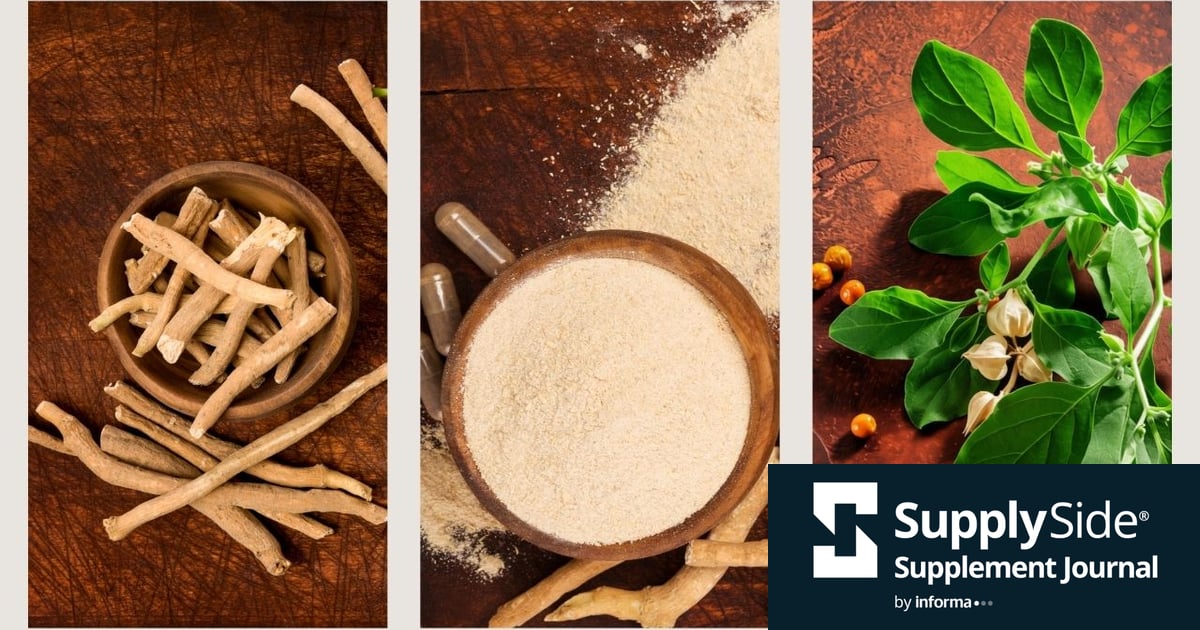
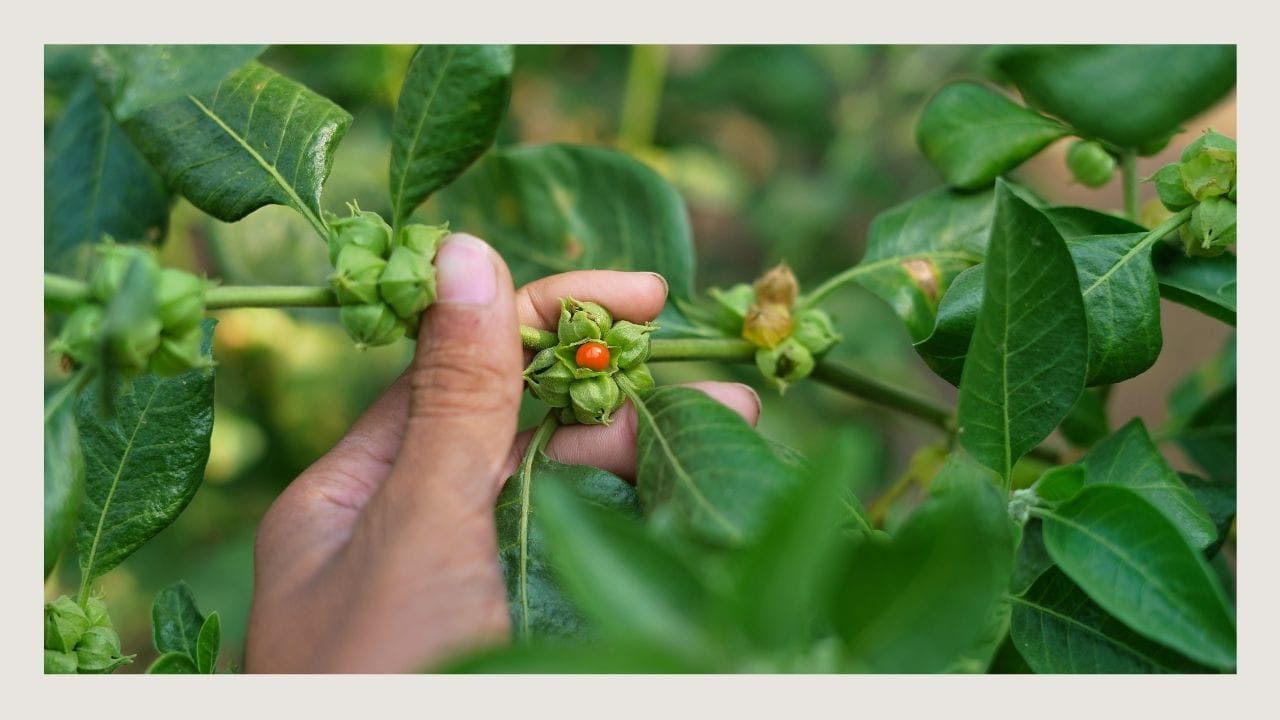
- Root as the Primary Medicinal Part: The ashwagandha root is widely recognized in traditional Ayurvedic medicine as the primary source of its adaptogenic and therapeutic properties. Key bioactive compounds, such as withanolides, are concentrated in the root.
- Leaves Contain Bioactive Compounds: Ashwagandha leaves also contain various bioactive compounds, including withanolides, though generally in lower concentrations compared to the root.
- Leaves Can Be Used to Adulterate Root Products: This is a critical point of concern for regulators and many industry stakeholders. The potential to add cheaper leaf material to root extracts can artificially inflate withanolide levels, creating a misleading impression of potency.
A significant 2025 study conducted by the University of Mississippi’s National Center for Natural Products Research, funded by the U.S. FDA and USDA, provided compelling evidence of this issue. The study analyzed 25 ashwagandha supplements purchased online. Of these, only two were exclusively root-derived among those that met British and U.S. pharmacopeia standards. The majority contained undeclared leaf or other above-ground plant parts. Overall, 44% of the tested supplements failed both standards, indicating a "wide spectrum of adulteration." The researchers cautioned that not all variability is necessarily adulteration; growing conditions, plant chemotype, and extraction methods also play a role. Critically, they concluded that existing testing methods, primarily designed for root analysis, are inadequate for the complex blends now prevalent in the market.
This research underscores the urgent need for improved analytical methods to accurately identify and quantify the components of ashwagandha supplements, ensuring product authenticity and consumer safety.
Developments in the Netherlands: A Potential European Precedent
The Netherlands has emerged as another key player in the evolving regulatory landscape for ashwagandha. In 2024, the Dutch public health institute RIVM advised against the use of ashwagandha, citing case reports of liver problems and potential effects on thyroid hormones. This led to a proposal by the Ministry of Health to add ashwagandha to its list of banned herbs.
A public consultation held in March 2025 reportedly saw over 700 responses, with a majority objecting to the proposed ban. This indicates a significant level of industry and consumer engagement on the issue.
In September 2026, the Netherlands formally notified the European Commission of a draft decree that would prohibit ashwagandha in food supplements and herbal preparations, with a crucial exception for the root. This decree is part of a broader regulatory initiative covering multiple substances, including DMAA and huperzine A (banned), synephrine (capped), and turmeric and St. John’s wort (warnings).
For ashwagandha specifically, root preparations would remain permitted. However, these products would be required to carry a prominent warning advising against use during pregnancy or breastfeeding, and by individuals with liver or thyroid problems. The warning would also note the rare possibility of ashwagandha causing liver issues. This approach represents a more nuanced stance than the initial complete ban proposed in 2025, likely influenced by industry submissions of safety data and input from India’s Ministry of Ayush.
The EU’s mandatory standstill period for this draft decree runs until December 7, 2026, with no definitive date set for full implementation. The Dutch supplement trade association NPN has indicated that the exemption for ashwagandha root followed the submission of safety data, and that the national public health institute, RIVM, is still reviewing this information. The final regulations could therefore be subject to further adjustments.
The EU’s Regulatory Authority: Article 8 and Potential Future Actions
The European Union possesses a framework for addressing potentially harmful substances in food and supplements through Article 8 of Regulation (EC) No. 1925/2006. This article empowers the European Commission to prohibit or restrict a substance in foods, or place it "under scrutiny," following a scientific assessment by the European Food Safety Authority (EFSA). This mechanism has been utilized in the past, such as the outright ban of ephedra in 2015 and the establishment of dosage limits for green tea catechins.
In June 2024, a working group comprising heads of European food safety agencies recommended prioritizing ashwagandha for an Article 8 procedure. As of September 2026, this procedure had not been formally initiated. In the interim, individual EU member states continue to set their own regulations, as seen with the developments in the Netherlands.
The prioritization of ashwagandha for an Article 8 procedure suggests a growing concern among EU regulatory bodies regarding the safety and efficacy of the herb. The process, if formally launched, would involve a thorough scientific review by EFSA, which could lead to harmonized regulations across the EU.
Regulators’ Concerns: Liver Health, Thyroid Function, and Adulteration
Regulatory bodies in Australia and the EU have expressed distinct but overlapping concerns regarding ashwagandha.
European Union:
- Hepatotoxicity: The primary concern driving regulatory attention in the EU is the emerging evidence of liver injury associated with ashwagandha consumption. Reports of drug-induced liver injury (DILI) linked to ashwagandha have prompted scientific bodies to call for further investigation.
- Thyroid Hormone Disruption: Some studies and case reports suggest that ashwagandha may influence thyroid hormone levels, particularly in individuals with subclinical hyperthyroidism, raising concerns for those with pre-existing thyroid conditions.
- Lack of Harmonized Standards: The absence of universally accepted quality standards and testing methodologies for ashwagandha, particularly regarding the distinction between root and leaf, contributes to regulatory uncertainty and the potential for product variability.
Australia:
- Contamination and Adulteration: Australian regulators have focused on the risk of contamination with heavy metals, pesticides, and other unlisted ingredients in herbal products, including ashwagandha.
- Misleading Claims: Concerns also exist regarding unsubstantiated or exaggerated health claims made about ashwagandha products, which can mislead consumers.
- Limited Safety Data for Specific Formulations: Similar to the EU, there is a call for more comprehensive safety data, especially for novel or complex formulations of ashwagandha.
These concerns collectively highlight the need for robust scientific evidence, stringent quality control, and transparent labeling to ensure the safe and effective use of ashwagandha in the global market.
What Natural Product Brands Should Watch For Next
The dynamic regulatory environment surrounding ashwagandha necessitates a proactive approach from natural product brands. Key areas to monitor include:
- EU Article 8 Procedure: The potential formal initiation of an Article 8 procedure for ashwagandha by the European Commission could lead to EU-wide regulations, significantly impacting market access and product formulation within the bloc.
- Final Rulings from Indian Courts: The outcome of the legal challenge to India’s root-only mandate could have far-reaching consequences for the global supply of ashwagandha and the types of products available.
- Advancements in Analytical Testing: The development and adoption of more sophisticated analytical techniques for ashwagandha will be crucial for verifying product authenticity and combating adulteration. Brands investing in these methods can gain a competitive advantage and enhance consumer trust.
- Emerging Safety and Efficacy Research: Continued scientific research into the safety profile, optimal dosages, and specific therapeutic benefits of ashwagandha, particularly differentiating between root and leaf extracts, will inform future regulatory decisions and consumer choices.
- Country-Specific Regulatory Updates: Brands must remain vigilant in tracking regulatory changes in individual markets, as national legislation can evolve rapidly and impact product compliance.
Conclusion
Ashwagandha’s journey from an ancient Ayurvedic remedy to a global wellness staple has been marked by both remarkable growth and increasing regulatory scrutiny. The controversies surrounding its use, particularly concerning the distinction between root and leaf, potential adulteration, and emerging safety concerns, have prompted significant regulatory actions in key markets like India and the Netherlands, with potential broader implications for the European Union.
While ashwagandha is not banned, the global regulatory landscape is a complex mosaic of approvals, warnings, and restrictions. The scientific debate continues regarding the optimal use of the plant, the adequacy of current testing methods, and the interpretation of existing safety data. For the natural product industry, navigating this evolving terrain requires a commitment to scientific integrity, robust quality control, transparent communication with consumers, and continuous adaptation to regulatory changes. The future of ashwagandha in the global market will undoubtedly be shaped by ongoing scientific research, robust regulatory oversight, and the industry’s ability to meet the evolving demands for purity, safety, and efficacy.