

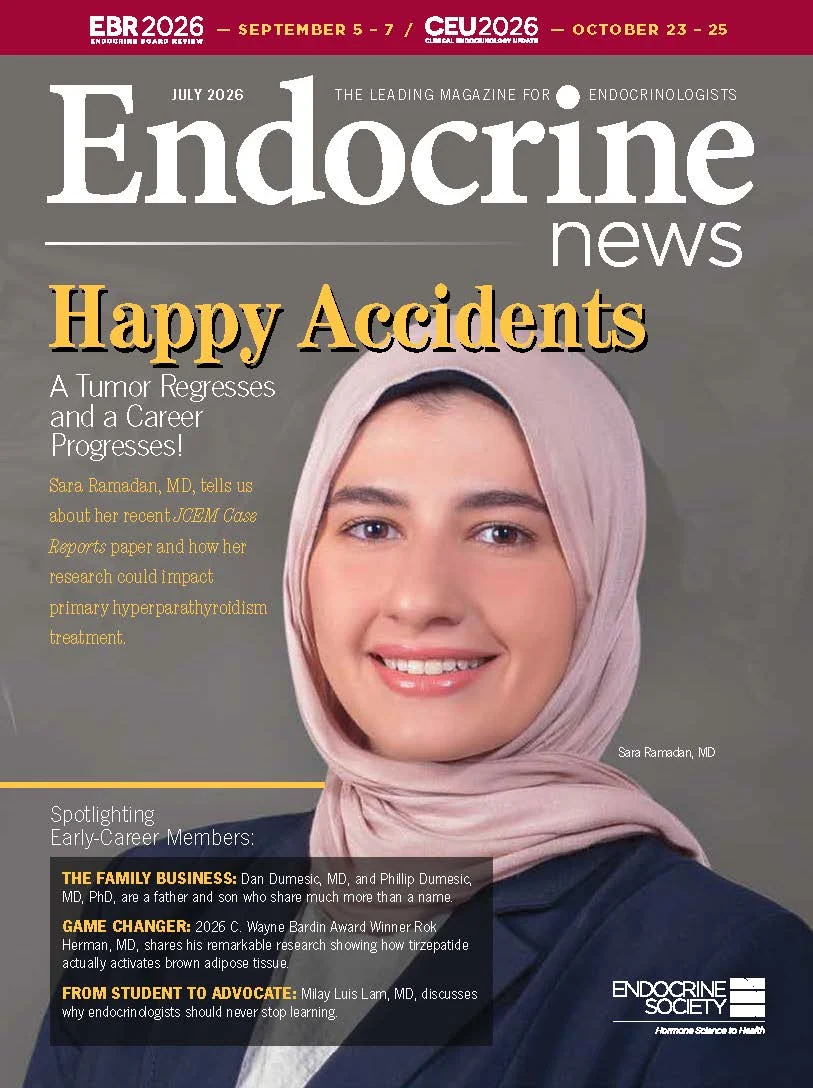
The publication of a rare clinical case in the March edition of JCEM Case Reports has sparked renewed interest in the pharmacological management of primary hyperparathyroidism (PHPT), a condition typically requiring surgical intervention for definitive resolution. Sara Ramadan, MD, a resident at the Boston Medical Center-Brighton and a member of the Boston University Chobanian & Avedisian School of Medicine, alongside her mentor Shirin Haddady, MD, MPH, of Massachusetts General Hospital, documented a significant medical anomaly: the regression of a parathyroid adenoma and sustained biochemical remission in a patient following the use of cinacalcet. This finding challenges the established understanding of cinacalcet as a purely symptomatic bridge therapy and opens new avenues for discussing the long-term potential of calcimimetics in specific patient populations.
The Pathophysiology and Prevalence of Primary Hyperparathyroidism
Primary hyperparathyroidism is a common endocrine disorder characterized by the autonomous overproduction of parathyroid hormone (PTH), usually resulting from a single benign adenoma, though multiglandular hyperplasia or, more rarely, carcinoma can be the cause. It is currently ranked as the third most prevalent endocrine disorder worldwide, trailing only diabetes mellitus and thyroid diseases. PHPT affects approximately 1% of the adult population, with a notably higher incidence among postmenopausal women.
The clinical hallmark of the disease is hypercalcemia, which can lead to a variety of systemic complications, including nephrolithiasis (kidney stones), osteoporosis, and neuropsychiatric symptoms. In the United States, the standard of care remains the surgical removal of the overactive gland—a parathyroidectomy—which boasts a success rate exceeding 95%. However, for patients who are poor surgical candidates due to comorbidities, medical management becomes the primary focus.
Clinical Presentation and Diagnostic Chronology
The case documented by Dr. Ramadan involved a 68-year-old male patient who was referred to the endocrine clinic following a routine laboratory screening. The patient’s initial biochemical profile was indicative of severe, symptomatic PHPT. His serum calcium level was recorded at 12.1 mg/dL, significantly higher than the typical upper limit of approximately 10.5 mg/dL. Concurrently, his intact parathyroid hormone (PTH) level was 451 pg/mL, nearly seven times the upper reference limit.
Further diagnostic testing revealed a phosphate level of 2.2 mg/dL, which is below the normal range, and a dual-energy X-ray absorptiometry (DEXA) scan that showed a femoral neck T-score of −2.0, confirming a diagnosis of osteopenia. To localize the source of the PTH excess, clinicians utilized high-resolution ultrasonography. The imaging identified a well-demarcated, hypoechoic mass measuring 2.3 × 1.7 × 3.0 cm located posterior to the inferior right thyroid lobe. The mass exhibited peripheral vascular flow, a characteristic often associated with parathyroid adenomas.
Based on these findings, the medical team initially recommended a parathyroidectomy. However, the patient’s clinical trajectory was redirected during a preoperative cardiac evaluation. The assessment revealed severe multivessel coronary artery disease, rendering the patient a high-risk candidate for immediate surgery. Consequently, the patient underwent percutaneous coronary intervention (PCI) with stent placement. To manage his cardiac condition, he was prescribed dual antiplatelet therapy for six months, necessitating a delay in the parathyroid surgery.
The Role of Cinacalcet as Bridge Therapy
To address the patient’s severe hypercalcemia during the six-month wait for surgery, Dr. Ramadan and her team initiated therapy with cinacalcet. Cinacalcet is a calcimimetic agent that increases the sensitivity of the calcium-sensing receptor (CaSR) located on the surface of the parathyroid chief cells. By modulating this receptor, cinacalcet inhibits the secretion of PTH, thereby lowering serum calcium levels.
The FDA has approved cinacalcet specifically for the management of severe hypercalcemia in patients with PHPT who are unable to undergo surgery. In this instance, the medication was intended as a "bridge therapy"—a temporary measure to stabilize the patient until his cardiac status allowed for an operation. The patient was started on 30 mg daily, which was subsequently titrated to 30 mg twice daily.
Observations of Unanticipated Remission
Six months after starting cinacalcet, the patient returned for a follow-up appointment reporting new-onset paresthesias, a common symptom of low calcium levels. Laboratory tests confirmed frank hypocalcemia, with serum calcium dropping to 6.8 mg/dL and PTH plummeting to 14 pg/mL. Clinicians immediately discontinued the cinacalcet and began oral calcium supplementation.
One month after the cessation of cinacalcet, the patient’s levels had stabilized within the normal range (calcium at 9.1 mg/dL and PTH at 44 pg/mL). The most striking discovery, however, occurred during a repeat neck ultrasound. The imaging revealed that the parathyroid mass had regressed to 1.4 × 1.0 × 1.1 cm, representing a volume reduction of more than 50%.
Standard medical literature suggests that when cinacalcet is discontinued, a "rebound" effect typically occurs, where PTH and calcium levels return to their previous elevated states. Yet, in this patient, the remission persisted. At the one-year follow-up, the patient remained eucalcemic. Nearly three years later, the patient’s serum calcium was 8.9 mg/dL, maintained only by vitamin D supplementation.
Scientific Analysis: Apoptosis vs. Apoplexy
The research team explored two primary theories to explain this rare phenomenon. The first is "parathyroid apoplexy," a condition involving a spontaneous hemorrhagic infarction of the adenoma. This event typically causes the sudden death of the tumor tissue, leading to a rapid drop in PTH. However, apoplexy is usually accompanied by acute symptoms such as sudden neck pain, swelling, or dysphagia. This patient experienced no such acute event, and his ultrasound showed preserved echotexture rather than the signs of hemorrhage.
The second, and more likely theory, involves cinacalcet-induced apoptosis. Research suggests that cinacalcet may upregulate the expression of the calcium-sensing receptor (CaSR) in adenomatous tissue. This restoration of normal calcium signaling may trigger a gradual, programmed cell death (apoptosis) and involution of the mass. While this effect has been observed in vitro and in animal models, clinical evidence in humans remains extremely rare. Dr. Ramadan noted that the clinical progression in this case was more consistent with slow apoptotic involution than with an acute necrotic event.
Broader Impact and Healthcare Disparities
Dr. Ramadan’s work at the Boston Medical Center (BMC) highlights the intersection of rare clinical cases and broader public health concerns. BMC is a major safety-net hospital, serving a diverse population that often faces significant health disparities.
Research indicates that African American women are at a higher risk for PHPT and often present with more severe biochemical disease than their white counterparts. These disparities are often exacerbated by delayed access to specialty care and higher rates of surgical comorbidities. For these populations, the possibility of a non-surgical, pharmacological path to remission—though currently rare—could represent a significant shift in health equity for endocrine care.
Dr. Ramadan’s research focus has consequently expanded to include recurrent primary hyperparathyroidism. Patients with recurrent disease often face higher surgical risks due to altered neck anatomy and scar tissue from previous operations. "The stakes are higher in terms of complications and decision-making," Dr. Ramadan observed, emphasizing the need for optimized medical management strategies.
The Role of Professional Societies in Early Career Development
The success of this research highlights the importance of mentorship and professional networks in the medical field. Dr. Ramadan credited her Early Career Membership in the Endocrine Society as a pivotal factor in her professional development. This program is designed to support endocrinologists during their first three years post-training, providing access to mentors like Dr. Shirin Haddady and platforms for peer exchange.
Participation in the Endocrine Society’s annual meeting, ENDO, allowed Dr. Ramadan to engage with experienced clinicians and observe complex case-solving in real-time. These experiences have provided her with tangible tools and technologies to bring back to her clinical practice at BMC. As she prepares for a fellowship in Seattle, Dr. Ramadan remains an advocate for the integration of clinical research with active patient care.
Future Research and Clinical Challenges
Despite the compelling nature of this case, Dr. Ramadan remains cautious about the immediate implications for general practice. Because parathyroidectomy remains a highly safe and effective cure, it is ethically difficult to design prospective clinical trials that randomize patients to receive medical therapy alone.
"For a prospective trial, you’d need a very specific subset of patients who don’t fit the criteria for surgery—people for whom medical therapy is the only option," she explained. Furthermore, because these instances of remission are sporadic, a large-scale study would require long-term follow-up and a significant patient pool.
The most informative next step for the scientific community would be histopathological examination. Biopsying the residual masses of patients who show a response to cinacalcet could provide definitive proof of cellular apoptosis. For now, Dr. Ramadan’s case serves as a critical data point, suggesting that for some patients, the "bridge" of cinacalcet might lead to a destination of permanent remission.
