The clinical identification of rare metabolic disorders often hinges on the recognition of subtle anomalies in routine laboratory results, yet one of the most significant indicators of skeletal health—alkaline phosphatase (ALP) levels—is frequently overlooked when it falls below the normal range. As the global medical community prepares for World HPP Day on October 30, 2026, leading experts from the Endocrine Society’s Bone and Mineral Special Interest Group (SIG) are sounding the alarm on the diagnostic gap surrounding hypophosphatasia (HPP). This rare, inherited disorder, characterized by a deficiency in tissue-nonspecific alkaline phosphatase (TNSALP), represents a complex challenge for clinicians, often masquerading as more common musculoskeletal or neurological conditions. In an effort to address these systemic oversights, Anika Anam, MD, of the Yale School of Medicine, and Azarmindokht Khosravi, MD, of Cedars-Sinai, are spearheading a professional initiative to educate the healthcare community through a specialized webinar on October 29, 2026, focusing on the nuances of HPP diagnosis and long-term management.
The Pathophysiology of a Silent Skeletal Disruptor
Hypophosphatasia is fundamentally a disorder of mineral metabolism caused by loss-of-function mutations in the ALPL gene. This gene is responsible for encoding TNSALP, an enzyme essential for the mineralization of bones and teeth. In a healthy physiological state, TNSALP facilitates the conversion of inorganic pyrophosphate (PPi) into inorganic phosphate. This phosphate then binds with calcium to form hydroxyapatite crystals, the structural bedrock of the human skeleton and dental enamel.
When TNSALP activity is deficient, as is the case in HPP, inorganic pyrophosphate accumulates to pathological levels. High concentrations of PPi act as a potent inhibitor of mineralization, effectively blocking the formation of hydroxyapatite. This biochemical bottleneck results in a paradox: while the body may have sufficient calcium and phosphate, it cannot utilize them to build bone. Instead, the excess calcium often settles in ectopic locations, leading to complications such as nephrocalcinosis (calcium deposits in the kidneys) or periarticular calcifications.

Beyond the skeleton, TNSALP plays a critical role in the central nervous system. It is required for the dephosphorylation of pyridoxal 5’-phosphate (the primary form of vitamin B6) so that it can cross the blood-brain barrier. Once inside the brain, vitamin B6 is re-phosphorylated and serves as a vital coenzyme for the synthesis of neurotransmitters, including gamma-aminobutyric acid (GABA). Consequently, severe TNSALP deficiency in infants can manifest as vitamin B6-responsive seizures, a life-threatening neurological emergency.
Chronology of Clinical Discovery and Awareness
The medical understanding of HPP has evolved significantly since it was first described by Canadian pediatrician John Campbell Rathbun in 1948. Initially recognized only in its most severe, lethal neonatal forms, the clinical spectrum has since expanded to include mild adult-onset varieties and "odontohypophosphatasia," which affects only the teeth.
In the early 2000s, the identification of the ALPL gene allowed for the first definitive genetic testing for the condition. However, the most transformative moment in the HPP timeline occurred in 2015, when the U.S. Food and Drug Administration (FDA) approved asfotase alfa, the first enzyme replacement therapy specifically designed to target the bone. This breakthrough shifted the clinical focus from palliative care to active management, making early diagnosis more critical than ever.
The upcoming October 2026 webinar and World HPP Day activities represent the latest chapter in this chronology. These events aim to move HPP from the periphery of rare disease awareness into the mainstream of endocrine and orthopedic practice. The Bone and Mineral SIG’s involvement highlights a growing trend in specialized medicine: the transition from broad-spectrum diagnostic approaches to precision medicine based on genetic and biochemical markers.
Supporting Data: Prevalence and Genetic Complexity
Recent large-scale genomic screenings have challenged the long-held belief that HPP is an ultra-rare condition with negligible clinical impact on the general population. According to data published in the Journal of Bone and Mineral Research (JBMR 2026), the carrier frequency for pathogenic or likely pathogenic ALPL gene variants is approximately one in 341 individuals. This suggests that while the most severe forms of the disease remain rare, milder forms or carrier states with clinical manifestations may be more prevalent than previously estimated.
To date, researchers have cataloged more than 480 distinct pathogenic mutations in the ALPL gene. The inheritance patterns are notably complex, following both autosomal dominant and autosomal recessive paths. This genetic diversity leads to a high degree of phenotypic variability; even within the same family, individuals carrying the same mutation may exhibit vastly different symptoms, ranging from premature tooth loss in childhood to debilitating stress fractures in middle age.

The Diagnostic Trap: Misidentification and Clinical Pitfalls
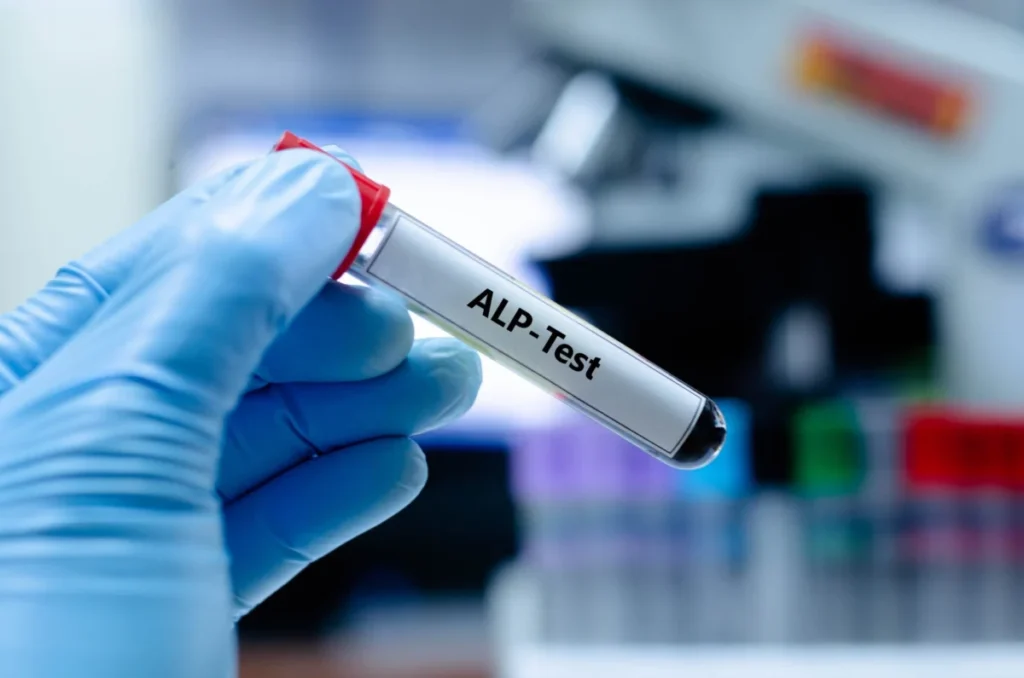
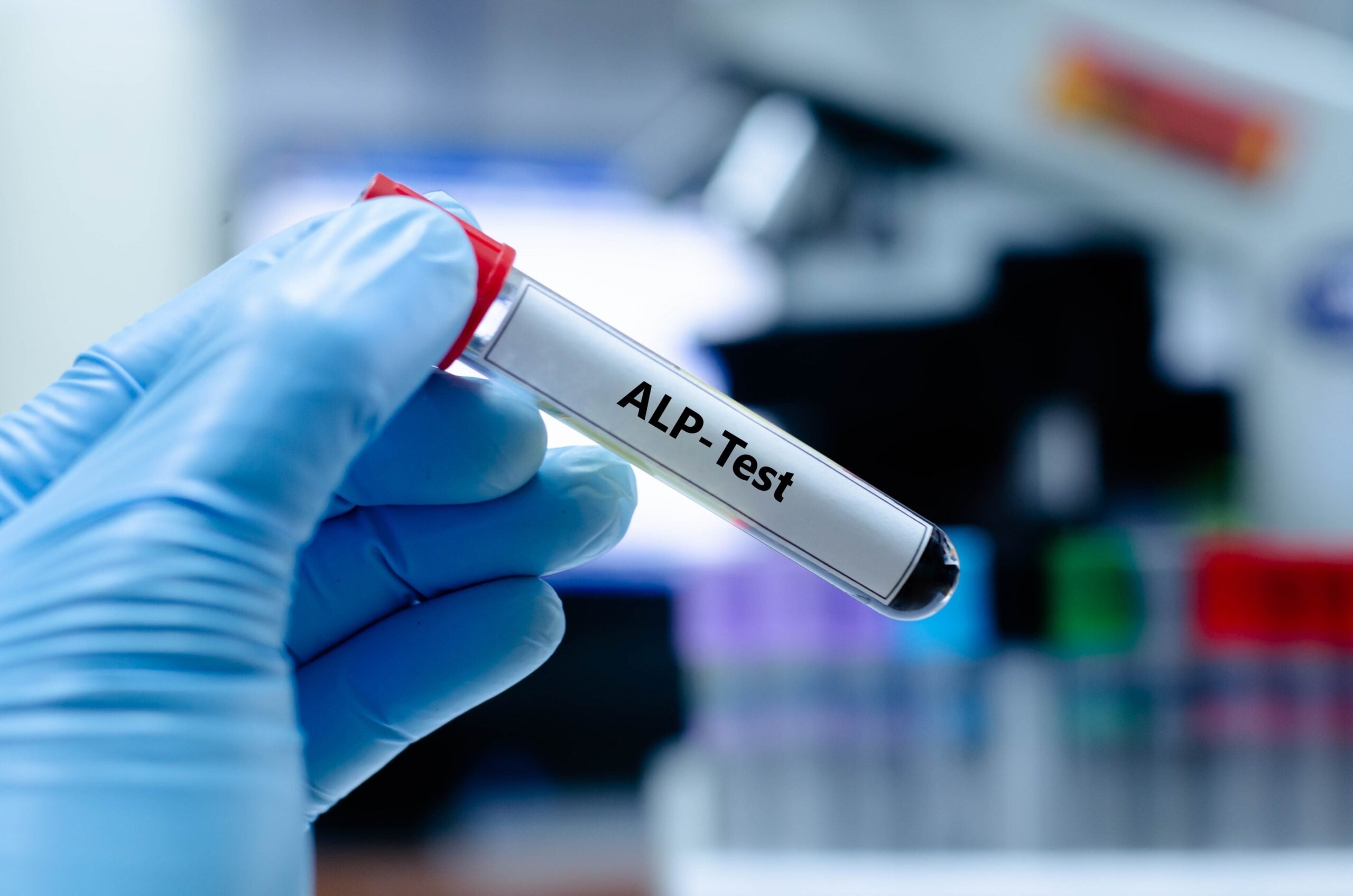
The primary hurdle in closing the diagnostic gap is the tendency for clinicians to ignore low ALP levels. While elevated ALP is routinely investigated as a sign of liver disease or high bone turnover, low ALP is frequently dismissed as clinically insignificant or an artifact of laboratory error.
Dr. Anam and Dr. Khosravi emphasize that HPP is often a "chameleon" in the clinical setting. Adults suffering from the chronic pain and fatigue associated with HPP are frequently misdiagnosed with fibromyalgia, chronic fatigue syndrome, or osteoarthritis. The danger of misdiagnosis is not merely the delay of treatment but the potential for harm. For instance, the standard treatment for low bone density—bisphosphonates—works by suppressing bone turnover. In a patient with HPP, who already suffers from a low-turnover state and impaired mineralization, bisphosphonates can exacerbate the condition, increasing the risk of atypical femur fractures and further hindering skeletal repair.
Furthermore, diagnostic interpretation is complicated by age-specific reference ranges. Children and adolescents naturally have significantly higher ALP levels than adults due to active bone growth. A "normal" adult ALP level in a ten-year-old child could actually be an indicator of HPP. Professionals are urged to utilize plasma pyridoxal 5’-phosphate (PLP) testing and urinary phosphoethanolamine (PEA) levels as secondary markers to confirm a diagnosis when ALP remains persistently low.
Official Responses and Multidisciplinary Management
The Endocrine Society’s Bone and Mineral SIG advocates for a multidisciplinary approach to HPP, involving endocrinologists, nephrologists, dentists, and genetic counselors. This collaborative model is essential because HPP is a systemic disorder.
"Management of HPP requires a high index of suspicion," noted the steering committee in their preview of the upcoming webinar. "When we see a patient with a history of early primary tooth loss—specifically losing teeth with the roots still intact—and a history of recurring stress fractures, the conversation must immediately turn to ALP levels."

Current management strategies emphasize the judicious use of asfotase alfa for pediatric-onset patients. For adults with milder forms, the focus is on "skeletal stewardship": avoiding medications that impair bone mineralization, monitoring renal health to prevent stones, and using osteoanabolic agents (which build bone) rather than antiresorptive agents when pharmacological intervention for bone density is required.
Broader Impact and Future Implications
The implications of improving the HPP diagnostic rate extend beyond the individual patient. As awareness grows, the medical community is forced to re-evaluate how "normal" laboratory ranges are defined and flagged by electronic health record (EHR) systems. Many advocacy groups are now calling for automated alerts in laboratory software that trigger a notification when ALP levels fall below the age-adjusted lower limit of normal, similar to how high values are flagged.
Moreover, the study of HPP provides vital insights into the broader mechanics of bone biology. By understanding how the ALPL mutation disrupts the PPi-to-phosphate ratio, researchers are gaining a better understanding of other mineralization disorders and vascular calcification, which affects millions of patients with chronic kidney disease and cardiovascular ailments.
As World HPP Day 2026 approaches, the message from the Endocrine Society is clear: clinical vigilance is the most powerful tool available for rare disease patients. By educating the next generation of endocrinologists to "think HPP" when faced with low ALP, the diagnostic gap can finally be bridged, ensuring that patients no longer have to suffer through years of misdiagnosis and ineffective treatments. The October 29 webinar serves as a critical stepping stone toward this goal, providing the practical guidance necessary to turn laboratory data into life-changing clinical action.