

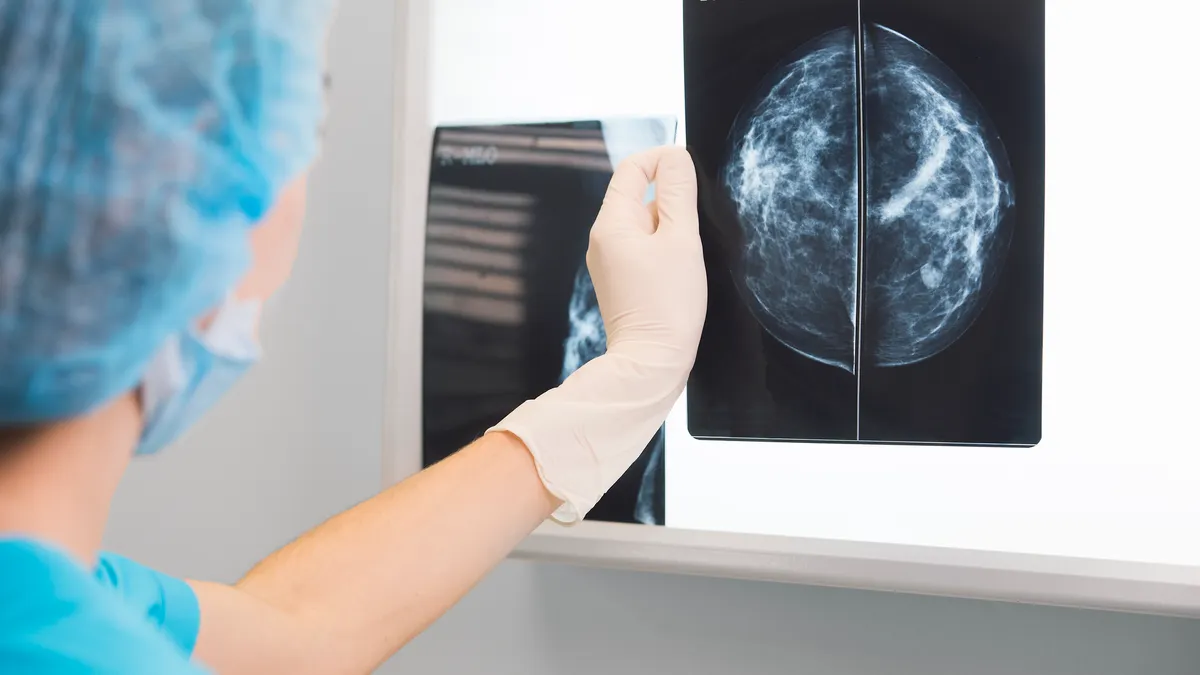
In a significant advancement for the integration of artificial intelligence within clinical diagnostics, the Berlin-based health technology firm Vara has officially received a CE mark under the European Union’s Medical Device Regulation (MDR) for its autonomous breast cancer screening triage feature. This regulatory milestone permits the company’s AI platform to independently identify and report mammograms it classifies as normal, effectively bypassing the need for a human radiologist to review these specific cases. The authorization represents a fundamental shift in the European standard of care for oncology screening, which has historically relied on the "double-reading" protocol—a process where two separate radiologists must independently interpret every single mammogram to ensure accuracy.
The newly certified system has been classified as a Class IIb medical device, a designation reserved for medium-to-high-risk equipment. This classification underscores the rigorous safety and efficacy standards Vara had to meet under the EU’s modernized MDR framework, which was implemented to provide more stringent oversight of medical software and hardware than its predecessor, the Medical Device Directive (MDD). By allowing AI to take over the task of screening healthy patients, Vara aims to alleviate the immense pressure on the healthcare workforce, particularly as many European nations grapple with a dwindling number of specialized radiologists.
A Technological Solution to a Workforce Crisis
The introduction of Vara’s autonomous triage feature comes at a critical juncture for European healthcare systems. Across the continent, the demand for preventative screenings is rising due to an aging population and increased public awareness of early cancer detection. However, this demand is clashing with a systemic shortage of radiologists. In many regions, the burnout rate among diagnostic specialists has reached record highs, leading to longer wait times for patients and potential delays in diagnosis.
Vara’s platform is designed to act as a digital sieve. By automatically filtering out mammograms that show no signs of malignancy, the system allows human specialists to dedicate their limited time and cognitive resources to more complex or suspicious cases. This "human-in-the-loop" model, where the AI handles the mundane and the radiologist handles the ambiguous, is viewed by many industry experts as the most viable path forward for sustainable population-scale screening.
The scale of Vara’s current operations provides a glimpse into the potential impact of this technology. Currently, more than half of Germany’s organized breast screening programs utilize Vara’s software. The company processes upwards of 250,000 screenings per month across more than 250 clinical sites. With the new CE mark, Vara is poised to expand this autonomous capability across the broader European market, following the specific national guidelines and infrastructure readiness of individual member states.
The ATMON Safety Protocol: Mitigating AI Drift
A central component of Vara’s regulatory approval is the inclusion of a specialized safety system known as ATMON (Autonomous-Triage Monitoring). One of the primary concerns among regulators and clinicians regarding autonomous AI is "model drift"—a phenomenon where an AI’s performance degrades over time due to changes in hardware, software updates, or shifts in the patient demographic data it processes.
ATMON serves as a continuous watchdog for the screening platform. It monitors the health of the entire diagnostic ecosystem, including the performance of mammography hardware and daily system health metrics. If the system detects that any performance values have fallen outside of strictly defined safety limits, it triggers an automatic override. In such a scenario, the autonomous triage feature is disabled, and the site is reverted to a full manual radiologist reading protocol until the issue is resolved.
Jonas Muff, CEO and co-founder of Vara, emphasized the importance of this fail-safe mechanism in a public statement following the approval. He noted that even the most sophisticated AI models can experience performance shifts when moving from the controlled environment of a clinical study to the "noise" of real-world clinical practice. According to Muff, for AI to deliver a meaningful and safe impact on patient outcomes, healthcare providers must have the tools to identify and react to these shifts instantaneously.
Clinical Evidence and the Nature Medicine Study
The path to CE marking was paved by extensive clinical validation. Most notably, a large-scale study funded by Vara and published in the prestigious journal Nature Medicine in late 2023 provided the empirical foundation for the system’s efficacy. The study, which spanned from 2021 to 2023, involved a cohort of more than 460,000 women.

The research compared the traditional European standard of double-reading by two radiologists against a hybrid model of AI-supported double-reading. The results were compelling: the AI-supported workflow demonstrated a higher breast cancer detection rate compared to the traditional human-only method. By accurately identifying normal cases and highlighting subtle anomalies that might be missed by a fatigued human eye, the system proved that it could enhance the sensitivity of screening programs without increasing the rate of false positives.
Furthermore, the study highlighted the potential for significant efficiency gains. By automating the reporting of clear "normal" results, the AI could potentially reduce the total radiologist workload by a substantial percentage, depending on the specific characteristics of the screened population. This data was instrumental in convincing EU regulators that the AI could safely operate autonomously for a subset of the population.
Chronology of AI Integration in European Radiology
The journey toward autonomous triage in Europe has been a gradual process of building trust through incremental technological steps.
- 2018-2020: Early development of Vara’s AI models, focusing on "decision support" where the AI acted as a second pair of eyes but did not make independent reports.
- 2021: Launch of the large-scale prospective study to test the AI’s performance against the gold standard of double-reading.
- 2022-2023: Expansion of Vara’s footprint in Germany, establishing a dominant market share and collecting massive datasets to refine the "Autonomous Triage" algorithm.
- Late 2023: Publication of the Nature Medicine study, providing the peer-reviewed evidence necessary for high-level regulatory scrutiny.
- September 2026: Official announcement of the CE mark for autonomous triage and the rollout of the ATMON safety monitoring system.
Broader Implications for the Future of Healthcare
The approval of Vara’s autonomous feature is likely to set a precedent for other fields of medical imaging, such as chest X-rays for tuberculosis or retinal scans for diabetic retinopathy. As the healthcare industry moves toward value-based care, the ability to automate low-risk diagnostic tasks is becoming an economic necessity rather than a technological luxury.
However, the shift is not without its challenges. The medical community remains cautious about the legal and ethical implications of "black box" decisions made by algorithms. While Vara’s ATMON system addresses technical drift, the question of liability in the rare event of a missed diagnosis remains a topic of intense debate among legal experts and medical boards.

Furthermore, the implementation of autonomous triage will require significant updates to national screening protocols. In countries like France and Italy, where bureaucratic hurdles and traditional medical practices are deeply entrenched, the rollout may be slower than in more digitally-forward nations like the Netherlands or the Nordic countries.
Conclusion
Vara’s achievement marks a turning point in the maturation of artificial intelligence in medicine. By moving beyond simple "assistance" and into the realm of "autonomous decision-making," the company has opened a new chapter in the fight against breast cancer. As the system begins its rollout across Europe, the focus will shift from regulatory approval to real-world execution. The success of this initiative will be measured not just by the efficiency it brings to radiology departments, but by its ability to maintain the highest standards of patient safety while ensuring that life-saving screenings remain accessible to millions of women in an era of chronic staffing shortages.
