







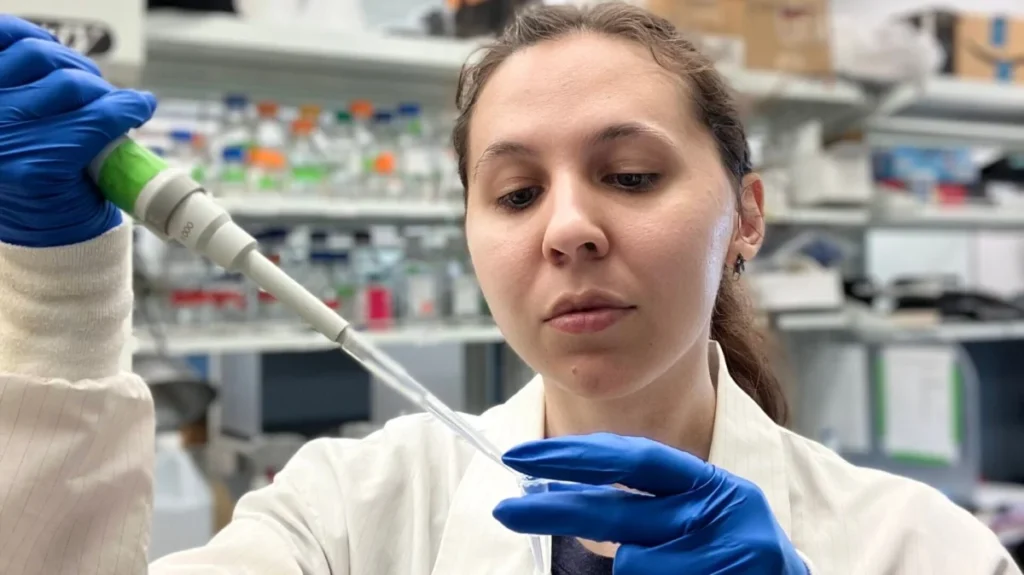
The landscape of endocrine research is undergoing a transformative shift as early-career scientists introduce novel perspectives on metabolic regulation, particularly through the lens of the nervous system. At the ENDO 2026 annual meeting in Chicago, the Endocrine Society highlighted this burgeoning talent through its flagship "Rising Star Power Talks," a high-stakes research communication competition. Among the standout presenters was Lila Dabill, a PhD candidate from Washington University in St. Louis, Missouri, who was named the winner in the Basic Science category. Her research into the Sarm1 enzyme and its role in preventing obesity and metabolic dysfunction has garnered significant attention from the scientific community, offering a potential new frontier in the treatment of Type 2 diabetes and related conditions.
The Rising Star Power Talks have become a cornerstone of the ENDO conference, designed to bridge the gap between rigorous laboratory investigation and effective science communication. The 2026 session featured 15 selected early-career and in-training members who were tasked with delivering "blitz-style" presentations. These condensed, high-impact talks require researchers to distill complex data into accessible narratives for an audience of peers, mentors, and industry experts. The format emphasizes the "elevator pitch" skill set, which is increasingly vital for securing grants, fostering interdisciplinary collaboration, and engaging the public.
The Science of Sarm1: A Neural Approach to Metabolic Health
Lila Dabill’s award-winning research, conducted within the laboratory of Dr. Erica Scheller at Washington University, focuses on a specific NADase enzyme known as Sarm1 (Sterile Alpha and Toll/Interleukin-1 Receptor Motif-containing protein 1). Historically, Sarm1 has been recognized primarily within the field of neuroscience as the "central executioner" of Wallerian axon degeneration—a process where nerve fibers break down following injury or disease. Because of its critical role in nerve death, several pharmaceutical companies are currently in the process of developing Sarm1 inhibitors to treat peripheral neuropathy and various neurodegenerative diseases.
However, Dabill’s work explores a previously underappreciated dimension of Sarm1: its influence on systemic metabolism. By utilizing mouse models where Sarm1 was specifically "knocked out" or inactivated within the nervous system, Dabill and her team observed a profound protective effect against the metabolic consequences of a high-fat diet. The researchers found that these neural-specific Sarm1 knockout mice were resistant to the onset of obesity, insulin resistance, and hepatic steatosis (fatty liver disease), even when provided with the same caloric intake that typically induces these conditions in wild-type mice.
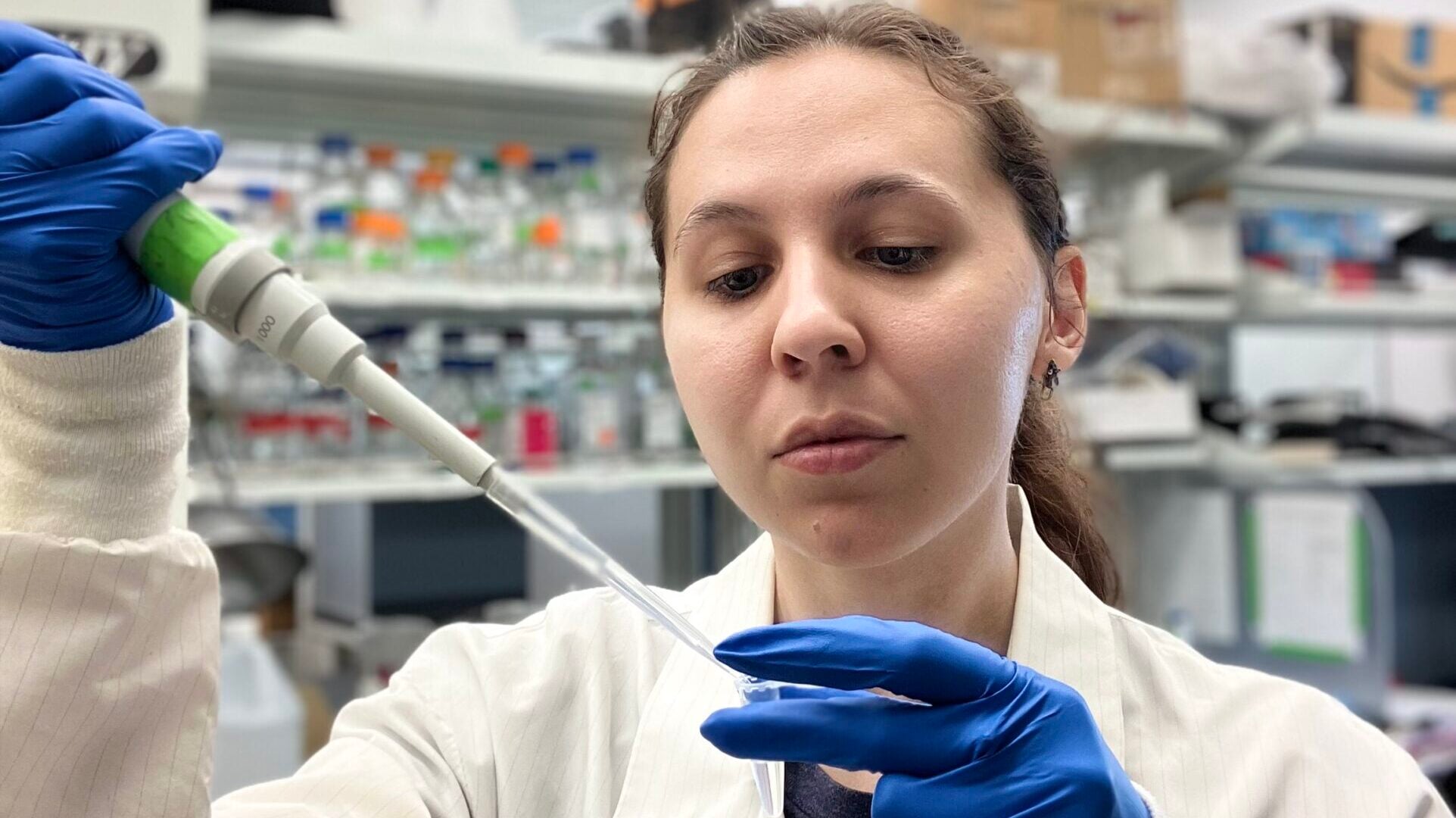
To ensure the validity of these findings, the research team employed rigorous metabolic caging assessments. These systems measure a variety of physiological parameters, including oxygen consumption, carbon dioxide production, and physical activity levels. Surprisingly, the data indicated that the prevention of weight gain in these mice was independent of energy expenditure, physical activity, or thermogenesis (the production of heat). This finding was pivotal, as it suggested that the protective mechanism was not simply a result of the mice burning more calories or moving more frequently, but rather a more complex regulatory shift.
Shifting Focus to the Gut-Brain Axis
With thermogenesis and energy expenditure ruled out as primary drivers, Dabill’s research has pivoted toward the gastrointestinal tract and the enteric nervous system. The "gut-brain axis" has become a major area of interest in endocrinology, as the communication between the digestive system and the central nervous system plays a vital role in hunger, satiety, and nutrient absorption.
Dabill’s current hypothesis posits that Sarm1 neural knockout may protect against obesity by preventing high-fat diet-induced gut dysfunction and enteric neuropathy. Chronic consumption of high-fat foods is known to damage the nerves in the gut, leading to dysmotility and dysregulated signaling to the brain. By utilizing wholemount imaging techniques and functional assays, Dabill aims to determine if inhibiting Sarm1 preserves the integrity of these enteric nerves, thereby maintaining healthy metabolic signaling.
The implications of this research are substantial. If Sarm1 inhibitors can protect the metabolic health of the gut and liver while simultaneously treating neuropathy, they could represent a multi-faceted therapeutic approach. This is particularly relevant in the context of Type 2 diabetes, where patients often suffer from a constellation of symptoms including obesity, insulin resistance, and nerve damage. A single intervention that addresses these issues simultaneously would mark a significant advancement over current treatment regimens that often require multiple medications with varying side effects.
A Competitive Field of Rising Stars
While Dabill took home the top prize in Basic Science, the 2026 Rising Star Power Talks showcased a diverse array of excellence across the endocrine spectrum. The competition was judged by a panel of experts alongside audience participation, reflecting the Society’s commitment to both scientific rigor and engagement.
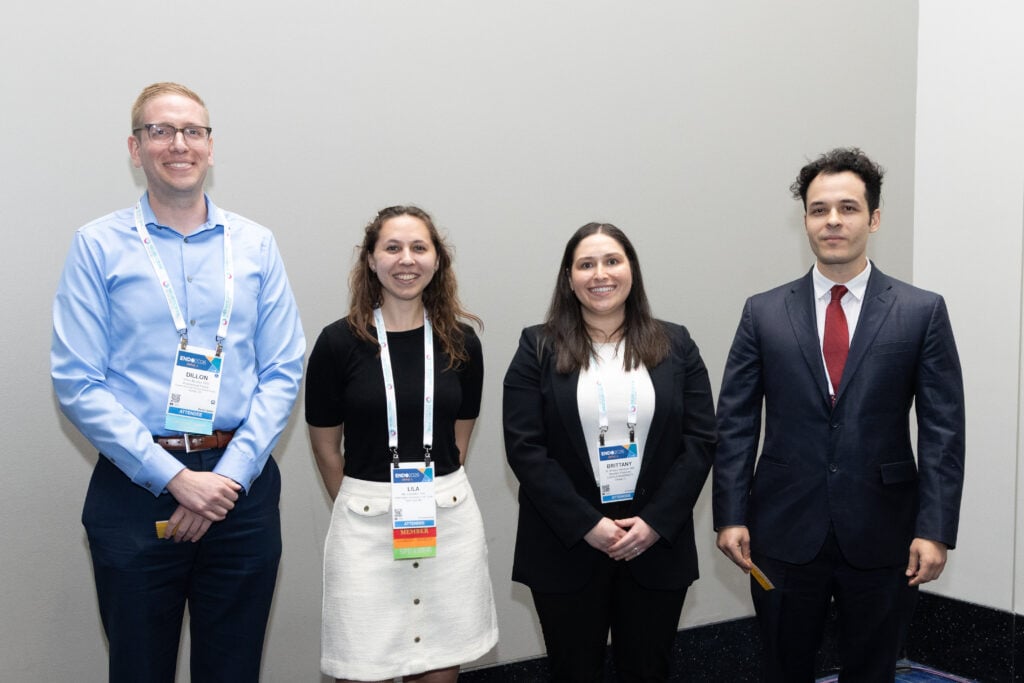
In the Clinical Science category, the honors went to Brittany Weisbrot, an internal medicine resident at Loyola University Medical Center. The Translational Science award was presented to Dillon Boulton, PhD, a postdoctoral fellow at the University of Colorado’s Anschutz Medical Campus. Additionally, the Audience’s Choice award was bestowed upon Konstantinos Stefanakis, MD, PhD (candidate), a cardiology and postdoctoral research fellow at Harvard Medical School’s Beth Israel Medical Center.
The success of these individuals highlights the evolving nature of the Endocrine Society, which was founded in 1916 and has grown into the world’s largest organization devoted to endocrine research and the clinical practice of endocrinology. Events like the Power Talks are essential for maintaining the pipeline of innovation, ensuring that the next generation of researchers is equipped to handle the rising global burden of endocrine disorders.
The Broader Context of Metabolic Research
The urgency of Dabill’s research is underscored by the current public health landscape in the United States and globally. According to data from the Centers for Disease Control and Prevention (CDC), the prevalence of obesity in the U.S. has reached nearly 42%, with associated medical costs estimated in the hundreds of billions of dollars annually. Furthermore, the rise of Type 2 diabetes continues to outpace many other chronic conditions, driven largely by metabolic dysfunction.
While the pharmaceutical industry has seen recent breakthroughs with GLP-1 receptor agonists, which have proven highly effective for weight loss and glucose control, there remains a critical need for alternative pathways. Not all patients respond to current treatments, and many experience gastrointestinal side effects that limit long-term adherence. By targeting the neural mechanisms of metabolism through Sarm1 inhibition, researchers like Dabill are opening a "second front" in the fight against metabolic disease—one that focuses on the preservation of nervous system function to regulate systemic health.
Chronology and Future Outlook
Lila Dabill’s journey through the PhD program at Washington University has been marked by a consistent involvement with the Endocrine Society, which she describes as a "home-base" for her professional development. Over the past several years, she has utilized the Society’s annual meetings to present evolving stages of her work, benefiting from the collaborative environment and the opportunity to receive feedback from veteran endocrinologists.

As Dabill looks toward the future, her timeline remains ambitious. She is scheduled to defend her PhD thesis in the spring of 2027. Following her defense, she intends to pursue a postdoctoral position, with the long-term goal of establishing her own independent laboratory as a Principal Investigator (PI). Her future work will likely continue to explore the intersection of metabolism and neural regulation, a field that is poised for significant growth as the scientific community increasingly recognizes the brain’s role as the master regulator of endocrine balance.
The ENDO 2026 conference served as a vital platform for this work, but the momentum is already shifting toward ENDO 2027. For researchers like Dabill, these meetings are more than just a venue for presentation; they are a catalyst for the "exciting discussions" and "new approaches" that define the next era of medical science. By fostering an environment where basic science can be translated into potential clinical therapies, the Endocrine Society continues to play a pivotal role in shaping the future of global health.
The recognition of Dabill’s work in Chicago emphasizes a key takeaway for the scientific community: the answers to some of our most pressing metabolic challenges may lie within the very nerves that transmit signals through our bodies. As the research moves from mouse models to potential human applications, the "Rising Stars" of today are well-positioned to become the leading experts of tomorrow, driving the innovations that will eventually reach the patient’s bedside.