









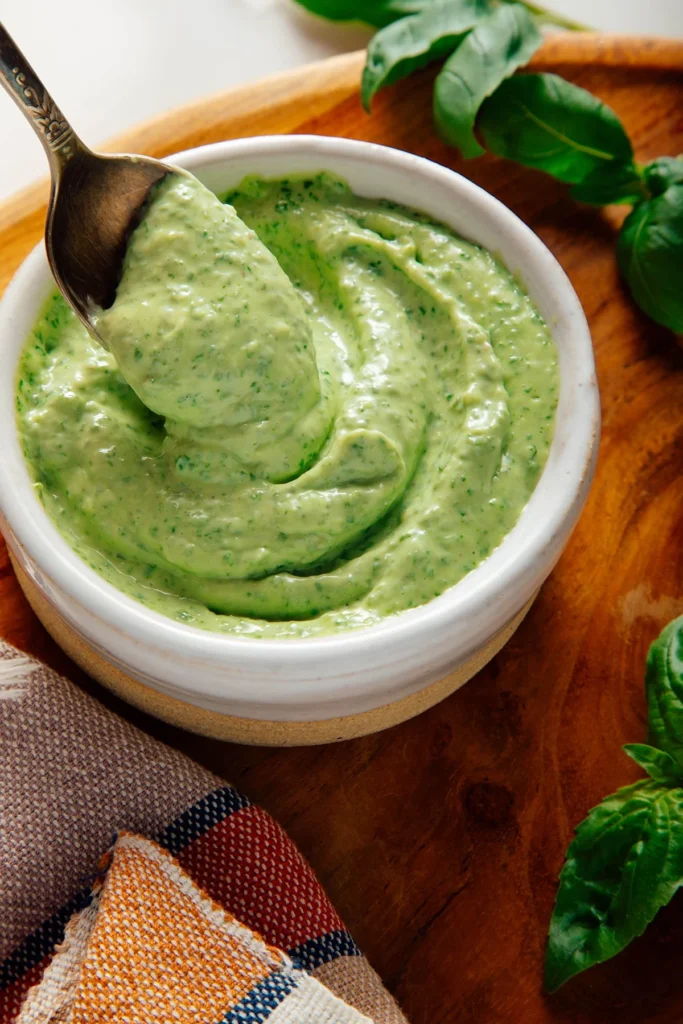
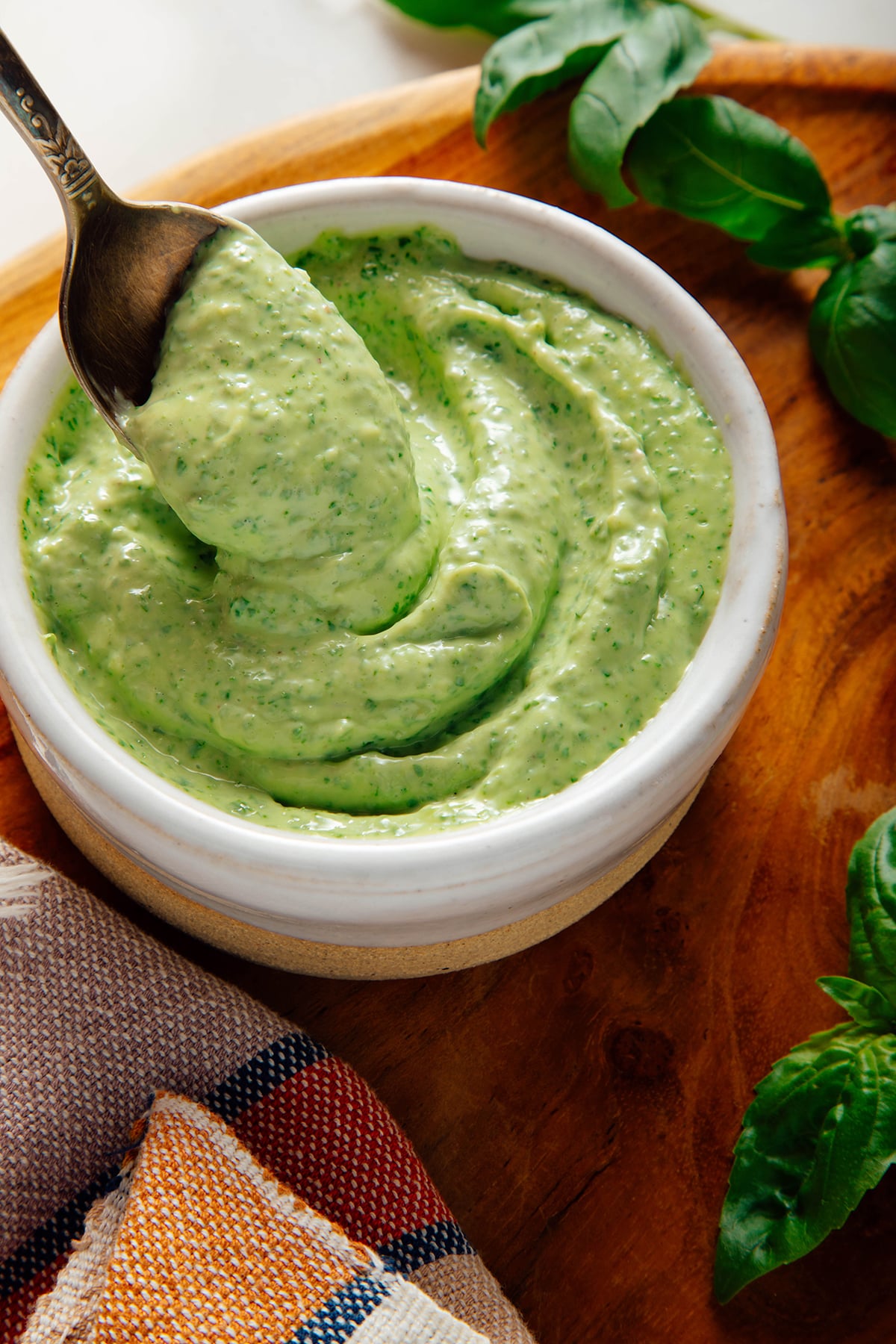
A distinctive creamy basil sauce, lauded for its vibrant freshness and remarkable versatility, is rapidly gaining traction as a quintessential summertime condiment. This innovative preparation, often described as a “super fresh, summertime aioli,” distinguishes itself through its effortless assembly and profound impact on a variety of dishes, from elevating simple sandwiches to acting as a sophisticated accompaniment for grilled fare and fresh produce. Its increasing popularity signals a broader trend toward accessible, homemade flavor boosters that leverage seasonal ingredients, particularly for home cooks contending with an abundance of garden-fresh basil.
The Genesis of a Culinary Delight: Simplicity Meets Sophistication
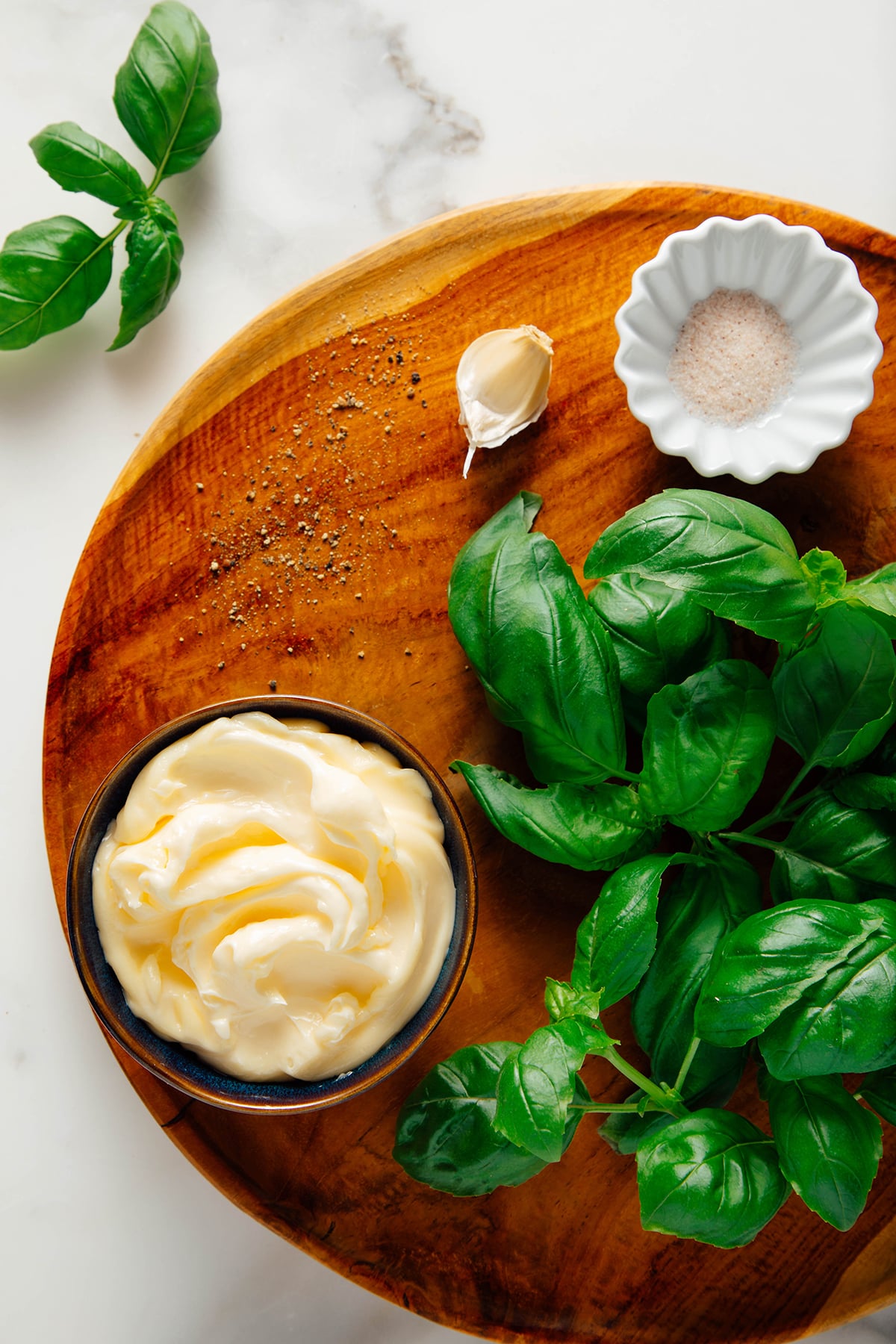
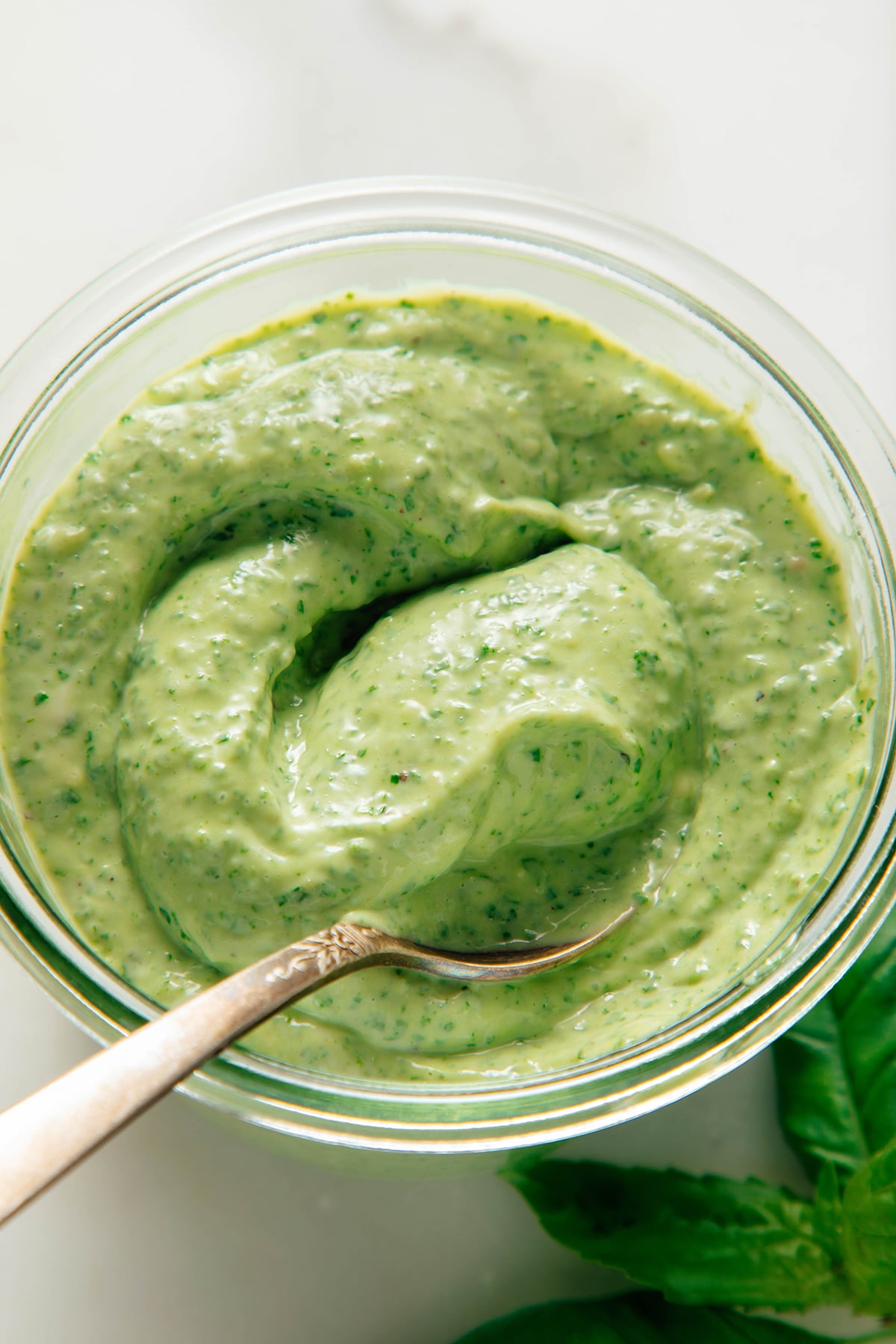
The appeal of this creamy basil sauce lies in its elegant simplicity, requiring only a handful of readily available ingredients and minimal preparation time. The core components – fresh basil, garlic, mayonnaise, salt, and black pepper – combine to create a flavor profile that belies its straightforward composition. This culinary alchemy transforms humble ingredients into a luxuriously smooth, herbaceous spread, capable of injecting a burst of summery zest into an array of meals. Its rapid preparation, often achievable in mere minutes with the aid of a food processor, positions it as an ideal solution for busy individuals seeking to enhance their culinary repertoire without extensive effort.

Key Ingredients Under the Microscope: A Deep Dive into Flavor Foundations
The success of any sauce hinges on the quality and interplay of its constituent parts. In the case of the creamy basil sauce, each ingredient plays a critical role in shaping its ultimate character and appeal.
Basil: The Aromatic Heart of the Sauce
Basil (Ocimum basilicum), the undisputed star of this sauce, boasts a rich history stretching back millennia. Originating in India, where it was revered in religious ceremonies and traditional medicine, basil eventually journeyed along ancient spice routes to Asia, the Middle East, and eventually Europe, becoming firmly entrenched in Mediterranean cuisine by the 16th century. Its name, derived from the Greek word "basileus" meaning "king," underscores its esteemed status.
Today, sweet basil and its variants, such as Genovese basil, are globally cultivated, thriving in warm, sunny climates. For home gardeners, basil is a quintessential summer crop, often yielding a surplus that necessitates creative culinary applications beyond the ubiquitous pesto. The leaves and tender stems of fresh basil contribute not only its signature peppery, slightly anise-like aroma and flavor but also a vibrant green hue to the sauce. Nutritionally, basil is a powerhouse, rich in Vitamin K, essential for blood clotting, and a good source of Vitamin A (beta-carotene), manganese, and Vitamin C. It also contains powerful antioxidants and volatile oils like eugenol, citronellol, and linalool, which contribute to its distinctive fragrance and potential anti-inflammatory properties. The freshness of the basil is paramount; wilting or discolored leaves compromise both flavor and visual appeal. Proper handling, including gentle washing and thorough drying, is crucial to prevent oxidation and ensure a bright, verdant sauce.
Mayonnaise: The Emulsified Canvas
Mayonnaise serves as the creamy, tangy base, providing both body and richness. This classic cold sauce, an emulsion of oil, egg yolk, and an acid (typically vinegar or lemon juice), has a disputed origin, with popular theories tracing it to the Spanish island of Menorca in the 18th century, following the French capture of Mahón. Over centuries, mayonnaise transitioned from an aristocratic delicacy to a global household staple, particularly after its industrial production became widespread in the early 20th century.
Its role in the creamy basil sauce is multifaceted: it provides a stable emulsion, binding the herbaceous elements, while its inherent creaminess delivers a luxurious mouthfeel. The subtle tang of mayonnaise brightens the basil’s profile, preventing it from becoming overly herbaceous or flat. While numerous commercial varieties exist, often made with soybean or canola oil, there’s a growing preference for artisanal or health-conscious options, such as those made with avocado oil, reflecting consumer demand for cleaner labels and specific dietary preferences. The choice of mayonnaise can subtly influence the sauce’s final flavor and texture, with brands like Duke’s often cited for their distinctive tang and richness.
Garlic: The Pungent Aromatic
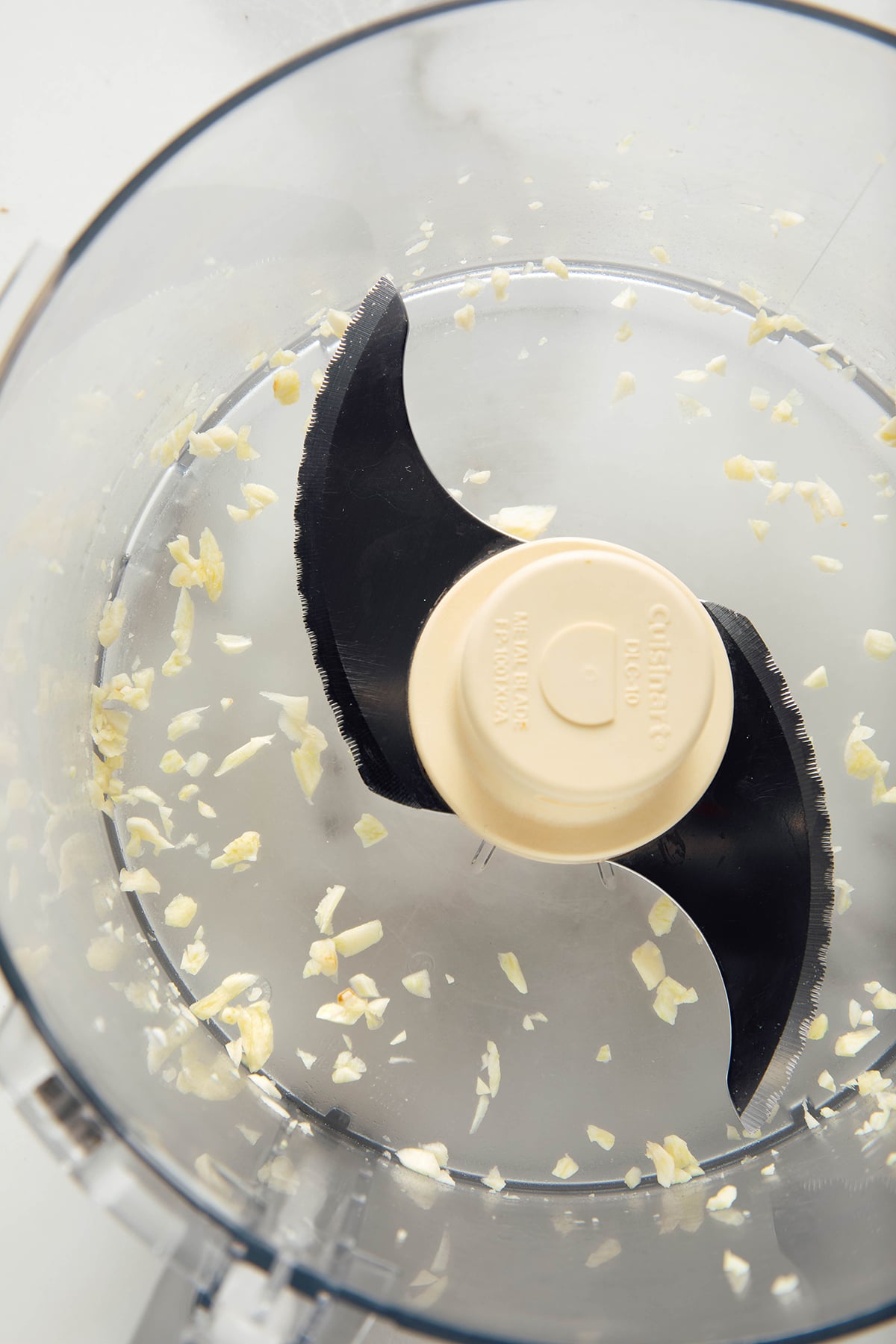
A single clove of garlic is a potent addition, providing a foundational aromatic depth that complements the basil without overpowering it. Garlic, a member of the Allium family, has been used culinarily and medicinally for over 5,000 years, originating in Central Asia. Its distinctive pungent flavor, attributed to sulfur compounds like allicin, is a cornerstone of global cuisines. In this sauce, garlic is typically processed first in a food processor, ensuring a fine mince that evenly disperses its flavor throughout the creamy base, streamlining the preparation process and minimizing additional cleanup.
Salt and Pepper: The Essential Seasoning
Salt acts as a crucial flavor enhancer, bringing out the inherent nuances of the basil and garlic while balancing the richness of the mayonnaise. Black pepper, freshly ground, adds a subtle heat and aromatic complexity, providing a gentle "kick" that further enlivens the sauce. The judicious application of these fundamental seasonings is vital for achieving a well-rounded and balanced flavor profile.
Preparation Protocol: Optimizing Flavor and Texture
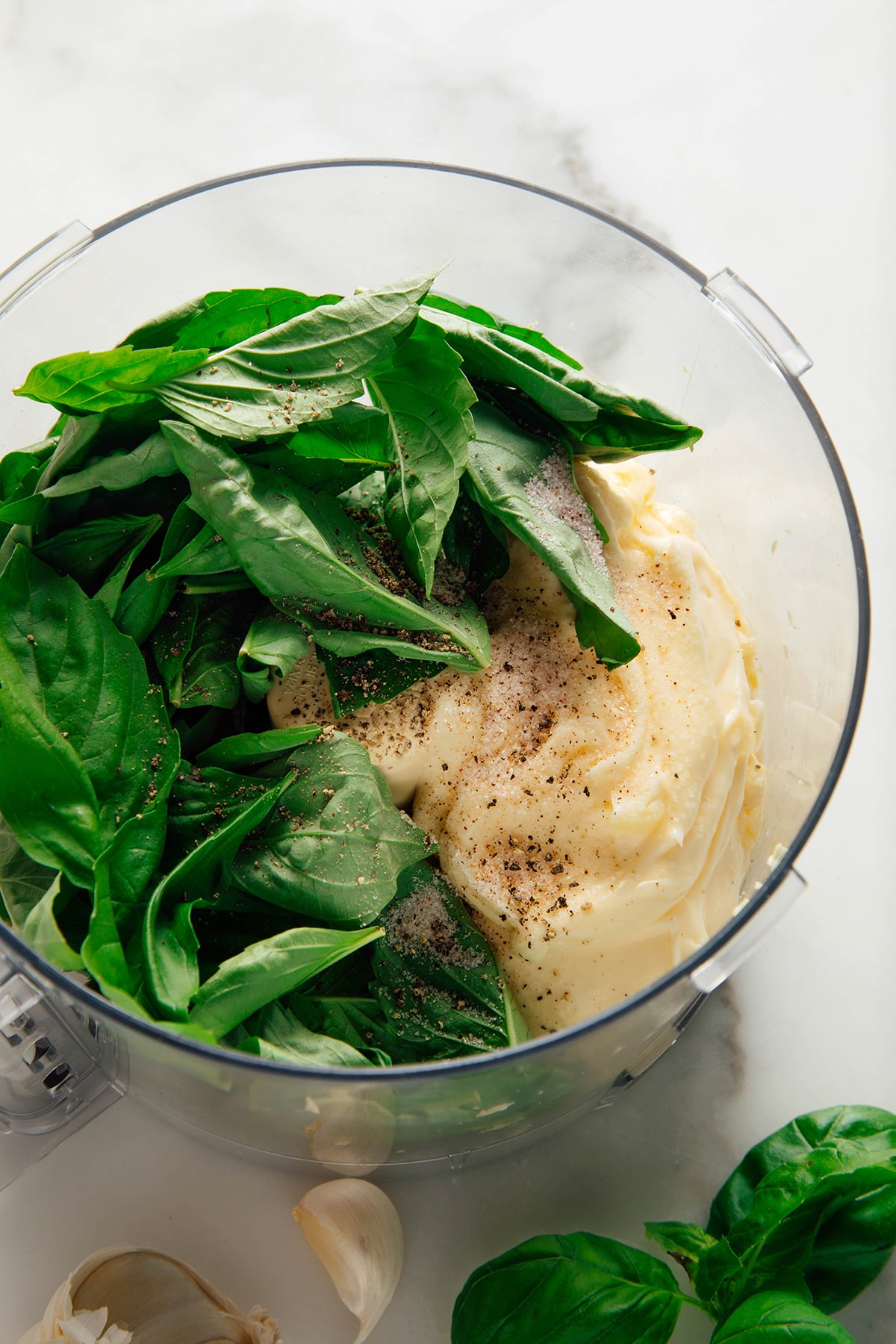
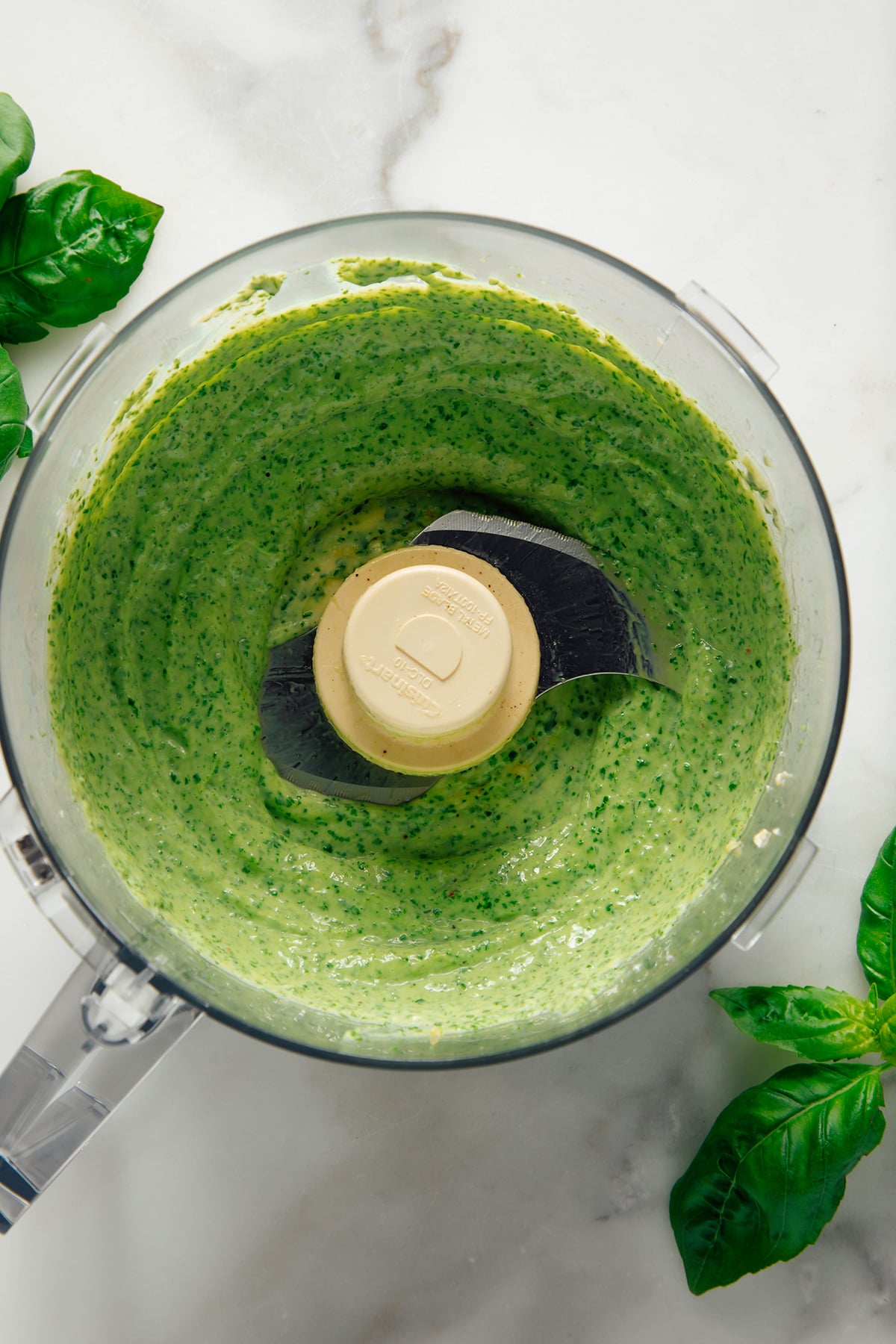
The preparation of the creamy basil sauce is a testament to culinary efficiency. The process typically begins with the rapid blitzing of a single garlic clove in a food processor, ensuring a finely minced consistency. Subsequently, fresh basil leaves, stripped from their thicker stems, are added and processed until finely chopped and thoroughly integrated with the garlic. Finally, mayonnaise, salt, and black pepper are incorporated, and the mixture is blended until a smooth, vibrant green sauce is achieved.
A critical tip for achieving optimal results, particularly a bright green color, involves ensuring the basil is thoroughly dry before blending. Moisture on the basil leaves can lead to oxidation, resulting in a duller, sometimes brownish hue. A gentle wash under cool water, followed by patting dry and a brief air-drying period, helps preserve the basil’s vibrant chlorophyll. For those without a food processor, the sauce can be prepared by hand, requiring finely chopping the basil, mincing or pressing the garlic, and then whisking all ingredients together until smooth. This manual method, while requiring more effort, offers greater control over the texture, allowing for a slightly chunkier, more rustic consistency if desired.
Beyond Pesto: A New Horizon for Basil Applications
While basil is perhaps most famously associated with pesto, the creamy basil sauce offers a distinct and equally compelling alternative. Unlike pesto, which typically includes pine nuts, Parmesan cheese, and olive oil, this creamy sauce foregoes these ingredients, resulting in a lighter, tangier profile that highlights the pure essence of basil and the rich texture of mayonnaise. This differentiation opens up a broader spectrum of culinary uses.
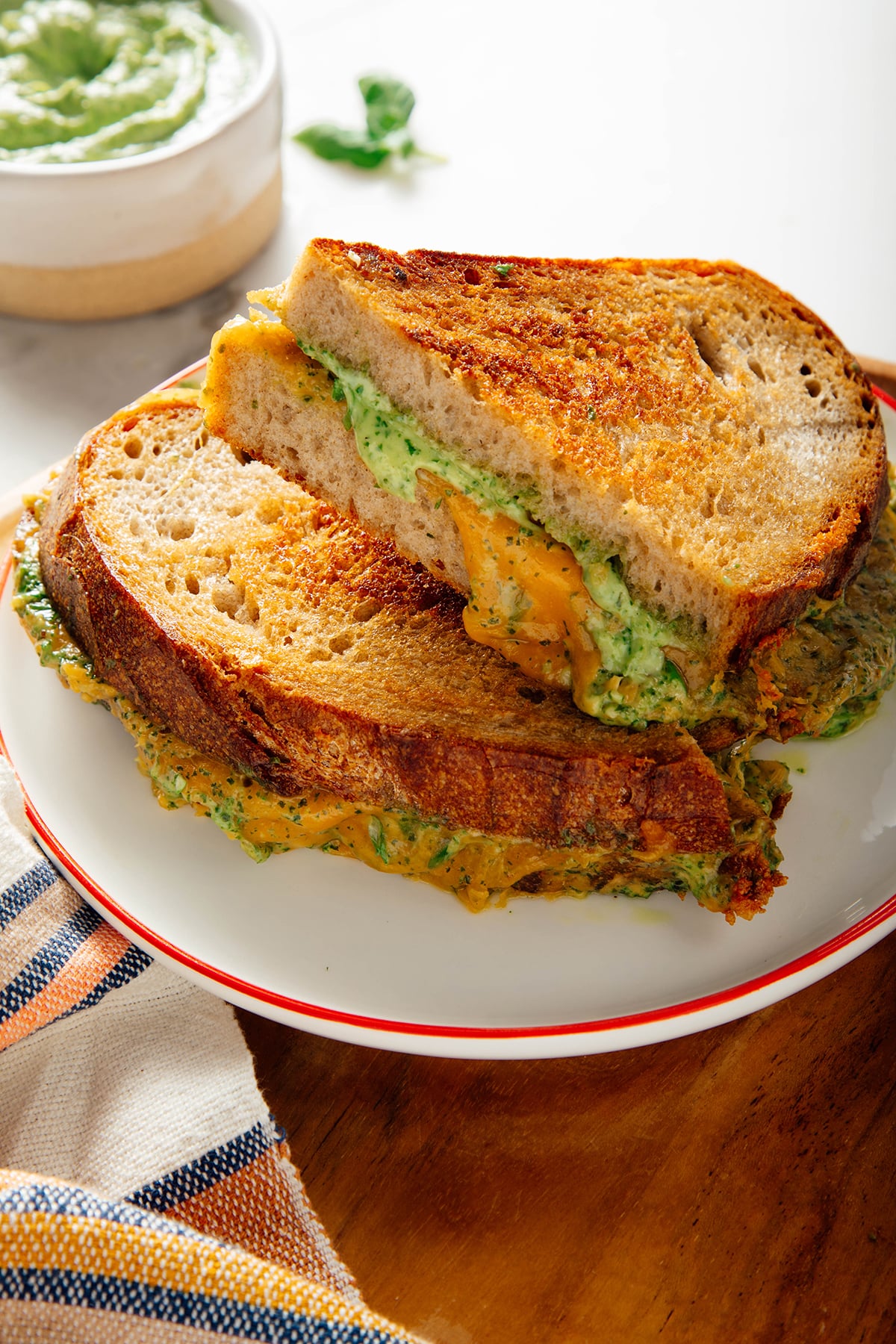
The sauce’s remarkable versatility makes it a valuable addition to any summer kitchen. Its primary application as a spread for sandwiches and wraps transforms everyday fare into gourmet experiences, particularly when paired with fresh tomatoes, mozzarella, or grilled vegetables. Beyond this, its potential uses are extensive:
- Dipping Sauce: An excellent accompaniment for crudités, grilled shrimp, crispy fries, or even artisanal breads.
- Salad Dressing: Thinned slightly with a touch of milk or water, it can serve as a creamy, herbaceous dressing for green salads, pasta salads, or potato salads.
- Marinade: A flavorful base for marinating chicken, fish, or firm tofu before grilling or baking.
- Topping for Grilled Dishes: Drizzled over grilled chicken, fish, zucchini, corn on the cob, or even pizza, it adds a burst of fresh flavor.
- Pasta Sauce: Tossed with hot pasta and cherry tomatoes, it creates a light, summery pasta dish.
- Burger or Slider Spread: A refreshing alternative to traditional condiments.
- Egg Dishes: A dollop stirred into scrambled eggs or spread on an egg sandwich.
For an extra layer of complexity and visual appeal, a drizzle of thick balsamic vinegar or balsamic glaze can be added. The sweet-tart notes of balsamic vinegar provide a sophisticated counterpoint to the creamy, herbaceous sauce, creating a balanced flavor profile that mimics the classic caprese combination of basil, mozzarella, and tomato.
Broader Implications: Culinary Trends and Consumer Impact
The emergence and popularization of recipes like the creamy basil sauce reflect several ongoing culinary and consumer trends.
The Home Cooking Renaissance: The past few years have witnessed a significant resurgence in home cooking, driven by a desire for healthier, more customized meals and a renewed appreciation for culinary skills. Recipes that offer high reward for minimal effort, like this basil sauce, perfectly align with this trend, empowering home cooks to create sophisticated flavors from scratch.
Seasonal and Local Sourcing: The emphasis on using "surplus" basil directly from a home garden or local farmers’ market speaks to a growing consumer preference for seasonal, locally sourced ingredients. This trend is driven by concerns for freshness, flavor, environmental sustainability, and supporting local economies. The sauce provides an excellent mechanism for utilizing abundant seasonal produce, thereby minimizing food waste.
Health and Wellness Focus: While mayonnaise, a key ingredient, is calorie-dense, the overall focus on fresh herbs and homemade preparation aligns with a broader health and wellness movement. Consumers are increasingly seeking transparency in their food, preferring to know exactly what ingredients are going into their meals. Homemade sauces, free from artificial preservatives, colors, and excessive sugars often found in store-bought alternatives, appeal to this desire. The option to use mayonnaise made with healthier oils, such as avocado oil, further caters to this segment.
The "Flavor Booster" Phenomenon: There’s a burgeoning market for versatile condiments and sauces that can quickly elevate simple dishes. Consumers are seeking "hacks" or foundational recipes that can be adapted across multiple meal types. This basil sauce perfectly fits this niche, serving as a multi-purpose flavor enhancer that encourages culinary experimentation and creativity.
Expert Perspectives on the Creamy Basil Sauce
Culinary professionals and nutritionists weigh in on the significance of this straightforward yet impactful recipe.
Chef Isabella Rossi, a renowned expert in Mediterranean cuisine, notes, "This creamy basil sauce is a brilliant example of how simple, high-quality ingredients can yield extraordinary results. It captures the essence of summer with minimal fuss, offering a fresh alternative to heavier, more complex sauces. Its adaptability is its strongest suit; it’s a canvas for countless dishes, truly reflecting the spirit of intuitive cooking."
From a nutritional standpoint, registered dietitian Dr. Elena Petrova highlights the benefits of incorporating fresh herbs. "While we must always be mindful of the caloric density of mayonnaise, the inclusion of fresh basil is a definite plus. Basil provides essential vitamins and antioxidants that contribute to overall well-being. Furthermore, encouraging homemade sauces over highly processed alternatives often means reduced sodium and artificial additives, which is a positive step for public health. Moderation and thoughtful pairing with nutrient-dense foods are key."
The Legacy of Inspiration: French Market’s Basil Dip
The creamy basil sauce is acknowledged to have drawn inspiration from a popular basil dip served with French fries at French Market in Kansas City. This attribution underscores how local culinary innovations can inspire broader adoption and adaptation, influencing home cooking trends across regions. It speaks to the power of a memorable flavor experience to spark creativity and lead to accessible, at-home versions that capture the original’s essence.
Conclusion: A Summer Staple Takes Center Stage

In an era where culinary simplicity and impactful flavor are highly valued, the creamy basil sauce stands out as a timely and essential addition to the modern kitchen. Its ease of preparation, combined with the vibrant, herbaceous notes of fresh basil and the luxurious texture of mayonnaise, positions it as a versatile condiment capable of transforming everyday meals into delightful culinary experiences. As home cooks continue to embrace fresh, seasonal ingredients and seek efficient ways to enhance their dishes, this creamy basil sauce is poised to remain a beloved staple, solidifying its place as a quintessential taste of summer and a testament to the enduring power of simple, well-executed flavors.