







The Grand Portage Band of Lake Superior Chippewa has successfully reclaimed ownership of three strategic parcels of land totaling approximately 87 acres within its reservation boundaries, marking a significant milestone in the tribe’s ongoing efforts to restore its ancestral estate. Announced in a joint news release on March 16, 2026, the acquisition was finalized on February 16, 2026, and represents what tribal leadership characterizes as the largest land return in the Band’s recent history. This restoration of territory was made possible through a multifaceted collaboration involving the Lloyd K. Johnson (LKJ) Foundation, the B. Van Johnson Trust, and the Minnesota Land Trust. The transaction was anchored by a $1.23 million grant from the LKJ Foundation, the largest single gift in the organization’s history, which enabled the Band to purchase the land directly from private holdings.
A Landmark Acquisition for Tribal Sovereignty
The return of these 87 acres is viewed by tribal officials and regional historians not merely as a real estate transaction, but as a critical step toward healing the fragmented geography of the Grand Portage Reservation. For decades, like many Indigenous nations in the United States, the Grand Portage Band has contended with the "checkerboard" pattern of land ownership—a legacy of the 1887 General Allotment Act (Dawes Act), which broke up communal tribal lands into individual parcels, many of which eventually passed into non-Indigenous hands through tax forfeitures, forced sales, or complex inheritance laws.
Grand Portage Band Chairman Robert Deschampe emphasized the profound emotional and cultural weight of the acquisition. In a statement released following the finalization of the deal, Deschampe noted that the return carries a meaning for Grand Portage families that "goes far beyond just acreage." The reclamation of these specific parcels allows the Band to consolidate its land base, ensuring that the territory is managed according to tribal values, environmental standards, and the long-term needs of the community.
Detailed Profile of the Restored Parcels
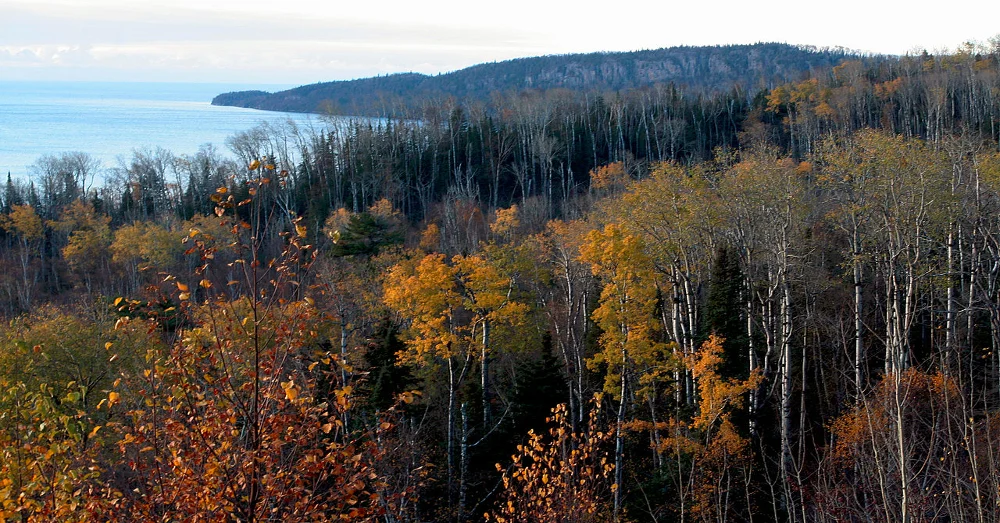
The three properties acquired in this transaction represent ecologically sensitive and culturally significant areas within the Arrowhead Region of Minnesota. While the specific geographic coordinates remain part of the Band’s internal land management records, the parcels are characterized by their proximity to Lake Superior and their integration into the existing natural corridors of the reservation.
- The Shoreline Buffer Zone: A significant portion of the 87 acres includes land adjacent to or overlooking the rugged North Shore of Lake Superior. This area is vital for protecting the water quality of the lake and maintaining the aesthetic integrity of the coastline, which is central to the Band’s identity and tourism economy.
- Upland Forested Acreage: Another segment of the acquisition consists of dense boreal forest, typical of the region. This land provides critical habitat for local wildlife, including moose, lynx, and various migratory bird species. By bringing this land back under tribal control, the Band can implement traditional ecological knowledge (TEK) alongside modern forestry practices to ensure biodiversity.
- Contiguous Interior Parcels: The third parcel serves to bridge previously separated areas of tribal land. In the context of tribal governance, contiguous land is essential for the efficient provision of services, the development of infrastructure, and the exercise of jurisdictional authority.
The Role of Philanthropy and Conservation Partnerships
The successful completion of this project highlights a shifting landscape in American philanthropy and land conservation, where non-profit organizations are increasingly prioritizing Indigenous-led conservation and land return. The Lloyd K. Johnson Foundation’s contribution of $1.23 million was the catalyst for the deal. Based in Duluth, the LKJ Foundation has a long-standing mission to support the communities of Minnesota’s North Shore. By providing the capital necessary to purchase the land from the B. Van Johnson Trust, the foundation demonstrated a commitment to restorative justice and community stability.
The Minnesota Land Trust also played a pivotal role in the process. As a leader in permanent land protection, the Trust provided the technical expertise required to navigate the complexities of the transfer. Their involvement ensured that the land would be protected from future development that might conflict with the Band’s conservation goals. This partnership underscores a growing recognition among environmental groups that Indigenous stewardship is often the most effective way to preserve natural resources.
Chronology of the Land Restoration Project
The path to the February 16, 2026, closing was the result of years of quiet negotiation and strategic planning. The following timeline outlines the key stages of the project:
- Early 2023: Initial discussions began between the Grand Portage Band and representatives of the B. Van Johnson Trust regarding the potential sale of the 87 acres. The Trust expressed a desire to see the land return to the Band rather than being sold on the open market for private development.
- Late 2024: The Minnesota Land Trust was brought into the discussions to provide a framework for the transfer and to help identify potential funding sources.
- May 2025: The Lloyd K. Johnson Foundation’s Board of Directors reviewed a formal grant proposal for the acquisition. Recognizing the historical significance and the alignment with their mission, the Board began the due diligence process for what would become their largest grant ever.
- November 2025: The LKJ Foundation officially approved the $1.23 million grant.
- January 2026: Legal teams for the Band, the Trust, and the Foundation finalized the purchase agreements and conducted environmental assessments of the parcels.
- February 16, 2026: The transaction was officially closed, and the deeds were transferred to the Grand Portage Band.
- March 16, 2026: The public announcement was made, detailing the success of the collaboration.
Economic and Social Implications for the Grand Portage Band
The acquisition of these 87 acres provides the Grand Portage Band with several strategic advantages. From an economic perspective, land is the most fundamental asset for any sovereign nation. By reclaiming these parcels, the Band gains greater control over its local economy, particularly in areas related to sustainable resource management and eco-tourism.
Socially, the return of land is a powerful tool for community health and cultural preservation. For the families of Grand Portage, the ability to access and utilize ancestral lands for traditional practices—such as hunting, gathering medicinal plants, and conducting ceremonies—is essential for the transmission of culture to younger generations. Furthermore, the consolidation of land ownership simplifies the process of planning for future housing needs, a critical issue for many tribal nations facing growing populations and limited space.
The project also serves as a model for "Land Back" initiatives across the United States. It demonstrates that when private landowners, philanthropic foundations, and conservation organizations align their interests with those of Indigenous nations, significant progress can be made in addressing historical land loss.
Broader Context: The Indigenous Land Back Movement
The Grand Portage land return occurs within the broader context of the national "Land Back" movement, which seeks to return Indigenous lands to Indigenous hands. In recent years, several high-profile successes have signaled a change in how the American public and institutional entities view tribal land rights.
In Minnesota specifically, this movement has seen several successes. In 2021, the Minnesota Historical Society returned 114 acres of land at the Lower Sioux Agency to the Lower Sioux Indian Community. Similarly, the Bois Forte Band of Chippewa recently regained ownership of over 28,000 acres of land within its reservation boundaries. The Grand Portage acquisition of 87 acres, while smaller in scale than the Bois Forte deal, is equally significant due to the high value of the specific parcels and the unique philanthropic partnership that funded it.
Statements from Project Stakeholders
The collaboration drew praise from all participating parties, each noting the precedent-setting nature of the agreement.
A spokesperson for the Lloyd K. Johnson Foundation stated: "Our foundation is honored to support the Grand Portage Band in this historic effort. We believe that the health of the North Shore community is inextricably linked to the sovereignty and well-being of the Band. This grant represents our deepest commitment to the region’s future."
The Minnesota Land Trust highlighted the conservation benefits, noting: "Protecting the natural heritage of Lake Superior requires strong partners. By facilitating the return of these lands to the Grand Portage Band, we are ensuring that these 87 acres will be managed with a long-term vision that prioritizes ecological health and cultural significance."
The B. Van Johnson Trust expressed satisfaction that the land would remain intact. "Our family has long cherished this land, and it was our priority to ensure it returned to the rightful stewardship of the Grand Portage Band. We are grateful to the LKJ Foundation and the Land Trust for making this transition possible."
Looking Ahead: Future Land Management
With the 87 acres now officially under tribal ownership, the Grand Portage Band’s Department of Biology and Environmental Services is expected to begin integrating the parcels into their comprehensive land management plan. This will likely involve biological surveys to identify sensitive species and the development of access protocols for Band members.
The success of this acquisition may also pave the way for future grants and partnerships. As the largest land return in the Band’s recent history, it sets a benchmark for what can be achieved through collaborative funding and mutual respect for tribal sovereignty. For the people of Grand Portage, the 16th of February, 2026, will be remembered as a day when the map of their home became a little more whole, and the connection to their ancestors’ legacy was tangibly strengthened.