









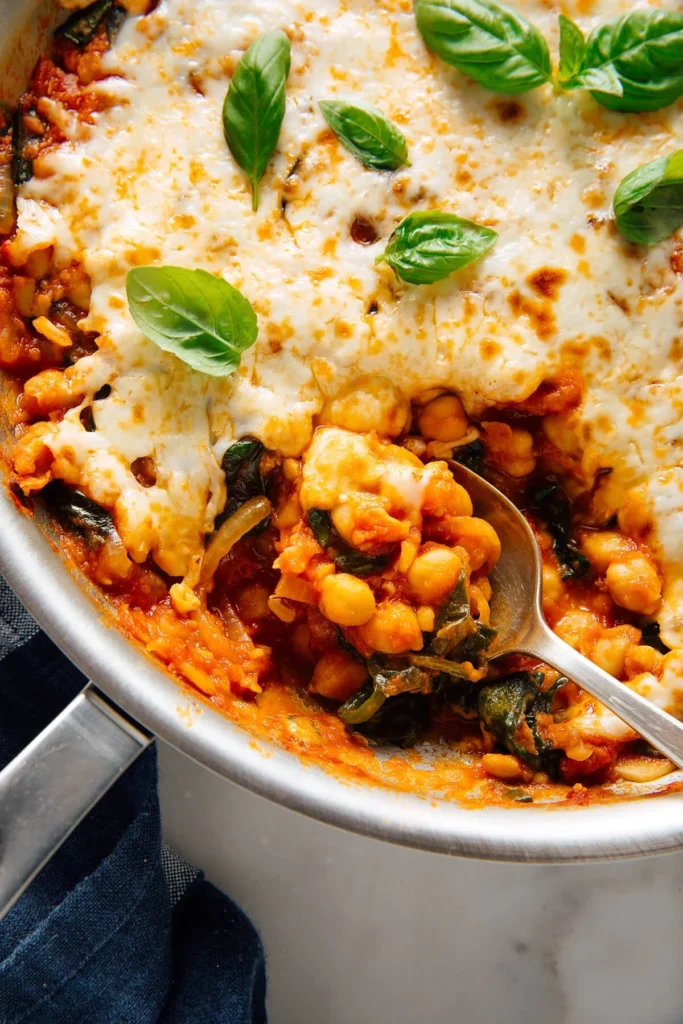
A novel dish dubbed "pizza beans," featuring hearty white beans simmered in a rich, marinara-like sauce and crowned with bubbling mozzarella cheese, has garnered significant attention in the culinary world for its inventive blend of comfort food familiarity and weeknight convenience. This innovative concept, initially conceived by acclaimed food blogger Deb Perelman of Smitten Kitchen, has since been adapted and further popularized, cementing its status as a versatile and satisfying meal solution for contemporary households. The dish stands out for its straightforward preparation, utilization of common pantry staples, and capacity to deliver a deeply flavorful experience reminiscent of traditional Italian-American fare, but with a distinctive legume-based foundation.
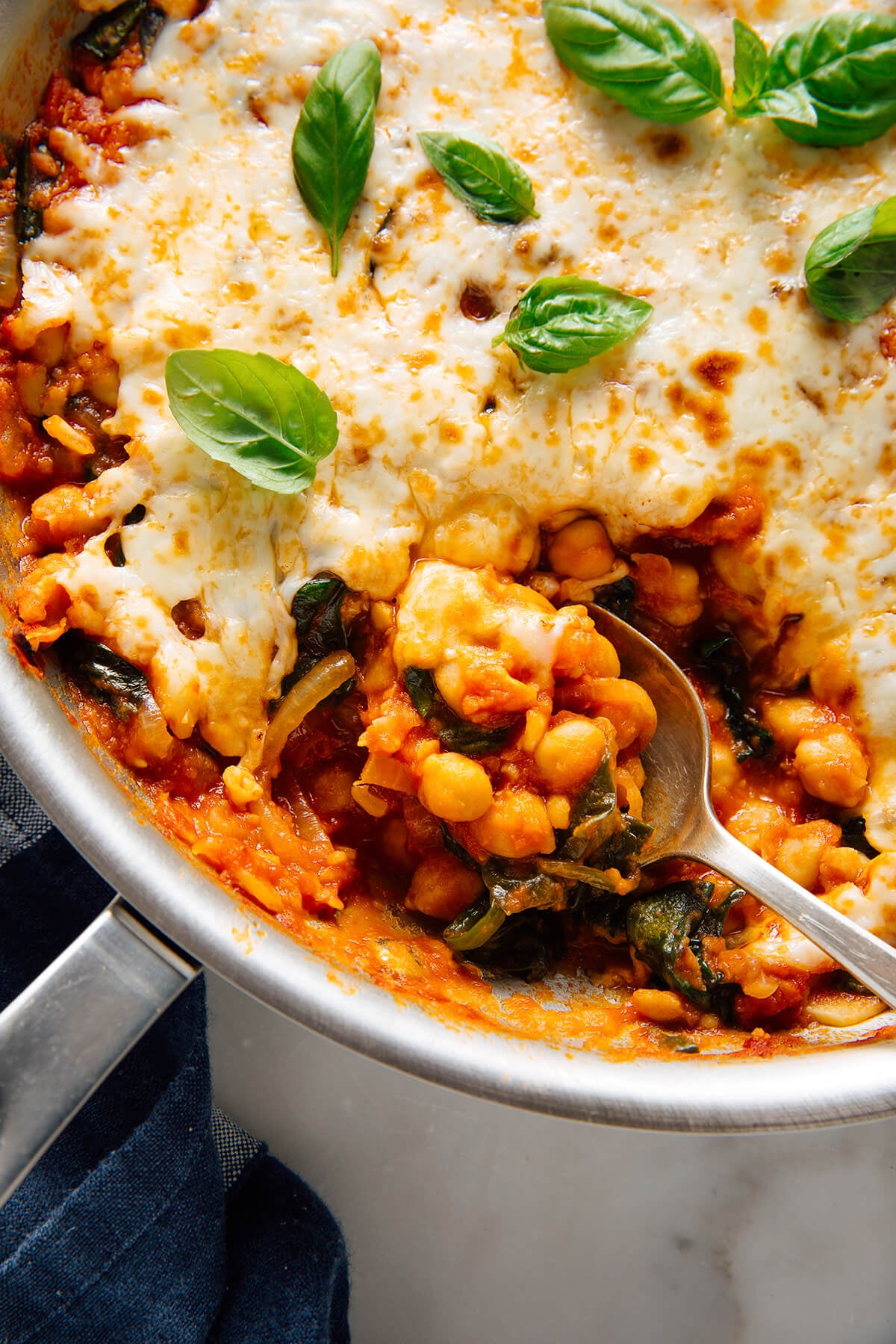
The genesis of the "pizza beans" concept can be traced to 2017, when culinary influencer Deb Perelman introduced the idea on her widely followed platform, Smitten Kitchen. Perelman’s initial vision aimed to transform humble white beans into a celebratory, pizza-inspired creation, offering a fresh perspective on legume-centric dishes. Her original recipe emphasized a rustic, homemade marinara base, carefully selected beans, and the quintessential melted mozzarella topping, establishing the core principles that define the dish today. This foundational contribution quickly resonated with home cooks seeking inventive yet approachable meal ideas, demonstrating the public’s appetite for creative culinary fusions that elevate everyday ingredients. The inherent simplicity of Perelman’s approach, coupled with the universally appealing flavors of pizza, provided a fertile ground for the concept’s subsequent evolution and broader adoption within the food blogging community.
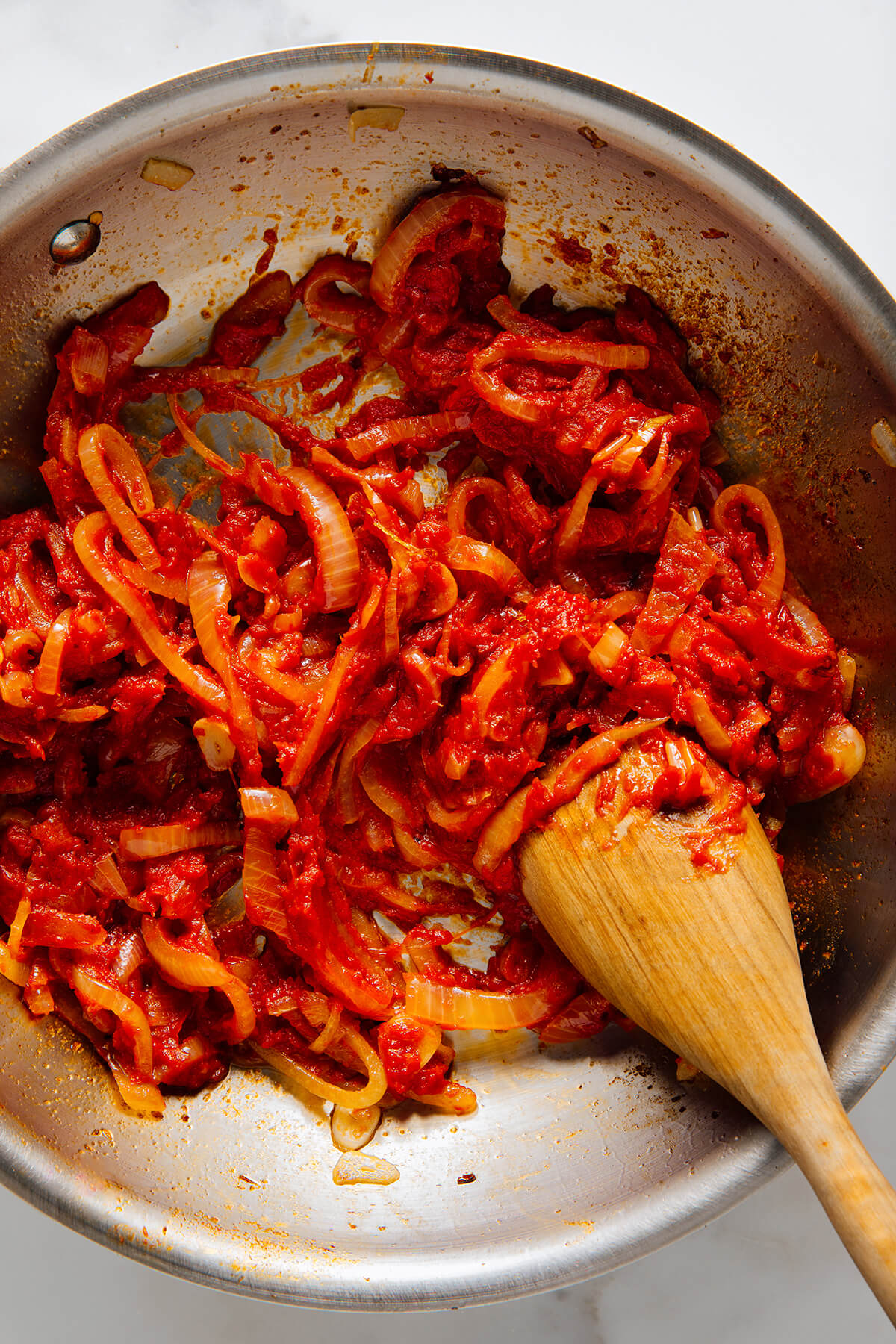
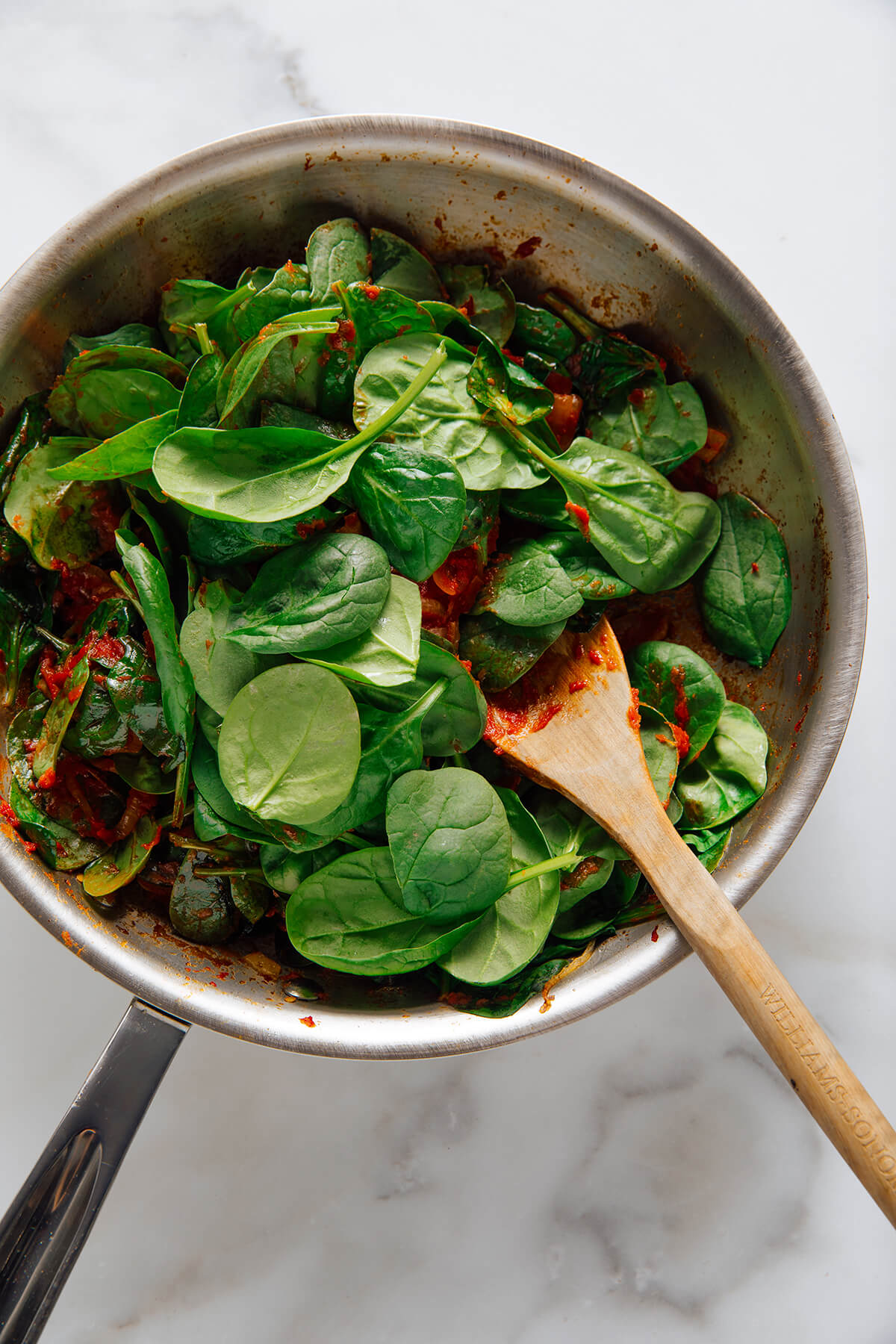
Building upon Perelman’s pioneering work, Kathryne Taylor, the influential author behind the Cookie and Kate food blog, introduced her own refined interpretation of "pizza beans." Taylor’s adaptation, shared with her extensive audience, focused on enhancing accessibility and streamlining the cooking process, aligning with the demands of busy modern lifestyles. Key modifications in Taylor’s version include the strategic use of canned beans, significantly reducing preparation time without compromising texture or flavor. Furthermore, her recipe highlights a rich, tomato paste-based sauce, meticulously crafted to impart a slow-simmered depth of flavor typically associated with sauces that have cooked for hours, all within a much shorter timeframe. This focus on maximizing flavor efficiency is a hallmark of Taylor’s approach, ensuring a robust taste profile that belies the dish’s rapid assembly. The optional inclusion of fresh spinach also adds a layer of nutritional enhancement and visual appeal, offering a practical method to incorporate additional vegetables into the meal without altering its core essence. Taylor’s rendition is celebrated for striking a delicate balance between the comforting indulgence of baked ziti and the wholesome, plant-forward attributes of a bean-based dish, positioning it as a superior alternative in terms of both nutritional value and ease of execution.
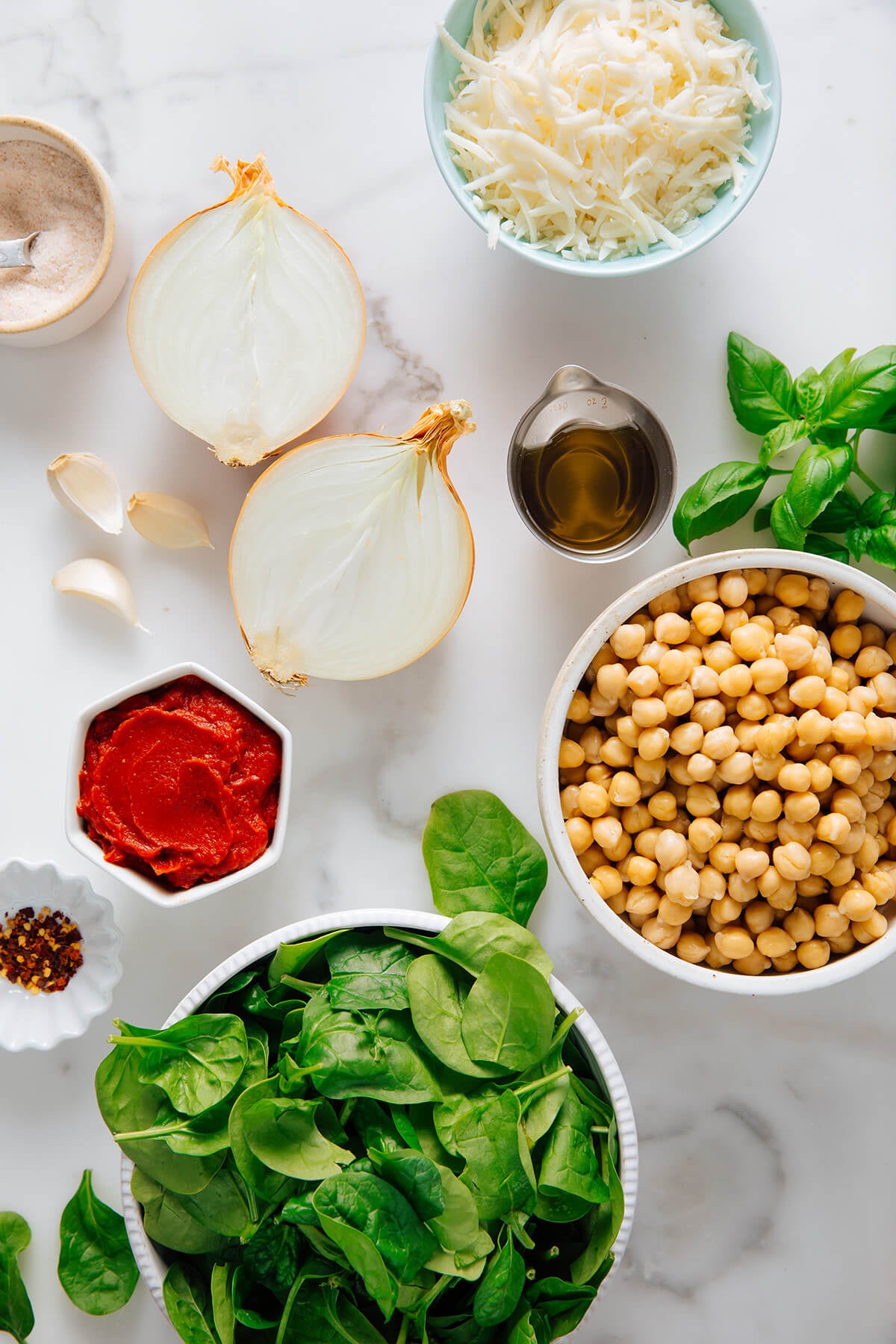
From a culinary perspective, "pizza beans" represent a clever recontextualization of ingredients. The dish primarily features hearty white beans—such as cannellini, Great Northern beans, or chickpeas—which serve as the textural and nutritional backbone. These legumes are simmered in a robust tomato sauce, often infused with aromatic elements like sautéed onions and garlic, and seasoned with herbs characteristic of Italian cuisine, such as oregano and basil. The culmination involves topping this savory bean mixture with generous amounts of shredded mozzarella cheese, which is then baked until molten and bubbly, creating a golden, irresistible crust. The selection of beans offers a subtle but important variation; chickpeas provide a firmer, more distinct bite, while cannellini or Great Northern beans tend to be softer, contributing to a creamier sauce as they break down slightly during cooking. An optional but recommended technique involves mashing a small portion of the beans (approximately half a cup) directly into the sauce. This simple step releases starches from the beans, naturally thickening the sauce and imparting a richer, more cohesive consistency, enhancing the overall mouthfeel without requiring additional thickening agents.
The nutritional profile of "pizza beans" underscores its appeal as a wholesome meal option. White beans are an excellent source of plant-based protein and dietary fiber, crucial for digestive health, satiety, and blood sugar regulation. A typical serving of white beans can contribute significantly to daily fiber recommendations, which are often unmet in standard Western diets. The tomato-based sauce provides essential vitamins, particularly Vitamin C and the antioxidant lycopene, which has been linked to various health benefits. The optional addition of baby spinach dramatically boosts the dish’s nutrient density, introducing a wealth of vitamins (A, K), minerals (iron, folate), and additional fiber, all while minimally impacting the dish’s flavor or texture. When compared to traditional meat-heavy pizza or pasta dishes like baked ziti, "pizza beans" offers a lower-fat, higher-fiber alternative, making it a suitable choice for those seeking to incorporate more plant-based meals into their diet or manage caloric intake without sacrificing flavor or satisfaction. Industry reports indicate a growing consumer demand for plant-forward comfort foods that do not compromise on taste, a trend that "pizza beans" perfectly encapsulates.
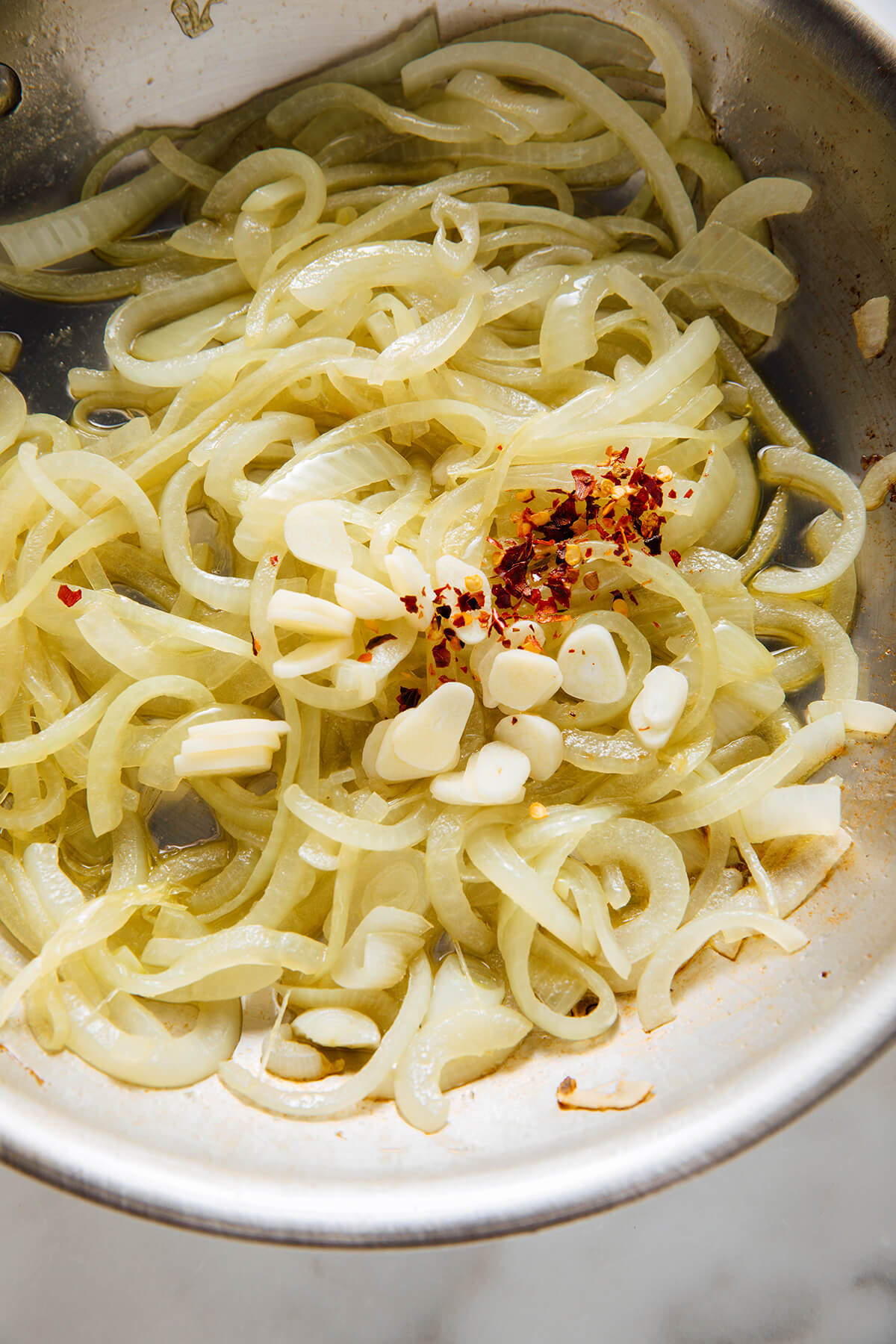
The dish’s inherent convenience is a significant factor in its increasing popularity. Designed as an "easy weeknight meal," "pizza beans" leverages readily available pantry ingredients, minimizing the need for extensive grocery shopping or specialized components. The use of canned beans eliminates the lengthy soaking and cooking times associated with dried legumes, making the preparation process remarkably swift. This aligns seamlessly with contemporary lifestyle trends where time efficiency in meal preparation is highly valued. For many households, the ability to assemble a nutritious and flavorful dinner using staples like canned beans, tomato paste, onions, garlic, and cheese, often found in most kitchens, is a game-changer. This ease of access and minimal preparation effort position "pizza beans" as a practical solution for individuals and families navigating demanding schedules, particularly during cooler months when hearty, warm meals are especially sought after. The perception that such a satisfying dish can be created with such minimal fuss often evokes a sense of "culinary cheating," highlighting its surprising simplicity relative to its profound taste.
The versatility of "pizza beans" further contributes to its broad appeal, allowing for extensive customization to suit individual preferences or dietary needs. Beyond the choice of bean variety and the inclusion of spinach, the dish can be treated as a blank canvas for additional toppings, much like a traditional pizza. Potential enhancements include sautéed mushrooms, bell peppers, olives, artichoke hearts, or even plant-based pepperoni for those seeking a vegetarian or vegan option (by substituting dairy mozzarella). For an added protein boost beyond the beans, incorporating a fried or poached egg on top of each serving is a popular suggestion, transforming the dish into an even more substantial meal. This adaptability ensures that "pizza beans" can be enjoyed by a wide demographic, from those adhering to specific dietary regimens to individuals simply looking to experiment with flavors and textures. The flexibility inherent in the recipe encourages culinary creativity and reduces meal fatigue, allowing the dish to be reinterpreted in numerous ways.
The broader implications of "pizza beans" extend beyond individual meal preparation, reflecting significant shifts in culinary trends and consumer behavior. The dish exemplifies a growing movement towards plant-forward eating, where vegetables and legumes take center stage, not merely as side dishes but as foundational components of main courses. This trend is driven by increasing awareness of health benefits, environmental sustainability, and ethical considerations associated with reduced meat consumption. "Pizza beans" also speaks to the enduring appeal of comfort food, demonstrating how familiar flavor profiles can be ingeniously applied to novel ingredient combinations to create comforting yet innovative dishes. Furthermore, its rise highlights the continued influence of food bloggers and online culinary platforms in shaping contemporary eating habits, showcasing how a well-crafted, accessible recipe can quickly gain traction and become a staple in home kitchens worldwide. This phenomenon underscores the democratization of culinary innovation, where influential home cooks, rather than exclusively professional chefs, are driving significant changes in what and how people eat.
When it comes to serving, "pizza beans" is a robust and well-balanced dish that can stand alone, particularly when augmented with spinach. However, it pairs excellently with a variety of accompaniments that enhance the dining experience. Toasted slices of crusty sourdough bread or crostini are frequently recommended, providing an ideal vehicle for scooping up the rich bean mixture and melted cheese. For those desiring an elevated bread component, roasted garlic bread offers a fragrant and flavorful complement. As mentioned, a fried egg can be added for extra protein. To introduce a contrasting freshness and acidity, a simple green salad, such as a mixed greens salad with vinaigrette, a kale salad with Parmesan and lemon, or a massaged kale salad with avocado and toasted pumpkin seeds, would provide a refreshing counterpoint to the richness of the "pizza beans." These serving suggestions not only round out the meal but also demonstrate the dish’s versatility in a complete dining context.
In conclusion, "pizza beans" represents a compelling culinary innovation that has successfully merged the comforting allure of pizza with the wholesome goodness of legumes. Originating from the creative vision of Deb Perelman and further refined for accessibility by Kathryne Taylor, this dish has rapidly established itself as a go-to option for its ease of preparation, utilization of pantry staples, and customizable nature. Its strong nutritional profile, combined with its ability to deliver profound flavor with minimal effort, positions "pizza beans" as a significant contributor to the evolving landscape of modern home cooking. As consumers increasingly seek convenient, healthy, and satisfying meal solutions, the continued ascent of "pizza beans" underscores a broader culinary movement towards resourceful, plant-forward comfort foods that resonate with contemporary dietary preferences and lifestyle demands.