









The dietary landscape of the 21st century has undergone a seismic shift, moving away from the fat-phobic rhetoric of the late 20th century toward a sophisticated understanding of macronutrient density. In the contemporary health and fitness sectors, protein has emerged as the primary focus for athletes, bodybuilders, and health-conscious individuals alike. Registered dietitians increasingly advocate for a high-protein, low-carbohydrate approach not only for muscle hypertrophy but for metabolic health, satiety, and weight management. This nutritional strategy centers on the prioritization of amino acids while mitigating the glycemic impact of refined sugars and starches.
The Biological Mechanism of High-Protein Nutrition
To understand why a high-protein, low-carb diet remains a gold standard in clinical and athletic settings, one must examine the Thermic Effect of Food (TEF). Protein possesses a significantly higher TEF compared to fats and carbohydrates. Research indicates that approximately 20% to 30% of the calories consumed from protein are expended simply during the process of digestion and metabolism. In contrast, carbohydrates require 5% to 10% and fats a mere 0% to 3%. This metabolic "tax" on protein consumption means that a high-protein diet inherently supports a higher resting metabolic rate.
Furthermore, protein is the most satiating macronutrient. By modulating hunger hormones such as ghrelin and increasing the levels of peptide YY (PYY), a high-protein intake reduces the likelihood of overconsumption. For those adhering to a low-carbohydrate regimen, this satiety is critical for long-term compliance. When carbohydrate intake is restricted, the body often relies on gluconeogenesis—a process where the liver produces glucose from non-carbohydrate sources, such as amino acids—to maintain stable blood sugar levels for the brain and central nervous system.

A Chronology of Protein in Dietary Guidelines
The prioritization of protein has evolved through several distinct phases in nutritional history:
- The Pre-Industrial Era: Traditional diets often relied on whole animal proteins and seasonal vegetables.
- The Mid-20th Century: The rise of processed grains led to a decline in relative protein density in the average Western diet.
- The 1990s "Atkins" Era: A surge in low-carb popularity focused on high fat and protein, though it was often criticized for a lack of nuance regarding food quality.
- The Modern Evidence-Based Era: Current recommendations from registered dietitians emphasize "high-quality" proteins—those containing all essential amino acids—while balancing fat types and micronutrient diversity.
The 20 Essential High-Protein, Low-Carb Foods
The following list, curated through clinical nutritional standards, identifies the most effective whole-food sources for achieving a high-protein, low-carb balance.
1. Whole Eggs
Often cited as the "gold standard" for protein quality, whole eggs have a biological value of 100. One large egg typically provides 6 grams of protein and 5 grams of healthy fats with less than 1 gram of carbohydrates. They are rich in choline and lutein, essential for brain and eye health.
2. Egg Whites
For those seeking to maximize protein while minimizing caloric density, egg whites are an ideal tool. A half-cup of liquid egg whites contains roughly 13 grams of protein and zero fat or carbs. They are highly versatile for increasing the volume of meals without adding significant energy load.
3. Wild-Caught Salmon
Salmon is a dual-purpose powerhouse, providing roughly 20-25 grams of protein per 4-ounce serving alongside essential Omega-3 fatty acids (EPA and DHA). These fats are crucial for reducing systemic inflammation, a common concern for high-intensity athletes.
4. Sardines
Sardines are frequently overlooked but remain one of the most nutrient-dense foods on the planet. A single 3.75-ounce tin provides about 23 grams of protein. Because they are consumed with their bones, they are also an excellent low-carb source of calcium and vitamin D.
5. Yellowfin Tuna
Tuna is almost pure protein. A 100-gram serving provides approximately 30 grams of protein with less than 1 gram of fat. Dietitians recommend water-packed varieties for those strictly monitoring fat intake, though moderation is advised due to mercury considerations.
6. Shrimp
Shrimp is one of the most calorie-efficient protein sources available. Each 3-ounce serving offers 18 grams of protein for only 84 calories. It is also a rare dietary source of selenium and zinc, which support immune function.
7. Lean Pork Chops
Pork is often termed "the other white meat," and lean cuts like the loin are comparable to chicken breast in protein density. A 4-ounce pork chop provides roughly 24 grams of protein and is a significant source of thiamin (Vitamin B1).
8. Pork Shoulder
While higher in fat than the loin, pork shoulder is an excellent source of protein for slow-cooking and meal prepping. It provides approximately 18-20 grams of protein per 3-ounce serving and is rich in zinc and B12.

9. Cured Ham
Lean ham provides a convenient, pre-cooked protein source. With roughly 14 grams of protein per 3-ounce serving, it is effective for quick meals, though consumers should monitor sodium levels and choose nitrate-free options when possible.
10. Sirloin Steak
Sirloin is a favorite among dietitians for its favorable protein-to-fat ratio. A 6-ounce sirloin steak delivers approximately 48 grams of protein. It is a primary source of heme iron, which is more readily absorbed by the body than plant-based iron.
11. Strip Steak
Similar to sirloin, the strip steak (or New York Strip) offers a robust amino acid profile. It is slightly more marbled than sirloin but remains a high-quality red meat option for those requiring significant protein for muscle repair.
12. Ribeye Steak
While ribeye is higher in fat (marbling), it is an essential inclusion for those on ketogenic or moderate-fat, low-carb diets. The fat content provides sustained energy, while the protein content remains high at roughly 20-24 grams per 4-ounce serving.
13. 95% Lean Ground Beef
Ground beef is a versatile staple. The 95% lean variety allows for the creation of burgers, bowls, and sauces that provide 21 grams of protein per 4-ounce serving with only 5 grams of fat and zero carbohydrates.
14. Beef Liver
Regarded as "nature’s multivitamin," beef liver is exceptionally high in protein and micronutrients. It contains high concentrations of Vitamin A, B12, and copper. From a journalistic standpoint, liver has seen a resurgence in "nose-to-tail" eating movements.
15. Low-Fat Cottage Cheese
Cottage cheese is a unique dairy source comprised primarily of casein protein. A one-cup serving can provide up to 28 grams of protein. Casein is slow-digesting, making it an ideal evening snack to prevent muscle protein breakdown during sleep.

16. Greek Yogurt (Plain, Non-Fat)
Strained Greek yogurt contains double the protein of traditional yogurt. A 7-ounce serving provides roughly 20 grams of protein. Consumers must opt for plain varieties to avoid the hidden sugars found in fruit-flavored versions.
17. Chicken Breast
The quintessential bodybuilding staple, chicken breast is nearly 80% protein by calorie. A 6-ounce breast provides approximately 52 grams of protein. Its neutral flavor profile makes it the most adaptable protein for various cuisines.
18. Chicken Thighs
Chicken thighs offer a more succulent alternative to the breast. While they contain more monounsaturated fats, they still provide roughly 20 grams of protein per 4-ounce serving and are often more affordable for budget-conscious consumers.
19. Whey Protein Isolate
As a supplement, whey isolate is the most bioavailable protein source. It is rapidly absorbed, making it ideal for post-workout recovery. Most scoops provide 25 grams of protein with virtually zero carbs or fats.
20. Casein Protein Powder
Unlike whey, casein forms a "gel" in the stomach, slowing digestion. This makes it highly effective for satiety. It is often used by athletes to maintain a positive nitrogen balance over long periods between meals.
Supporting Data and Expert Analysis
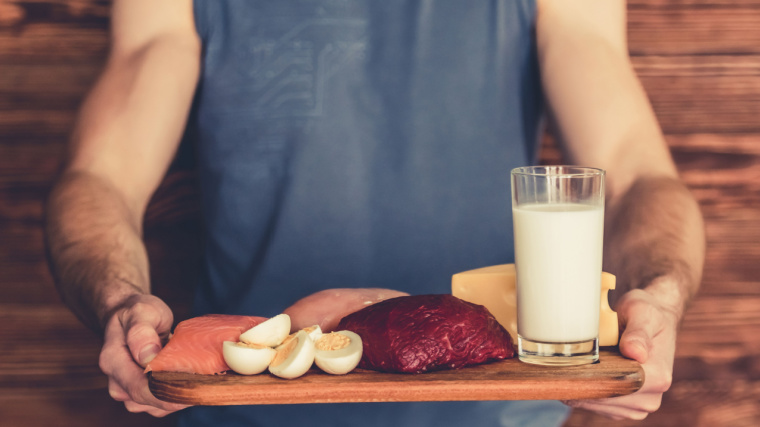
The effectiveness of these foods is supported by the Protein Digestibility Corrected Amino Acid Score (PDCAAS). Animal-based proteins such as eggs, dairy, and meat consistently score a 1.0 (the highest possible rating), meaning they provide all essential amino acids in the proportions required by humans.
Industry data suggests a burgeoning "Protein Economy." According to market research, the global whey protein market alone is projected to reach over $18 billion by 2030. This growth is driven by a broader consumer realization that protein is not merely for "gym rats" but is a fundamental requirement for healthy aging and metabolic regulation.
Dietitians emphasize that while these 20 foods are excellent, the "low-carb" aspect must be balanced with high-fiber, non-starchy vegetables. A diet consisting solely of animal protein without fiber can lead to gastrointestinal distress and micronutrient deficiencies. Therefore, the strategic integration of leafy greens, cruciferous vegetables, and hydration is essential.
Sample Nutritional Implementation
For an active 200-pound individual, a dietitian might recommend a daily intake of 250 grams of protein. A sample high-protein, low-carb day might look like the following:
- Breakfast: 3 whole eggs scrambled with 1/2 cup egg whites and spinach. (33g Protein)
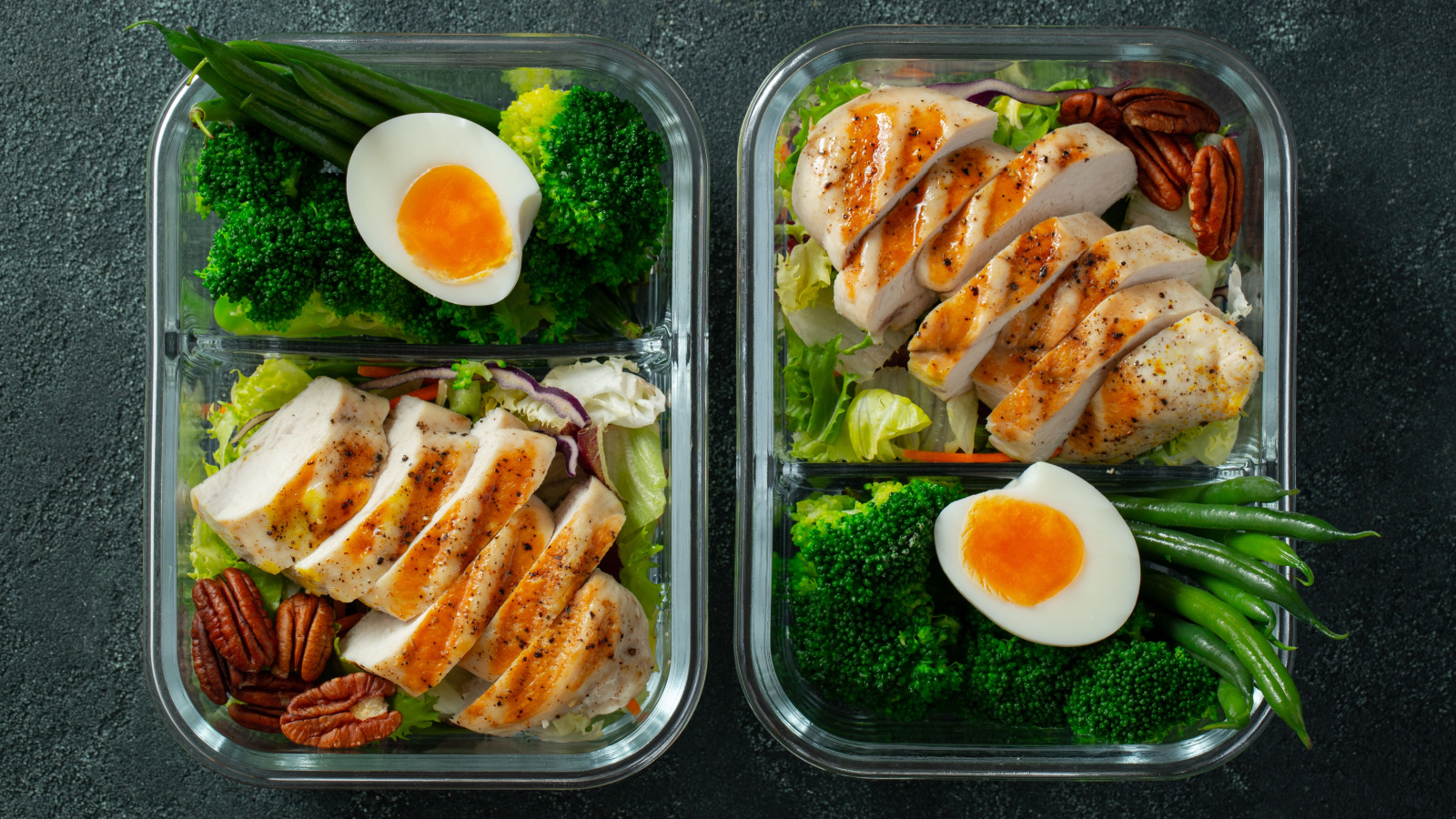
- Lunch: 6 oz grilled chicken breast over a large green salad with olive oil. (52g Protein)
- Afternoon Snack: 1 cup Greek yogurt with a scoop of whey isolate mixed in. (45g Protein)
- Dinner: 8 oz sirloin steak with roasted asparagus. (64g Protein)
- Evening: 1 cup cottage cheese. (28g Protein)
This structure ensures a steady bolus of amino acids throughout the day, maximizing the Muscle Protein Synthesis (MPS) response.
Broader Implications and Official Perspectives
The move toward higher protein intake has prompted discussions regarding food sustainability and cost. While animal proteins are nutrient-dense, the rising cost of beef and poultry has led many to seek "protein efficiency"—obtaining the most protein per dollar spent. This has increased the popularity of eggs, canned tuna, and large-format Greek yogurt.
Public health organizations, including the USDA, have historically set the Recommended Dietary Allowance (RDA) for protein at a modest 0.8 grams per kilogram of body weight. However, modern clinical consensus suggests that for those who are physically active or aging, this "floor" is insufficient. Leading researchers now argue that 1.2 to 1.6 grams per kilogram is a more appropriate target for optimal health.
In conclusion, the transition to a high-protein, low-carb lifestyle is more than a trend; it is a response to the metabolic challenges of the modern era. By utilizing the 20 foods outlined above, individuals can construct a diet that supports lean mass, cognitive function, and long-term metabolic health. As the science of nutrition continues to evolve, the emphasis on high-quality, bioavailable protein remains a cornerstone of human performance.