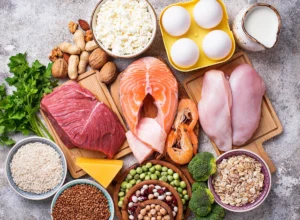










The landscape of modern nutrition has shifted significantly toward the prioritization of macronutrient density, with protein emerging as the primary focus for both athletic performance and metabolic health. As global obesity rates continue to rise and the fitness industry expands, registered dietitians are increasingly advocating for high-protein, low-carbohydrate dietary frameworks. These protocols are designed not only to facilitate muscle hypertrophy but also to optimize satiety and metabolic efficiency. For many individuals, the transition from a standard Western diet—often high in processed carbohydrates—to a protein-centric model requires a sophisticated understanding of food sources that offer high biological value without excessive caloric load from sugars or fats.
The Biological and Metabolic Foundations of Protein Consumption
The emphasis on protein in clinical nutrition is rooted in its unique metabolic properties. Unlike carbohydrates and fats, which primarily serve as energy sources, protein provides the essential amino acids required for the synthesis of hormones, enzymes, and structural tissues. One of the most significant advantages of a high-protein diet is the Thermic Effect of Food (TEF). Clinical research indicates that protein requires more energy to digest, absorb, and process than other macronutrients. While fats and carbohydrates have a TEF of approximately 0–3% and 5–10% respectively, protein boasts a TEF of 20–30%. This means that nearly a third of the calories consumed from protein are expended simply through the process of digestion.
Furthermore, protein is the most satiating macronutrient. By modulating hunger hormones such as ghrelin and stimulating the release of satiety signals like peptide YY (PYY), high-protein intake helps individuals maintain a caloric deficit without the psychological burden of constant hunger. This dual effect—increasing caloric expenditure while decreasing caloric intake—makes high-protein, low-carb foods the cornerstone of contemporary weight management and bodybuilding strategies.

A Chronology of Nutritional Evolution: From the Pyramid to Macronutrients
The current focus on high-protein, low-carb intake represents a significant departure from the nutritional guidelines of the late 20th century. In 1992, the U.S. Department of Agriculture (USDA) introduced the Food Guide Pyramid, which placed bread, cereal, rice, and pasta at the base, recommending 6–11 servings per day. During this era, protein sources were relegated to a smaller section, and fats were to be used "sparingly."
However, by the early 2000s, longitudinal studies began to highlight the correlation between high-carbohydrate intake and the rise of Type 2 diabetes and metabolic syndrome. This led to the emergence of the "low-carb" movement, popularized by protocols like the Atkins and South Beach diets. Today, the consensus among sports dietitians has evolved into a more nuanced "macro-tracking" approach. This modern methodology focuses on the quality of protein sources and the strategic timing of intake to support lean muscle mass while keeping insulin levels stable through low carbohydrate consumption.
The Top 20 High-Protein, Low-Carbohydrate Food Sources
To maintain long-term dietary compliance, health professionals recommend a diverse rotation of protein sources. The following twenty foods have been identified by registered dietitians as the gold standard for high-protein, low-carb nutrition.
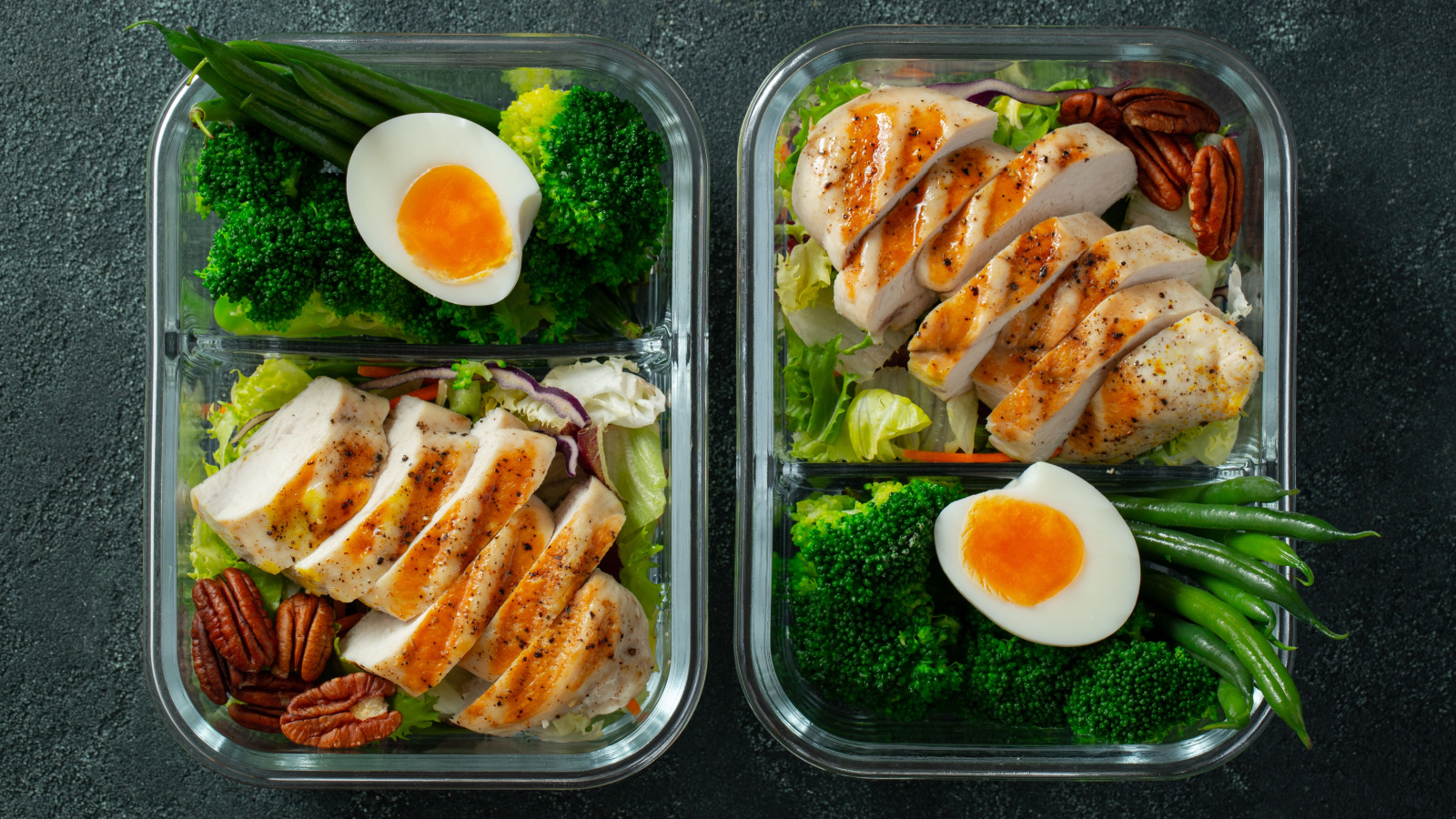
Lean Poultry and Egg Sources
1. Chicken Breast: Long considered the staple of the fitness community, chicken breast is almost entirely composed of protein. A standard 6-ounce serving provides approximately 52 grams of protein with negligible fat and zero carbohydrates. Its neutral flavor profile allows for extensive culinary versatility.
2. Chicken Thighs: While slightly higher in fat than the breast, chicken thighs offer a more robust micronutrient profile, including higher levels of iron and zinc. They are an excellent option for those who find chicken breast too dry for long-term adherence.
3. Whole Eggs: Eggs are often referred to as the "gold standard" for protein quality due to their complete amino acid profile. While the yolk contains fat, it also houses fat-soluble vitamins (A, D, E, K) and choline, which is essential for brain health.
4. Egg Whites: For those looking to maximize protein intake while strictly limiting fats and calories, liquid egg whites are an ideal solution. They can be added to whole eggs or used in smoothies to increase volume and protein density.
Premium Seafood Options
5. Salmon: Beyond its 20 grams of protein per 3-ounce serving, salmon is a primary source of Omega-3 fatty acids (EPA and DHA). These fats are crucial for reducing systemic inflammation and supporting cardiovascular health.
6. Tuna: Whether fresh or canned in water, tuna is one of the leanest protein sources available. It is virtually fat-free and carbohydrate-free, making it a favorite for rapid weight loss phases.
7. Shrimp: Shrimp is exceptionally low in calories, offering roughly 20 grams of protein per 100-gram serving with less than 100 calories. It also provides selenium, an important antioxidant.

8. Sardines: Often overlooked, sardines are a nutritional powerhouse. They are rich in calcium (due to the edible bones) and Omega-3s, providing a portable, shelf-stable protein source that requires no preparation.
Red Meats and Organ Meats
9. Sirloin Steak: Sirloin is a lean cut of beef that provides high-quality protein along with heme iron, which is more easily absorbed by the body than plant-based iron.
10. Strip Steak: Similar to sirloin, the strip steak offers a balance of tenderness and leanness, making it suitable for those monitoring their lipid profiles.
11. Ribeye Steak: While higher in saturated fat and calories, the ribeye is favored for its flavor and satiety. Dietitians suggest incorporating ribeye during "bulking" phases or within ketogenic frameworks.
12. Lean Ground Beef (95/5): Using 95% lean ground beef allows for the creation of burgers and meat sauces that fit within a low-carb, low-fat macro profile.
13. Beef Liver: Historically a staple of elite bodybuilders, beef liver is arguably the most nutrient-dense food on the planet. It is loaded with Vitamin A, B12, and copper, alongside a high protein-to-calorie ratio.
Pork Products
14. Pork Chops: Lean pork cuts are comparable to chicken breast in terms of protein density and are a significant source of thiamin (Vitamin B1).

15. Pork Shoulder: While traditionally used for slow-cooking and barbecue, pork shoulder provides a moderate-fat protein source that is highly satisfying.
16. Ham: Cured ham is a convenient, ready-to-eat protein. However, dietitians caution consumers to look for "low-sodium" versions to avoid excessive salt intake.
Dairy and Specialized Supplements
17. Cottage Cheese: This dairy product is unique because it is primarily composed of casein protein, which digests slowly. It is often recommended as a pre-sleep snack to provide a steady stream of amino acids throughout the night.
18. Greek Yogurt: By straining the whey, Greek yogurt achieves a much higher protein concentration than standard yogurt. It also provides probiotics, which support gut health.
19. Whey Protein Powder: As a fast-digesting supplement, whey is ideal for post-workout recovery when the body requires rapid amino acid delivery to repair muscle fibers.
20. Casein Protein Powder: Conversely, casein powder forms a "gel" in the stomach, slowing digestion. It is an effective tool for meal replacement or for curbing hunger during long intervals between meals.
Market Trends and Economic Impact
The shift toward high-protein diets has had a profound impact on the global food economy. According to market analysis reports, the global whey protein market size was valued at approximately USD 10.26 billion in 2022 and is projected to expand at a compound annual growth rate (CAGR) of 7.5% through 2030. This growth is driven by increasing health consciousness and the "snackification" of protein, where traditional high-carb snacks are being replaced by protein bars, shakes, and meat-based snacks like jerky.
Major food conglomerates have responded to this trend by reformulating products to reduce sugar and increase protein content. The "low-carb" label has become a powerful marketing tool, influencing consumer behavior across all demographics, from professional athletes to elderly populations seeking to prevent sarcopenia (age-related muscle loss).
Expert Analysis: Implementing the High-Protein Framework
Registered dietitians emphasize that while the 20 foods listed above are excellent choices, the "ideal" diet is highly individualized. A standard recommendation for active individuals is 0.8 to 1.25 grams of protein per pound of body weight. For a 200-pound athlete, this equates to 160–250 grams of protein daily.
Sample Daily Nutritional Allocation
To visualize the integration of these foods, consider a 3,500-calorie plan designed for a 200-pound male athlete:
- Breakfast: 3 whole eggs, 1 cup egg whites, and 1.5 cups of oats (50g protein).
- Lunch: 8 oz chicken breast with 1.5 cups of white rice (65g protein).
- Dinner: 8 oz sirloin steak with a large baked potato (67g protein).
- Snacks: Greek yogurt with berries and a whey protein shake (79g total protein).
This structure ensures that protein remains the centerpiece of every meal, suppressing hunger and providing the building blocks for physical performance.
Broader Implications for Public Health
The long-term implications of a society-wide shift toward high-protein, low-carb eating could be substantial. By reducing the consumption of refined carbohydrates and increasing protein intake, there is a potential for a significant reduction in the prevalence of metabolic diseases. Improved glycemic control and the preservation of lean muscle mass are critical factors in healthy aging.
However, experts also warn of the "protein transition" challenges, including the environmental impact of increased meat consumption and the necessity of maintaining fiber intake through non-starchy vegetables. The consensus remains that a diet consisting of whole, minimally processed protein sources—balanced with essential fats and fibrous carbohydrates—is the most effective strategy for achieving sustainable health and aesthetic goals. In a world of fleeting dietary fads, the science-backed benefits of high-protein, low-carb nutrition continue to stand the test of time.