
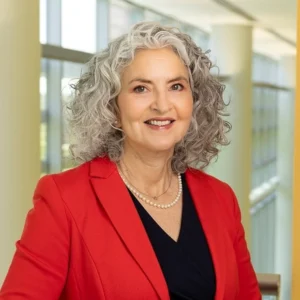








The Endocrine Society has officially announced that Rebecca Reynolds, MD, PhD, a distinguished physician-scientist at the University of Edinburgh, has been selected as the recipient of the 2026 International Excellence in Endocrinology Laureate Award. This prestigious recognition, part of the Society’s annual Laureate Awards program, celebrates individuals who have made exceptional contributions to the field of endocrinology on a global scale. Dr. Reynolds, who serves as the Personal Chair of Metabolic Medicine and Dean International at the University of Edinburgh’s College of Medicine and Veterinary Medicine, is being recognized for her pioneering research into the endocrine mechanisms of pregnancy and their long-term effects on both maternal and offspring health. Her work has bridged the gap between basic laboratory science and clinical application, fundamentally altering the understanding of how the intrauterine environment dictates metabolic trajectories across the lifespan.
A Legacy of Excellence: The Career of Rebecca Reynolds
The selection of Dr. Reynolds for the 2026 International Excellence Award marks a significant milestone in a career defined by a commitment to unraveling the complexities of human development. Dr. Reynolds began her academic journey with a fascination for the endocrine system’s plasticity, particularly during the high-stakes period of gestation. During her doctoral studies, she focused on how events occurring in utero could program long-term health outcomes—a field often referred to as the Developmental Origins of Health and Disease (DOHaD).
Throughout her tenure at the University of Edinburgh, Dr. Reynolds has ascended to several leadership roles. As Dean International, she has fostered global collaborations that extend the reach of Scottish medical research to underserved regions. Her dual role as a clinician and a researcher has allowed her to identify pressing clinical needs at the bedside and address them through rigorous scientific inquiry. Her research portfolio is extensive, covering the impact of maternal obesity, the role of glucocorticoids in fetal development, and the metabolic triggers of gestational diabetes.

The Endocrine Society’s Laureate Awards are among the highest honors in the field, often likened to the "Oscars" of the endocrine world. By naming Dr. Reynolds as the 2026 International Excellence recipient, the Society highlights the global resonance of her work, which has moved beyond the borders of the United Kingdom to influence maternal care standards in Africa, Europe, and North America.
Pregnancy as a Metabolic Stress Test: Core Research Themes
At the heart of Dr. Reynolds’ research is the concept that pregnancy serves as a unique "stress test" for the female body. Under normal physiological conditions, pregnancy requires significant adaptations in insulin sensitivity, cardiovascular function, and hormonal regulation. However, when these systems are strained—often due to pre-existing conditions like obesity or genetic predispositions—the results can manifest as complications such as gestational diabetes or preeclampsia.
Dr. Reynolds has argued that these complications are not merely transient issues that resolve after childbirth. Instead, they serve as early indicators of a woman’s future risk for type 2 diabetes, hypertension, and cardiovascular disease. By studying these pathways, her team has identified specific endocrine biomarkers that can predict which women are at the highest risk, allowing for earlier intervention and personalized care.
Furthermore, her research into fetal growth has shed light on how the placenta acts as a critical endocrine organ. The transfer of nutrients and hormones across the placental barrier is a delicate balance; disruptions in this balance can lead to intrauterine growth restriction (IUGR) or macrosomia (excessive birth weight). Dr. Reynolds’ work has been instrumental in showing that these birth outcomes are linked to the child’s risk of developing metabolic syndrome in adulthood, thereby establishing a multi-generational cycle of health and disease.
Supporting Data: The Rising Challenge of Maternal Obesity and Health Disparities
The clinical urgency of Dr. Reynolds’ work is underscored by global health statistics. According to the World Health Organization (WHO), the prevalence of obesity among pregnant women has risen sharply over the last two decades. In some developed nations, more than 50% of women entering pregnancy are classified as overweight or obese. This demographic shift has led to a surge in gestational complications.
Data from the Centers for Disease Control and Prevention (CDC) and similar international bodies indicate that women with obesity during pregnancy are at a significantly higher risk for:
- Gestational Diabetes Mellitus (GDM): Up to a four-fold increase in risk.
- Preeclampsia: A two-fold increase in risk.
- Cesarean Delivery: Higher rates of surgical intervention and post-operative complications.
Dr. Reynolds’ research has directly addressed these statistics by investigating the inflammatory and endocrine pathways triggered by maternal adiposity. Her findings have informed clinical trials aimed at managing weight gain and improving insulin sensitivity during pregnancy, providing a data-driven foundation for modern obstetric guidelines.
Additionally, Dr. Reynolds has highlighted the "funding gap" in women’s health research. Historically, clinical trials and physiological studies have disproportionately focused on male subjects, leading to a lack of evidence-based treatments specifically tailored for women. Her advocacy for increased investment in maternal-fetal medicine is a cornerstone of her international influence.
Global Impact and Policy Transformation
The influence of Dr. Reynolds’ work is perhaps most visible in the realm of international medical policy. Her research has been a primary source for several major clinical guidelines that dictate how healthcare providers manage high-risk pregnancies.
- Royal College of Obstetricians and Gynaecologists (RCOG): Her findings on the management of obesity and metabolic health have been integrated into UK-wide standards for maternal care.
- Scottish Diabetes Prevention Programme: Dr. Reynolds played a key role in developing strategies to identify women who have had gestational diabetes and transitioning them into long-term monitoring programs to prevent the onset of type 2 diabetes.
- Malawi 2021 Obstetric Ultrasound Guidelines: Recognizing the need for improved maternal care in low-resource settings, Dr. Reynolds contributed to the development of ultrasound guidelines in Malawi. This work aimed to improve the detection of fetal growth issues in regions with limited healthcare infrastructure.
Professor Ruth Andrew, PhD, Chair of Pharmaceutical Endocrinology at the University of Edinburgh, who nominated Reynolds for the award, emphasized this global reach. Andrew noted that Reynolds’ work is particularly vital for populations living with poor healthcare infrastructure and challenging socioeconomic circumstances, where the "stress test" of pregnancy is often compounded by environmental stressors.
Personal Philosophy and Professional Reflections
In a recent interview with Endocrine News, Dr. Reynolds expressed her surprise and gratitude upon receiving news of the award. She attributed her success to the collaborative nature of her team and the patients who participate in her studies. "The award would not be possible without all the amazing people and patients that I have worked with," she stated.
When asked about her inspiration, Dr. Reynolds pointed to the sheer complexity of the endocrine changes that occur during gestation. She noted that for every scientific question asked, researchers must consider the dual consequences for both the mother and the child. This "dual-patient" dynamic makes pregnancy research uniquely challenging but also uniquely rewarding.
Despite the intensity of her professional life, Dr. Reynolds maintains a balanced lifestyle through her practice as an Iyengar yoga teacher and her passion for hillwalking. She is currently on the verge of completing the "Munro bagging" challenge—summiting all 282 of Scotland’s mountains over 3,000 feet. She noted that these outdoor pursuits often provide the mental clarity necessary for scientific breakthroughs, stating, "Sometimes I get my best ideas when I’m out walking."
Analysis of Implications: The Future of Endocrinology in Women’s Health
The recognition of Dr. Reynolds by the Endocrine Society signals a broader shift in the field toward prioritizing women’s health and the developmental origins of disease. As the medical community moves toward precision medicine, the insights gained from Dr. Reynolds’ research will likely lead to:
- Tailored Interventions: Moving away from a "one-size-fits-all" approach to pregnancy care and toward interventions based on a woman’s specific endocrine profile.
- Early Life Prevention: Shifting the focus of chronic disease prevention to the earliest possible stage—conception and gestation.
- Policy Equity: Encouraging governments and funding bodies to bridge the research gap between men’s and women’s health.
The 2026 International Excellence in Endocrinology Laureate Award serves as a testament to the fact that understanding the first nine months of life is essential for understanding the health of a lifetime. As Dr. Reynolds prepares to accept her award at the ENDO 2026 conference, her work continues to provide a roadmap for improving maternal and child outcomes globally.
Chronology of Recognition and Key Milestones
- Early 2000s: Completion of PhD focusing on the in utero programming of adult disease.
- 2010s: Appointment as Personal Chair of Metabolic Medicine at the University of Edinburgh; expansion of research into maternal obesity.
- 2015-2020: Contribution to RCOG and Scottish health guidelines; establishment of international collaborations in Africa.
- 2021: Publication and implementation of the Obstetric Ultrasound Guidelines in Malawi.
- 2024: Official announcement of the 2026 Endocrine Society Laureate Awards.
- 2026: Scheduled presentation of the International Excellence in Endocrinology Award at the ENDO 2026 annual meeting.
Dr. Reynolds remains focused on the "many unanswered questions about human pregnancy and fetal growth." As she looks forward to the 2026 conference, her objective remains clear: to ensure that the "stress test" of pregnancy leads not to future illness, but to a better understanding of how to protect the health of generations to come.