








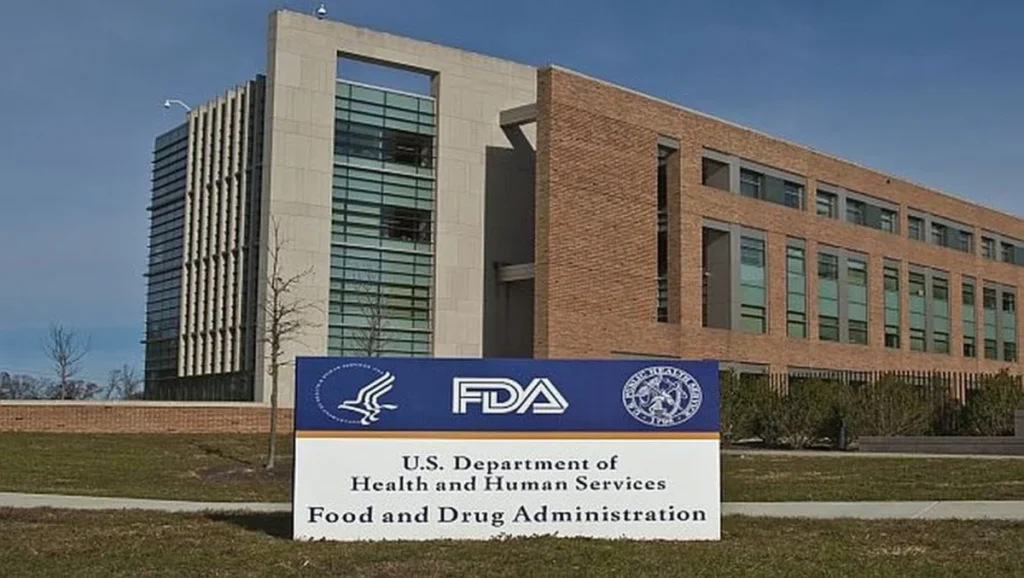
The Food and Drug Administration has announced a pivotal public meeting scheduled for March 27, 2026, aimed at addressing long-standing definitional ambiguities surrounding New Dietary Ingredient Notifications (NDINs). This initiative is poised to significantly impact the regulatory landscape for the dietary supplement industry by seeking to provide greater clarity on what constitutes a "dietary substance for use by man to supplement the diet by increasing the total dietary intake," a foundational phrase within the Dietary Supplement Health and Education Act of 1994 (DSHEA). The meeting, a crucial step in refining regulatory oversight, will delve into the intricacies of ingredient classification, production methods, and the evolving nature of supplement components, a process that has been the subject of industry discussion and regulatory review for years.
Background and Industry Significance
The DSHEA, enacted in 1994, revolutionized the dietary supplement market by establishing a framework for regulating these products. A core component of this framework is the definition of a dietary ingredient, which includes vitamins, minerals, herbs or other botanicals, and amino acids. However, the inclusion of a fifth category – "a dietary substance for use by man to supplement the diet by increasing the total dietary intake" – has historically presented challenges. This broad, catch-all definition, along with its further elaboration to include concentrates, metabolites, constituents, extracts, or combinations of these, has led to considerable interpretation and, at times, regulatory friction.

The impetus for this upcoming FDA meeting stems from years of industry experience where the nebulous nature of this fifth definition has resulted in confusion and the rejection of NDINs. Companies seeking to introduce novel ingredients into the market have faced uncertainty regarding whether their products fall within the established categories. This has led to significant investment in research and safety substantiation being potentially rendered moot if an ingredient is deemed by the FDA to not qualify as a dietary ingredient. The FDA’s practice of summarily rejecting submissions for ingredients believed to fall outside the scope of a dietary ingredient has underscored the urgent need for clearer guidelines.
Timeline of Regulatory Evolution and Industry Engagement
The dialogue surrounding NDINs and ingredient definitions is not new. The FDA first issued draft guidance on NDINs in 2010, a document that initiated a prolonged period of discussion and industry feedback. Since that initial draft, several key questions have remained open, prompting ongoing engagement between regulatory bodies and the supplement industry.
One persistent area of ambiguity relates to new production techniques and their impact on ingredient classification. The question of how significantly a change in the production method and the resultant chemical composition of an existing ingredient transforms it into a "new" ingredient requiring a fresh NDIN with updated safety data has been a subject of intense debate. The industry has sought clarity on the threshold at which an alteration in manufacturing processes necessitates a new regulatory submission, especially as technological advancements enable more sophisticated and precise methods of ingredient creation.
Another critical issue that has surfaced during the NDI guidance process pertains to bioidentical ingredients produced through advanced techniques such as precision fermentation. At one point in the historical discourse, the FDA had indicated that bioidentical botanical ingredients produced through these methods might not qualify as dietary ingredients. The rationale was rooted in the inability to trace their origin directly back to the plant source, even if their chemical composition precisely mirrored that of a natural botanical extract. While this specific ruling has reportedly not been strictly enforced, it highlights the complex considerations at play when synthetic or bio-manufactured substances mimic natural compounds. The upcoming meeting is expected to provide a platform to address these nuanced challenges, particularly concerning ingredients derived from modern biotechnological processes.
The FDA’s announcement of this public meeting follows a recent request from the Natural Products Association (NPA). In early January, the NPA formally petitioned the FDA to convene a meeting addressing a broader scope of issues, including the definitional questions now on the agenda, as well as critical concerns surrounding the drug preclusion clause of DSHEA and the burgeoning market of unregistered peptide ingredients. While the FDA has responded by scheduling a meeting, the stated agenda appears to be focused exclusively on the definitional aspects of dietary ingredients, at least on the surface, sidestepping some of the wider regulatory challenges raised by the NPA.
Key Discussion Points for the Public Meeting
The March 27th public meeting is designed to foster a collaborative environment for exploring the scope and application of the DSHEA’s definition of a dietary ingredient. The agenda will specifically focus on several key areas:
- Clarification of "Dietary Substance for Use by Man to Supplement the Diet by Increasing the Total Dietary Intake": This central point aims to dissect the broad language of the fifth definition to establish more concrete parameters for what qualifies. This will involve examining the intent of the legislation and how it applies to a diverse range of substances.
- Impact of New Production Techniques: The meeting will address the regulatory implications of novel manufacturing processes. This includes determining the criteria for when a change in production methods constitutes a "new" ingredient, thereby requiring a new NDIN and associated safety data. This will be particularly relevant for ingredients that undergo significant chemical modification or are produced through advanced biotechnological methods.
- Bioidentical Ingredients and Fermentation: The FDA will likely engage in discussions regarding the classification of bioidentical ingredients, especially those produced through precision fermentation. The meeting will provide an opportunity to clarify the agency’s stance on these substances, which replicate the chemical structure of natural compounds but may lack a direct plant origin.
- Specific Ingredient Categories: The meeting will also scrutinize particular types of ingredients, including proteins, enzymes, and microbials. These categories often present unique challenges in terms of identification, safety assessment, and regulatory classification, making them a crucial focus for definitional clarity.
Industry Reactions and Expert Analysis
The announcement of the FDA’s public meeting has been met with a mix of anticipation and cautious optimism from industry stakeholders. Ivan Wasserman, managing partner at Amin Wasserman Gurnani and a legal representative for the International Probiotics Association (IPA), expressed his satisfaction with the FDA’s initiative.
"I’m thrilled that the FDA has called this important meeting to continue the dialog that was started at a public meeting held several years ago," Wasserman stated. "I hope and believe that FDA will be an active listener and will work cooperatively with the industry to bring greater clarity to these questions that have lingered for so long." His sentiment reflects a broader industry desire for regulatory certainty, which can foster innovation and responsible market growth.
The potential implications of this meeting are significant. A clearer definition of dietary ingredients could streamline the NDIN process, reducing the burden on both manufacturers and the FDA. This clarity could encourage the development and introduction of a wider array of scientifically-backed ingredients, ultimately benefiting consumers with access to a more diverse range of dietary supplements. Conversely, if the meeting results in more restrictive interpretations, it could pose challenges for certain emerging ingredient technologies.
Broader Impact and Future Outlook
The FDA’s commitment to addressing these definitional questions is a testament to the evolving nature of the dietary supplement industry. As scientific understanding advances and new technologies emerge, regulatory frameworks must adapt to ensure both consumer safety and market viability. The success of this meeting will likely hinge on the FDA’s ability to engage in a transparent and collaborative dialogue with industry experts, scientists, and consumer advocates.
The discussions surrounding production techniques and bioidentical ingredients are particularly pertinent in an era of rapid biotechnological advancement. The distinction between a modified natural ingredient and a synthetically produced analogue often blurs, necessitating precise regulatory definitions. Similarly, the inclusion of specific ingredient types like proteins, enzymes, and microbials reflects the increasing complexity and diversity of ingredients currently being explored for dietary supplement applications.
While the FDA has chosen to focus on definitional clarity for this particular meeting, the broader regulatory concerns raised by organizations like the NPA, such as the drug preclusion clause and the issue of unregistered peptides, remain important. Future FDA initiatives may need to address these interconnected issues to ensure a comprehensive and effective regulatory system for dietary supplements.
For consumers, increased clarity in ingredient definitions translates to greater confidence in the products they choose. A well-defined regulatory pathway for novel ingredients, underpinned by robust safety assessments, helps to ensure that the supplements available on the market are both safe and effective. The March 27th meeting represents a critical juncture in this ongoing effort, promising to shed light on fundamental questions that shape the future of the dietary supplement industry. The outcome of these discussions will undoubtedly be closely watched by manufacturers, researchers, regulators, and consumers alike as the industry continues to innovate and grow.