








The onset of a new year frequently ushers in a renewed commitment to health and wellness, with weight loss standing as a predominant resolution for many individuals. In an era characterized by demanding schedules and a pervasive need for convenience, the notion of meticulously preparing every meal from scratch can be daunting, often leading to early abandonment of dietary goals. However, a growing body of expert opinion, supported by evolving food industry practices, suggests that frozen foods are not merely a last resort but can serve as a strategic cornerstone in a weight management plan. Tara Collingwood, MS, RDN, CSSD, LD/N, ACSM-CPT, a Board Certified Sports Dietitian and co-author of the Flat Belly Cookbook for Dummies, emphasizes this point, asserting that frozen options can be instrumental in achieving dietary objectives, provided they are selected judiciously.
Collingwood’s guidance underscores the fundamental principles of effective weight management: caloric control, balanced macronutrient intake, and satiety. She advocates for frozen items that are "lower in calories, balanced with protein/fiber, and convenient." This counsel is rooted in the physiological understanding that protein and fiber are crucial for promoting a feeling of fullness, thereby reducing overall caloric intake and preventing overeating. Protein, for instance, has a higher thermic effect of food (TEF) compared to carbohydrates or fats, meaning the body expends more energy to digest and metabolize it. Furthermore, protein plays a vital role in preserving lean muscle mass during weight loss, which is essential for maintaining a healthy metabolism. Fiber, particularly soluble fiber, slows down digestion and absorption of nutrients, leading to a sustained release of energy and prolonged satiety. It also contributes to gut health, an increasingly recognized factor in weight regulation.

Beyond macronutrients, Collingwood stresses the importance of scrutinizing sodium content. Many conventionally processed frozen meals are notoriously high in sodium, exceeding recommended daily limits and contributing to adverse health outcomes such as hypertension and fluid retention, which can obscure actual weight loss. She recommends looking for meals with under approximately 600 mg of sodium per serving, aligning with general health guidelines that advise limiting sodium intake to less than 2,300 mg per day for most adults.

The dietitian also offers practical advice for enhancing even the most thoughtfully chosen frozen meals: "You can add a yogurt or piece of fruit or extra veggies to many frozen meals to round them out." This simple strategy boosts nutrient density, increases fiber content, and further enhances satiety without significantly adding to the caloric load, transforming a basic frozen entree into a more complete and satisfying meal.
The Evolving Landscape of Frozen Foods: From Convenience to Conscientious Choices
For decades, frozen meals carried a stigma of being highly processed, bland, and nutritionally inferior. However, the frozen food industry has undergone a significant transformation, driven by consumer demand for healthier, more convenient, and diverse options. Market research indicates a consistent upward trend in the sales of health-focused frozen meals, with consumers increasingly prioritizing ingredients lists, nutritional panels, and dietary claims such as "high protein," "high fiber," "low sodium," and "plant-based." This shift reflects a broader societal movement towards mindful eating and a recognition that convenience does not necessitate a compromise on health. Food manufacturers have responded by innovating product lines, incorporating whole grains, lean proteins, and a wider array of vegetables, while simultaneously reducing artificial additives, unhealthy fats, and excessive sugars. This evolution has made it genuinely possible to leverage the freezer aisle as a resource for weight management.
The strategic integration of frozen foods into a diet plan offers several key advantages for individuals pursuing weight loss. Portion control is inherently built into most single-serving frozen meals, eliminating the guesswork and potential for overeating that often accompanies home-cooked meals or restaurant portions. The extended shelf life of frozen products minimizes food waste, a common problem for fresh produce, and ensures that healthy options are always readily available, reducing the likelihood of resorting to less healthy takeout or snack choices when hunger strikes. Furthermore, the freezing process itself helps preserve the nutritional integrity of many ingredients, often locking in vitamins and minerals at their peak freshness.
Key Nutritional Pillars for Weight Loss in Frozen Selections
When selecting frozen foods to support weight loss, adhering to specific nutritional criteria is paramount. These criteria serve as a roadmap for navigating the vast and sometimes overwhelming array of options available in the frozen aisle.
- Caloric Density: Prioritize meals that are lower in overall calories but still provide sufficient energy to sustain daily activities. A typical lunch or dinner meal aimed at weight loss might fall in the 250-450 calorie range, depending on individual energy needs and other meals consumed throughout the day.
- Protein Content: Aim for at least 20 grams of protein per serving. Protein is the most satiating macronutrient, helping to curb hunger and reduce cravings. It also supports muscle maintenance, which is crucial for a healthy metabolism. Sources include lean meats (chicken, turkey, fish), legumes, and plant-based proteins.
- Fiber Content: Look for meals rich in dietary fiber, ideally at least 5-8 grams per serving. Fiber contributes to satiety, aids digestion, and helps regulate blood sugar levels, preventing spikes and crashes that can lead to increased hunger. Whole grains, vegetables, and legumes are excellent sources.
- Sodium Levels: As highlighted by Collingwood, keep sodium intake in check. Opt for meals with less than 600 mg of sodium per serving to avoid excessive intake, which can contribute to bloating and cardiovascular issues.
- Fat Quality and Quantity: While fats are essential, choose meals with healthy fats (e.g., from avocados, nuts, seeds, olive oil) and moderate total fat content. Avoid meals high in saturated and trans fats.
- Sugar Content: Be wary of hidden sugars, especially in sauces and dressings. High sugar content can negate the weight loss benefits of an otherwise healthy meal.
Spotlighting Recommended Frozen Food Brands for Weight Loss
Leveraging these criteria, several brands and types of frozen foods consistently emerge as excellent choices for individuals focused on weight management. These selections exemplify the balance of nutrition, convenience, and flavor that can make healthy eating more accessible and sustainable.

-
Healthy Choice Frozen Meals:
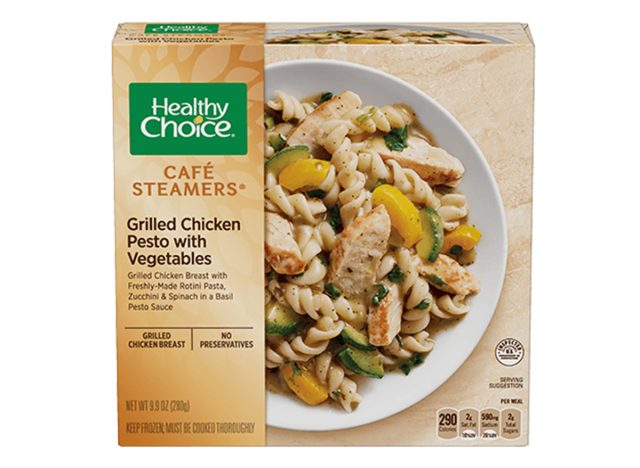
Healthy Choice has long been a recognized name in the convenient meal sector, and their evolution reflects a strong commitment to health-conscious consumers. The brand is particularly lauded for its portion-controlled offerings that typically feature a favorable balance of lower calories and higher protein and vegetable content. Options such as their Grilled Chicken & Veggie Bowls or Cauliflower Curry Power Bowls stand out as exemplary choices. These meals often integrate whole grains, lean proteins, and a diverse array of vegetables, providing essential micronutrients alongside the critical macronutrients for satiety. For instance, a typical Healthy Choice Power Bowl might contain around 250-350 calories, 15-25 grams of protein, and a respectable amount of fiber, making it a robust option for a quick, healthy lunch or dinner. The brand’s emphasis on fresh-tasting ingredients and global flavors further enhances their appeal, demonstrating that healthy frozen meals need not be bland. -
Lean Cuisine:
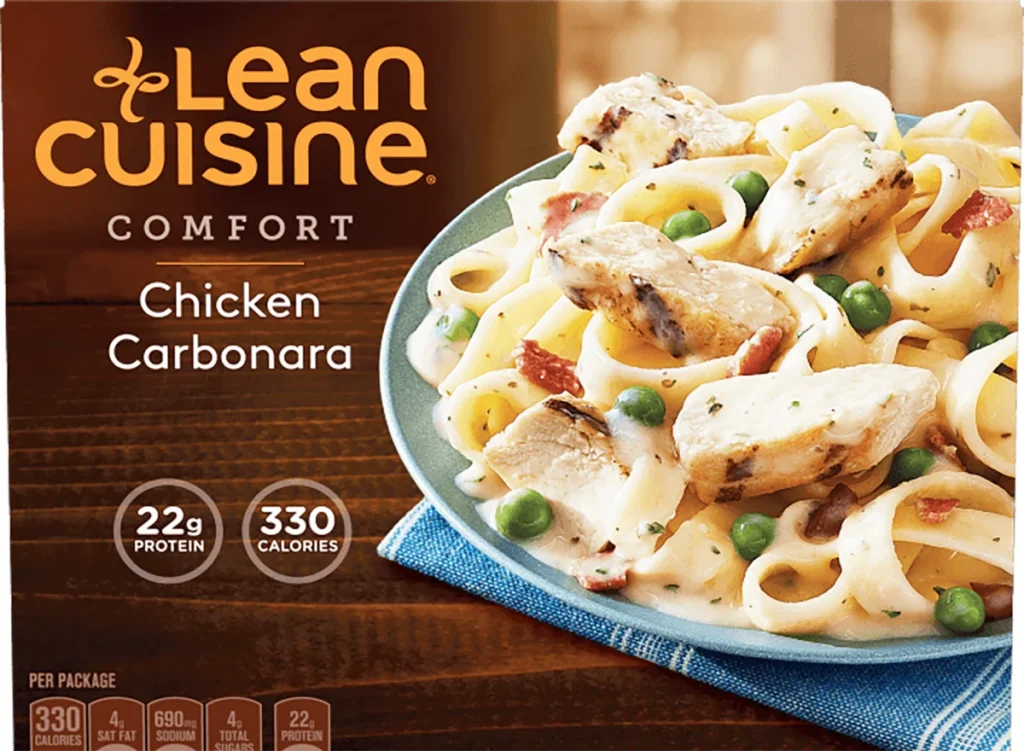
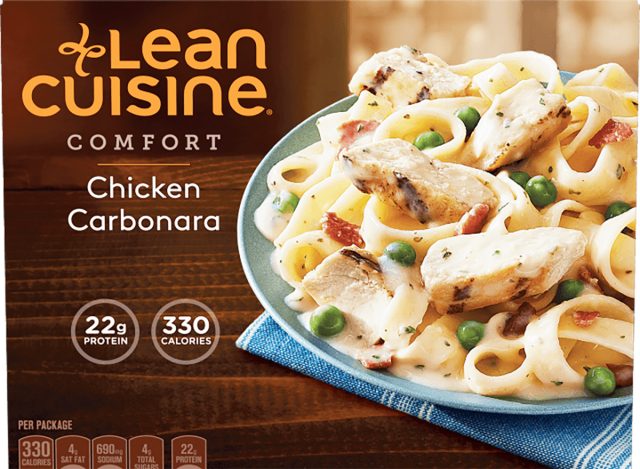
A classic in the frozen meal aisle, Lean Cuisine has also adapted its offerings to meet contemporary dietary trends. The brand maintains its core focus on providing lower-calorie entrees, typically ranging from 200 to 300 calories per serving, which is ideal for strict caloric control. Their "Balance Bowls" and "Marketplace" lines, in particular, showcase a commitment to balanced macronutrient profiles, often featuring lean proteins and whole grains. A prime example is their Lemon Garlic Shrimp Stir Fry Balance Bowl, which delivers protein from shrimp, fiber from vegetables, and a modest calorie count, making it an excellent choice for managing calorie intake without sacrificing flavor or essential nutrients. Lean Cuisine’s extensive variety, from Italian-inspired dishes to Asian stir-fries, ensures that consumers can find options that cater to their taste preferences while adhering to their weight loss goals. -
Smart Ones:
Smart Ones, a brand closely associated with calorie-conscious eating, provides a broad spectrum of frozen meals and entrees designed for weight management. Their diverse product line spans breakfast to dinner, offering substantial flexibility for those integrating frozen options into their daily routine. The brand’s strength lies in its consistent portion control and clear nutritional labeling, making it straightforward for consumers to track their intake. Whether it’s a breakfast scramble like the Ham & Cheese Scramble or a heartier dinner entree, Smart Ones meals are formulated to be satisfying within a controlled calorie budget. This brand is particularly beneficial for individuals who are actively tracking points or calories as part of a structured weight loss program, as their offerings are often designed with such methodologies in mind.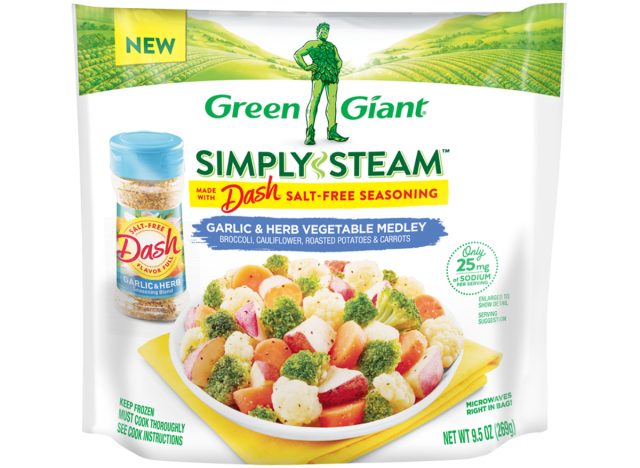
-
Green Giant Frozen Veggies:
While not a complete meal on their own, Green Giant Frozen Veggies are an indispensable component of a weight loss-friendly freezer stash. The beauty of plain frozen vegetables lies in their versatility and nutritional density. They offer a simple, low-calorie, and high-fiber way to add significant volume and nutrients to any meal. Whether steamed, roasted, or incorporated into stir-fries, soups, or casseroles, these vegetables, such as the Garlic Herb Vegetable Medley, can significantly boost satiety without adding substantial calories. A serving of mixed frozen vegetables can provide several grams of fiber and a wealth of vitamins and minerals for less than 100 calories. Dietitians frequently recommend increasing vegetable intake as a cornerstone of weight loss, and frozen vegetables make this goal incredibly convenient and achievable, eliminating the need for extensive chopping and preparation. -
Dr. Praeger’s Sensible Foods:
Dr. Praeger’s distinguishes itself as a health-conscious brand focused on providing all-natural frozen items, often with a strong emphasis on plant-based ingredients. Their product line includes a variety of veggie burgers, "littles" (veggie bites), and fish sticks that are typically lower in saturated fat and calories, and notably free from artificial additives. This brand caters to a growing segment of consumers seeking cleaner labels and plant-forward options. For example, their Crunchy Southwestern Sweet Potato Veggie Burgers offer a flavorful, fiber-rich, and protein-containing alternative to traditional meat burgers, which can be high in saturated fat. Integrating these items into meals, perhaps atop a salad or in a whole-wheat bun with plenty of vegetables, provides a wholesome and satisfying option that aligns with weight loss principles. -
Trader Joe’s Frozen Options (Store Brand):
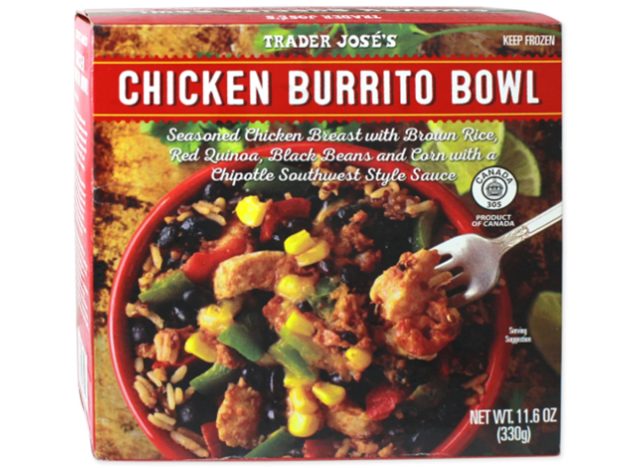
Trader Joe’s has carved out a unique niche with its curated selection of private-label products, and its frozen aisle is a treasure trove of surprisingly nutritious and delicious options. While not a national brand in the traditional sense, Trader Joe’s offers a wide array of frozen meals that often exemplify balanced nutrition, featuring good protein and fiber content. Examples like their Chicken Burrito Bowls or Veggie-packed Stir-Fry Mixes provide convenient and flavorful meals that align with a weight loss diet. Furthermore, their diverse range of ethnic options, such as various Indian entrees, frequently offers well-portioned and nutrient-rich choices. The brand’s commitment to unique flavors and often healthier ingredient lists makes it a favorite among health-conscious shoppers looking for convenient meal solutions.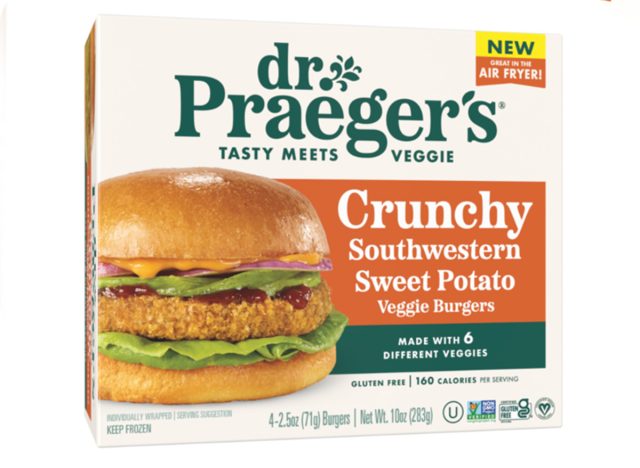
-
Yasso Frozen Greek Yogurt Bars:
Successfully managing weight loss often involves addressing cravings, particularly for sweet treats. Yasso Frozen Greek Yogurt Bars provide an excellent solution for satiating a sweet tooth without derailing dietary progress. These portion-controlled frozen yogurt bars are relatively low in calories, typically ranging from 80 to 100 calories per bar, while offering the benefit of protein from Greek yogurt. This combination makes them significantly more satisfying and nutritionally superior to many traditional desserts, which are often high in sugar and unhealthy fats and lack protein. The protein content helps to curb post-dessert hunger pangs, and the variety of flavors, such as Mint Chocolate Chip, ensures that individuals can enjoy a guilt-free indulgence. This highlights the importance of incorporating enjoyable, yet strategically chosen, treats into a weight loss plan to foster sustainability and prevent feelings of deprivation.
Broader Implications and Future Outlook
The increasing acceptance and recommendation of frozen foods by nutrition experts like Tara Collingwood signify a crucial shift in dietary advice. It acknowledges the realities of modern life—time constraints, budget considerations, and the desire for convenience—and offers practical solutions without compromising health goals. This trend has significant implications for public health, as it democratizes access to healthier eating options, particularly for those who lack the time, skills, or resources for extensive meal preparation.
The food industry’s response to this demand for healthier frozen options also suggests a positive trajectory. Continued innovation in product development, focusing on cleaner ingredients, improved nutritional profiles, and diverse flavors, will further solidify frozen foods’ role as a valuable tool in weight management and overall healthy living. Consumer education remains key, empowering individuals to navigate the frozen aisle with confidence, armed with the knowledge to make informed choices that align with their health and weight loss objectives. Ultimately, the freezer can be a powerful ally in the journey towards sustainable wellness, proving that convenience and healthy eating are not mutually exclusive but can, in fact, be synergistic.