







Recent scientific advancements in analytical imaging and filtration have unveiled a stark reality regarding the composition of the American water supply, indicating that nanoplastic contamination is significantly more pervasive than prior data suggested. A comprehensive study led by researchers at The Ohio State University has determined that the concentration of these microscopic plastic fragments in both tap and bottled water is between 10 and 100 times higher than previous estimates had indicated. This discovery, published in the journal Science of the Total Environment, suggests that the "plastic footprint" within the human diet, specifically through hydration, has been fundamentally misunderstood due to technological limitations in past research.
The research team, spearheaded by Megan Jamison Hart, an environmental science researcher, and John Lenhart, a professor of environmental engineering at The Ohio State University, utilized a refined methodology that allowed for the detection of particles far smaller than those captured in earlier surveys. By expanding the analytical "resolution" of their testing, the researchers identified a massive volume of nanoplastics—particles defined as being smaller than one micron, or one-thousandth of a millimeter—that had previously remained invisible to standard laboratory equipment.
The Technological Leap: A Telescope for the Microscopic
The disparity between previous estimates and these new findings is attributed primarily to the evolution of detection technology. In their correspondence regarding the study, Hart and Lenhart compared the advancement to the difference between observing the night sky with the naked eye versus through a high-powered telescope. While the plastics have consistently been present in the water supply, earlier methodologies lacked the sensitivity to quantify particles at the nano-scale.

Historically, most water quality studies focused on microplastics, which are generally defined as particles ranging from five millimeters down to one micron. However, as plastic materials degrade in the environment through mechanical weathering and ultraviolet exposure, they do not simply disappear; they fragment into progressively smaller pieces. Nanoplastics represent the final frontier of this degradation process. Because of their infinitesimal size, they can bypass standard municipal filtration systems and even penetrate cellular membranes in the human body, making their detection a matter of significant public health interest.
The Ohio State University study utilized advanced spectroscopy and enhanced imaging techniques to bridge this data gap. By lowering the detection threshold, the researchers were able to confirm that the vast majority of plastic particles in drinking water are not micro-scale, but nano-scale, accounting for the exponential increase in the reported quantities.
Comparative Analysis: Tap Water vs. Bottled Water
One of the most significant findings of the report involves the comparative safety of different water sources. The data indicates a clear disparity between treated municipal tap water and commercially bottled products. According to the study, concentrations of nanoplastics were found to be three times higher in bottled water than in tap water. Furthermore, when looking at the combined total of both microplastics and nanoplastics (MNPs), bottled water contained twice the concentration of these contaminants compared to treated tap water.
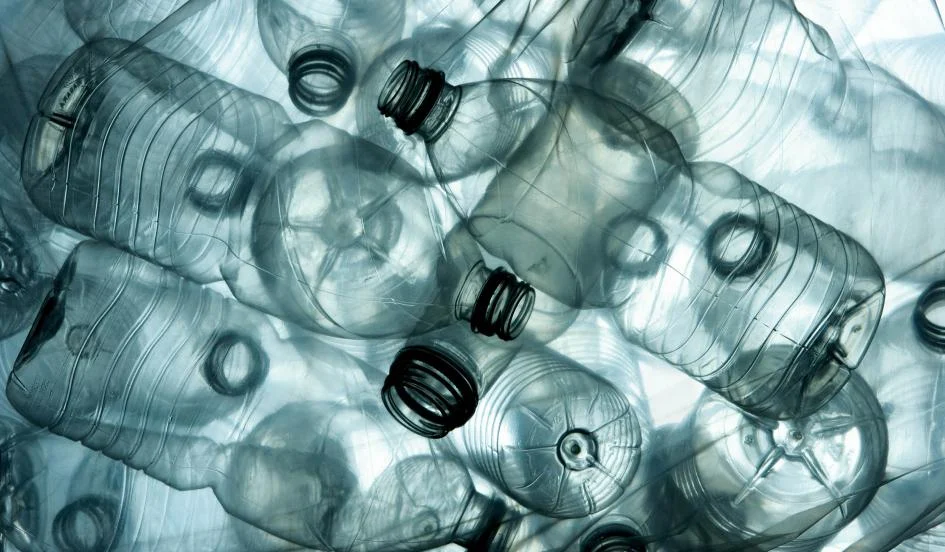
The reasons for this discrepancy are multifaceted. While municipal water undergoes centralized treatment processes that, while imperfect, are designed to remove sediment and large particulates, bottled water is subject to additional sources of contamination. The process of bottling involves high-pressure filtration through plastic membranes, the use of plastic piping, and the eventual storage of the water in polyethylene terephthalate (PET) or high-density polyethylene (HDPE) containers.
Research suggests that the act of opening and closing a plastic cap, as well as the natural degradation of the bottle’s inner lining over time—especially when exposed to heat or sunlight—contributes significantly to the nanoplastic load. Consequently, consumers who choose bottled water under the assumption of superior purity may, in fact, be ingesting a higher volume of synthetic polymers than those utilizing filtered tap water.
Chronology of Plastic Detection and Research
The emergence of nanoplastics as a primary environmental concern is the result of decades of evolving research. To understand the significance of the Ohio State study, it is necessary to view it within the timeline of plastic pollution awareness:
- 1970s: Initial reports of plastic debris in the oceans begin to surface in scientific literature, though the focus remains on large-scale "macro-plastics" such as fishing nets and consumer litter.
- 2004: Professor Richard Thompson of the University of Plymouth coins the term "microplastics" to describe the tiny fragments accumulating in marine environments.
- 2011-2015: Studies begin to confirm the presence of microplastics in the digestive tracts of marine life and, eventually, in table salt and honey.
- 2018: The World Health Organization (WHO) announces a review into the potential risks of plastic in drinking water after a study found microplastics in 90% of bottled water brands tested across nine countries.
- 2019-2022: Research shifts toward "nanoplastics" as scientists realize that smaller particles may pose greater biological risks. However, quantification remains difficult due to the lack of standardized testing protocols.
- 2024: Breakthrough studies, including the recent work at The Ohio State University and a similar high-profile study from Columbia University, utilize Stimulated Raman Scattering (SRS) microscopy and other advanced techniques to provide the first accurate census of nanoplastics in the U.S. water supply.
This timeline illustrates a consistent trend: as our ability to "see" smaller particles improves, our estimates of environmental contamination increase by orders of magnitude.
Public Health Implications and Biological Impact
While the presence of nanoplastics is now firmly established, the long-term health implications for humans remain a subject of intense investigation. The primary concern regarding nanoplastics, as opposed to larger microplastics, is their "bio-availability." Because nanoplastics are small enough to enter the bloodstream through the intestinal tract or the lungs, they have the potential to relocate to vital organs, including the liver, kidneys, and brain.
Toxicologists are currently exploring several potential pathways of harm:
- Physical Damage: The sharp, irregular edges of plastic fragments can cause physical abrasion at the cellular level, leading to localized inflammation.
- Chemical Leaching: Plastics often contain additives such as phthalates, bisphenol A (BPA), and flame retardants. Once inside the body, these chemicals can leach out of the plastic particles, potentially disrupting the endocrine system.
- The "Trojan Horse" Effect: Nanoplastics have a high surface-area-to-volume ratio, allowing them to adsorb heavy metals and pathogens from the environment. When ingested, the plastic acts as a carrier, delivering these harmful substances directly into human tissues.
While the Ohio State study does not provide a clinical diagnosis of health outcomes, the 10-100x increase in estimated exposure suggests that the cumulative "toxic load" on the average American consumer is significantly higher than previously calculated by health agencies.
Official Responses and Regulatory Gaps
The reaction from regulatory bodies and the private sector has been characterized by a mixture of caution and a call for further standardization. Currently, the U.S. Environmental Protection Agency (EPA) does not have enforceable limits for microplastics or nanoplastics in drinking water. While the EPA has recently moved to regulate "forever chemicals" (PFAS), plastic particles remain largely unregulated under the Safe Drinking Water Act.
Inferred reactions from the bottled water industry often emphasize that their products meet all current federal safety standards. Industry representatives have historically pointed out that plastic is a vital material for food safety and that more research is needed to determine if these microscopic particles pose a verifiable health risk. Conversely, environmental advocacy groups have seized upon this data to advocate for more stringent filtration requirements for municipal systems and a reduction in single-use plastic production.
The scientific community, including Hart and Lenhart, emphasizes that the first step toward regulation is accurate measurement. Without the "telescope" provided by their methodology, regulators would continue to operate under the false assumption that plastic levels were negligible.
Broader Implications for Water Infrastructure
The discovery that nanoplastic levels are much higher than anticipated poses a significant challenge for the future of water infrastructure. Conventional wastewater and drinking water treatment plants were not designed to capture particles at the nano-scale. Most systems rely on sand filtration or sedimentation, which are effective for larger debris but allow nanoplastics to pass through virtually unimpeded.
To address this, the industry may need to transition toward more advanced membrane technologies, such as reverse osmosis (RO) or nanofiltration. However, these technologies are energy-intensive and expensive to implement at the municipal scale. Furthermore, the Ohio State study highlights a paradox: the very membranes used to filter water are often made of plastic, which can itself degrade and contribute to the problem.
Conclusion: A New Paradigm for Water Quality
The findings from The Ohio State University represent a paradigm shift in environmental science. By revealing that nanoplastic concentrations are 10 to 100 times higher than previously reported, the study effectively resets the baseline for what constitutes "clean" water in the 21st century.
The data suggests that the ubiquity of plastic is so absolute that it has become an intrinsic component of the global hydrological cycle. As researchers continue to refine their "telescopes," the focus must now shift from simple detection to the development of mitigation strategies. Whether through the overhaul of municipal filtration, the reduction of plastic packaging, or the discovery of new bio-compatible materials, the goal remains the same: ensuring that the most fundamental human necessity—water—remains safe for future generations. For now, the evidence suggests that the invisible presence of plastic in the American glass of water is far greater than anyone had imagined.