






The landscape of American agricultural policy and civil litigation underwent a fundamental shift in early 2026 following a series of federal actions aimed at stabilizing the domestic supply of chemical herbicides. On February 18, 2026, the White House issued an executive order invoking the Defense Production Act (DPA) to classify glyphosate-based herbicides as essential materials for national security. This move, which authorizes the federal government to prioritize the production and distribution of these chemicals, also includes provisions intended to shield manufacturers from a mounting wave of product liability litigation. The decision has ignited a fierce confrontation between the administration, which cites food security concerns, and public health advocates who argue the order prioritizes corporate interests over the safety of American families.
The Strategic Invocation of the Defense Production Act
The Defense Production Act of 1950, a Korean War-era statute, grants the President of the United States the authority to expedite and expand the supply of materials and services from the U.S. industrial base that are needed to promote the national defense. While historically used for military procurement or emergency medical supplies—most notably during the COVID-19 pandemic—the application of the DPA to the agricultural chemical sector represents a significant expansion of executive authority.
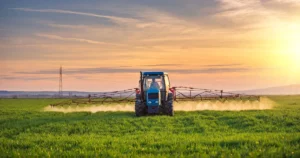
Under the February 18 order, the administration designated glyphosate, the active ingredient in popular weedkillers like Roundup, as a "critical resource." The administration’s justification rests on the premise that a stable food supply is a pillar of national security. According to a briefing from the Department of Agriculture, glyphosate is used on approximately 85% of the corn, soy, and cotton acreage in the United States. The administration argues that the ongoing "litigation crisis" surrounding glyphosate has threatened the financial stability of manufacturers, potentially leading to supply chain disruptions that could cause food prices to spike and production yields to plummet.

Legal Immunity and the Shielding of Manufacturers
The most controversial aspect of the executive order is the provision designed to "shield manufacturers from legal accountability." For years, chemical companies have faced thousands of lawsuits from individuals alleging that exposure to glyphosate caused various forms of cancer, most notably non-Hodgkin lymphoma. The executive order seeks to implement a federal preemption strategy, arguing that because the Environmental Protection Agency (EPA) has consistently found that glyphosate is not a carcinogen when used according to label directions, state-level "failure to warn" claims should be barred.
By invoking the DPA, the administration aims to centralize the regulation of these chemicals under federal authority, effectively attempting to override the ability of state courts to award damages in glyphosate-related cases. This move follows a landmark 2024 Missouri court ruling in favor of John Durnell, who was awarded significant damages after a jury found that his long-term use of glyphosate on his property was a substantial factor in his development of non-Hodgkin lymphoma. The administration posits that such localized verdicts create an untenable "patchwork" of regulations that threaten the national interest.
A Chronology of the Glyphosate Controversy
To understand the weight of the 2026 executive order, it is necessary to examine the decade of scientific and legal conflict that preceded it:
- March 2015: The International Agency for Research on Cancer (IARC), a branch of the World Health Organization (WHO), classifies glyphosate as "probably carcinogenic to humans" (Group 2A). This classification becomes the catalyst for global litigation.
- 2017-2019: The EPA releases draft and final risk assessments reaffirming its position that glyphosate is unlikely to be carcinogenic to humans, creating a direct conflict with the IARC findings.
- 2020: Major chemical manufacturers agree to a multi-billion dollar settlement to resolve tens of thousands of existing claims, though they do not admit liability.
- 2024: The John Durnell case in Missouri results in a high-profile verdict against herbicide manufacturers, signaling that the legal risks for the industry remain high despite previous settlements.
- Late 2025: Supply chain reports indicate a 15% decrease in glyphosate production as manufacturers divert resources toward legal defense funds and R&D for alternatives, leading to a 22% increase in wholesale prices for farmers.
- February 18, 2026: President Trump signs the executive order invoking the DPA, citing the need to protect the "national breadbasket" from "predatory litigation."
Supporting Data: The Economic and Health Intersection
The debate over glyphosate is characterized by a stark divide between economic data and public health research. From an economic perspective, the reliance on glyphosate is quantifiable. A 2025 report by the American Farm Bureau Federation suggested that without glyphosate-based no-till farming practices, U.S. farmers would face an additional $15 billion in annual operating costs. Furthermore, the report claimed that carbon emissions from agriculture would rise significantly if farmers were forced to return to mechanical tillage for weed control.
Conversely, public health data continues to raise alarms. A study published in the Journal of Environmental Science and Health in 2025 found that trace amounts of glyphosate were present in 92% of tested urine samples from a cross-section of American school-aged children. Advocacy groups like "The People VS Poison" highlight that while the EPA maintains its safety stance, the presence of these chemicals in the food supply—specifically in common cereals and grain-based products—represents a chronic exposure risk that the current regulatory framework may be failing to address.
Official Responses and Political Reaction
The executive order has drawn polarized reactions from across the political and industrial spectrum.
Proponents: The National Association of Wheat Growers issued a statement praising the move: "For too long, our members have lived under the shadow of supply uncertainty. This order ensures that the tools necessary for modern, high-yield agriculture remain available and affordable. Food security is national security, and this action recognizes that reality."
Opponents: Civil rights and environmental organizations have vowed to challenge the order in court. A spokesperson for the Center for Food Safety stated, "The administration is using a wartime power to strip American citizens of their right to seek justice in court. You cannot declare a national emergency to protect a company from being sued for selling a product that causes cancer. This is a gross overreach of executive power that sets a dangerous precedent for every other industry."
State Governments: Several state attorneys general, particularly from California and New York, have indicated they will file suit to block the order, arguing it violates the Tenth Amendment by infringing on states’ rights to regulate public health and safety.
Broader Impact and Policy Implications
The implications of the 2026 executive order extend far beyond the agricultural sector. By using the Defense Production Act to provide a "litigation shield," the federal government is testing a new mechanism for protecting industries deemed "critical" from the civil justice system. If this order survives legal challenges, it could pave the way for similar protections for the pharmaceutical, energy, or technology sectors under the guise of national security.
Furthermore, the order complicates international trade relations. The European Union has moved in the opposite direction, with several member states implementing strict bans or severe restrictions on glyphosate use. The U.S. decision to stockpile and protect the chemical could lead to trade friction, particularly regarding the export of American grains to markets with lower tolerance levels for herbicide residues.
From a public trust perspective, the order highlights a growing rift between federal regulatory agencies and the general public. As more individuals report health issues they attribute to environmental toxins, the use of executive power to preemptively silence these claims in court may lead to increased skepticism of government safety standards.
Conclusion: The Road Ahead
As the 2026 growing season approaches, the immediate effect of the executive order will likely be a stabilization of herbicide prices and a temporary reprieve for manufacturers. However, the long-term viability of this strategy remains uncertain. The federal court system will now become the primary battleground, as judges weigh the limits of the Defense Production Act against the constitutional rights of individuals to pursue legal remedies for personal injury.
For the American consumer, the debate remains personal. As advocacy groups continue to publicize the presence of chemicals in household food items, the question of what constitutes "safe" remains at the heart of the national conversation. Whether glyphosate is an essential tool for survival or a public health crisis in a bottle is a question that the 2026 executive order has amplified rather than resolved. The coming months of litigation and legislative scrutiny will determine if the "national security" justification for corporate immunity can withstand the rigors of constitutional law and public demand for transparency.