







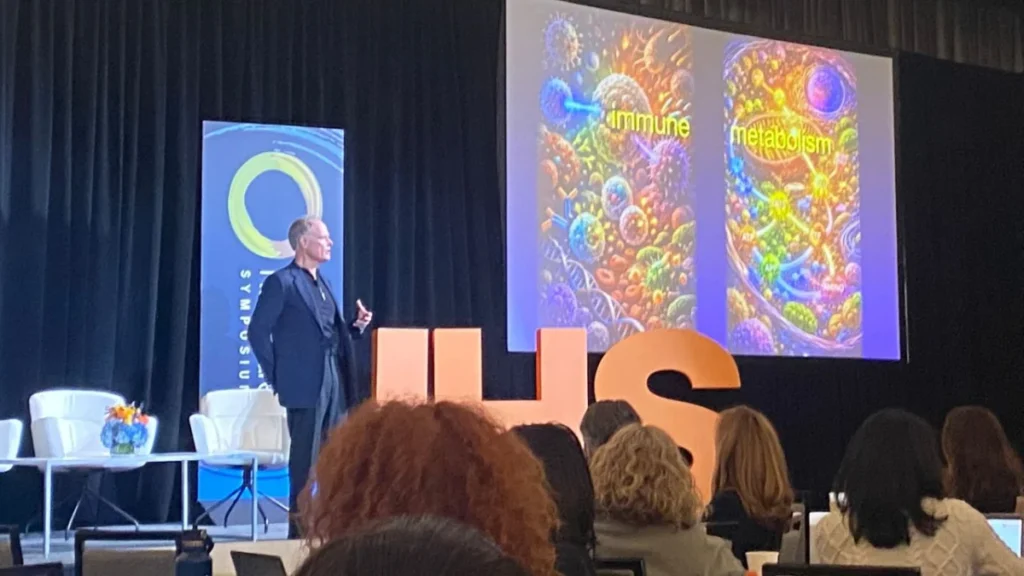
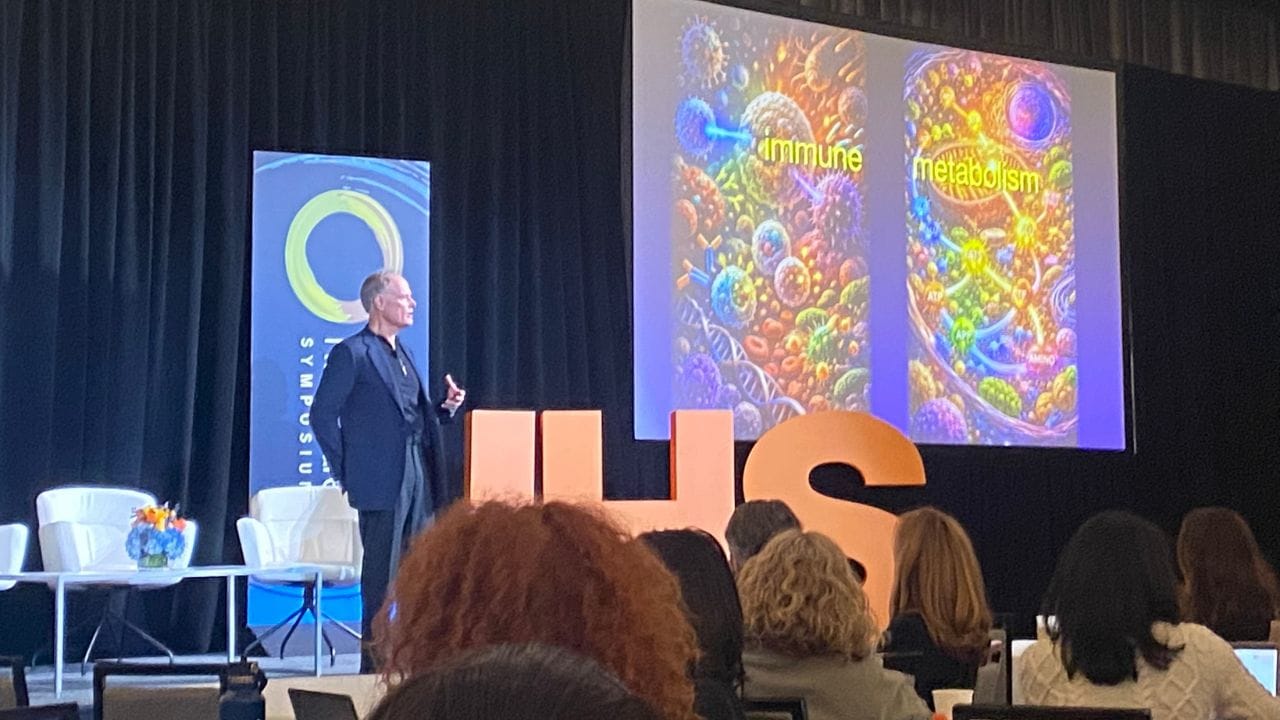
The annual Integrative Healthcare Symposium (IHS) in New York City, a pivotal gathering for practitioners at the vanguard of health and wellness, concluded on March 17, 2026, offering a compelling glimpse into the evolving landscape of functional nutrition. Greg Horn, Managing Director at William Hood & Co., has identified several emergent patterns from the event, highlighting innovations that are generating significant excitement among integrative health care professionals. This year’s symposium underscored the critical role of nutrition as a cornerstone of proactive and personalized health strategies, distinguishing itself from broader industry expos with its deep focus on clinical application and practitioner-driven insights.
A Practitioner-Centric Forum for Innovation
The Integrative Healthcare Symposium has consistently served as a vital platform for medical doctors, researchers, and forward-thinking speakers to convene and share cutting-edge advancements in health and wellness. This year’s event was no exception, featuring a robust lineup of thought leaders including Dr. Tieraona Low Dog, Paul Stamets, and Dr. David Perlmutter, who delivered keynote addresses and led discussions that resonated with a highly engaged audience of practitioners and exhibitors. Unlike more general trade shows such as SupplySide Expo or Natural Products Expo West, the IHS attracts a serious practitioner audience whose primary focus is on the direct, measurable improvement of patient health through nutrition and other leading-edge therapeutic modalities. This practitioner-centric approach allows for the identification of trends that are not just commercially viable but are clinically validated and actively being implemented in patient care.
Greg Horn, a seasoned observer of the nutrition industry and a managing director at William Hood & Co., emphasized his long-standing practice of looking to healthcare providers on the front lines for insights into emerging nutritional trends. "Ever since the early days when I was leading GNC," Horn stated, "when information was much more difficult to come by, I have looked to the health care providers who treat patients every day to identify what’s next in nutrition. This year’s IHS did not disappoint, with a phenomenal lineup of speakers, thinkers, and products on display that helped define effective nutrition therapies." His observations from the 2026 symposium offer a valuable perspective on the practical application and future direction of functional nutrition.

Emerging Trends in Functional Nutrition
The 2026 IHS provided a fertile ground for identifying key trends that are shaping the future of functional nutrition. These trends reflect a growing understanding of the intricate relationship between diet, the microbiome, cellular health, and overall well-being, moving beyond generalized dietary advice to highly personalized and targeted interventions.
1. Precision Nutrition and Biomarker-Driven Interventions:
A significant theme emerging from the symposium was the increasing emphasis on precision nutrition, a paradigm that moves beyond one-size-fits-all dietary recommendations. Practitioners are leveraging advanced diagnostics and biomarker testing to tailor nutritional interventions to an individual’s unique genetic makeup, metabolic profile, and current health status. This includes personalized recommendations for macronutrient ratios, specific micronutrients, and targeted supplementation based on laboratory results such as gut microbiome analysis, comprehensive metabolic panels, and even genetic predisposition testing.
The implication of this trend is a shift towards a more scientific and data-driven approach to nutrition, moving it from the realm of educated guesswork to a precision science. For example, research presented at the symposium highlighted how specific gene variants can influence nutrient metabolism and absorption, necessitating customized supplementation strategies. A hypothetical case study discussed the use of gut microbiome sequencing to identify dysbiosis, leading to targeted prebiotic and probiotic interventions that not only improved digestive health but also showed downstream benefits for mood and immune function. The availability of more accessible and affordable biomarker testing is accelerating this trend, empowering practitioners to deliver highly individualized care plans.
2. The Microbiome as a Central Health Hub:
The profound impact of the gut microbiome on virtually every aspect of human health was a recurring and amplified theme. Discussions at the IHS moved beyond the simple understanding of probiotics to a more sophisticated appreciation of the microbiome’s role in immune regulation, cognitive function, metabolic health, and even mental well-being. Speakers explored the intricate interplay between diet, the gut microbiota, and the production of neurotransmitters and short-chain fatty acids (SCFAs), which have far-reaching systemic effects.
Innovations showcased included novel synbiotic formulations (combinations of probiotics and prebiotics), postbiotics (beneficial compounds produced by microbes), and personalized fecal microbiota transplantation (FMT) protocols for specific conditions. The data presented underscored the growing body of evidence linking gut dysbiosis to a range of chronic diseases, from inflammatory bowel disease and autoimmune conditions to obesity, type 2 diabetes, and neurodegenerative disorders. The symposium highlighted the development of advanced analytical tools that allow for a deeper understanding of individual microbial ecosystems, paving the way for more targeted and effective interventions. For instance, a presentation on SCFAs demonstrated their critical role in maintaining gut barrier integrity and reducing inflammation, underscoring the need for dietary strategies that promote their production.
3. Advanced Supplementation Strategies for Cellular Health and Longevity:
The focus on supplementation at the IHS was characterized by a move towards sophisticated, science-backed formulations targeting cellular health and promoting healthy aging. Rather than simply addressing nutrient deficiencies, practitioners are increasingly utilizing supplements designed to optimize mitochondrial function, support DNA repair, reduce oxidative stress, and enhance cellular resilience.
Key areas of interest included NAD+ precursors (such as NMN and NR) for cellular energy and repair, senolytics to clear senescent cells that contribute to aging, and targeted antioxidants that work synergistically to combat cellular damage. Discussions also delved into the importance of bioavailability and synergistic combinations of nutrients to maximize efficacy. The symposium featured presentations on novel delivery systems that improve nutrient absorption and utilization, ensuring that the therapeutic benefits reach their intended cellular targets. For example, research shared on liposomal vitamin C demonstrated significantly higher plasma concentrations compared to standard ascorbic acid, leading to enhanced antioxidant and immune support. The integration of these advanced supplementation strategies reflects a proactive approach to health, aiming to not only prevent disease but also to optimize healthspan and enhance quality of life in later years.
4. Addressing Environmental Toxins and Detoxification Pathways:
With increasing awareness of the impact of environmental toxins on human health, the IHS saw a growing emphasis on strategies to support the body’s natural detoxification pathways. Speakers discussed the burden of endocrine disruptors, heavy metals, and persistent organic pollutants, and their potential links to chronic diseases, hormonal imbalances, and neurological issues.
The focus was on supporting the body’s endogenous detoxification systems, particularly the liver and kidneys, through targeted nutritional support and lifestyle interventions. This included the use of specific amino acids, antioxidants, and botanical compounds known to enhance Phase I and Phase II detoxification enzymes. There was also a discussion on the role of fiber and other gut-supportive nutrients in eliminating toxins through the digestive tract. The symposium highlighted the importance of a holistic approach, recognizing that effective detoxification requires addressing not only dietary interventions but also reducing exposure to environmental toxins and managing stress.
5. Integration of Mind-Body Medicine with Nutritional Interventions:
The interconnectedness of mental and physical health was a prominent theme, with a growing understanding of how nutritional interventions can profoundly impact cognitive function, mood, and stress management. Discussions explored the gut-brain axis in detail, highlighting how the microbiome influences neurotransmitter production and inflammatory pathways that affect mental well-being.
Practitioners are increasingly incorporating strategies that support brain health through nutrition, including the use of omega-3 fatty acids, B vitamins, magnesium, and adaptogenic herbs. The symposium also featured discussions on the role of mindful eating practices and stress-reduction techniques in enhancing the efficacy of nutritional interventions. The integration of these mind-body approaches reflects a growing recognition that optimal health requires a comprehensive approach that addresses not only the physical body but also the mental and emotional state.
The Significance of the IHS Practitioner Audience
The unique composition of the Integrative Healthcare Symposium’s audience is a critical factor in the type of trends that emerge from the event. Unlike consumer-focused expos or ingredient-focused trade shows, the IHS audience comprises healthcare professionals who are actively applying these therapies in their clinical practice. This means that the trends identified are not theoretical or aspirational but are rooted in real-world patient outcomes and clinical experience.
The practitioners attending the IHS are often the early adopters of new research and innovative products. They are motivated by the desire to provide the best possible care for their patients and are willing to invest time and resources in learning about and implementing novel approaches. This creates a feedback loop where practitioners’ experiences inform product development and research, driving further innovation. The presence of speakers like Dr. David Perlmutter, a renowned neurologist and author known for his work on the impact of diet and lifestyle on brain health, further validates the scientific underpinnings of these emerging nutritional strategies.
Broader Impact and Future Implications
The trends observed at the 2026 Integrative Healthcare Symposium have significant implications for the future of healthcare. As functional nutrition gains greater traction and scientific validation, it is poised to play an increasingly central role in preventative medicine and the management of chronic diseases.
1. Shift Towards Preventative and Personalized Healthcare: The emphasis on precision nutrition and biomarker-driven interventions signifies a broader societal shift away from a reactive, disease-management model towards a proactive, personalized approach to health. This has the potential to reduce the incidence of chronic diseases, lower healthcare costs, and improve overall population health.
2. Increased Demand for Clinically Validated Products: As practitioners become more discerning and evidence-based in their recommendations, there will be a growing demand for supplements and nutritional products that are supported by robust scientific research and demonstrate clear clinical efficacy. This will likely drive further investment in research and development within the functional nutrition industry.
3. Integration into Mainstream Medicine: While integrative medicine has traditionally operated on the periphery of conventional healthcare, the growing body of evidence supporting its principles suggests a future where these approaches are more fully integrated into mainstream medical practice. As more physicians and healthcare systems recognize the value of functional nutrition, its adoption is expected to accelerate.
4. Consumer Empowerment and Education: The proliferation of accessible diagnostic tools and the increasing availability of evidence-based information will empower consumers to take a more active role in their health. This will likely lead to greater demand for personalized nutritional guidance and a more informed consumer base.
Greg Horn’s insights from the 2026 IHS provide a valuable roadmap for understanding the current state and future trajectory of functional nutrition. The symposium’s focus on practitioner-driven innovation and the growing sophistication of nutritional science point towards a future where diet and targeted supplementation are not just adjunct therapies but are fundamental pillars of comprehensive health and wellness. The dedication of professionals attending the IHS to measurably improving health through nutrition signals a powerful movement that will continue to shape the health landscape for years to come.