








The expansive halls of the Natural Products Expo West 2026 were alive with the vibrant energy of innovation and a pervasive discourse around "longevity." Supplement brands across the spectrum showcased a dazzling array of products, each promising pathways to enhanced vitality and extended well-being. However, amidst the enthusiastic marketing, a recurring theme emerged: a notable lack of precise definitions for terms like "longevity," "healthy aging," "healthspan," and "lifespan," leading to potential confusion for both consumers and industry stakeholders. This semantic ambiguity underscores a critical need for clarity within the burgeoning wellness market.
At the heart of this discussion lies the fundamental question: what truly distinguishes longevity from healthy aging? Industry leaders, gathered on the show floor, offered their insights, painting a nuanced picture of these interconnected yet distinct concepts. Their perspectives, gathered from diverse vantage points within the supplement and ingredient sectors, shed light on the multifaceted approach to achieving a long and flourishing life.
Defining the Terms: Expert Perspectives
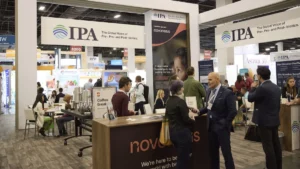
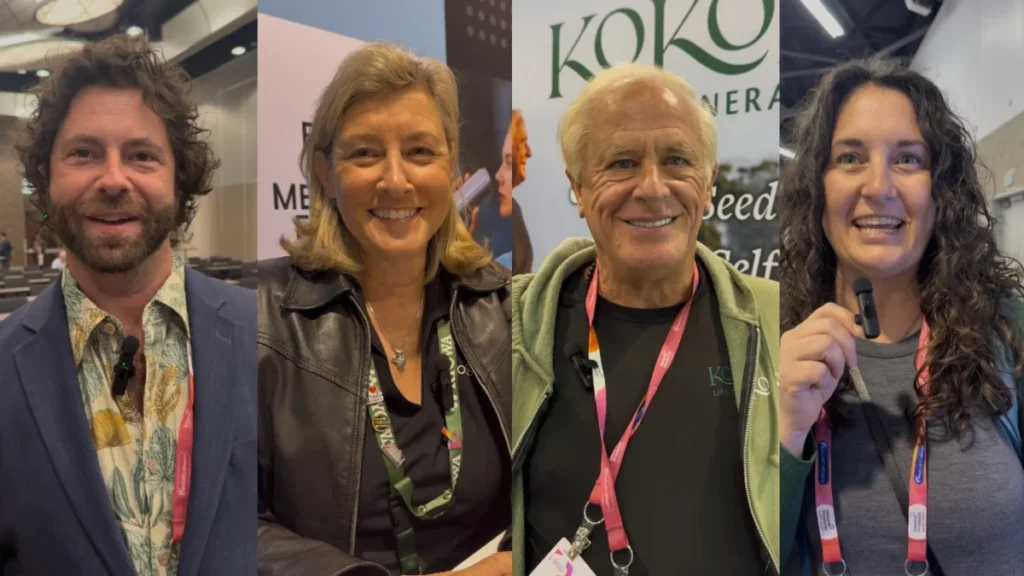
Elan Sudberg, CEO of Alkemist Labs, articulated a straightforward definition of healthy aging: "Healthy aging is getting to your end goal of age while feeling fantastic doing it." He acknowledged the inherent unpredictability of lifespan, humorously noting the anecdotal evidence of individuals reaching centenarian status despite unconventional lifestyles. This highlights the complex interplay of genetics, environment, and lifestyle choices that contribute to an individual’s longevity.
Len Monheit, CEO of the Industry Transparency Center, offered a broader interpretation of longevity, defining it as "maximizing your healthy life and lifespan." This definition emphasizes the dual objective of not only extending the duration of life but also ensuring that the years lived are characterized by good health and vitality.
Nate Call, CEO of Qualitas, recognized the widespread interchangeable use of "longevity" and "healthy aging," predicting a future where clearer definitions will emerge. "I think over the next few years, we will see stronger definitions," Call stated. "We’ll see a really strong flagship brand, probably somebody here at Expo West, who anchors those words into something that actually has meaning." This anticipation suggests a market-driven evolution towards greater specificity, likely spurred by companies seeking to establish definitive benchmarks for their product offerings.
Michael Loreto, Manager of Research and Innovation at Jamieson Wellness, emphasized the proactive nature of healthy aging, asserting that it can be supported at any stage of life. "At YouTheory, we love to focus on making people feel better on a day-to-day basis, no matter where they are in their life," Loreto explained. Jamieson Wellness’s recent launch of a longevity supplement line, featuring products like liposomal glutathione and nicotinamide riboside capsules, signals a direct engagement with the market’s demand for scientifically-backed solutions for aging well.
Registered dietitian Karen Todd, Vice President of Global Brand Marketing for ingredient supplier Kyowa Hakko, sees healthy aging and longevity as intrinsically linked. "If you are living and enjoying life and aging gracefully, healthfully, you’re probably going to live longer as well," Todd posited. This perspective underscores the synergistic relationship between quality of life and duration of life.
Sebastian Balcombe, CEO of Specnova, drew a clearer line between the two terms, viewing longevity primarily as a "lifespan quantification." In contrast, he suggested that healthy aging does not necessarily equate to an extended lifespan but rather focuses on maintaining well-being throughout life. "I just think the focus should be on living as healthy as you can, as deep into your age as you can, whatever that might be," Balcombe advocated. This viewpoint prioritizes the quality of life over mere duration.
Luke Wayment, Senior Director of Global Formulations for Better Being Wellness Brands, succinctly captured the essence of healthy aging: "Healthy aging is about living our best life for as long as we can." This resonates with the idea of maximizing life’s potential and enjoying each stage with optimal health.
The Pillars of a Long, Healthy Life
Beyond semantic definitions, several industry experts highlighted foundational principles that contribute to both longevity and healthy aging. Brad Buchholz, Vice President of Business Development for POM Wonderful, outlined a comprehensive "six pillars" approach to healthy living: sleep, diet, exercise, hydration, stress management/mental well-being, and social interaction. He stressed the cumulative and compounding effects of these habits over a lifetime, drawing an analogy to retirement planning: "It’s like your retirement plan. If you start saving when you’re 65, you’re not going to have that much money when you’re 66." This emphasizes the long-term commitment required for sustained health.
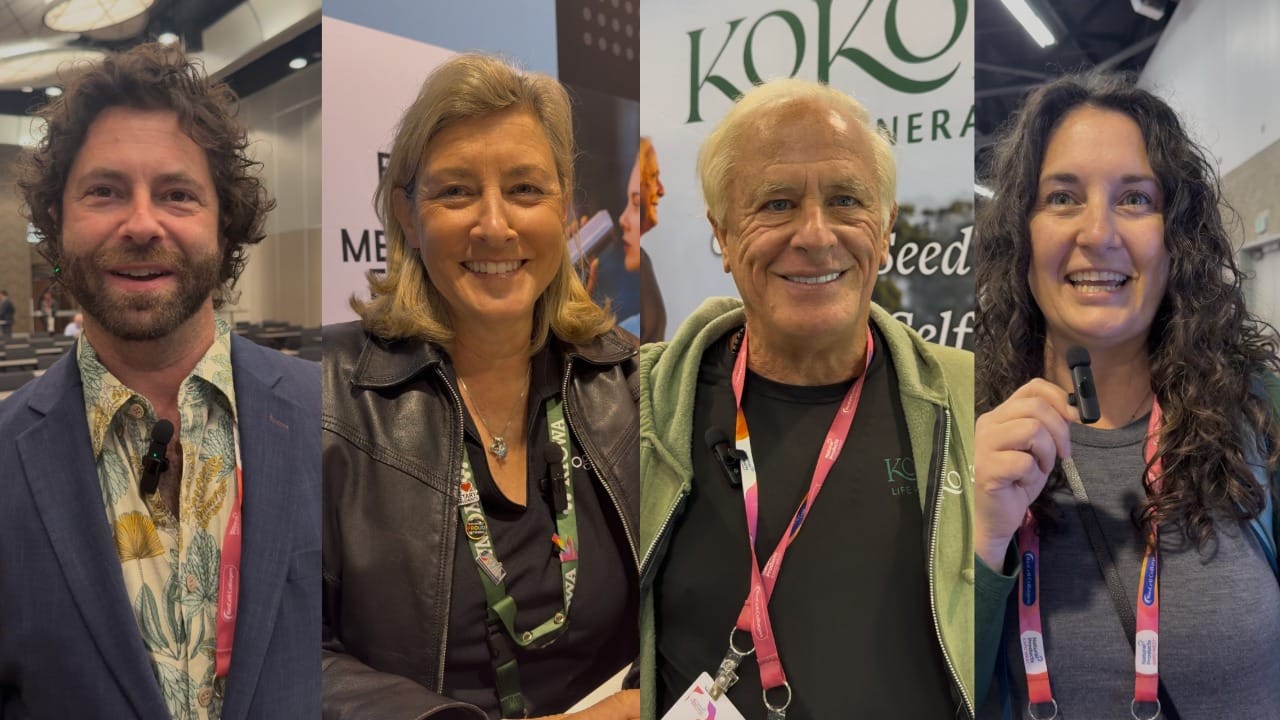
Helen Christoni, co-creator of the women’s health supplement brand Make Time Wellness, underscored the importance of a strong foundation. "I really think longevity comes down to foundation, making sure that our foundation is in place so we go out from a position of strength, knowing that we could live a long, healthy life," Christoni stated. She emphasized the purity of essential elements: "It’s the food that we eat, it’s the supplements that we take, it’s the water that we drink, it’s the air that we breathe, really making sure they’re all as pure as possible so we can live a long, healthy life." This holistic view encompasses a wide range of environmental and dietary factors.
Daniel Gagnon, President and Medical Herbalist for supplement brand Herbs, Etc., expressed a desire for the preservation of mental, physical, and spiritual faculties throughout aging. For him, "Longevity is more a length of time for me versus being able to be healthy." This perspective prioritizes the quantitative aspect of life’s duration while acknowledging the implicit desire for continued well-being.
The Role of Science and Innovation
Jennifer Greer, N.D., a consultant and ingredient expert, approached the distinction from a scientific and regulatory standpoint, focusing on the challenges of substantiating claims. "How do you really make a claim on longevity? You can’t really design a clinical trial where you’re following people for 50, 60, 70 years and also you don’t know how long somebody’s going to live in the first place," Greer explained. This pragmatic view highlights the inherent difficulties in conducting long-term clinical trials necessary to definitively prove longevity benefits.
Todd Runestad, Chief Storytelling Officer for ingredient supplier NXT USA, posed a thought-provoking question that encapsulates the essence of healthy aging: "What if you can live for 99 years, 364 days of active, healthy living and then one really bad day?" This emphasizes the profound impact of quality of life on the overall experience of aging. Runestad also pointed to the critical role of ingredients supporting cellular wellness and mitochondrial health in achieving this goal.
Ric Scalzo, Founder and CEO of supplement brand Kokora, distilled the formula for a long, healthy life into three fundamental necessities: purpose, community, and movement. "I think personally these things, if you do them every day for the course of your life, you’ll add 10, 15, 20 years to your life. I’m sure of it," Scalzo asserted. This perspective shifts the focus from purely biological or nutritional interventions to the broader psychosocial and existential factors that contribute to a fulfilling and extended existence.
Industry Context and Future Implications
The Natural Products Expo West, held annually, serves as a critical barometer for trends and innovations within the natural and organic products industry. In 2026, the prominence of "longevity" and "healthy aging" as marketing themes reflects a growing consumer demand for products and lifestyles that promote extended vitality. The global dietary supplements market is projected to reach substantial figures, with forecasts indicating a market size of approximately USD 274.4 billion by 2030, driven by increasing health consciousness and an aging global population. Within this expansive market, the segments focused on aging and wellness are experiencing particularly robust growth.
The ambiguity surrounding the terms "longevity" and "healthy aging" presents both challenges and opportunities for the industry. For brands, it offers a broad canvas for messaging, but it also risks diluting the impact of genuine scientific advancements. The call for clearer definitions, as voiced by Nate Call, suggests a future where consumers will demand more precise and evidence-based claims. This could lead to increased investment in rigorous scientific research, more sophisticated clinical trials, and a greater emphasis on transparent communication regarding product efficacy.
The implications of this evolving discourse extend beyond the supplement aisle. As scientific understanding of aging progresses, driven by research into areas like epigenetics, cellular senescence, and microbiome health, the industry will likely see a shift towards more targeted and personalized approaches to healthy aging. Innovations in areas such as NAD+ precursors, senolytics, and advanced delivery systems for nutrients are already demonstrating potential in supporting cellular repair and resilience.
Furthermore, the emphasis on lifestyle factors like sleep, diet, exercise, and social connection, highlighted by experts like Brad Buchholz and Ric Scalzo, underscores the holistic nature of well-being. This suggests a growing integration of supplement offerings with broader wellness programs and digital health platforms, aiming to provide a comprehensive ecosystem for individuals seeking to optimize their healthspan.
The discussions at Natural Products Expo West 2026 served as a vital inflection point, illuminating the industry’s collective understanding and future aspirations for longevity and healthy aging. As consumers become increasingly informed and discerning, the onus will be on brands and researchers to provide clear, science-backed pathways to not just living longer, but living better, fuller lives. The journey towards truly deciphering and achieving optimal aging is ongoing, fueled by scientific discovery, market demand, and a growing appreciation for the intricate tapestry of factors that contribute to a life well-lived.