








Over the past decade, a concerning trend has emerged across the United States, with state legislatures introducing a surge of bills aimed at restricting consumer access to dietary supplements. These proposals, while varying in their specifics, generally aim to reclassify certain nutritional products, such as creatine, amino acids, and other wellness supplements, by moving them behind the counter. This would necessitate consumers presenting identification for purchase, effectively treating these health-promoting products with the same regulatory scrutiny as alcohol or tobacco. Such an approach, according to industry advocates, represents an irrational framework for health-related goods and underscores the critical importance of proactive engagement in the policymaking process. The Natural Products Association (NPA) is highlighting this challenge and emphasizing the necessity of its annual Fly-In Day, scheduled for May 12th in Washington, D.C., as a pivotal opportunity for the dietary supplement supply chain to make its voice heard.
The legislative landscape surrounding dietary supplements has become increasingly complex. Since 2015, an estimated 40 states have considered or enacted legislation impacting the availability of these products. These bills often cite consumer safety or the prevention of underage access as justifications, yet critics argue that the broad strokes of these regulations fail to distinguish between products with well-established safety profiles and those that might pose genuine risks. For instance, legislation proposed in states like California and New York has sought to place products like creatine, commonly used by athletes and fitness enthusiasts, under stricter control. While the intention might be to curb misuse, the practical effect could be a significant barrier for millions of Americans who rely on these supplements for athletic performance, recovery, or general well-being.
A Decade of Legislative Pressure: A Timeline of Concern
The roots of this increased legislative scrutiny can be traced back to growing concerns about the marketing and regulation of dietary supplements, often amplified by media reports and advocacy groups.
- Early 2010s: A period of relative regulatory calm, with the primary framework being the Dietary Supplement Health and Education Act of 1994 (DSHEA).
- Mid-2010s (circa 2015-2018): The first significant wave of state-level legislative proposals aimed at restricting access to certain supplements, often focusing on products marketed for weight loss or athletic performance. Early examples included bills requiring age verification for specific ingredients.
- Late 2010s (circa 2019-2021): Increased legislative activity, with more states introducing bills that mirrored the "behind-the-counter" concept. Discussions around potential links between supplements and adverse events, even when causal links were not definitively established, began to influence legislative debate.
- Early 2020s (circa 2022-Present): The trend has continued, with proposals becoming more sophisticated and often referencing existing regulations for tobacco or alcohol. The COVID-19 pandemic also brought a renewed focus on immune support and general wellness, potentially increasing both consumer demand and legislative interest in the supplement market.
The Natural Products Association (NPA), a leading trade association representing manufacturers, suppliers, and retailers of natural products, including dietary supplements, has been at the forefront of advocating for the industry. Their annual Fly-In Day serves as a cornerstone of this advocacy, bringing together industry stakeholders to directly engage with federal lawmakers and their staff.
Understanding the Policymaker’s Perspective: The Role of Legislative Staff
As a former state legislative staffer, Kyle Turk, Director of Government Affairs at the NPA, offers a crucial insight into the operational realities of state legislatures. "Lawmakers are often working with extremely limited policy resources," Turk notes. "In many state legislatures, there may be one or two staff members responsible for policy across a wide range of issues, from health care to transportation and higher education."
This scarcity of specialized expertise means that legislative staff members, including those on Capitol Hill, frequently rely on external sources to understand complex topics like dietary supplement regulation. When industry voices are absent from these crucial informational exchanges, decisions can be made based on incomplete data, assumptions, or the perspectives of groups that may either misunderstand the supplement marketplace or harbor inherent biases against it. The NPA’s sustained efforts to educate policymakers and regulators are vital, but direct, personal engagement remains one of the most impactful methods for shaping these critical conversations.
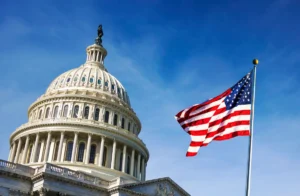
Fly-In Day provides a structured platform for this direct engagement. Member companies, representing the entirety of the supply chain – from ingredient suppliers and manufacturers to formulators and retailers – travel to Washington, D.C., to meet with members of Congress and their staff. These meetings are invaluable, offering lawmakers perspectives grounded in practical experience and firsthand knowledge of product development, manufacturing processes, and the daily realities of operating in the supplement industry. Such direct insights are rarely encountered during the often-abstract nature of policy debates.
Key Legislative Battlegrounds: HSA/FSA Expansion and Drug Preclusion Clarity
Two prominent issues are frequently at the forefront of discussions during the NPA’s Fly-In Day and are critical to the future of the dietary supplement industry: the expansion of Health Savings Account (HSA) and Flexible Spending Account (FSA) eligibility for supplements, and the resolution of the drug preclusion clause within DSHEA.
HSA/FSA Supplement Allowance Movement
The push to allow consumers to purchase dietary supplements using HSA and FSA funds without a prescription represents a significant opportunity for both the industry and public health. The NPA has been actively collaborating with a bipartisan group of lawmakers to advance this initiative. At a time when an increasing number of Americans are prioritizing preventive health measures and investing in their well-being, enabling the use of pre-tax dollars for supplements makes considerable economic and public health sense.

The rationale is straightforward: if individuals are encouraged to take proactive steps to maintain their health, then providing them with more accessible and cost-effective means to do so should be a policy priority. The medical community increasingly recognizes the role of foundational nutrition in preventing chronic diseases and supporting overall vitality. By allowing HSA/FSA funds to be used for supplements, policymakers can effectively endorse and facilitate this shift towards proactive health management. This policy change not only benefits consumers by increasing their purchasing power for health-promoting products but also supports the growth of businesses within the natural products sector.
Encouragingly, this proposal has been gaining momentum within governmental circles. The potential for widespread adoption is bolstered by the fact that many employers are actively seeking ways to support employee wellness and reduce long-term healthcare costs. Allowing supplements to be purchased with HSA/FSA funds aligns perfectly with these objectives. Direct engagement from industry leaders during events like Fly-In Day is crucial for conveying the compelling arguments for this policy shift, highlighting its potential to foster a healthier population and stimulate economic activity. The potential economic impact of this policy change could be substantial, with projections suggesting a multi-billion dollar boost to the dietary supplement market if such provisions are enacted.
Drug Preclusion Resolution Needed
Another critical issue dominating discussions on Capitol Hill is the interpretation and application of the drug preclusion clause within the DSHEA of 1994. This clause has cast a shadow of uncertainty over suppliers of innovative ingredients, including widely recognized compounds such as N-acetyl-L-cysteine (NAC), beta-Nicotinamide Mononucleotide (NMN), and other emerging substances.
The core of the issue lies in the potential for the Food and Drug Administration (FDA) to classify a dietary ingredient as a drug, thereby precluding its use in dietary supplements. This classification can occur if the ingredient has been approved as a new drug, is the subject of investigational new drug (IND) application, or has been authorized for investigation as a new drug or a marketed new drug. The ambiguity arises when ingredients have legitimate uses as both dietary supplements and potentially as investigational drugs.
Companies investing heavily in research and development for the next generation of dietary supplements require regulatory clarity to ensure they can continue innovating without the fear of their products being suddenly deemed unlawful. The current interpretation of the drug preclusion clause can lead to situations where ingredients with long histories of safe use as dietary supplements are challenged based on their potential or actual use in drug development. This creates a chilling effect on innovation, discouraging investment in novel ingredients and potentially limiting consumer access to beneficial compounds.
For example, NAC has gained significant attention for its antioxidant properties and potential therapeutic applications, leading to its inclusion in numerous dietary supplements. Similarly, NMN is being researched for its role in cellular energy and aging. If the FDA were to interpret the drug preclusion clause in a manner that significantly restricts the availability of such ingredients in the supplement market, it would not only harm businesses but also deprive consumers of products they have come to rely on for their health.
Regulators and lawmakers are increasingly aware of this problem. Conversations are actively underway regarding how Congress can provide legislative clarification to the drug preclusion clause found in section 201(ff) of the Federal Food, Drug & Cosmetic Act, as amended by DSHEA over three decades ago. The goal is to strike a balance that protects public health while fostering innovation and ensuring consumer access to a wide array of safe and effective dietary supplements. The NPA’s Fly-In Day serves as a crucial venue for industry leaders to articulate the scientific underpinnings and compliance efforts associated with these innovative ingredients, demonstrating that issues like drug preclusion are not abstract regulatory debates but have tangible consequences for investments, jobs, and consumer choice.
Amplifying Industry Voices: The Impact of Direct Engagement
The NPA’s Fly-In Day offers a powerful platform for companies to directly communicate the significant investments in research and development that underpin new ingredients and products. By explaining why regulatory certainty is essential for continued innovation, industry representatives can help policymakers understand the far-reaching implications of their decisions. When lawmakers hear firsthand from supplement companies about the scientific rigor and extensive compliance efforts dedicated to new products, it helps to dispel misconceptions and highlight the substantial stakes involved.
The FDA’s regulatory decisions, particularly concerning the interpretation of DSHEA and the drug preclusion clause, have a profound impact on the industry’s ability to invest, create jobs, and bring beneficial products to consumers. The current regulatory environment, characterized by potential uncertainty, can deter investment and slow down the introduction of new, potentially groundbreaking, dietary supplements. This can leave consumers with fewer options and hinder the overall advancement of nutritional science.
Ultimately, Fly-In Day transcends a mere series of meetings on Capitol Hill. It is fundamentally about cultivating robust relationships with policymakers, providing them with accurate and comprehensive education about the dietary supplement industry, and ensuring that the perspectives of responsible companies are actively considered during the development of policies that affect the sector. These ongoing dialogues are more critical than ever, particularly in the face of a persistent wave of legislative proposals aimed at restricting consumer access to dietary supplements across the nation.
The dietary supplement industry plays a vital role in supporting millions of consumers, sustaining thousands of businesses, and contributing to a growing societal emphasis on preventive health. However, the full scope and value of this industry will only be recognized by policymakers if the individuals and companies at its core dedicate the time and effort to share their stories, their innovations, and their commitment to consumer well-being. It is this dedication to direct engagement that motivates companies across the natural products sector to return to the nation’s capital year after year, participating in the NPA’s Fly-In Day and actively shaping the future of their industry. The collective voice of these industry leaders is instrumental in navigating the complex regulatory landscape and ensuring that the benefits of dietary supplements remain accessible to all Americans.