









The prioritization of protein within the human diet has shifted from a niche focus of competitive bodybuilders to a central pillar of general public health and athletic performance. As a primary macronutrient, protein is essential not only for the hypertrophy and repair of skeletal muscle but also for the synthesis of hormones, enzymes, and various structural components of the human body. In the contemporary nutritional landscape, the combination of high protein intake and low carbohydrate consumption has emerged as a statistically significant strategy for weight management, metabolic health, and lean mass preservation.
The Biological and Metabolic Significance of Protein
Dietary protein serves as the fundamental building block for nitrogen balance within the body. Beyond its structural role, protein exhibits a unique metabolic advantage known as the Thermic Effect of Food (TEF). Clinical research indicates that protein requires more energy to digest, absorb, and process than either fats or carbohydrates. Specifically, the TEF for protein ranges from 20% to 30%, whereas carbohydrates sit between 5% and 10%, and fats at a mere 0% to 3%. This metabolic "tax" means that a higher percentage of calories consumed from protein are expended during the digestive process, effectively reducing the net caloric load and supporting fat loss.
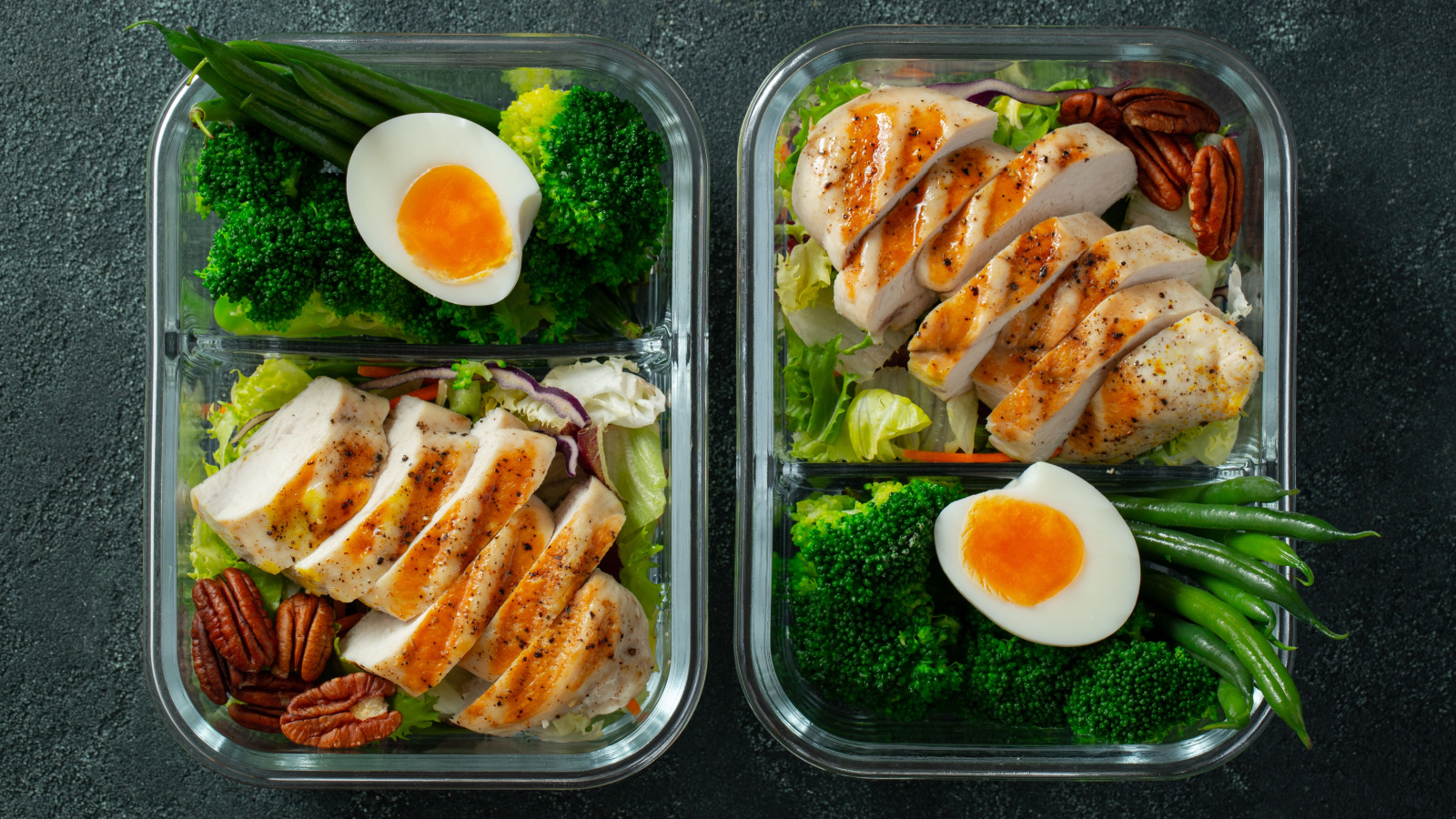
Furthermore, protein is the most satiating macronutrient. By influencing the secretion of hunger hormones such as ghrelin and stimulating satiety signals like peptide YY (PYY) and glucagon-like peptide-1 (GLP-1), high-protein diets are associated with spontaneous reductions in caloric intake. For athletes and individuals engaged in resistance training, the recommended intake often exceeds the standard Recommended Dietary Allowance (RDA), moving toward a range of 1.76 to 2.75 grams per kilogram of body weight to optimize Muscle Protein Synthesis (MPS).

Chronology of Dietary Trends and Protein Research
The evolution of high-protein, low-carb (HPLC) diets has followed a distinct historical trajectory. In the mid-20th century, protein-heavy diets were largely confined to the "Golden Era" of bodybuilding, where athletes relied on whole foods like eggs, beef, and raw milk. By the 1970s, the introduction of the Atkins Diet brought the low-carbohydrate concept to the mainstream, though it was initially met with skepticism by the medical community due to its high saturated fat content.
The 1990s and early 2000s saw a refinement of these protocols with the emergence of the Zone Diet and the South Beach Diet, which began to distinguish between types of fats and glycemic indices of carbohydrates. In the last decade, the rise of the Ketogenic (Keto) and Paleo movements has further solidified the role of high-protein, low-carb intake in both clinical and athletic settings. Today, registered dietitians focus on "nutrient density" and "bioavailability," emphasizing whole food sources that provide not just protein, but a suite of essential micronutrients.

Comprehensive Profiles of the Top 20 High-Protein, Low-Carb Foods
To maintain dietary adherence, variety is essential. The following 20 foods represent the gold standard in HPLC nutrition, categorized by their source and nutritional profile.
Poultry and Lean Meats
- Chicken Breast: The quintessential lean protein, chicken breast provides approximately 31 grams of protein per 100 grams with minimal fat. Its neutral flavor profile makes it a versatile staple for meal prepping.
- Chicken Thighs: While slightly higher in fat than the breast, thighs offer a more robust flavor and higher concentrations of iron and zinc. They are less prone to drying out during high-heat cooking.
- Lean Ground Beef (95% Lean): Ground beef is a primary source of heme iron, which is more easily absorbed by the body than non-heme iron found in plants. It also provides Vitamin B12 and creatine.
- Sirloin Steak: One of the leanest cuts of red meat, sirloin offers a high protein-to-fat ratio, making it ideal for those monitoring caloric intake while seeking the benefits of red meat.
- Strip Steak: Similar to sirloin, the strip steak provides a dense source of protein and essential amino acids, including leucine, which is the primary trigger for muscle protein synthesis.
- Ribeye Steak: For those on a higher-fat protocol like Keto, the ribeye provides significant marbling, ensuring a high caloric density and fat-soluble vitamins (A, D, E, K).
- Pork Chops: Often referred to as "the other white meat," lean pork chops are comparable to chicken breast in protein density and are an excellent source of thiamine (Vitamin B1).
- Pork Shoulder: Typically used for slow-cooking, pork shoulder provides a moderate fat content and is rich in selenium and phosphorus.
- Ham: Cured pork leg offers a convenient, lean protein source, though consumers should monitor sodium levels often associated with the curing process.
Seafood and Shellfish
- Salmon: Beyond its 20-25 grams of protein per serving, salmon is world-renowned for its high Omega-3 fatty acid content (EPA and DHA), which supports cardiovascular health and reduces systemic inflammation.
- Tuna: Whether fresh or canned in water, tuna is nearly pure protein. It is low in calories and provides significant amounts of selenium and Vitamin D.
- Sardines: These small fish are nutritional powerhouses. Because they are often consumed with their bones, they provide a rare non-dairy source of calcium, alongside high protein and Omega-3s.
- Shrimp: With roughly 24 grams of protein per 100 grams and less than 1 gram of fat, shrimp is one of the most protein-dense foods available.
Dairy and Eggs
- Whole Eggs: Often called the "perfect protein," eggs have a biological value (BV) of 100, meaning their amino acid profile is perfectly suited for human needs. The yolk contains choline, essential for brain health.
- Egg Whites: For those needing to increase protein without adding fat, egg whites are an efficient tool. They are frequently used in liquid form for convenience in cooking and baking.
- Greek Yogurt: Strained to remove excess whey and lactose, Greek yogurt contains double the protein of traditional yogurt. It also provides probiotics for gut health.
- Cottage Cheese: This slow-digesting protein source is rich in casein, making it an ideal pre-sleep snack to prevent muscle protein breakdown overnight.
Specialized Proteins and Supplements
- Beef Liver: While polarizing in taste, liver is perhaps the most nutrient-dense food on the planet, offering massive doses of Vitamin A, B12, and copper alongside its protein content.
- Whey Protein Powder: A fast-digesting byproduct of cheesemaking, whey is highly bioavailable and rich in Branched-Chain Amino Acids (BCAAs).
- Casein Protein Powder: The "slow" counterpart to whey, casein forms a gel in the stomach, providing a steady release of amino acids over several hours.
Analysis of Nutritional Data and Professional Consensus
Registered dietitians and sports nutritionists emphasize that while these foods are high in protein, the "low-carb" designation is equally important for metabolic flexibility. By limiting carbohydrate intake, the body is encouraged to utilize fatty acids as a primary fuel source.
Data from the National Health and Nutrition Examination Survey (NHANES) suggests that while many Americans meet the minimum protein requirements, athletes and the elderly often fall short of the optimal levels needed for lean mass maintenance. The consensus among the International Society of Sports Nutrition (ISSN) is that spreading protein intake across four to five meals (roughly 20-40 grams per meal) is more effective for muscle retention than consuming the majority of daily protein in a single sitting.

A Sample High-Performance Dietary Protocol
For a 200-pound athlete aiming for 3,500 calories with a focus on these 20 foods, a daily menu might look as follows:
- Meal 1: 4 whole eggs scrambled with 1 cup of liquid egg whites, served with 1 cup of oats (to provide the necessary complex carbohydrates for training energy).
- Snack 1: 1.5 scoops of whey protein mixed with 1 cup of Greek yogurt and a handful of almonds.
- Meal 2 (Lunch): 8 ounces of grilled chicken breast with 2 cups of cooked white rice and steamed broccoli.
- Snack 2: 1 cup of cottage cheese with a serving of blueberries and 1 ounce of walnuts.
- Meal 3 (Dinner): 8 ounces of sirloin steak with a large baked potato and a side salad dressed in olive oil.
This plan delivers approximately 250 grams of protein, ensuring that the athlete hits the 1.25g/lb threshold necessary for recovery from high-intensity training.
Broader Implications for Public Health and the Food Industry
The shift toward high-protein, low-carb eating has profound implications for the global food industry. Market research indicates a surge in "protein-fortified" products, from pasta to snacks. However, health professionals warn against over-reliance on processed "low-carb" snacks which may contain sugar alcohols and artificial fillers. The emphasis remains on whole, single-ingredient foods like those listed above.
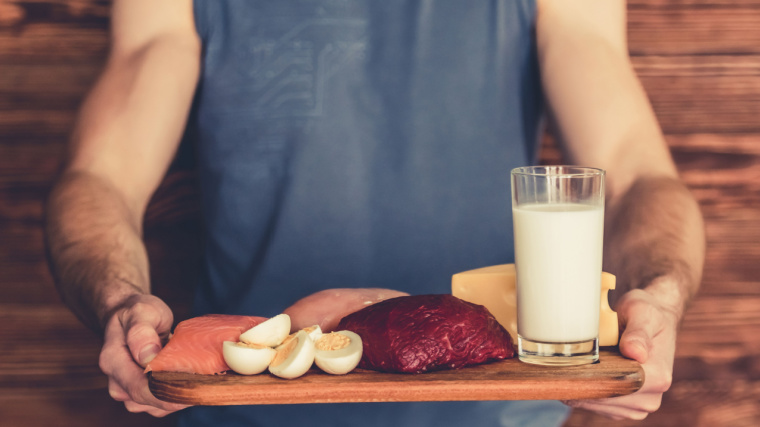
From a public health perspective, increasing protein intake in the aging population is a critical strategy against sarcopenia (age-related muscle loss). Furthermore, for the management of Type 2 diabetes, HPLC diets have shown promise in improving glycemic control and reducing insulin resistance. As nutritional science continues to evolve, the integration of these 20 foundational foods offers a scientifically backed pathway to improved body composition and long-term metabolic vitality.