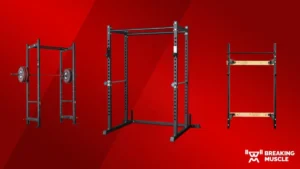








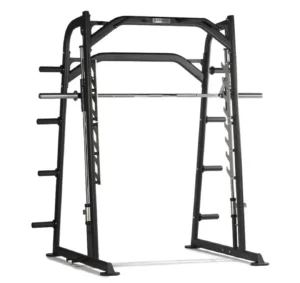
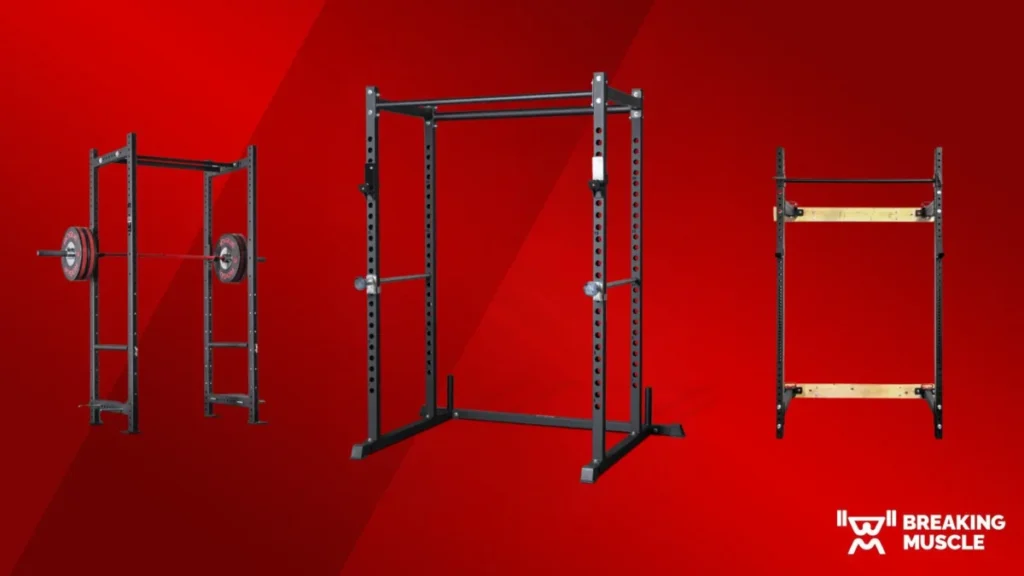
The landscape of home fitness continues to evolve, with more individuals investing in robust equipment to facilitate effective strength training within their personal sanctuaries. Power racks, often referred to as power cages or squat cages, have emerged as a cornerstone for serious home gym enthusiasts and seasoned athletes alike. These versatile pieces of equipment provide a secure environment for performing a wide array of barbell exercises, including squats, bench presses, and overhead presses, without the necessity of a spotter. This article delves into the top power racks available for 2025, offering a comprehensive guide for consumers looking to elevate their strength training regimen.
Power racks are engineered with four vertical uprights, forming a protective cage around the user. This design is crucial for safety, allowing lifters to push their limits with confidence, knowing that integrated safety mechanisms, such as spotter arms or pins, can catch the barbell if a lift is failed. Beyond their primary function, many power racks are designed with modularity in mind, accepting a variety of add-on accessories. These can include pull-up bars, dip stations, landmine attachments, and resistance band pegs, transforming a single piece of equipment into a comprehensive full-body workout station. The adaptability of power racks makes them a valuable long-term investment for individuals at any stage of their fitness journey, from beginners seeking foundational strength to advanced athletes pursuing peak performance.
Understanding the Evolution of Home Gym Equipment
The surge in home gym popularity is not a recent phenomenon but has seen a significant acceleration in recent years. Factors such as increased awareness of the health benefits of strength training, coupled with the convenience and privacy of home workouts, have driven demand. According to market research, the global home fitness equipment market is projected to grow substantially in the coming years, with power racks being a key driver within the strength training segment. This growing market has led to increased innovation from manufacturers, offering a wider range of options to suit diverse needs, from compact solutions for small apartments to heavy-duty rigs for dedicated home gyms.
Expert Insights on Power Rack Selection
To provide informed recommendations, this analysis incorporates insights from Shane Sevcik, a USAW-1 (USA Weightlifting) certified coach, a distinguished member of the USA Weightlifting Foundation board, a state record holder, and a Masters Pan American and World title holder. Coach Sevcik’s expertise offers a critical perspective on what constitutes quality and functionality in a power rack, emphasizing key features that contribute to both safety and performance. His insights are particularly valuable for understanding the nuanced differences between various models and making an educated purchasing decision.
"A power rack is an essential piece of fitness equipment," Sevcik states. "What sets them apart is the build, value, and accessories. A full power rack of this style with a weight capacity of 1,100 pounds for around $400 is an excellent bang for the buck." His perspective underscores that while cost is a factor, the underlying construction and available features are paramount to long-term utility and safety.
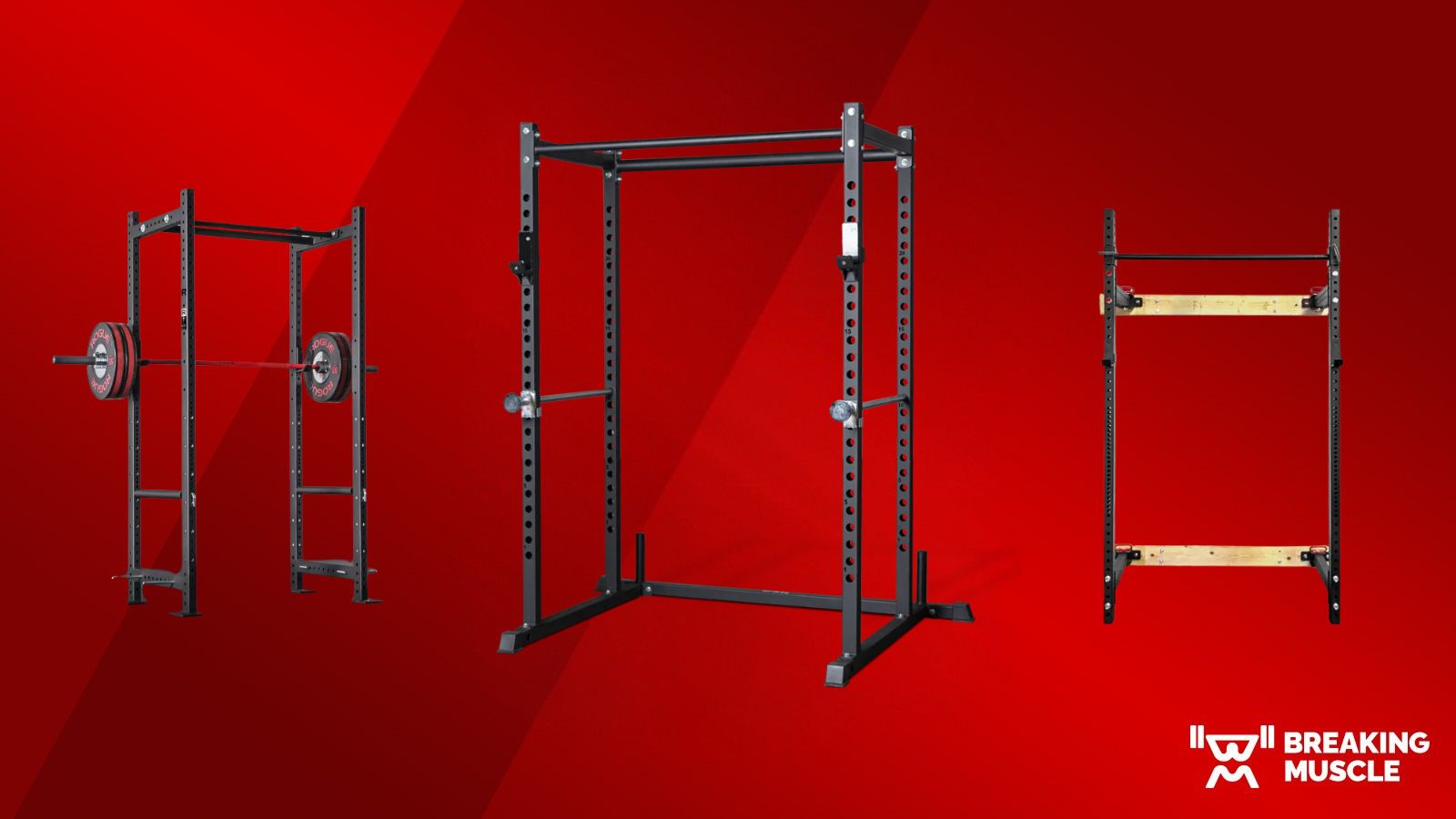
Best Overall Power Rack: REP Fitness PR-1000 Power Rack
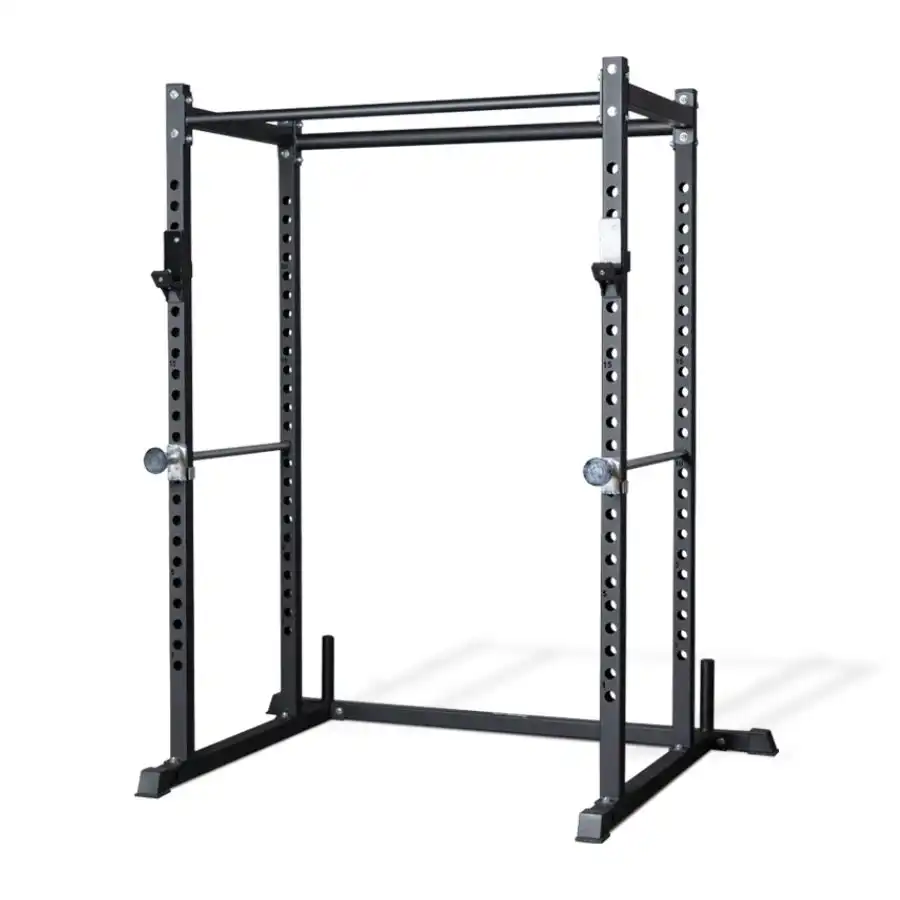
The REP Fitness PR-1000 Power Rack stands out as a robust and versatile option, making it an excellent choice for a wide range of users. Constructed from 14-gauge steel, it offers a stable four-post frame with laser-cut holes spaced two inches apart, facilitating precise adjustments for J-hooks and safety features. A notable advantage of the PR-1000 is its integrated dual pull-up bars, featuring one 1.25-inch thick bar and another 2-inch thick bar. This dual offering caters to different grip preferences and allows for varied pull-up and grip strength exercises without requiring additional equipment.
The rack’s design incorporates weight storage pegs on the rear base, contributing to overall stability and organization. Furthermore, it is designed for customization, with compatibility for several accessories, including safety straps and a dip station, allowing users to expand its functionality as their training evolves.
Tester Brandon Lunsford, C.P.T., CF-L1, provided valuable real-world feedback after nearly two years of use, performing exercises such as squats, bench presses, and pull-ups. He categorizes the PR-1000 as an ideal rack for beginners or intermediate lifters, noting some minor sway when un-racking 350 pounds. "The rack held the weight just fine, but there was some swaying after I removed the bar," Lunsford commented. "I’d recommend it to a beginner or someone who doesn’t lift to that capacity because I was happy with it otherwise." This feedback highlights the rack’s capacity for most home gym users while also setting realistic expectations for those pushing significantly heavier loads.
The PR-1000 also includes chrome-coated safeties that extend beyond the rack, providing an additional safety buffer. The numbered uprights are a practical feature, simplifying the adjustment of safeties and J-hooks and ensuring a level bar setup. "The J-hooks were easy to move, and the hole spacing of one inch is adequate to get the bar lined up where you need it," Lunsford adds. "I can attest to the functionality of the safeties; they worked great for me when I failed a heavy bench over 250 pounds." This testament to the safety features is a critical factor for any power rack.
Best Folding Power Rack: Titan Fitness T-3 Series Folding Power Rack
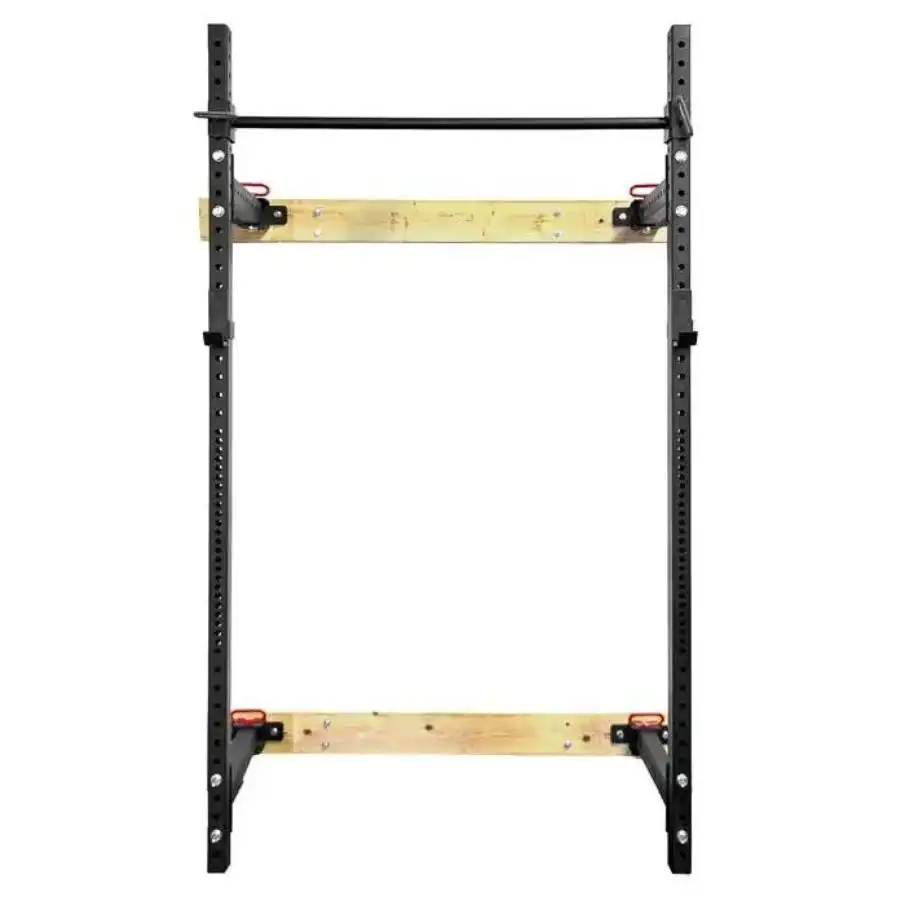
For individuals with limited space, the Titan Fitness T-3 Series Folding Power Rack offers an ingenious solution. This wall-mounted rack folds inward to occupy a mere five inches from the wall when not in use, making it exceptionally space-efficient. Its stability is maintained through bolt-down uprights and side bracing, supporting an impressive weight capacity of up to 1,100 pounds. The floor attachment further enhances stability, crucial for dynamic pull-up movements like kipping pull-ups or toes-to-bar.
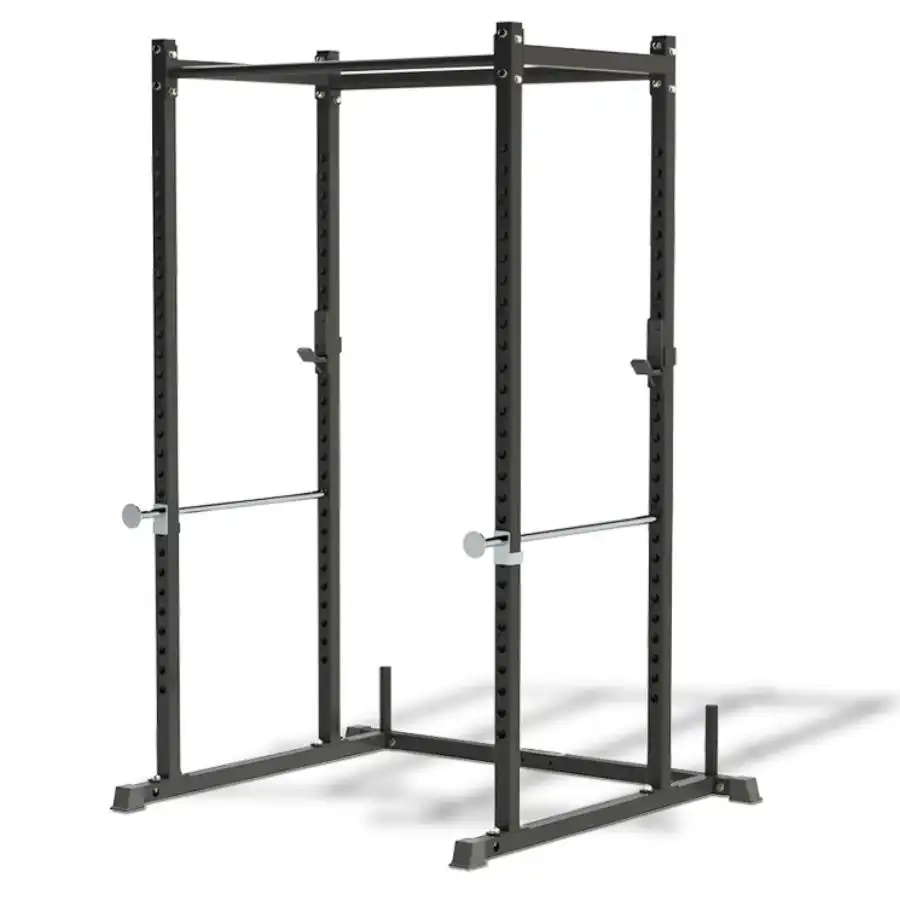
The T-3 Series features dual pull-up bars: a rear bar with a 2-inch diameter and a front bar with the industry-standard 1.25-inch diameter. The rack is constructed from 11-gauge steel with 2-inch by 3-inch tubing, a common specification in the industry. Coach Sevcik notes the importance of manufacturing precision: "The holes are laser cut instead of punched, and the brand uses robot welders instead of guides operated by humans." This advanced manufacturing process results in enhanced craftsmanship, efficiency, and consistency. The laser-cut holes are spaced two inches apart, with Westside hole spacing in the bench and clean pull zones for more granular bar positioning.
The T-3 Series offers excellent value, often priced around $400, providing a high weight capacity and robust construction for its price point. However, it’s important to note that safety arms are sold separately, typically ranging from $90 to $190. While the rack’s overall weight capacity is 1,100 pounds, the included J-cups are rated for 1,000 pounds, meaning an upgrade may be necessary for lifters exceeding this threshold. Titan Fitness provides free shipping on all products and a one-year warranty against manufacturing defects. Customization options include various color choices, rack depths and heights, and the addition of weight plate holders.
Best Short Power Rack: REP Fitness PR-1050 Short Power Rack
Ideal for home gyms with low ceilings, such as garages or basements, the REP PR-1050 Short Power Rack stands at just 72 inches (six feet) tall. Despite its compact stature, it boasts a sturdy build with a footprint of 58 by 48 inches and a weight capacity of 700 pounds. This rack is a practical solution for those who cannot accommodate taller equipment.
The PR-1050 comes equipped with dual pull-up bars capable of supporting up to 400 pounds, numbered upright holes spaced two inches apart for easy adjustments, rear base weight horns for added stability, chrome-coated safeties, and plastic-lined J-cups to protect barbells. Its compatibility with various add-on attachments, such as cannonball grips for enhanced grip strength and landmine attachments for versatile rowing and pressing movements, further increases its utility.
Best Space-Saving Power Rack: Fringe Sport Retractable Power Rack
The Fringe Sport Retractable Power Rack is designed for ultimate space efficiency. This innovative rack can be retracted and folded either inward or outward, reducing its footprint to just five inches from the wall when stored. It features a compact base and supports up to 800 pounds.
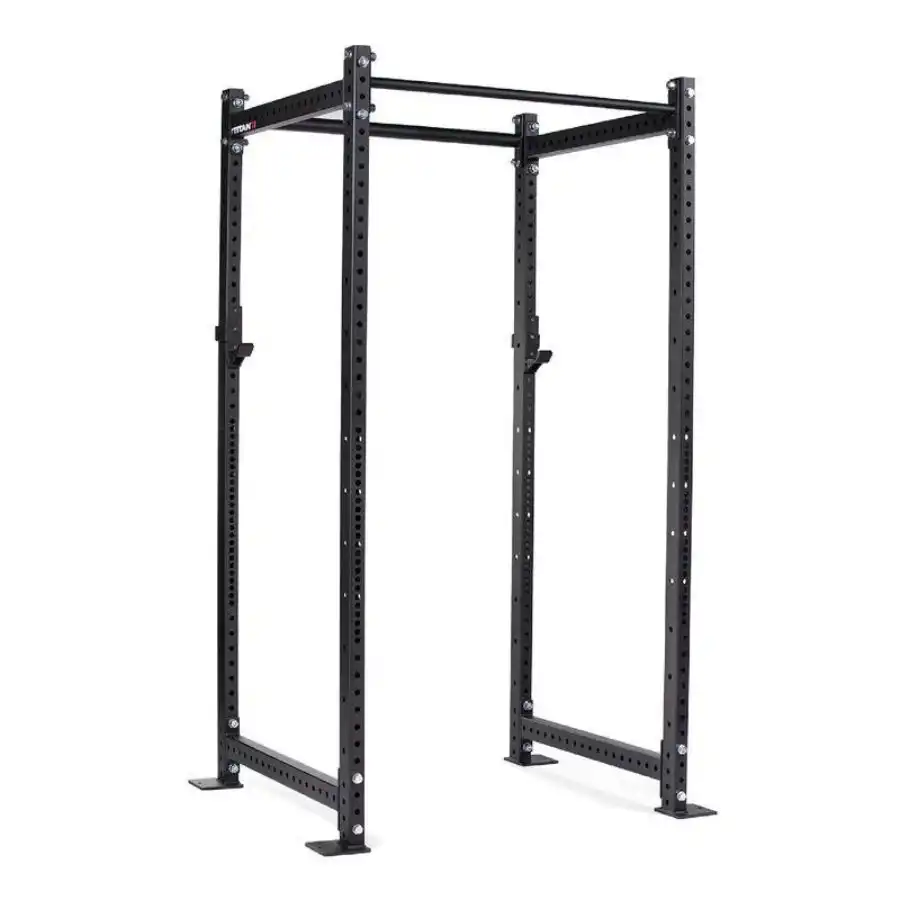
Constructed from 2-by-3-inch 11-gauge steel, the uprights incorporate Westside spacing in the bench zone, allowing for fine-tuned adjustments. The 1.25-inch diameter pull-up bar can be set at multiple heights. At 91 inches tall, it may not be suitable for very low ceiling environments. The rack includes J-hooks coated with ultra-high molecular weight polyethylene (UHMW) to safeguard barbell knurling. Fringe Sport provides installation guidance and includes four mounting brackets and six detent pins to secure the rack in place.
Best Power Rack with Lat Pulldown: Sunny Health & Fitness Power Zone Strength Rack Power Cage Squat Rack
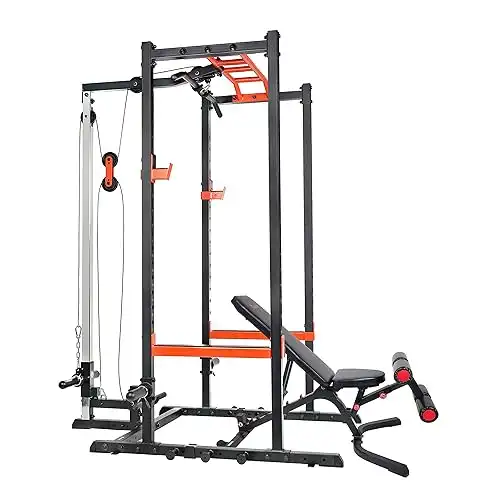
For users seeking a more integrated system, the Sunny Health & Fitness Power Zone Strength Rack offers a built-in pulley system for lat pulldowns. This attachment can accommodate up to 352 pounds of weight plates and can also be used for exercises like upright rows and curls. When not in use, integrated safety hook latches provide convenient storage for the lever bars.
This power rack is designed for a comprehensive workout, featuring an adjustable angled pull-up bar with four grip positions and J-hooks with 18 vertical height settings. Spotter bars with safety latches enhance safety during heavy squats. Additionally, six resistance band pins allow for added resistance during exercises.
Best Power Rack for Garage Gym: Rogue Fitness R-3 Power Rack
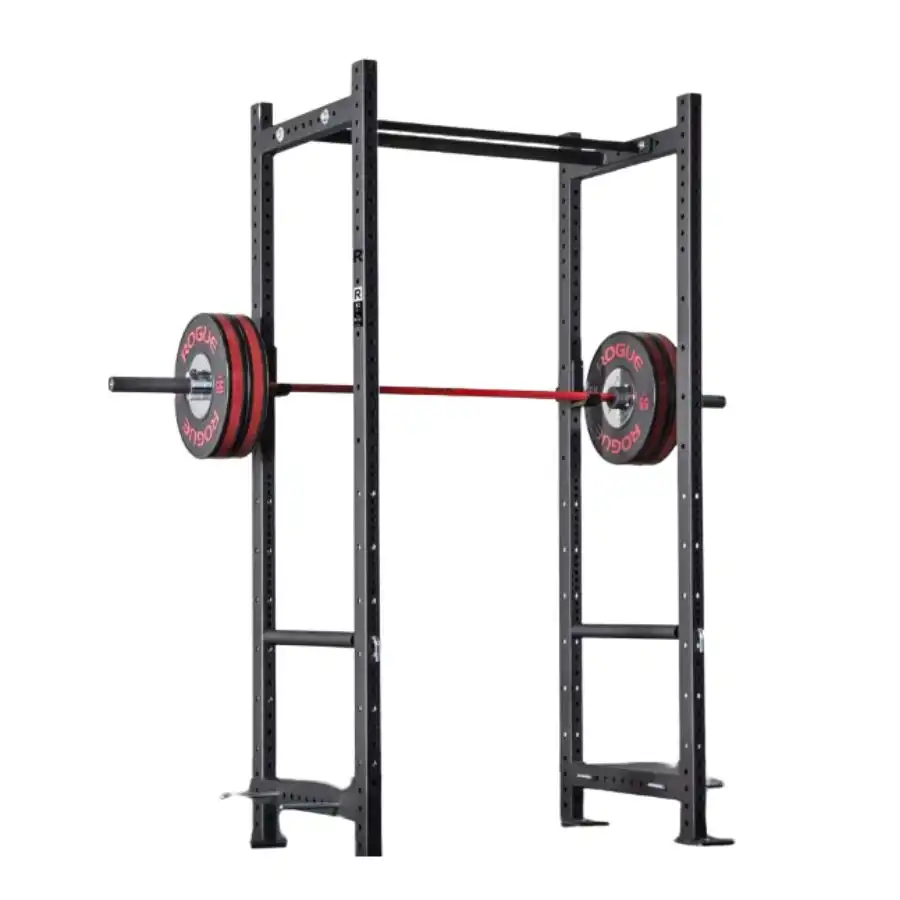
The Rogue Fitness R-3 Power Rack is the most compact model in Rogue’s R-Series, making it an excellent fit for garage gyms. Available in two height options—90.4 inches or 84.4 inches—it accommodates spaces with lower ceilings. Constructed from heavy-duty 11-gauge steel, it features Westside spacing in the bench area (one-inch increments) and two-inch spacing above and below.
The R-3 is compatible with a wide range of Rogue Infinity Series attachments, including the Matador dip attachment and weight storage solutions. It comes standard with a 43-inch pull-up bar, Infinity J-cups, pin/pipe safeties, and four band pegs. Users can further customize their setup by adding a barbell, bench, or plates directly from Rogue Fitness. This rack is versatile enough to support a broad spectrum of training modalities, from powerlifting and CrossFit to Olympic lifting.
Best Squat Rack: Fitness Reality Squat Rack Power Cage
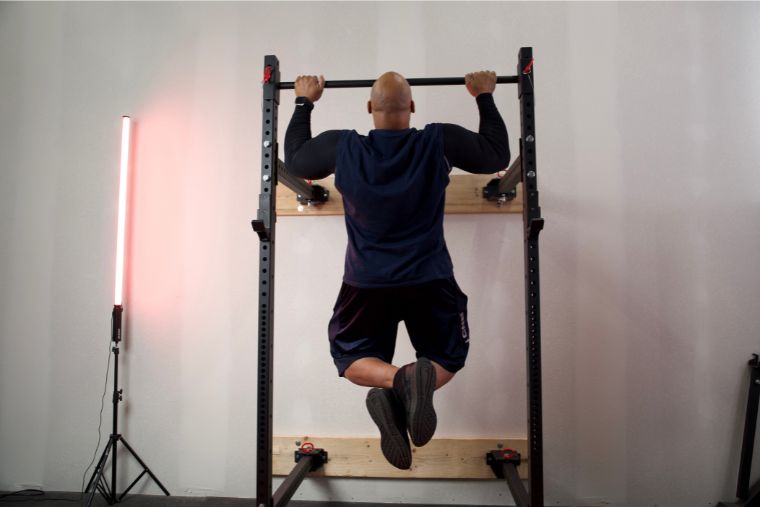
The Fitness Reality Squat Rack Power Cage is a budget-friendly yet highly functional option, with an official weight capacity of 800 pounds. It is designed to support users from beginner to elite powerlifting levels. A key feature is its solid steel safety arms, offering superior durability compared to hollow tubes. The rack includes two rear stability bars and 19 adjustable height levels, enabling a variety of exercises beyond squats, such as pull-ups, chin-ups, and bench presses.
Priced at $299, it is one of the most affordable options available. The unit features a multi-grip pull-up bar and two 23-inch safety bars with chrome locks. While it does not include J-hooks, dip bars, or plate storage attachments, its one-inch hole spacing ensures compatibility with standard-sized accessories.
What is a Power Rack?
A power rack, also known as a power cage, is a piece of strength training equipment characterized by four (or sometimes six) vertical uprights connected by cross members, forming a protective cage. This structure is designed to house a barbell and provide a safe environment for lifting. Users can perform exercises both inside and outside the cage, depending on the rack’s depth and the specific exercise. In contrast, a half rack typically features only two uprights, necessitating that all lifts be performed outside the rack due to its limited depth. Power racks offer superior versatility, often accommodating a wider range of attachments for a more comprehensive workout.
Why Buy a Power Rack?
Investing in a power rack offers numerous benefits for individuals committed to strength training. Research consistently links muscle-strengthening activities to significant long-term health advantages, including a reduced risk of chronic diseases, improved bone density, and enhanced metabolic health. A study published in the British Journal of Sports Medicine highlighted that as little as 30 to 60 minutes per week of muscle-strengthening exercises can yield substantial health benefits.
The primary advantage of a power rack is safety. Integrated safety mechanisms like spotter arms, pins, or straps allow individuals to train with maximal effort without a spotter, significantly reducing the risk of injury. This is particularly crucial for exercises like heavy squats or bench presses, where failure can occur unexpectedly. Furthermore, the modular design of most power racks allows for the addition of various accessories, such as pull-up bars and dip stations, enabling users to perform a diverse range of exercises and target different muscle groups. This versatility transforms a single piece of equipment into a comprehensive home gym solution, offering convenience and accessibility for consistent training.
How to Use a Power Rack Safely and Effectively
Proper utilization of a power rack is paramount for maximizing its benefits while ensuring user safety. Power racks are employed for a variety of strength training disciplines, including powerlifting, Olympic lifting, and general strength conditioning. With the addition of accessories, their utility extends to bodyweight exercises and cable-based resistance training.
Coach Sevcik emphasizes the importance of consistency and progressive overload in any training program: "It’s all about consistency. Make sure you have some kind of progressive overload built into your programming."
The safety features of a power rack—whether they are straps, pins, or arms, collectively known as "safeties"—are its most critical component. "One of my biggest pet peeves is when I see people who don’t know how to set the safety arms the right way and have the pins set way too low," Sevcik explains. "The purpose of those safety arms is to give you a safe way to bail out of a lift. Otherwise, you’re just using a power rack as a big immobile squat stand."
Setting the safety arms correctly is crucial. For squats, Sevcik advises: "To set them up for squats, put the unloaded bar on your back and squat down to the deepest position you can get yourself into. The safety bars should be about an inch and a half or one notch lower than your bottom position, so if you ever fail on a squat, all you do is sit your butt down to the very bottom." This ensures a safe bailout without the risk of the bar dropping onto the lifter.
While many power racks include safety arms, some budget-friendly models may require them to be purchased separately. For those new to using a power rack, seeking guidance from a fitness professional on proper setup and exercise technique is highly recommended.
What to Look for in a Power Rack
Selecting the right power rack involves considering several key factors to ensure it meets individual needs and fits within the available space and budget.
Size and Footprint
Before making a purchase, it is essential to accurately measure the intended space for the power rack. This includes not only the floor area the rack will occupy but also the ceiling height, especially if the rack is to be used in a basement or garage with limited vertical clearance. For those with exceptionally tight spaces, folding or retractable power racks offer a viable solution, allowing the equipment to be stored compactly when not in use. It is also advisable to consider the user’s height and planned exercises, particularly those involving the pull-up bar or attachments, to ensure adequate clearance. Maintaining a clear space around the rack, especially in the front, is crucial for safe exercise execution and for the ability to safely bail out of a lift if necessary.
Style and Construction
Power racks are available in a variety of styles, materials, and finishes. Key construction elements to consider include the gauge of the steel used, the type of welds, and the overall stability of the frame. Thicker steel, indicated by a lower gauge number (e.g., 11-gauge), generally translates to a more robust and durable rack. The quality of welds is also important, as they are critical structural points. Furthermore, the design of the rack, including its uprights, base, and any integrated features, contributes to its overall stability and longevity.
Weight Capacity
The weight capacity of a power rack is a critical safety specification. Racks on the market range widely, from approximately 700 pounds to well over 1,100 pounds. Beginners and intermediate lifters will likely find racks in the lower to middle capacity range sufficient. Advanced athletes or those planning to lift exceptionally heavy loads should opt for racks with high weight capacities and heavy-duty steel construction. It is also important to note that individual components, such as J-cups, safety arms, and pull-up bars, may have their own weight limits, which should not be exceeded.
Cost and Value
The price of power racks can vary significantly, influenced by factors such as material quality, brand reputation, included features, and warranty. While some racks come as a basic setup with the option to add accessories incrementally, others are sold as fully equipped packages. The latter offers greater versatility from the outset but comes at a higher initial cost. Budget-conscious consumers should carefully evaluate the features included versus those that might need to be purchased separately. Many manufacturers offer free shipping, which can represent a significant saving on such large and heavy items.
Material Quality
Coach Sevcik emphasizes the importance of material thickness: "A rack made out of thicker steel creates more leverage on the uprights, especially when you add those attachments." He specifically recommends looking for thick, heavy-duty steel, such as 11-gauge. While lower gauge numbers indicate thicker steel, they also typically correspond to higher prices. For general home gym use, 11-gauge or 12-gauge steel provides excellent durability and stability.
J-Cups/J-Hooks
The J-cups or J-hooks are the components that hold the barbell on the uprights. Sevcik highlights their importance: "I think a big must-have a lot of people overlook is to make sure your J-cups, or J-hooks, have some coating on them to preserve the knurling on your bar." Protective coatings, such as plastic or rubber, prevent excessive wear on the barbell’s knurling, which is crucial for grip, especially for Olympic weightlifters who rely on precise grip placement.
Hole Spacing
The spacing of the holes on the uprights dictates the adjustability of the J-cups and safety arms. Sevcik advises, "I would make sure you have enough hole patterns to make a lot of adjustments. Sometimes, they’re too spaced out, for example, in two-inch increments instead of one. I like to have the added adjustability, especially for those heavier weights." While two-inch spacing is common and functional for many exercises, one-inch spacing offers finer control for optimal bar placement and safety. Westside spacing, a pattern that combines closer spacing in key areas with wider spacing elsewhere, is also a desirable feature.
Pull-Up Bar
The inclusion of a pull-up bar is a highly valued feature, as pull-ups are a fundamental bodyweight exercise. Sevcik notes, "They’re one of the most basic, fundamental movements. Plus, if you dedicate the square footage to put the rack in there, you’ll want to get as much utility as possible because you are sacrificing some real estate." Many racks offer integrated pull-up bars, some with multiple grip options or diameters for varied training.
Attachments and Accessories
The ability to add accessories significantly enhances a power rack’s versatility. Sevcik states, "It’s important to have the option to add accessories. You might not want a dip bar right now, but down the road, you may decide to incorporate more dips in the training program, and it sure is nice to have your power rack as your one central piece of equipment." Common attachments include dip stations, lat pulldown machines, landmine attachments, and weight plate storage solutions. It is essential to verify compatibility with the specific rack model and understand whether these accessories are included or sold separately.
How We Chose the Best Power Racks
Our selection process for the best power racks of 2025 was guided by a rigorous evaluation of several critical factors:
- Construction and Durability: We prioritized racks made from high-quality, heavy-gauge steel (11-gauge or thicker where possible) with robust welds, ensuring longevity and stability.
- Safety Features: The presence and quality of safety mechanisms, such as spotter arms, pins, and straps, were paramount. We looked for racks that offer reliable protection for users.
- Versatility and Attachments: The ability to customize and expand the rack’s functionality with add-on accessories was a significant consideration, catering to diverse training needs.
- Weight Capacity: We assessed the stated weight capacities to ensure they met the demands of serious strength training, while also noting the capacity of individual components.
- Value for Money: We considered the balance between cost, features, and build quality, identifying options that offer excellent performance for their price point.
- User Reviews and Expert Opinions: Feedback from users and insights from fitness professionals like Shane Sevcik were integrated to provide a well-rounded assessment.
- Space Efficiency: For individuals with limited space, we highlighted compact and folding options that do not compromise on functionality.
We have curated a list that includes budget-friendly options suitable for beginners and high-end models for advanced athletes. Compact and folding designs are featured for those with spatial constraints, ensuring a power rack is accessible to a broad audience.
Final Thoughts
The integration of strength training into a regular fitness routine is strongly supported by scientific evidence, with benefits ranging from improved cardiovascular health to enhanced metabolic function. Power racks play a pivotal role in making strength training more accessible and safer within the home environment. By providing a secure platform for lifting heavy weights without the need for a spotter, a power rack offers unparalleled convenience, allowing individuals to engage in effective weightlifting workouts at their own pace and on their own schedule. The diverse range of options available in 2025 ensures that there is a power rack to suit nearly every need, budget, and space constraint, empowering more people to invest in their long-term health and physical well-being.
Frequently Asked Questions
What is the difference between a squat rack and a power rack?
A full power rack typically features four to six uprights connected by cross members, forming an enclosed cage. This design offers maximum safety and versatility. A squat rack, often called a squat stand, usually consists of two uprights and is generally lighter and more portable than a power rack. Power racks are typically more versatile due to their ability to accommodate a wider array of attachments, while squat racks are primarily designed for squatting and pressing movements outside the rack.
How should you bolt down your power rack?
If you opt for a freestanding power rack, it is crucial to follow the manufacturer’s specific instructions for anchoring it securely to the floor or wall. This typically involves using lag bolts or mounting brackets to prevent any movement during heavy lifts, ensuring maximum safety and stability.
How far from the wall should a power rack be?
For freestanding power racks, it is generally recommended to maintain a distance of a few feet from the wall. This provides adequate space for comfortable movement during exercises and allows for safe bailouts if a lift is failed. Always consult the manufacturer’s guidelines for precise recommendations, as these can vary based on the rack’s design and intended use.
What gauge steel should a power rack be?
Common gauges for power racks are 11-gauge and 12-gauge steel, with lower numbers indicating thicker and stronger material. While these are often more expensive, they offer superior durability and stability. Thinner gauges, such as 14-gauge or even 16-gauge, may be suitable for lighter home gym use and are more budget-friendly. The selection of steel gauge should align with your training intensity and expected weight loads.