








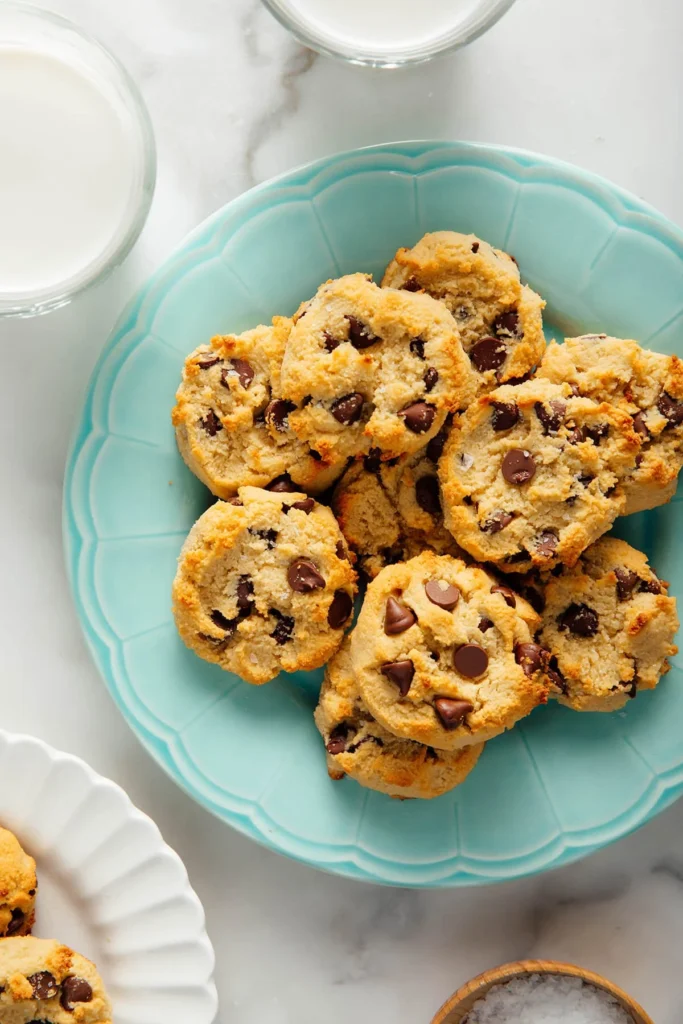
A significant culinary development has emerged with the successful formulation of a gluten-free chocolate chip cookie recipe, meticulously crafted to deliver the classic texture and flavor while adhering to health-conscious dietary preferences. This innovative recipe, the culmination of extensive experimentation, distinguishes itself by utilizing a single, wholesome flour—almond flour—and opting for maple syrup as its primary sweetener, diverging from traditional brown sugar. The resulting cookies are characterized by a coveted balance: a lightly crisp, golden perimeter giving way to a tender, chewy interior, satisfying the discerning palate of both gluten-free adherents and those seeking a healthier rendition of a beloved classic. Beyond its sensory appeal, the recipe boasts remarkable ease of preparation, requiring no complex machinery or prolonged chilling periods, thus democratizing access to high-quality, specialized baking.
The Rigorous Quest for Perfection: A Recipe’s Genesis

The creation of this particular gluten-free chocolate chip cookie was not a matter of chance but the result of a rigorous developmental process, reportedly involving ten distinct iterations to achieve the optimal balance of texture, flavor, and structural integrity. This dedication underscores a growing trend in the culinary world: a commitment to perfecting specialized dietary recipes to match, if not exceed, the sensory experience of their traditional counterparts. The challenge in gluten-free baking often lies in replicating the elasticity and chewiness provided by gluten, a protein complex found in wheat, barley, and rye. Without gluten, baked goods can often be crumbly, dense, or lack the desired "bite." The success of this recipe in achieving a tender, chewy middle with crisp edges, despite the absence of gluten, represents a notable achievement in this domain. This iterative process highlights the scientific approach often employed in modern recipe development, where variables such as flour type, sweetener, fat, and leavening agents are systematically adjusted and tested.

Almond Flour: The Cornerstone of Gluten-Free Excellence
The selection of almond flour as the sole flour in this recipe is pivotal to its success and its health profile. Almond flour, derived from finely ground blanched almonds, has gained considerable traction in the baking community for its unique properties and nutritional advantages.

- Nutritional Powerhouse: Unlike conventional wheat flours, almond flour is rich in healthy monounsaturated fats, protein, and dietary fiber. A typical serving can provide a substantial amount of Vitamin E, magnesium, and other essential minerals. This nutrient density contributes to a more satiating product and offers a broader spectrum of health benefits compared to refined grain flours. For instance, the high fiber content can aid in digestive health, while magnesium is crucial for muscle and nerve function, blood glucose control, and blood pressure regulation.
- Baking Dynamics and Gluten-Free Advantages: In baking, almond flour imparts a delicate, subtly nutty flavor that enhances rather than overshadows other ingredients, a distinct advantage over some alternative flours that can introduce undesirable tastes. Its inherent moisture content contributes to the tender texture of the cookies. Crucially, as almond flour is naturally gluten-free, it eliminates concerns about overmixing the dough, a common pitfall in traditional baking where excessive kneading can lead to tough products by over-developing gluten. This characteristic simplifies the baking process, making it more accessible to novice bakers and families. Furthermore, the absence of gluten means that the dough does not require a lengthy refrigeration period—often recommended for conventional cookie doughs to allow gluten to hydrate and relax—significantly reducing preparation time.
Sweetening Smart: The Role of Maple Syrup
The choice to sweeten these cookies with pure maple syrup instead of brown sugar is another intentional step towards a healthier profile and distinct flavor. Maple syrup, a natural sweetener, offers several benefits:
- Flavor Profile and Texture Contribution: Maple syrup contributes a rich, caramel-like sweetness with subtle earthy notes that complement the almond flour and chocolate. Beyond flavor, its liquid form plays a crucial role in the cookie’s texture, helping to create a chewy consistency and aiding in the dough’s spread during baking, which is particularly important for denser, gluten-free formulations.
- Healthier Sweetener Alternative: While still a sugar, maple syrup contains antioxidants and certain minerals like manganese and zinc, albeit in small amounts, distinguishing it from highly refined sugars. Its glycemic index can also be slightly lower than that of refined sugars, potentially leading to a less dramatic spike in blood sugar levels. The recipe also offers flexibility in sugar content, allowing bakers to reduce the amount of maple syrup for an even healthier option, accommodating individual dietary needs and preferences without compromising the cookie’s fundamental structure.
Crafting the Perfect Texture: Key Ingredients and Their Functions

Beyond almond flour and maple syrup, other key ingredients play specific roles in achieving the desired characteristics of these gluten-free chocolate chip cookies.
- Leavening and Structure (Baking Powder): Baking powder is indispensable in this recipe. As a chemical leavening agent, it reacts with moisture and heat to produce carbon dioxide gas, creating air pockets within the dough. This process provides the "loft" and lightness essential for a tender cookie, counteracting the natural density that can sometimes occur in gluten-free baked goods. Without adequate leavening, the cookies would likely adopt a denser, more shortbread-like texture.
- Fats for Flavor and Tenderness (Butter/Coconut Oil): Fat is a critical component for richness, flavor, and tenderness. Unsalted butter is recommended for its classic taste profile, contributing to a melt-in-your-mouth texture. For those with dairy sensitivities or seeking a vegan option, coconut oil serves as an effective substitute. The choice between virgin coconut oil (for a subtle coconut aroma) and refined coconut oil (for a neutral flavor) allows for further customization. Fats also interfere with protein development (even in the absence of gluten, there are other proteins), contributing to a tender crumb rather than a tough one.
- Binding and Richness (Egg): A single egg is highlighted as making a "world of difference" in this gluten-free formulation. Eggs serve multiple functions in baking: they act as a binder, holding ingredients together; they contribute moisture and richness; and their proteins provide structure and emulsification, preventing the cookies from crumbling apart. The recipe specifically advises against egg substitutes like flax eggs in this context, emphasizing that the unique structural support provided by a chicken egg is crucial for the integrity of these particular cookies post-cooling.
- The Chocolate Element (Chocolate Chips): The choice of chocolate chips allows for personalization. Semi-sweet chocolate chips offer a traditional sweetness, while the recommendation for bittersweet chocolate chips (60% cacao or higher) caters to those who prefer a deeper, more intense chocolate flavor. High-quality chocolate chips, such as Guittard or Ghirardelli, are suggested to maximize the sensory experience, as their superior melting properties and flavor profiles enhance the overall cookie.
Streamlined Baking: Efficiency Meets Excellence
A notable feature of this recipe is its straightforward preparation process. Unlike many gourmet cookie recipes that demand extensive mixing, specific temperatures for ingredients, or protracted chilling periods, these cookies are designed for simplicity. The dough can be easily stirred together by hand, eliminating the need for stand mixers or specialized equipment. The absence of a chilling requirement is particularly appealing, as it allows for immediate baking, significantly reducing the overall time from preparation to consumption. This user-friendly approach makes the recipe accessible to a broader audience, including beginner bakers and families looking for an engaging kitchen activity. The inherent properties of almond flour, particularly its lack of gluten, contribute to this ease, as there is no risk of developing toughness through overmixing.

Addressing Dietary Needs: From Celiac to Carb-Conscious
The development of such a refined gluten-free and health-conscious cookie recipe speaks directly to evolving consumer demands and critical public health considerations.
- The Growing Gluten-Free Market: The global market for gluten-free products has expanded significantly over the past two decades. This growth is driven by a rise in diagnosed celiac disease (an autoimmune condition where gluten consumption damages the small intestine), non-celiac gluten sensitivity, and an increasing perception among the general population that gluten-free diets are healthier. Estimates suggest that the gluten-free market could reach tens of billions of dollars globally in the coming years, indicating a substantial and sustained consumer need for high-quality, palatable gluten-free alternatives across all food categories, including indulgent treats.
- Managing Carbohydrates for Health: The recipe’s lower carbohydrate content, primarily due to the use of almond flour and reduced maple syrup, addresses another significant dietary concern. The author’s personal experience with gestational diabetes underscores the importance of such adaptations. Gestational diabetes, a condition where women without diabetes develop high blood sugar levels during pregnancy, necessitates careful carbohydrate management to ensure maternal and fetal health. For individuals managing diabetes (type 1, type 2, or gestational) or those following low-carb dietary regimens, recipes that offer delicious options without excessive carbohydrate loads are invaluable. Almond flour, with its significantly lower carbohydrate count compared to wheat flour, allows for the creation of baked goods that align with these dietary guidelines, contributing to better blood sugar control and overall metabolic health.
Expert Perspectives on Health-Conscious Baking

Nutrition experts and food scientists often commend culinary innovations that prioritize both taste and health. Dr. Emily Carter, a prominent dietitian specializing in dietary management, notes, "Recipes like this demonstrate a critical understanding of both ingredient functionality and nutritional impact. Utilizing almond flour and natural sweeteners not only caters to specific dietary needs like gluten intolerance or diabetes management but also elevates the nutritional profile of what is traditionally an indulgent treat. This is key to sustainable healthy eating." Food industry analysts also observe that the emphasis on "wholesome" ingredients and transparency in sourcing (e.g., specifying fine blanched almond flour brands) resonates strongly with contemporary consumers who are increasingly scrutinizing food labels and seeking products that align with their wellness goals.
Market Implications and Future Trends
The successful development and popularization of recipes like these gluten-free almond flour chocolate chip cookies have broader implications for the food industry. They signal a continuing shift towards customized nutrition and the premium placed on ingredients that offer functional benefits. This trend encourages further innovation in alternative flours, natural sweeteners, and allergen-friendly product development. As consumer awareness of dietary needs and ingredient quality grows, the demand for recipes that provide both satisfaction and health benefits is expected to intensify, driving both home baking and commercial product development in this direction. The ability to create a "healthier indulgence" without sacrificing the core sensory experience is becoming a benchmark for culinary success in the modern era.

Best Practices for Baking and Storage
To ensure optimal results, bakers are advised to bake these cookies sufficiently long until the tops are golden and the undersides achieve a deep golden-brown hue. Premature removal from the oven can result in a doughy texture. Proper storage is also crucial for maintaining the cookies’ quality. For up to one day, they can be stored in a single layer at room temperature. For longer preservation, refrigeration extends their freshness for up to a week, while freezing allows for storage for several months, ensuring that these carefully crafted treats can be enjoyed over an extended period.
In conclusion, this meticulously developed gluten-free chocolate chip cookie recipe represents more than just a sweet treat; it is a testament to the evolving landscape of modern baking. By skillfully integrating almond flour and maple syrup, it addresses critical dietary needs while delivering a superior sensory experience. This culinary innovation stands as a benchmark for health-conscious indulgence, offering a delicious, accessible, and nutritionally enhanced alternative to a timeless classic.