


A novel approach to the venerable stir-fry technique, adapted for the modern home kitchen, is gaining traction, promising restaurant-quality results without the specialized equipment traditionally associated with the dish. This method, developed and popularized by culinary platform Cookie and Kate, eschews the high-heat demands and specific hardware of a professional wok in favor of a standard large skillet, offering an accessible pathway for home cooks to create vibrant, fork-tender vegetable stir-fries with a savory, glossy sauce. The innovation addresses common challenges faced by domestic chefs, including equipment limitations and the potential for smoke, while maintaining the core principles of quick cooking and flavor development that define traditional stir-frying.
Historical Context and the Evolution of Stir-Frying
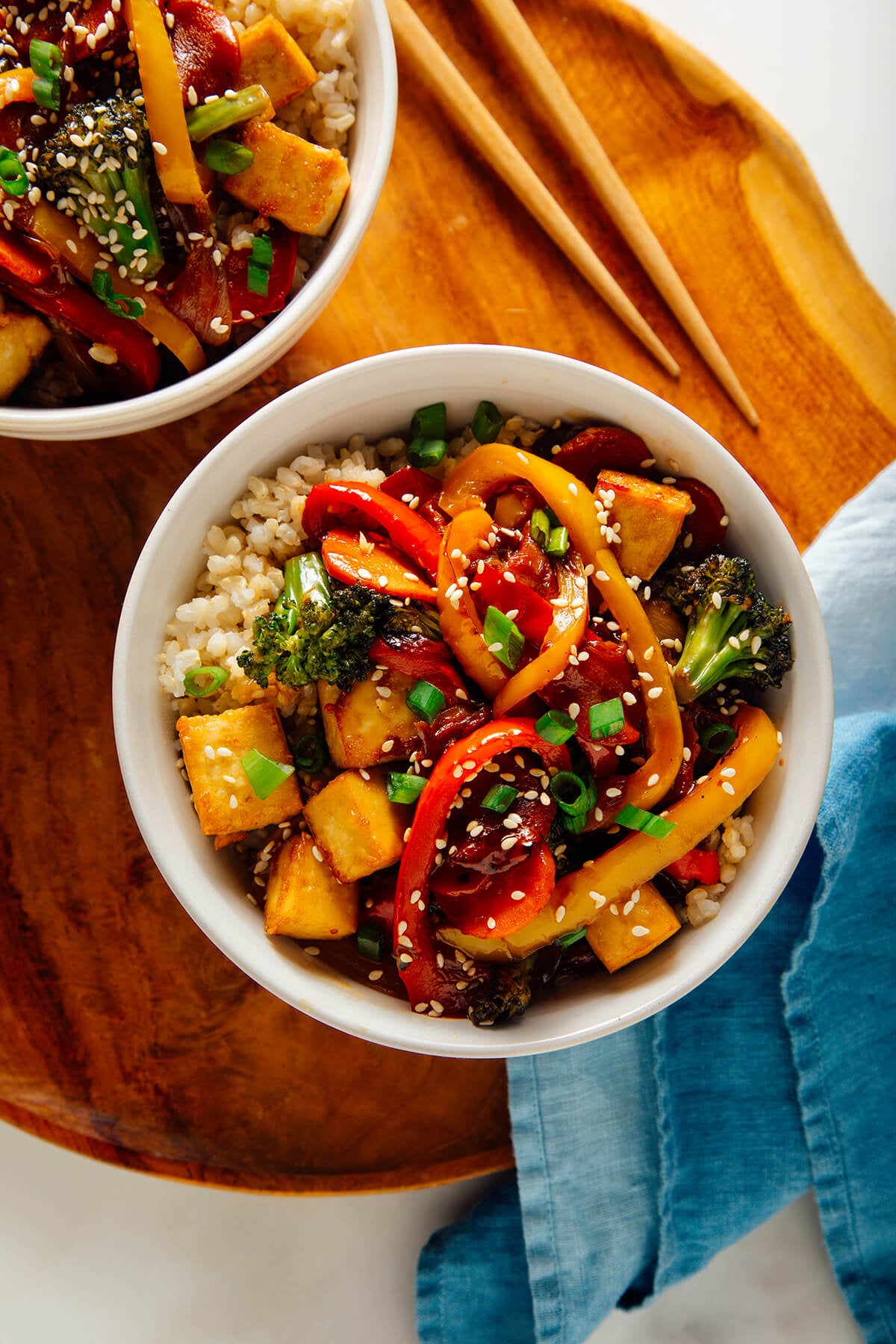
Stir-frying, or "chǎo" (炒) in Mandarin, is a fundamental Chinese cooking technique that has roots stretching back centuries. Its origins are often traced to the Han Dynasty (206 BC – 220 AD), though it became widely popular during the Ming Dynasty (1368–1644) as a practical and efficient method for cooking food. The technique was particularly valued for its ability to cook ingredients rapidly over intense heat, thereby conserving precious fuel resources like wood or charcoal, a significant concern in historical Chinese households. This efficiency also contributed to nutrient retention, as vegetables were cooked quickly, preserving their crispness and vitamin content.
Central to traditional stir-frying is the wok, a large, round-bottomed cooking vessel designed to distribute heat evenly and allow for constant agitation of ingredients. The wok’s unique shape facilitates the "wok hei" (鑊氣), or "breath of the wok," a coveted smoky, caramelized flavor imparted to food cooked at extremely high temperatures. Achieving genuine wok hei requires powerful burners and skilled manipulation of the wok, often involving tossing ingredients high into the air. For centuries, this technique remained largely within professional kitchens and specific cultural contexts, challenging home cooks who lacked the specialized equipment or the extensive training required to master it. The proliferation of Western-style kitchens, often equipped with electric or standard gas ranges and flat-bottomed pans, further complicated attempts to replicate authentic stir-fry experiences at home.
The Modern Culinary Landscape and the Demand for Adaptation
In the 21st century, global culinary exchange has brought stir-fries into mainstream Western diets, celebrated for their versatility, health benefits, and speed of preparation. However, the disconnect between traditional methods and domestic capabilities has persisted. Many home cooks aspire to replicate the fresh, vibrant flavors of takeout stir-fries but are deterred by the perceived difficulty or the need for specialized equipment. Surveys indicate that a significant portion of home cooks (up to 60% in some studies on cooking habits) prioritize convenience and minimal cleanup when selecting recipes. Furthermore, there’s a growing emphasis on healthy eating, with vegetable-rich dishes like stir-fries aligning perfectly with dietary recommendations.
This evolving culinary landscape has spurred innovation, leading to adaptations that make complex techniques accessible. The Cookie and Kate method represents a significant development in this trend, providing a practical solution for busy individuals seeking nutritious, flavorful meals without investing in a wok or risking smoke detector alarms. It taps into the broader movement of "democratizing" global cuisine, making diverse flavors achievable with standard kitchen tools.
The Innovative Skillet-Based Methodology: A Hybrid Approach
The core of the Cookie and Kate stir-fry innovation lies in its hybrid cooking method, which ingeniously combines elements of searing and steaming within a conventional large skillet. Unlike the continuous high-heat agitation of a wok, this approach utilizes a medium-high heat setting and a covered pan for an initial phase.
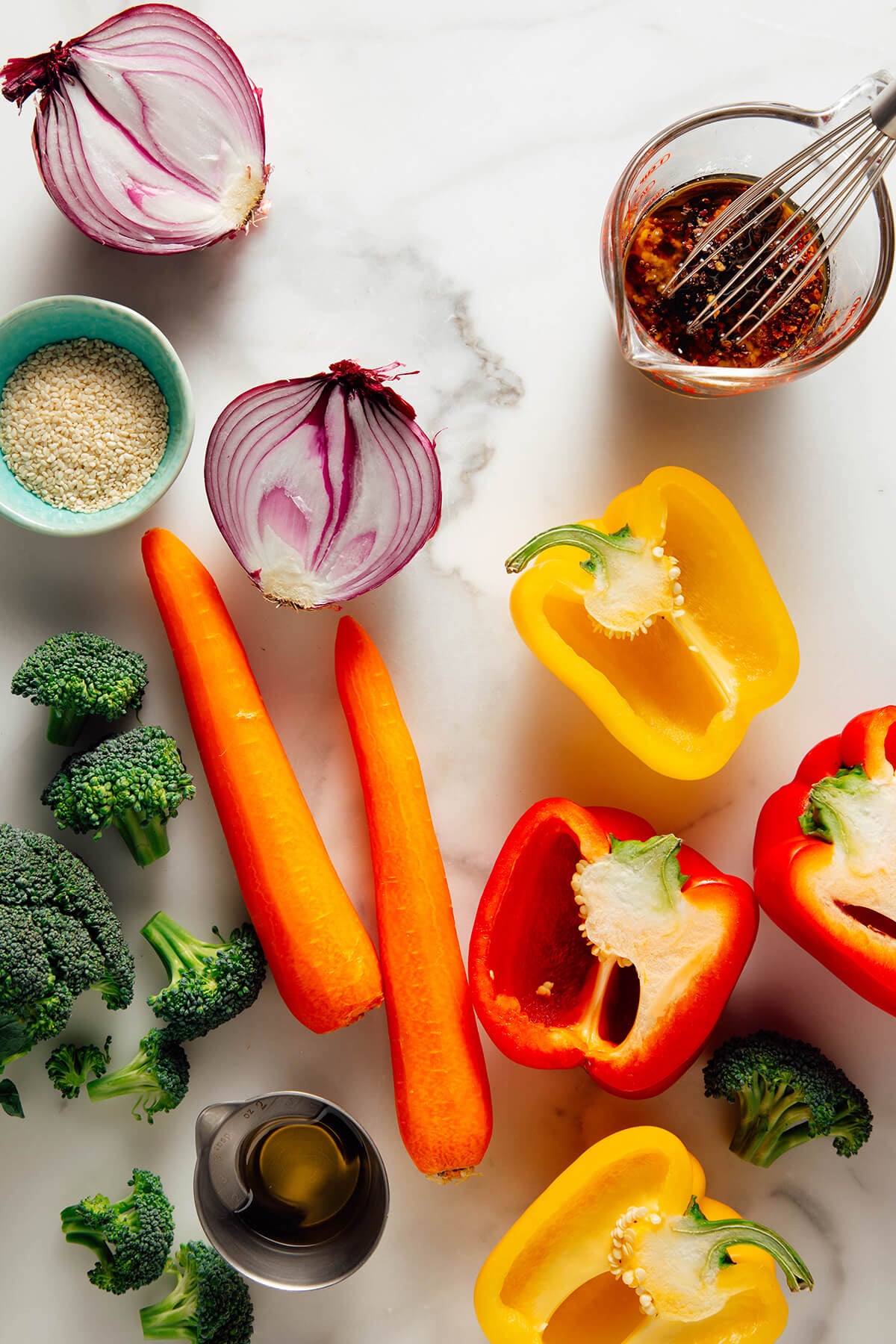
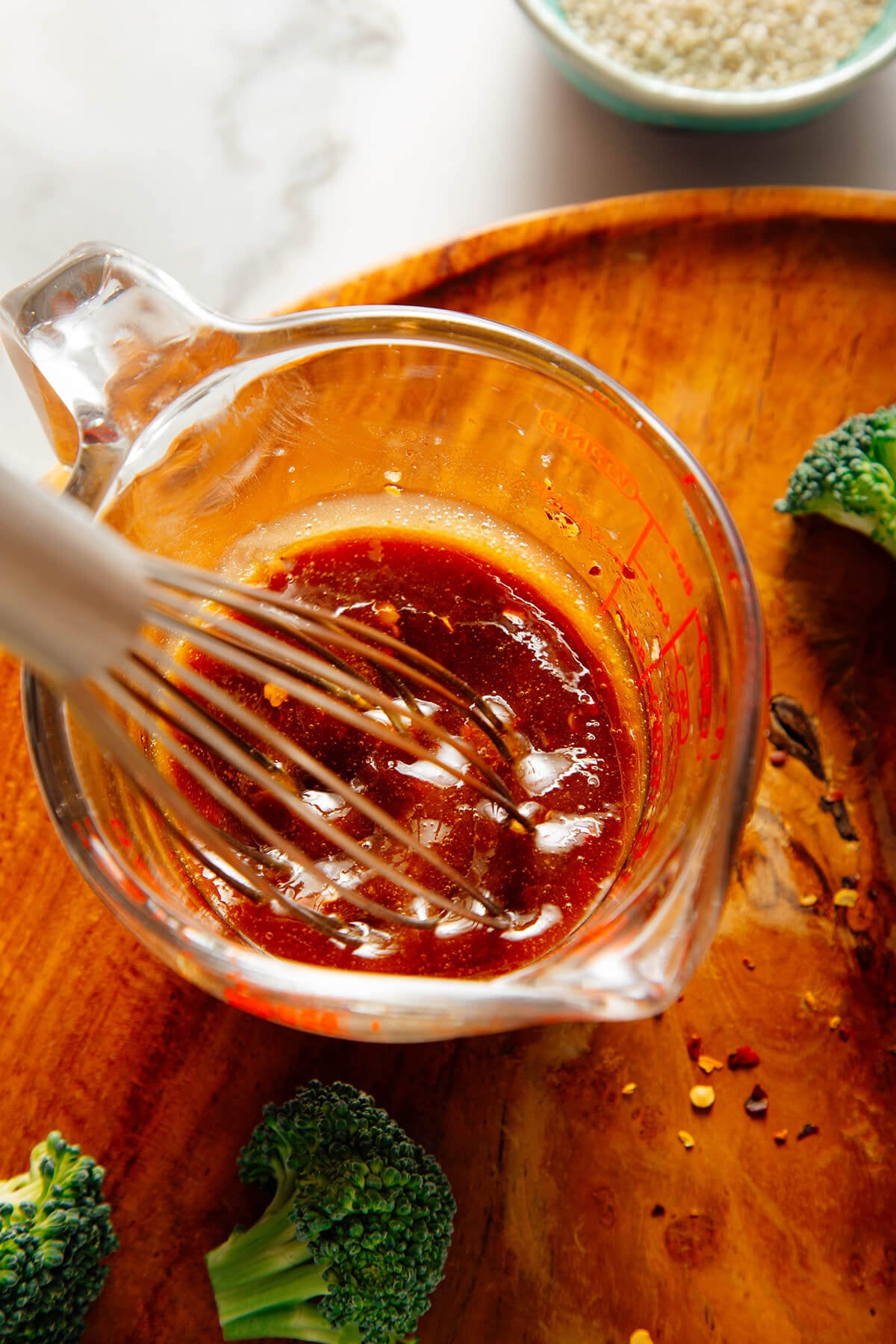
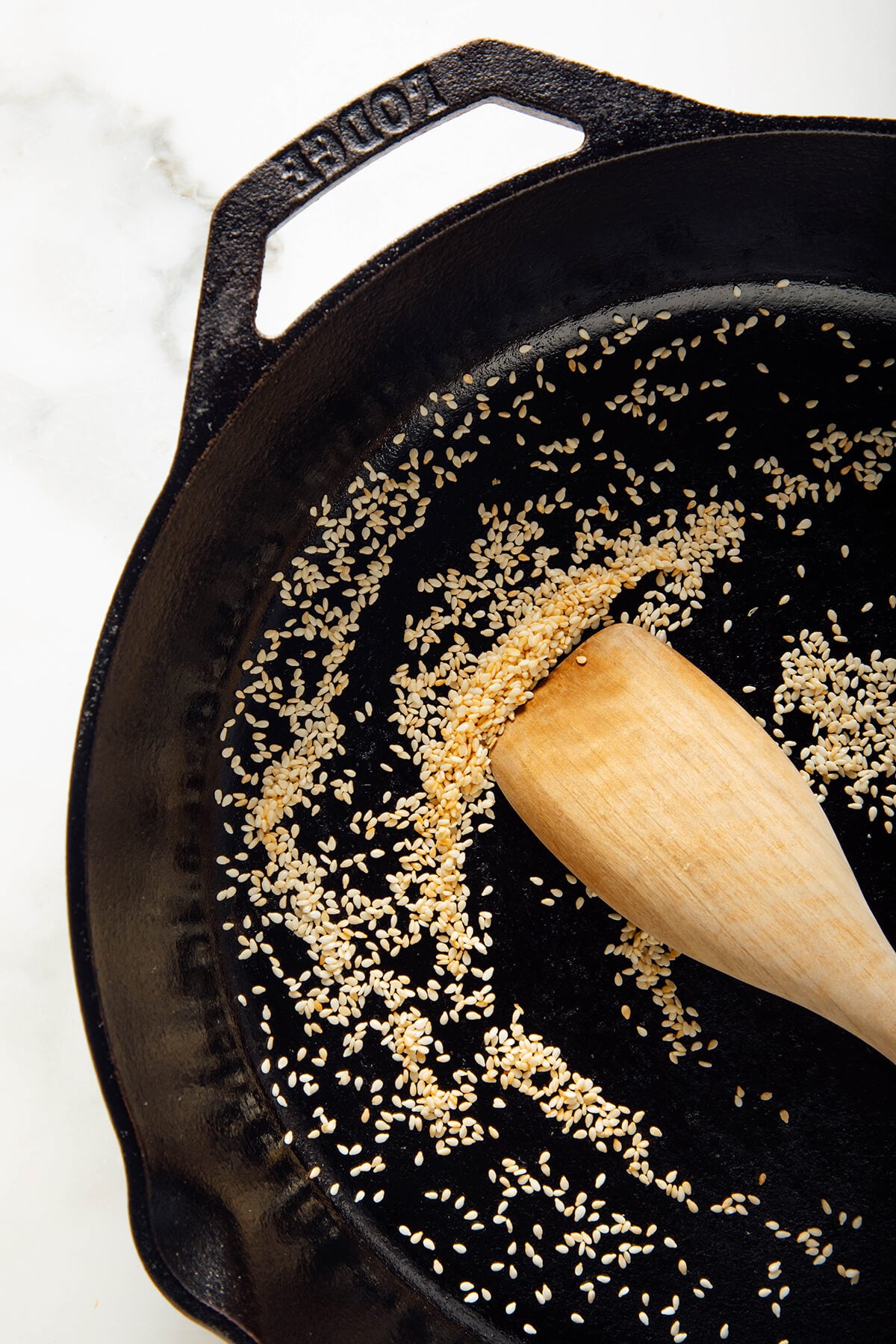
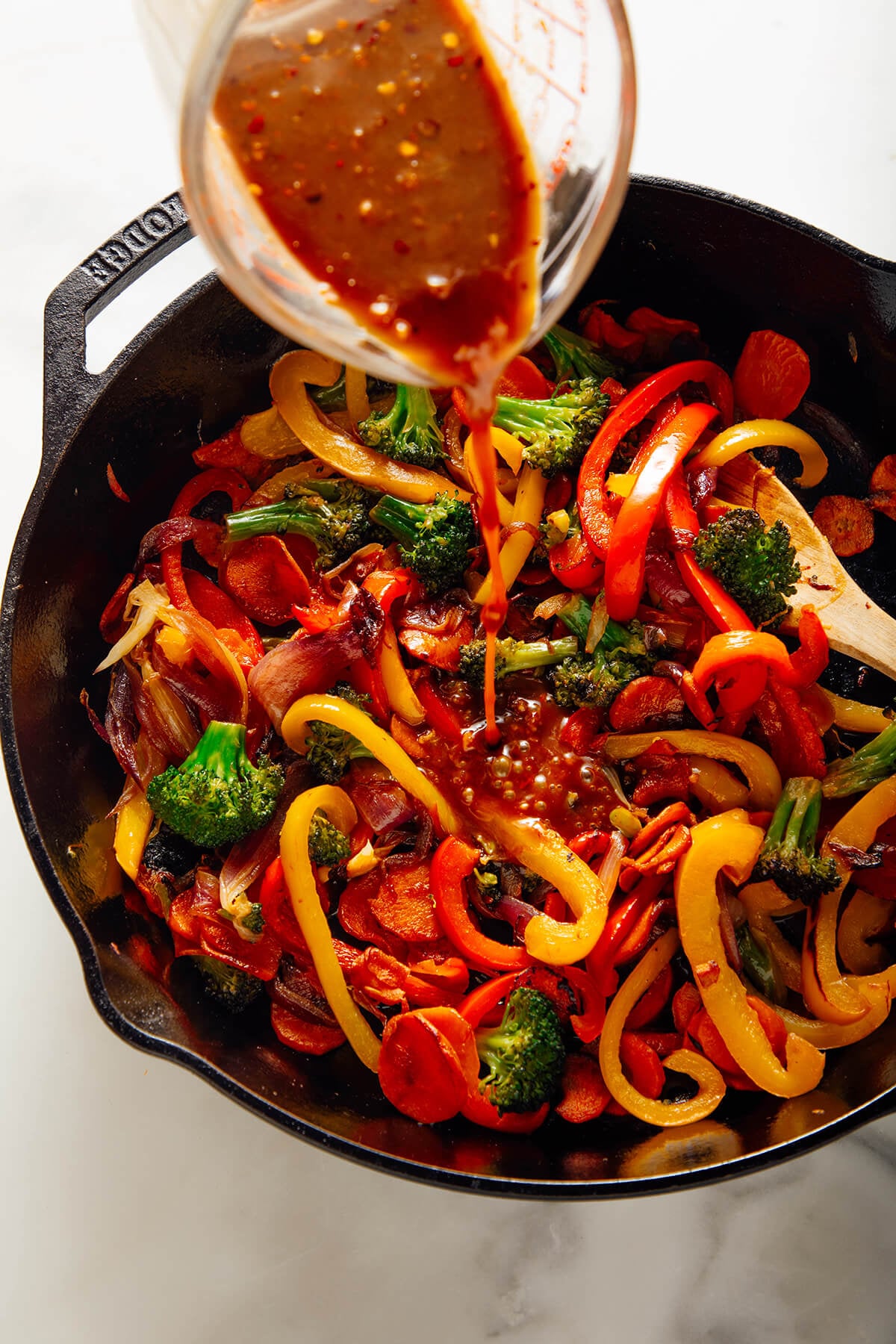
The process typically begins with the preparation of a savory-leaning sauce, often incorporating ingredients like tamari, which provides a rich umami depth without excessive sweetness, appealing to a broad palate. Concurrently, vegetables such as broccoli, bell pepper, carrot, and red onion are precisely chopped to ensure uniform cooking. The initial step involves briefly searing the vegetables in a large cast iron or stainless steel skillet. Cast iron, known for its superior heat retention, and stainless steel, lauded for its even heating, are recommended due to their ability to achieve the necessary browning without the intense, often uncontrolled, heat of a wok.
Following the initial sear, the pan is covered, allowing the vegetables to steam gently in their own moisture. This crucial step serves multiple purposes:
- Ensuring Tenderness: The steam penetrates the vegetables, softening them to a "fork-tender" consistency while preventing burning or excessive charring that can occur with prolonged high-heat exposure in a skillet.
- Flavor Concentration: The trapped steam and heat facilitate the breakdown of vegetable cell walls, releasing natural sugars and intensifying flavors.
- Controlled Browning: The initial searing provides desirable caramelization (Maillard reaction) on the exterior of the vegetables, contributing to flavor and visual appeal, which is then locked in and preserved by the steaming process.
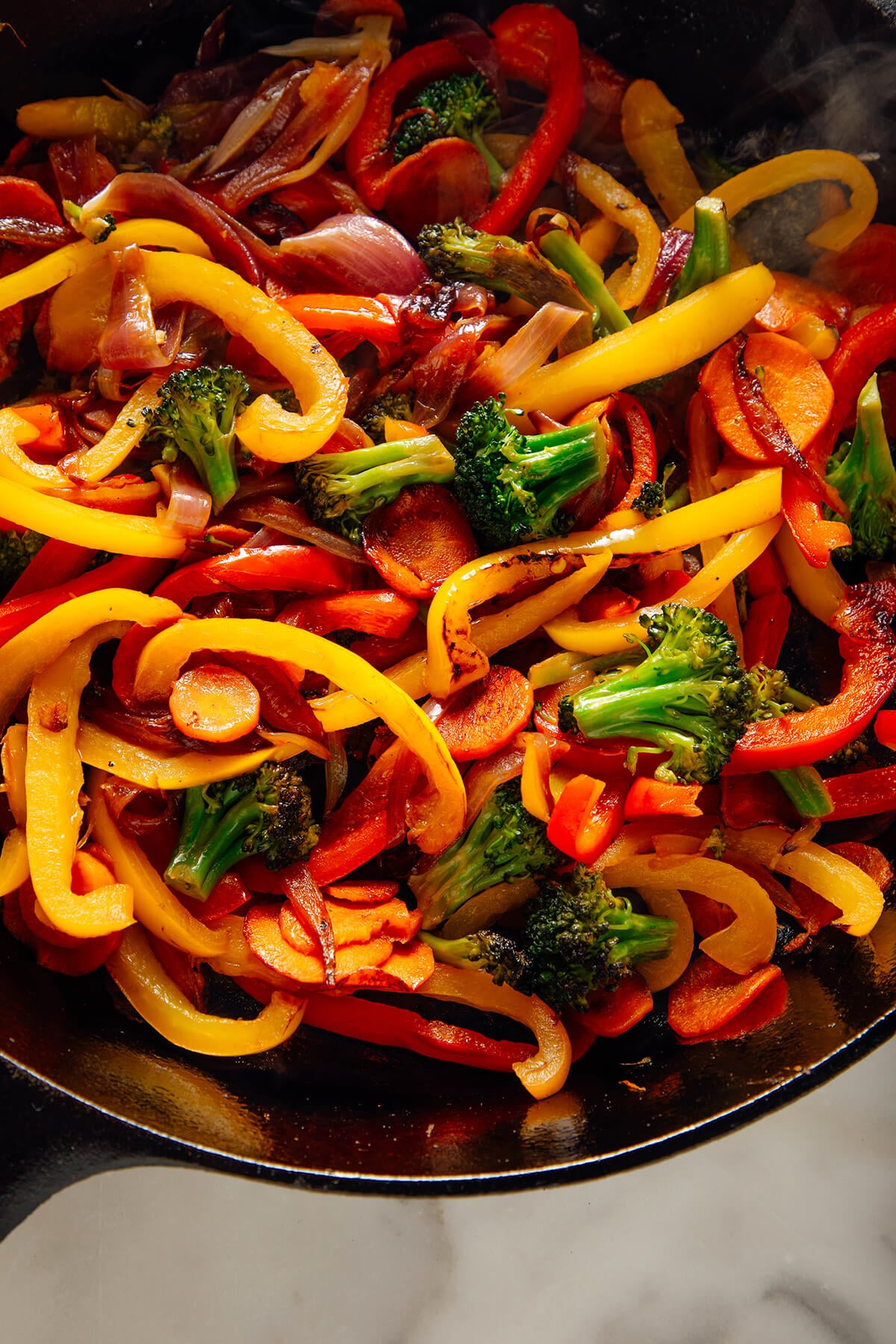
After this brief steaming period, the lid is removed, and the vegetables are allowed to continue cooking, often with a slight increase in heat, to evaporate any residual moisture and achieve a final crisp-tender texture. The prepared sauce is then introduced, coating the vegetables in a glossy, flavorful glaze. The combination of initial searing and subsequent steaming ensures that vegetables are cooked through without becoming mushy, retaining their vibrant colors and appealing texture, a common challenge in home stir-frying.
This method draws parallels to other adaptive cooking techniques, such as the preparation of fajita vegetables, which similarly use a covered pan to achieve tenderness before a final sear. Culinary experts suggest that such hybrid methods are essential for bridging the gap between traditional cooking arts and the realities of modern home kitchens, where versatility and ease of execution are paramount.
Nutritional Profile and Ingredient Versatility
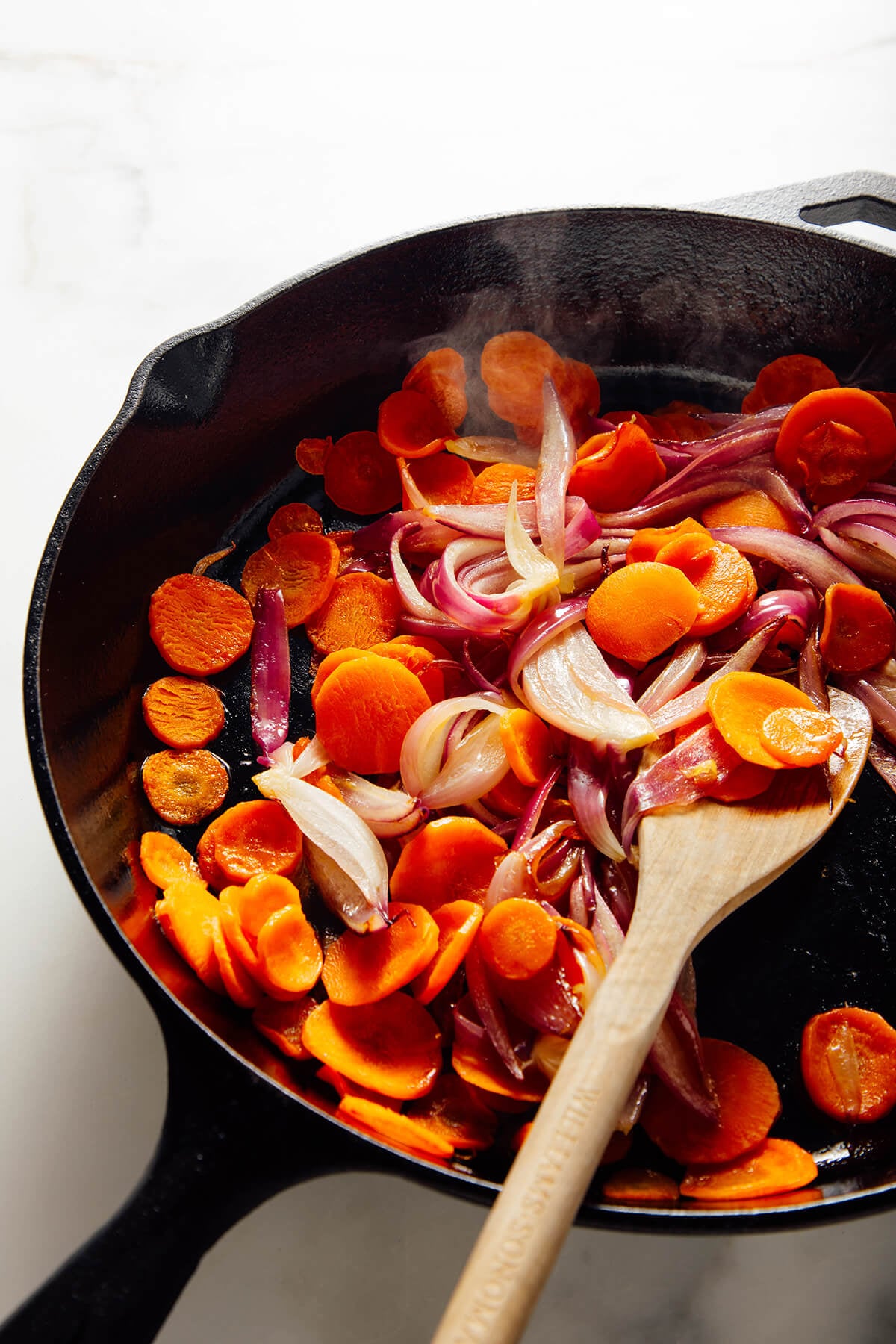
A significant advantage of this skillet stir-fry method is its inherent flexibility and strong nutritional profile. The base recipe, featuring broccoli, bell pepper, carrot, and red onion, provides a rich array of vitamins, minerals, and dietary fiber. Broccoli is a powerhouse of Vitamin C and K, bell peppers offer antioxidants, carrots are renowned for beta-carotene, and red onions contribute allicin compounds.
The recipe strongly advocates for seasonal variation, encouraging cooks to swap vegetables based on availability and personal preference. This adaptability not only supports sustainable eating practices by utilizing fresh, local produce but also allows for continuous culinary exploration. Suggestions for alternative vegetables include:
- Snap peas or snow peas: Adding a crisp, sweet element.
- Green beans: Providing a robust texture and earthy flavor.
- Bok choy or napa cabbage: Offering a delicate crunch and mild taste, absorbing the sauce beautifully.
- Asparagus: A seasonal favorite, lending a distinct, slightly bitter note.
- Broccolini: A milder, more tender alternative to broccoli.
- Zucchini or yellow squash: Contributing a softer texture and subtle sweetness.
This emphasis on customization empowers individuals to tailor the dish to their specific dietary needs and preferences, whether aiming for increased fiber, a particular vitamin boost, or simply utilizing whatever fresh produce is on hand. Nutritionists often highlight the importance of "eating the rainbow" to ensure a wide spectrum of nutrients, and a versatile stir-fry recipe facilitates this goal. The recipe explicitly advises against mushrooms, noting that the steaming method may not yield optimal results for their unique texture, underscoring the thoughtful development behind the technique.
Serving Suggestions and Lifestyle Integration
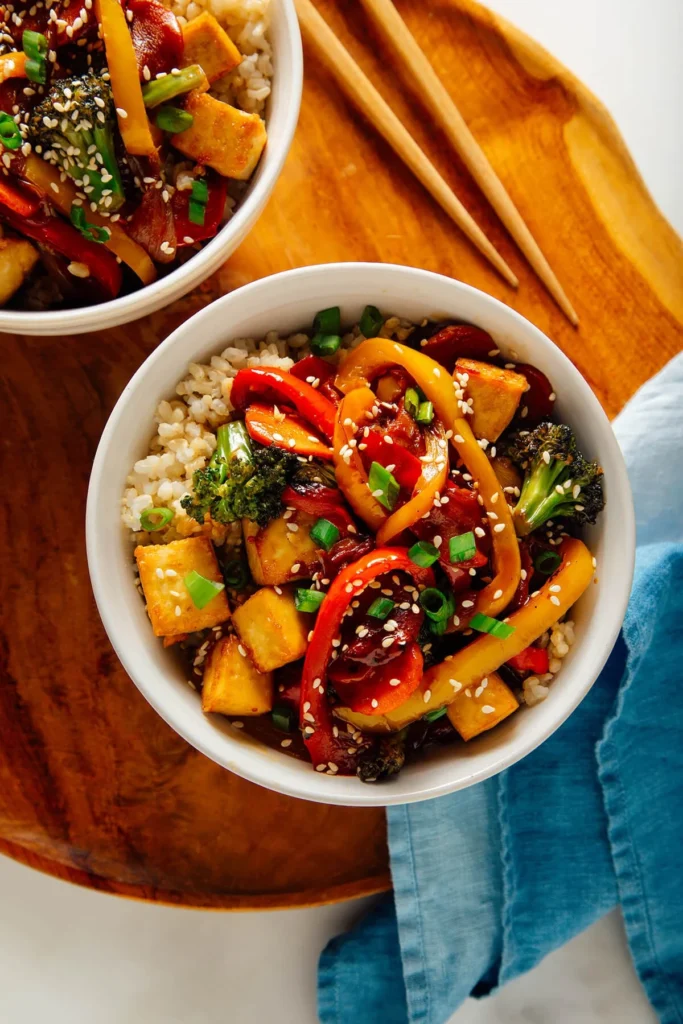
Beyond its preparation, the stir-fry’s utility extends to its versatility in serving. While it functions exceptionally well as a standalone vegetable side dish, its robust flavor and texture make it an ideal foundation for a complete meal. Common recommendations include serving it over cooked rice, such as brown rice, to provide complex carbohydrates and a satisfying base. The inclusion of protein sources transforms it into a balanced main course. Popular protein additions include:
- Crispy baked tofu: A plant-based option that absorbs flavors well and adds textural contrast.
- Fried or scrambled eggs: Offering a quick and accessible protein boost.
- Chicken or shrimp: For those seeking animal protein, these can be cooked separately and added to the finished stir-fry.
The final garnish of green onions and toasted sesame seeds not only enhances visual appeal but also introduces layers of fresh, aromatic, and nutty flavors, elevating the dish beyond typical homemade fare. The ability of the stir-fry to keep well for up to four days and reheat easily in a microwave positions it as an excellent candidate for meal prepping, aligning with contemporary lifestyle trends focused on convenience and efficiency. This makes it particularly appealing for individuals with demanding schedules who still prioritize healthy, home-cooked meals.
Broader Implications and Culinary Accessibility
The emergence of such adapted recipes holds significant implications for the broader culinary landscape. By simplifying traditionally complex techniques, these innovations foster greater culinary confidence among home cooks, potentially encouraging more people to engage in cooking from scratch. This can lead to numerous benefits:
- Improved Nutritional Outcomes: Home-cooked meals generally contain fewer unhealthy fats, sugars, and sodium compared to restaurant or takeout options, contributing to better public health.
- Cost Savings: Cooking at home is often more economical than frequent dining out, offering financial advantages to households.
- Reduced Food Waste: Utilizing seasonal ingredients and adapting recipes to available produce can help minimize food waste.
- Cultural Appreciation: Making ethnic cuisines more approachable allows individuals to explore and appreciate diverse food cultures without intimidation.
The Cookie and Kate stir-fry method exemplifies a growing trend in recipe development that prioritizes user experience and practical application over strict adherence to traditional, often resource-intensive, culinary practices. It reflects a shift towards empowering the everyday cook with tools and techniques that yield satisfying results within the constraints of a standard kitchen, thereby enriching the tapestry of global home cooking. As consumers increasingly seek healthy, flavorful, and convenient meal solutions, such innovative adaptations are likely to play an ever more crucial role in shaping future culinary habits and preferences. The ongoing feedback mechanisms, such as comments sections on recipe platforms, further contribute to the refinement and popularization of these accessible cooking methodologies, ensuring their continued relevance and impact.