







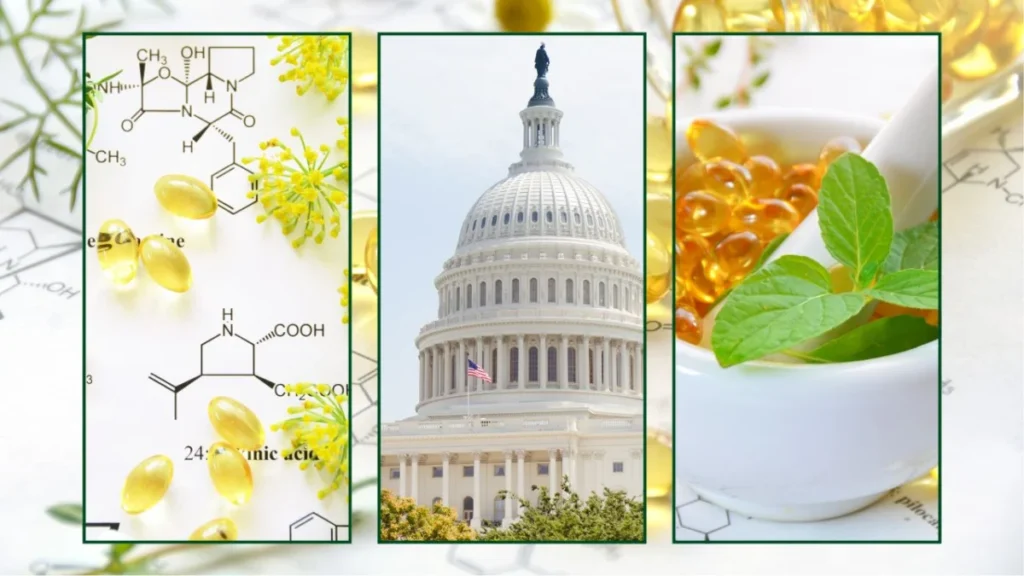
The U.S. Food and Drug Administration (FDA) convened a pivotal public meeting on March 27, 2024, to address the increasingly complex landscape of the dietary supplement industry. As scientific advancements introduce novel ingredients and sophisticated manufacturing processes, stakeholders are engaging in robust discussions about the adequacy of existing regulatory frameworks and definitions. The meeting, focused on the scope of dietary ingredients, brought together a diverse group of industry representatives, consumer advocates, and regulatory officials to grapple with how the definition of a "dietary supplement" should adapt to an era of rapid innovation, while prioritizing consumer safety and clear oversight.
At the heart of the debate lies the interpretation of the Dietary Supplement Health and Education Act of 1994 (DSHEA). Enacted nearly three decades ago, DSHEA defines a dietary supplement as "a dietary substance for use by man to supplement the diet by increasing the total dietary intake." While this definition has served as the cornerstone of the industry, the emergence of new scientific disciplines and manufacturing techniques has led many to question its current applicability and scope. The prevailing sentiment among many attendees at the FDA’s public hearing was a call to broaden this definition to encompass substances not traditionally found in the common food supply, coupled with a strong demand for enhanced clarity and stringent safety protocols.
Loren Israelsen, President of the United Natural Products Alliance (UNPA), articulated this perspective, stating, "Our job now in comments is to make the case (for expanding the definition)." This sentiment underscores the industry’s proactive stance in advocating for regulatory evolution that reflects current scientific realities and consumer needs. The comment period for this crucial discussion remained open until April 27, 2024, under docket FDA-2026-N-2047, allowing for further input from interested parties.
FDA’s Call for Adaptable Regulatory Frameworks
The meeting commenced with opening remarks from key FDA leaders who emphasized the critical need for regulatory frameworks to evolve in tandem with industry innovation. Cara Welch, Ph.D., director of the Office of Dietary Supplements Programs (ODSP), provided a comprehensive overview of the existing definitions of "dietary supplement" and "dietary substance." She highlighted a crucial distinction: the mere use of a substance as a dietary supplement does not automatically classify it as a dietary substance under current regulatory interpretations.
Dr. Welch set the agenda for the day, posing critical questions about how the definition of a dietary supplement should be expanded to accommodate recent industry advancements. Her remarks underscored the dual imperative of ensuring robust safety oversight for consumers while simultaneously removing unnecessary barriers that could stifle innovation. "We must ensure robust safety oversight and remove unnecessary barriers to innovation," Dr. Welch asserted, signaling the FDA’s commitment to a balanced approach.
Kyle Diamantas, deputy commissioner for Human Foods at the FDA, further reinforced this sentiment, stressing the agency’s need to be "nimble and adaptable" in its response to the dynamic nature of the supplement industry. He articulated the FDA’s overarching goal: to "ensure a safe and thriving dietary supplement marketplace for all." This statement reflects a recognition of the significant economic and health-related impact of the dietary supplement sector, which has experienced substantial growth over the past decades. The global dietary supplements market, valued at over USD 150 billion in 2023, is projected to continue its upward trajectory, underscoring the importance of effective and responsive regulation.
Consumer Advocates’ Call for Caution and Clarity
In contrast to the industry’s push for expansion, representatives from consumer advocacy groups voiced concerns regarding the current state of regulation and the potential implications of an overly broad definition. Jensen Jose, senior regulatory counsel at the Center for Science in the Public Interest (CSPI), emphasized the paramount importance of safety and efficacy, stating, "We need to make sure dietary supplements are safe and actually do the thing they claim to do."
Jose highlighted the sheer scale of the current market, noting that approximately 90,000 supplement products are available to consumers. This vast number, he argued, presents a significant challenge for the FDA’s ability to adequately regulate the industry. His core recommendation was to prioritize enhancing the safety of the existing market rather than expanding the types of substances permitted in supplements.
The crux of Jose’s argument revolved around the concept of "dietary substances" being intrinsically linked to what is commonly found in food and drink. He questioned the logic of expanding the definition to include substances outside the typical diet, posing a direct challenge: "If the definition can include substances outside the diet, what was the purpose of having it tied to diet in the first place?" This point sparked considerable debate during the Q&A session, with attendees discussing nuanced examples, such as whether compounds found in breast milk should be considered permissible dietary ingredients, given its role as a fundamental food source for infants.
Furthermore, Jose pointed to a widespread consumer misconception: many individuals believe dietary supplements are regulated with the same rigor as prescription drugs. "Consumers cannot trust supplements in the way they trust drugs," he stated, underscoring a critical gap in public understanding. Consequently, Jose advocated for a primary focus on "build[ing] consumer trust in FDA oversight" through more robust enforcement and clearer communication.
Industry Voices: The Case for Flexibility and Existing Strength
Representatives from industry associations largely defended the current framework of DSHEA, arguing that it provides sufficient flexibility while emphasizing the need for clearer guidance rather than wholesale redefinition. Daniel Fabricant, Ph.D., president and CEO of the Natural Products Association (NPA), countered the notion that DSHEA is fundamentally flawed. "DSHEA works and works incredibly well," Fabricant asserted. "DSHEA is not fundamentally broken."
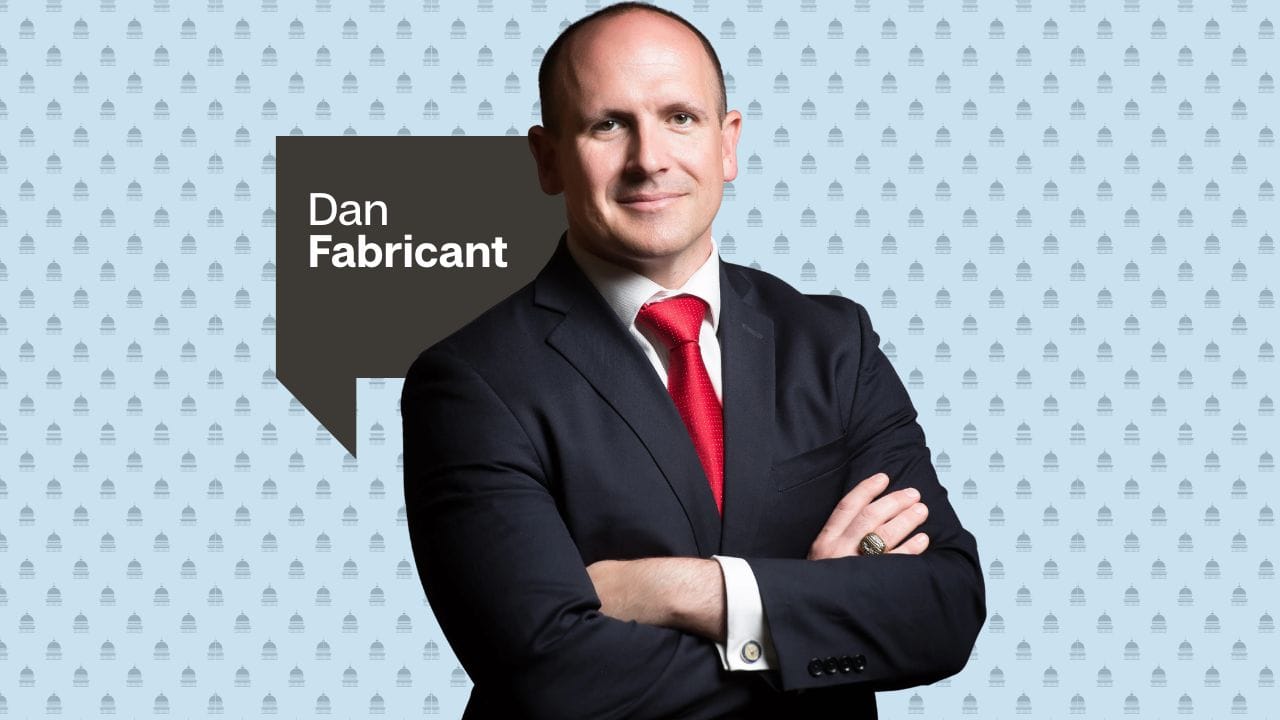
Fabricant pointed out that DSHEA’s definition does not explicitly cover certain prevalent ingredients, such as live probiotics or microbials, making their pathway to market less clear. He noted that these ingredients are often derived from fermented foods or even human sources, raising questions about their inclusion within the "food supply" definition. He used the example of beneficial bacteria isolated from human milk, which are frequently sold as dietary supplements. "We don’t buy breast milk at the grocery store," Fabricant remarked, illustrating the complex distinctions consumers and regulators face.
His perspective centered on the idea that innovation should not be hindered. Instead, the focus should be on leveraging existing regulatory authorities and supporting the industry’s efforts to provide beneficial products. "Advancing ingredients to promote health and wellness doesn’t make a dietary ingredient a drug," Fabricant concluded, advocating for a regulatory approach that acknowledges the distinct nature of dietary supplements.
The Impact of Manufacturing Innovations on Regulatory Definitions
A significant portion of the public meeting was dedicated to exploring the implications of advancements in ingredient manufacturing. Panels discussed novel technologies such as plant cell culture and precision fermentation, and the necessity of modernizing regulatory definitions to accommodate these developments.
Wesley Glenn, Ph.D., vice president of innovation at Ayana Bio, highlighted the variability in the composition of botanicals due to factors like growing conditions and cultivation methods. He cited ginseng and saffron as examples of inherent diversity within species. Plant cell cultivation, he explained, offers optimized conditions to ensure consistent concentrations of key active components, a significant advantage over traditional agricultural methods. Glenn also cautioned against assumptions about safety, stating, "Just because it’s grown in the ground doesn’t mean it’s safe. Just because it’s grown in a tank doesn’t mean the phytocomplex is novel." This underscored that the source or method of production does not inherently guarantee safety or novelty.
Duffy MacKay, senior vice president of dietary supplements for the Consumer Healthcare Products Association (CHPA), echoed the importance of DSHEA’s inherent flexibility. He cited tartaric acid as an example, noting that the synthetic production of tartaric acid did not introduce new safety concerns compared to its naturally occurring counterpart derived from winemaking byproducts. MacKay also referenced the acceptance of New Dietary Ingredient (NDI) notifications for synthetic zeaxanthin and hydroxycitric acid without objection, emphasizing the need for clear NDI guidance that accommodates bioidentical compounds. "Manufacturing methods inform safety assessment but do not preclude evaluation as NDI," MacKay stated, advocating for NDI evaluations irrespective of the manufacturing process or prior presence in the diet.
Anthony Pavel, a partner at Keller and Heckman, concurred, posing the question, "Should the manufacturing method matter? No, as long as the appropriate evaluation has been done on that ingredient and manufacturing method." Discussions also touched upon precision fermentation, a technique used to produce bioactive compounds and proteins, which may not fit neatly within current regulatory frameworks for dietary substances.

Navigating the Complexities of Probiotics and Other Novel Ingredients
Probiotics emerged as a particularly prominent and complex topic during the public meeting. A dedicated panel addressed the regulatory status of probiotics, proteins, and enzymes, none of which are definitively established as dietary supplements under existing definitions. Amy Smith, senior director of medical affairs at Kerry North America and president of the International Probiotics Association (IPA), explained that probiotics, as a category, were not clearly defined until 2001.
Smith noted that the FDA’s current interpretation of a "dietary substance" often implies intentional constituents of food. She advocated for the validation of probiotics at the strain level, drawing an analogy to the distinct characteristics of different dog breeds to illustrate the importance of specificity. Andrea Wong, Ph.D., senior vice president and chief science officer at the Council for Responsible Nutrition (CRN), supported this approach to establishing safety. "A more inclusive approach to NDI notification and removing barriers to innovation will give the FDA more oversight," Wong suggested, highlighting the potential for enhanced regulatory control through a more accommodating process.
Public Comments: A Collective Call for Clarity and Expansion
The concluding public comments reinforced a consistent theme: the urgent need to clarify and expand the definition of "dietary ingredient" to encompass a broader range of substances beyond those traditionally found in the food supply. Megan Olsen, senior vice president and general counsel for CRN, argued that the current definition does not mandate the presence of an ingredient in the food supply and should remain flexible as long as the substance serves to supplement the diet. "I want to urge the FDA to align its interpretation of dietary supplements with its plain language and its legislative history," Olsen urged. "Doing so will support both regulatory clarity and the continued safety and innovation of these dietary supplements on the marketplace."
Graham Rigby, president and CEO of the American Herbal Products Association (AHPA), underscored the importance of embracing innovation and industry evolution through inclusive definitions. "Dietary ingredient innovation enhances consumer choice and addresses the evolving health needs of American consumers," Rigby stated. "Regulatory definitions of identity should be driven by substantive safety concerns."
Ivan Wasserman, managing partner at Amin Wasserman Gurnani, framed the issue as one of "statutory interpretation," asserting that under existing laws, dietary substances are not required to be present in the food supply. He further emphasized the intentionality behind the language used in DSHEA, noting that the use of "dietary" rather than "nutritional" was a deliberate choice during the legislative process, as recalled by Israelsen, who participated in DSHEA negotiations.
The consensus among many participants was that the FDA is seeking pathways to modernize supplement regulations, aiming to keep pace with innovation, reduce regulatory burdens, and uphold its mandate of public safety. As Wasserman summarized, "The FDA is looking for ways to modernize supplement regulations to keep up with innovation and reduce regulatory burdens while keeping its mandate of public safety. We are hopeful and optimistic they will carry through with those efforts." The public meeting served as a crucial forum for dialogue, setting the stage for future regulatory considerations that will shape the future of the dietary supplement industry.