










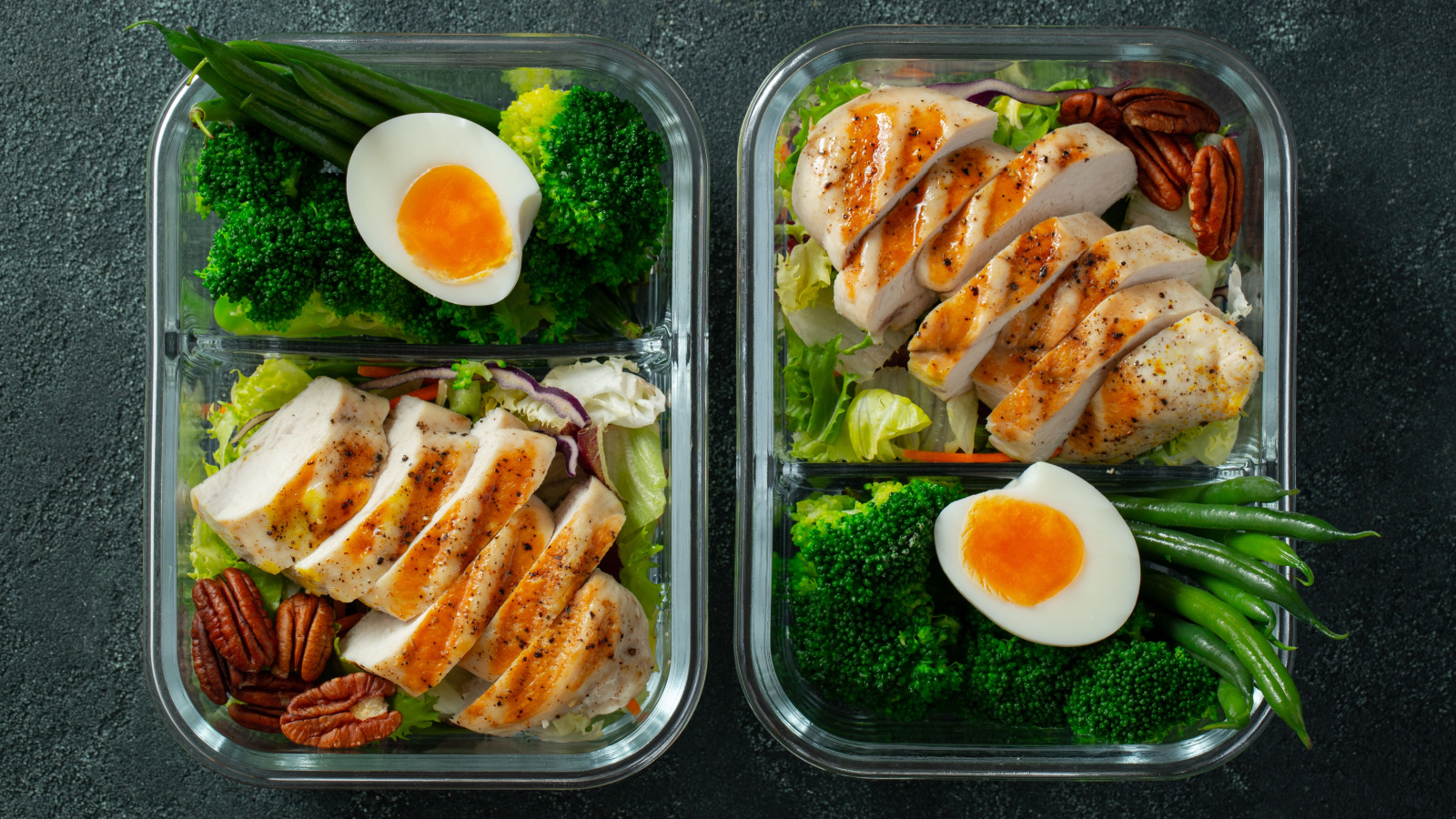
In the contemporary landscape of sports nutrition and clinical dietetics, protein has solidified its status as the primary macronutrient for metabolic health, tissue repair, and skeletal muscle hypertrophy. For athletes, bodybuilders, and fitness enthusiasts, the strategic selection of high-protein, low-carbohydrate foods is often the cornerstone of a goal-oriented nutritional protocol. While the "gym rat" archetype has historically been associated with a monotonous regimen of grilled chicken and broccoli, registered dietitians now emphasize the necessity of dietary variety to ensure micronutrient density, long-term compliance, and physiological optimization.
The metabolic advantages of a protein-forward diet extend beyond mere muscle synthesis. Research indicates that protein possesses a superior Thermic Effect of Food (TEF) compared to fats and carbohydrates. TEF represents the energy expenditure required for digestion, absorption, and disposal of nutrients. While carbohydrates typically elicit a 5% to 10% increase in metabolic rate and fats roughly 0% to 3%, protein can trigger an increase of 20% to 30%. This metabolic "tax" means that a significant portion of protein-derived calories is expended during the digestive process itself, making it a highly efficient tool for body composition management.
The Evolution of Protein-Centric Nutrition: A Chronology
The prioritize-protein movement has undergone a significant transformation over the last five decades. In the mid-20th century, protein consumption among athletes was largely centered on whole-food animal sources, with organ meats like beef liver serving as a dietary staple for early bodybuilders.

By the 1970s and 1980s, the rise of the commercial supplement industry introduced early-generation protein powders, though these were often criticized for poor solubility and taste. The 1990s witnessed a shift toward low-fat "high-carb" diets promoted by federal guidelines, which momentarily sidelined high-protein animal fats. However, the early 2000s saw a resurgence of protein-centric frameworks such as the Atkins and Paleo diets, which redirected public attention toward the satiety and insulin-regulating benefits of reducing carbohydrate intake.
Today, the consensus among organizations like the International Society of Sports Nutrition (ISSN) is that for active individuals, protein requirements far exceed the standard Recommended Dietary Allowance (RDA) of 0.8 grams per kilogram of body weight. Current clinical recommendations for athletes typically range from 1.76 to 2.75 grams per kilogram (approximately 0.8 to 1.25 grams per pound) of body weight, depending on the intensity of the training cycle and the specific physiological objective, whether it be fat loss, maintenance, or mass gain.

Nutritional Profiles of the Top 20 High-Protein, Low-Carb Foods
To achieve these elevated protein targets without excessive caloric intake from carbohydrates, dietitians point to a specific roster of nutrient-dense foods. These selections are categorized by their protein-to-fat ratios and their unique micronutrient profiles.
Poultry and Lean Meats
- Chicken Breast: Often cited as the gold standard for lean protein, chicken breast provides a high concentration of essential amino acids with minimal fat. Its neutral flavor profile makes it a versatile base for various culinary applications.
- Chicken Thighs: Offering a more robust flavor and higher zinc content than the breast, thighs are a moderate-fat alternative that remains low in carbohydrates.
- Pork Chops: A lean source of thiamine (Vitamin B1), pork chops are effective for those seeking to diversify their meat intake beyond poultry and beef.
- Pork Shoulder: While higher in fat, pork shoulder is rich in collagen and provides a dense protein source suitable for slow-cooking methods.
- Ham: Cured and often smoked, ham serves as a convenient, pre-cooked protein. However, dietitians caution consumers to monitor sodium levels in processed varieties.
Red Meats and Organ Meats
- Sirloin Steak: One of the leanest cuts of beef, sirloin provides high-quality protein alongside heme iron, which is more readily absorbed by the body than non-heme iron found in plants.
- Strip Steak: Similar to sirloin in its lean profile, strip steak offers a different texture and flavor while maintaining a low-carbohydrate footprint.
- Ribeye Steak: Known for its marbling, the ribeye is a higher-fat option. While caloric density is increased, it provides fat-soluble vitamins and significant satiety.
- Lean Ground Beef (95/5): By selecting 95% lean varieties, individuals can enjoy the benefits of red meat—including Vitamin B12 and zinc—while strictly controlling fat intake.
- Beef Liver: A "superfood" of the golden era of bodybuilding, liver is exceptionally high in Vitamin A, copper, and B vitamins. Its distinct flavor makes it a polarizing but nutritionally superior choice.
Seafood and Shellfish
- Salmon: Beyond its protein content, salmon is a primary source of Omega-3 fatty acids (EPA and DHA), which are critical for cardiovascular health and reducing systemic inflammation.
- Sardines: These small fish offer a double benefit: high protein and high calcium, as the softened bones are typically consumed. They are also among the lowest-mercury seafood options.
- Tuna: Whether fresh or canned, tuna is almost entirely protein. Dietitians recommend water-packed varieties for those seeking the lowest possible fat and carb counts.
- Shrimp: With a very low calorie-to-protein ratio, shrimp allows for high-volume consumption, which can assist in psychological satiety during caloric deficits.
Dairy and Eggs
- Whole Eggs: Containing the most bioavailable form of protein (leucine), eggs also provide choline, which is essential for brain health.
- Egg Whites: For those needing to hit high protein targets without the added fat of the yolk, pasteurized egg whites offer a pure protein source that can be added to shakes or scrambles.
- Cottage Cheese: A rich source of casein protein, cottage cheese is often consumed before sleep due to its slow-digesting nature, providing a steady stream of amino acids throughout the night.
- Greek Yogurt: By straining the whey, Greek yogurt achieves double the protein of traditional yogurt. It also provides probiotics, which support the gut microbiome.
Specialized Supplements
- Whey Protein Powder: A byproduct of cheesemaking, whey is rapidly absorbed, making it the ideal choice for post-workout recovery when muscle protein synthesis needs to be triggered quickly.
- Casein Protein Powder: The "slow" counterpart to whey, casein gels in the stomach, leading to a prolonged release of nutrients and increased feelings of fullness.
Supporting Data: Satiety and Metabolic Impact
The efficacy of these foods is supported by the "Protein Leverage Hypothesis," which suggests that the human body will continue to signal hunger until a specific protein threshold is met. By prioritizing the 20 foods listed above, individuals may naturally reduce their overall caloric intake because protein suppresses ghrelin (the hunger hormone) while stimulating peptide YY and cholecystokinin (hormones that signal fullness).
In a clinical study published in the American Journal of Clinical Nutrition, subjects who increased their protein intake to 30% of their total calories consumed 441 fewer calories per day on average and lost significant body fat without intentional calorie counting. This data underscores the "passive" weight-management benefits of a high-protein, low-carb approach.

Implementation and Sample Nutritional Programming
To illustrate the practical application of these foods, dietitians often design "sample days" for athletes. For a 200-pound individual aiming for 3,500 calories with a focus on 1.25 grams of protein per pound, the distribution of these foods must be strategic.
Morning Phase: A combination of whole eggs and egg whites provides a high-leucine start to the day, paired with slow-digesting carbohydrates like oats to fuel morning activity.
Mid-Day Phase: Lean sources such as chicken breast or tuna allow for a high-protein lunch that does not cause the "lethargy" often associated with high-fat or high-carb mid-day meals.
Evening Phase: Higher-fat proteins like ribeye or salmon are often reserved for dinner, as the fats can slow digestion and provide satiety through the evening hours.
Supplementation: Whey protein is utilized immediately following resistance training, while casein or cottage cheese is utilized as a final meal to prevent muscle protein breakdown during the fasting hours of sleep.
Official Responses and Broader Implications
The shift toward high-protein, low-carb food choices has met with a range of responses from the medical community. While the American Heart Association (AHA) has historically cautioned against excessive red meat intake, recent literature has nuanced this stance, distinguishing between processed meats (like deli meats with high nitrates) and unprocessed lean cuts (like sirloin).
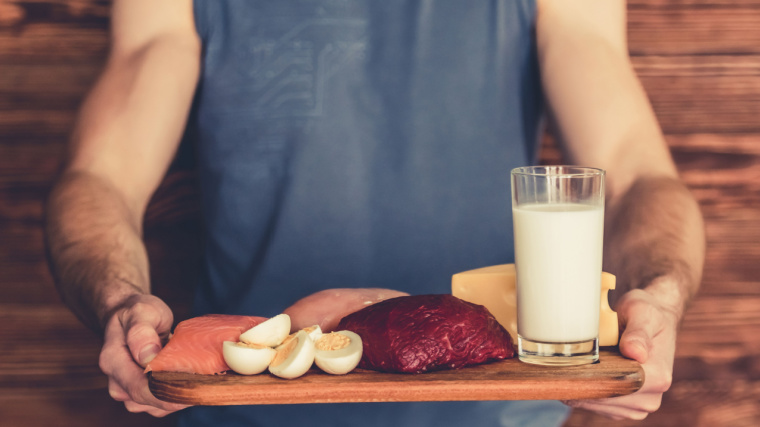
Registered dietitians emphasize that the "low-carb" aspect of this diet should not be misinterpreted as "no-carb." Carbohydrates remain the primary fuel for high-intensity glycolytic exercise. However, by selecting protein sources that are inherently low in carbs, individuals gain "macro-room" to choose high-quality, fibrous carbohydrate sources like leafy greens, berries, and cruciferous vegetables.
The broader implication of adopting this diverse list of 20 foods is the mitigation of "dietary fatigue." The psychological failure of many nutritional plans is rooted in boredom. By rotating between seafood, various cuts of meat, and dairy, an individual can maintain the metabolic advantages of a high-protein diet indefinitely. As the fitness industry continues to evolve, the integration of clinical dietetics with culinary creativity remains the most viable path toward sustainable health and performance.