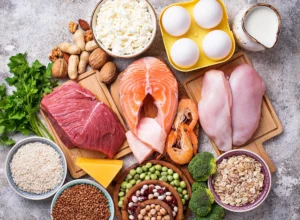










Nutritional science has undergone a significant paradigm shift over the last three decades, moving away from the carbohydrate-heavy "food pyramid" of the 1990s toward a more nuanced understanding of macronutrient distribution. For athletes, bodybuilders, and health-conscious individuals, protein has emerged as the cornerstone of metabolic health and tissue synthesis. While the average sedentary adult requires a modest amount of protein to maintain basic biological functions, those engaged in regular physical activity often require significantly higher intakes to facilitate muscle repair and hormonal regulation. Registered dietitians now frequently advocate for a high-protein, low-carbohydrate approach to help clients manage satiety, increase metabolic rate, and preserve lean muscle mass during weight-loss phases.
The biological importance of protein extends beyond mere muscle building. It is essential for the production of enzymes, hormones, and neurotransmitters. Furthermore, protein possesses a higher Thermic Effect of Food (TEF) compared to fats and carbohydrates. Research indicates that the body expends significantly more energy processing protein—approximately 20% to 30% of the calories consumed—whereas carbohydrates require only 5% to 10% and fats 0% to 3%. This metabolic advantage, combined with protein’s superior ability to trigger satiety hormones like peptide YY and cholecystokinin, makes it a critical tool for weight management and body recomposition.
The Evolution of High-Protein Dietary Standards
The history of high-protein dieting is rooted in both clinical medicine and the early days of physical culture. In the mid-20th century, pioneers of bodybuilding like Rheo H. Blair advocated for high-protein intake, often relying on whole foods and rudimentary supplements. By the early 2000s, the "Atkins" and "Paleo" movements popularized the restriction of carbohydrates in favor of animal proteins and fats. Today, the consensus among sports dietitians has settled on a more balanced but protein-centric model. For active individuals, the recommended intake typically ranges from 0.8 to 1.25 grams of protein per pound of body weight, depending on the intensity of training and specific aesthetic or performance goals.

Integrating a wide variety of protein sources is essential not only for dietary adherence but also for micronutrient diversity. Relying solely on a single source, such as chicken breast, can lead to deficiencies in essential minerals like iron, zinc, or magnesium. The following list of 20 high-quality, low-carbohydrate foods provides a comprehensive framework for constructing a nutritionally dense and effective diet.
Lean and Fatty Fish Options
-
Salmon: Recognized for its high protein content and rich concentration of omega-3 fatty acids (EPA and DHA), salmon is a nutritional powerhouse. A 3-ounce serving typically provides 20 grams of protein and zero carbohydrates. The healthy fats in salmon support cardiovascular health and reduce systemic inflammation, which is vital for post-exercise recovery.
-
Sardines: Often overlooked, sardines are one of the most nutrient-dense foods available. They provide roughly 25 grams of protein per 100 grams. Because they are consumed with their bones, they are also an excellent source of calcium and Vitamin D. Their low position on the food chain makes them less susceptible to heavy metal accumulation compared to larger predatory fish.
-
Tuna: For those seeking the leanest possible protein source, tuna is an ideal choice. Whether fresh or canned in water, tuna is nearly pure protein, containing approximately 25 to 30 grams per serving with negligible fat and zero carbs. It is a staple for athletes during "cutting" phases where calorie restriction is paramount.
-
Shrimp: This shellfish is exceptionally low in calories but high in protein, offering about 20 grams per 3-ounce serving. Shrimp also contains selenium and choline, which are important for cognitive function and cellular health. Its versatility in cooking—from grilling to ceviche—makes it a favorite for those who struggle with meal boredom.
Poultry and White Meats
-
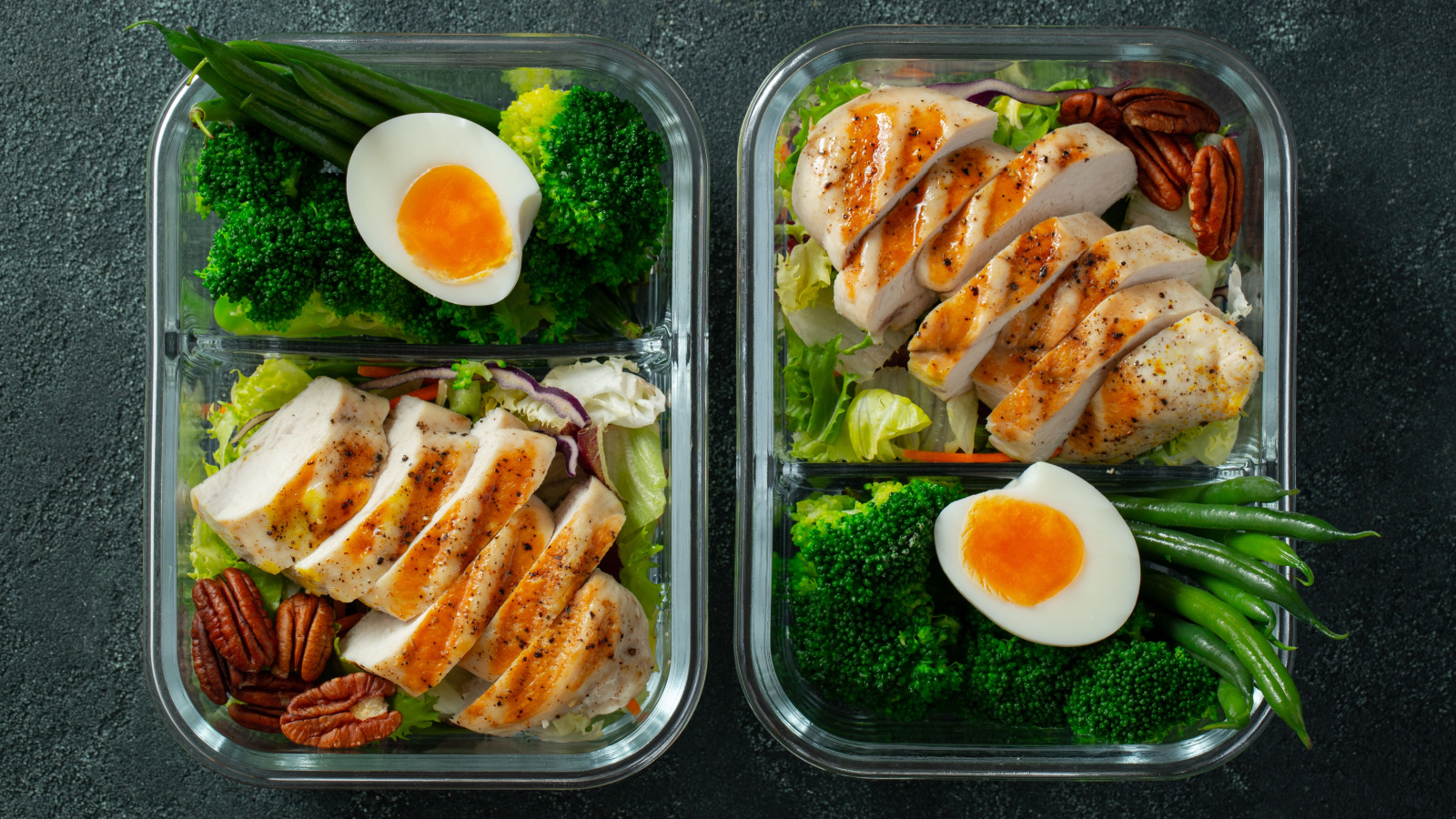
Chicken Breast: The quintessential fitness food, chicken breast is favored for its high protein-to-fat ratio. A 100-gram serving provides approximately 31 grams of protein. Because it has a mild flavor profile, it serves as a versatile base for various cuisines, allowing for long-term dietary compliance.
-
Chicken Thighs: While slightly higher in fat than the breast, chicken thighs offer a more robust flavor and a more forgiving texture when cooked. They provide about 26 grams of protein per 100 grams and are an excellent source of zinc and B vitamins. For individuals on a "maintenance" diet, the extra fat can provide necessary satiety.
-
Egg Whites: Pure egg whites are a gold standard for bioavailable protein. They contain no fat or carbohydrates, making them an efficient way to increase protein volume in meals like omelets or smoothies without significantly increasing caloric intake.

-
Whole Eggs: Unlike egg whites, whole eggs contain the yolk, which provides essential fats, Vitamin D, and choline. One large egg offers 6 grams of protein. Recent clinical studies have largely debunked the myth that dietary cholesterol in eggs significantly raises blood cholesterol in healthy individuals, reaffirming their status as a "superfood."
Red Meat and Organ Meats
-
Sirloin Steak: Sirloin is one of the leanest cuts of beef, providing approximately 25 grams of protein per 3-ounce serving. It is rich in heme iron, which is more easily absorbed by the body than plant-based iron, making it essential for maintaining energy levels and oxygen transport in the blood.
-
Strip Steak: Similar to sirloin, strip steak offers a lean profile but with a slightly different texture. It remains a high-protein, zero-carb staple that supports muscle hypertrophy and strength gains.
-
Ribeye Steak: For those on a ketogenic or higher-fat version of a low-carb diet, ribeye is the preferred choice. While it contains more calories due to its marbling, it provides a significant amount of protein and fat-soluble vitamins.
-
Lean Ground Beef (95/5): Ground beef is a highly convenient protein source for meal prepping. Opting for a 95% lean mix allows for the consumption of red meat’s benefits—such as creatine and B12—while keeping saturated fat intake within recommended limits.
-
Beef Liver: Historically a staple in the diets of "Golden Era" bodybuilders, beef liver is arguably the most nutrient-dense organ meat. It is packed with Vitamin A, B12, and copper. While its flavor is polarizing, its nutritional profile is unmatched for supporting metabolic health.

Pork Products
-
Pork Chops: Lean pork chops are nutritionally comparable to chicken breast. They provide high-quality protein and are particularly rich in thiamine (Vitamin B1), which plays a crucial role in energy metabolism.
-
Pork Shoulder: Often used for slow-cooking and pulled pork, the shoulder is a moderate-fat protein source. When prepared without sugary barbecue sauces, it is an excellent low-carb option for bulk meal preparation.
-
Ham: Cured ham is a lean protein that offers convenience. However, dietitians recommend monitoring sodium levels in cured meats, as excessive intake can lead to water retention and blood pressure issues.
Dairy and Supplements
-
Cottage Cheese: This slow-digesting dairy product is rich in casein protein. A single cup can provide up to 28 grams of protein. It is frequently consumed before bed by athletes to provide a sustained release of amino acids during sleep.
-
Greek Yogurt: By straining the whey, Greek yogurt achieves a much higher protein concentration than standard yogurt. It also contains probiotics, which support gut health—a critical factor in nutrient absorption. It is important to choose plain varieties to avoid the high sugar content found in flavored versions.
-
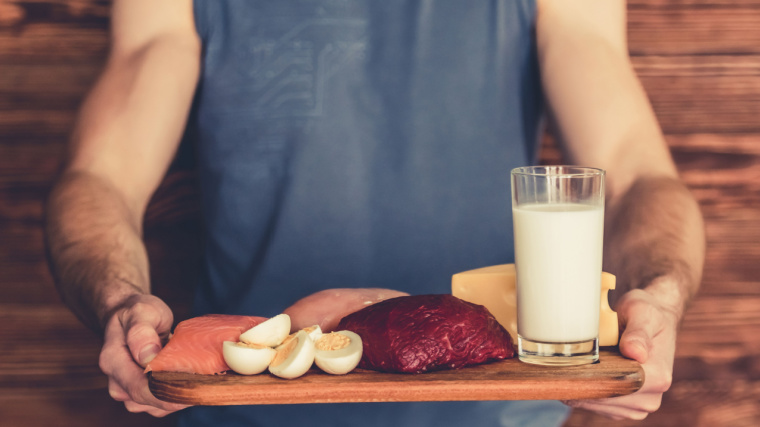
Whey Protein Powder: As a fast-digesting protein, whey is ideal for post-workout recovery. It has a high concentration of Leucine, the primary amino acid responsible for triggering muscle protein synthesis.
-
Casein Protein Powder: The counterpart to whey, casein gels in the stomach, leading to a slower digestion rate. This makes it an excellent tool for appetite control and long-term muscle maintenance.
Expert Analysis and Implementation
According to clinical observations from sports nutritionists, the primary reason individuals fail on low-carb, high-protein diets is "palate fatigue." By rotating through the twenty foods listed above, individuals can maintain a diverse micronutrient intake while preventing the psychological burnout associated with restrictive eating.
A sample meal plan for a 200-pound athlete illustrates the practical application of these foods. To reach a target of 250 grams of protein (1.25g per pound), the athlete might consume egg whites and Greek yogurt for breakfast, a turkey or ham salad for lunch, a whey protein shake post-workout, and a large sirloin steak with fibrous vegetables for dinner. This structure ensures that protein is distributed evenly throughout the day, which research suggests is more effective for muscle retention than consuming the majority of protein in a single sitting.
Broader Impact and Implications
The shift toward high-protein, low-carb nutrition has broader implications for public health. As the global prevalence of Type 2 diabetes and metabolic syndrome continues to rise, the use of protein to stabilize blood sugar and improve insulin sensitivity has become a focal point of therapeutic nutrition. By replacing refined carbohydrates with high-quality proteins and healthy fats, many individuals can improve their lipid profiles and reduce markers of systemic inflammation.
Furthermore, the environmental and ethical considerations of protein consumption are becoming part of the professional dialogue. Dietitians increasingly recommend sourcing proteins from sustainable fisheries (like sardines) and grass-fed livestock where possible to maximize the nutrient profile (such as higher Omega-3 to Omega-6 ratios) while minimizing environmental impact.
In conclusion, the strategic selection of high-protein, low-carb foods is a foundational element of modern dietetics. Whether the goal is athletic performance, fat loss, or general longevity, the inclusion of these twenty nutrient-dense options provides a scientifically backed path to success. By focusing on food quality, variety, and proper macronutrient distribution, individuals can achieve their physical objectives without sacrificing culinary enjoyment or long-term health.