



The role of protein in human nutrition has evolved from a basic requirement for survival to a primary tool for metabolic optimization, muscle hypertrophy, and weight management. In contemporary clinical nutrition and sports science, the prioritization of high-protein, low-carbohydrate dietary patterns has gained significant traction, supported by a growing body of evidence regarding satiety, the thermic effect of food, and the preservation of lean muscle mass. While athletes and "gym rats" have traditionally been the primary adopters of these diets, registered dietitians are increasingly recommending these nutrient-dense options to broader populations seeking to improve metabolic health and body composition.
The Scientific Foundation of High-Protein Nutrition
To understand why specific foods are categorized as superior protein sources, it is necessary to examine the physiological impact of macronutrient consumption. Protein serves as the fundamental building block for muscle tissue, but its biological utility extends to the production of essential hormones and enzymes. Unlike carbohydrates and fats, protein possesses a significantly higher thermic effect of food (TEF). Research published in journals such as the American Journal of Clinical Nutrition indicates that approximately 20% to 30% of the energy content of protein is expended during its own digestion and processing, compared to 5% to 10% for carbohydrates and 0% to 3% for fats.
Furthermore, protein is the most satiating macronutrient. By influencing the secretion of hunger-regulating hormones like ghrelin and peptide YY, high-protein intake reduces the likelihood of overconsumption. For active individuals, the consensus among sports nutritionists typically places optimal intake between 0.8 and 1.25 grams of protein per pound of body weight. This range ensures a positive nitrogen balance, which is critical for tissue repair following strenuous physical activity.

A Chronology of Dietary Trends and Protein Research
The focus on high-protein, low-carb intake is not a new phenomenon but rather the result of decades of shifting nutritional paradigms. In the mid-20th century, dietary guidelines focused heavily on fat reduction, often leading to a compensatory increase in refined carbohydrate consumption. However, by the late 1990s and early 2000s, the emergence of the Atkins and Paleo diets shifted public attention toward the metabolic benefits of protein and the reduction of glycemic loads.
In the last decade, the narrative has moved toward "quality of source" rather than just "quantity of grams." Modern dietetics now emphasizes bioavailability—the ease with which the body can absorb and utilize protein—and the micronutrient density of the food matrix. This evolution has led to the current "Gold Standard" list of 20 foods that provide maximum protein yield with minimal carbohydrate impact.
The Top 20 High-Protein, Low-Carbohydrate Foods
1. Whole Eggs
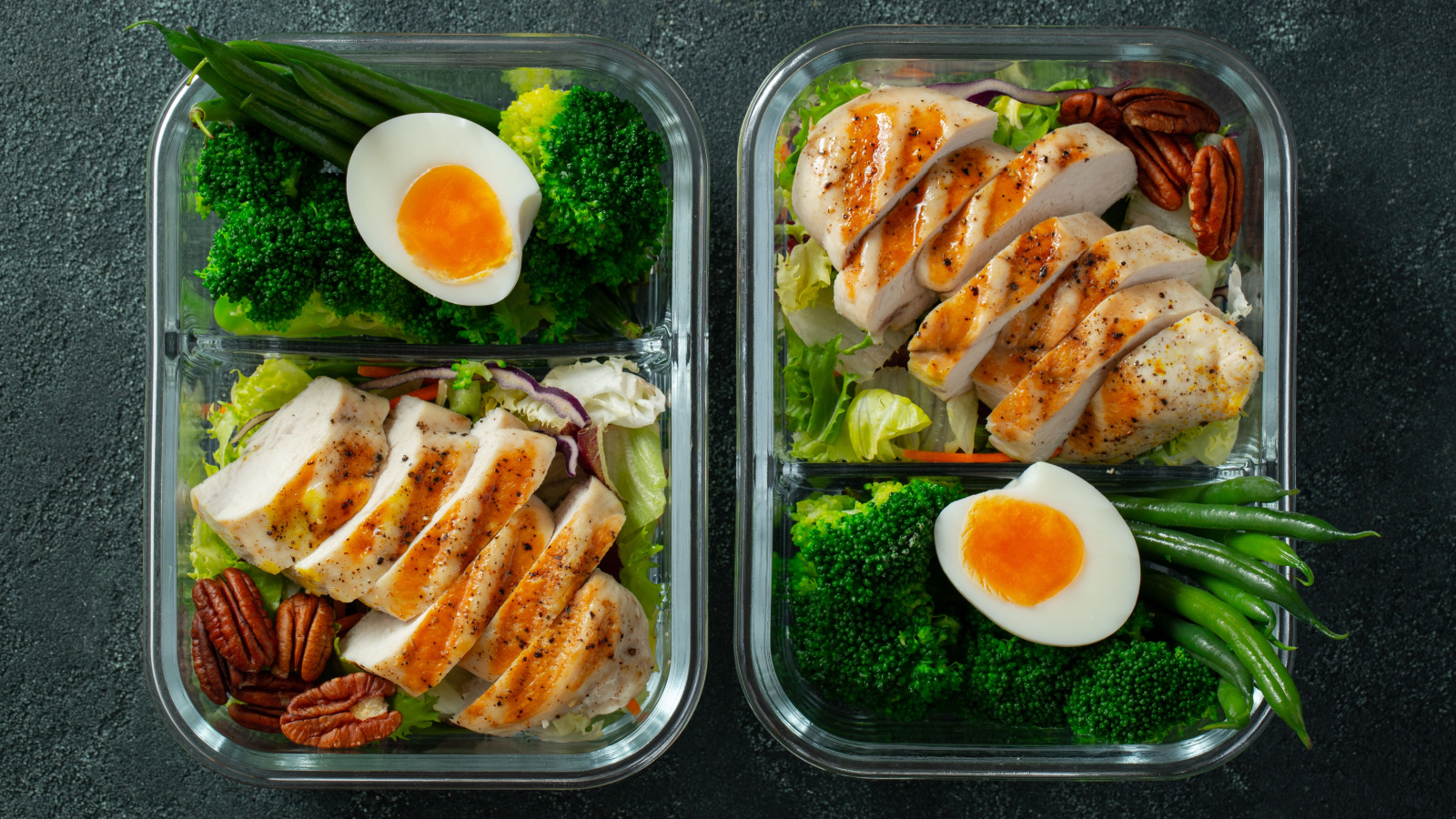
Often cited as the "perfect protein," whole eggs contain a complete amino acid profile and a high biological value. The fat content in the yolk provides essential fat-soluble vitamins (A, D, E, and K) and choline, which supports brain health.
2. Egg Whites
For those seeking to maximize protein while strictly limiting caloric intake, liquid or separated egg whites offer a pure protein source. They are highly versatile in culinary applications, from omelets to protein-enriched baked goods.
3. Salmon
Salmon is a dual-purpose powerhouse, providing high-quality protein alongside omega-3 fatty acids. These fats are instrumental in reducing systemic inflammation, which is vital for recovery in athletes and cardiovascular health in the general population.
4. Sardines
Small but nutrient-dense, sardines offer a sustainable source of protein. Because they are consumed with their bones, they also provide a significant amount of calcium and vitamin D, which are often lacking in low-carb diets.
5. Tuna
Tuna, particularly when packed in water, is one of the leanest protein sources available. It is a staple for individuals requiring high protein density without the addition of fats or carbohydrates.
6. Shrimp
Shrimp offers an exceptionally low calorie-to-protein ratio. Rich in selenium and zinc, this shellfish supports immune function while providing a satisfying, high-volume eating experience for those in a caloric deficit.
7. Sirloin Steak
As a lean cut of red meat, sirloin provides high concentrations of heme iron, B12, and zinc. These micronutrients are essential for energy metabolism and the prevention of anemia.
8. Strip Steak
Similar to sirloin, strip steak is a favorite for its balance of flavor and leanness. It provides a robust amino acid profile necessary for the synthesis of new muscle fibers.

9. Ribeye Steak
While higher in fat than other cuts, ribeye is included for its high satiety levels and caloric density, which is beneficial for individuals on ketogenic protocols or those in a muscle-building phase.
10. Lean Ground Beef (95% Lean)
Ground beef is a versatile staple that allows for precise macronutrient tracking. Opting for 95% lean varieties ensures that the protein-to-fat ratio remains optimal for weight management.
11. Beef Liver
Regarded as "nature’s multivitamin," beef liver is an organ meat that provides an unparalleled density of Vitamin A, copper, and B vitamins. Its resurgence in modern diets is fueled by a move toward "nose-to-tail" eating.
12. Pork Chops
Modern pork is significantly leaner than it was decades ago. Pork chops provide a high-quality protein source that is also rich in thiamine, a B vitamin essential for carbohydrate metabolism (when carbs are consumed).
13. Pork Shoulder
When prepared via slow-cooking methods that allow excess fat to render off, pork shoulder provides a moderate-fat, high-protein option that is highly palatable and versatile.
14. Ham
Cured ham serves as a convenient, ready-to-eat protein source. However, dietitians recommend monitoring sodium levels and looking for varieties without added sugars or honey glazes to maintain low-carb status.
15. Chicken Breast
The quintessential staple of fitness nutrition, chicken breast is nearly pure protein. Its mild flavor profile makes it an ideal canvas for various spices and low-calorie sauces.

16. Chicken Thighs
Chicken thighs offer a slightly higher fat content than breasts, which often results in better moisture retention during cooking. They provide essential minerals like iron and zinc in higher quantities than white meat.
17. Cottage Cheese
This dairy product is unique due to its high concentration of casein protein. Casein is slow-digesting, making cottage cheese an ideal snack before sleep to provide a sustained release of amino acids throughout the night.
18. Greek Yogurt
By straining out the liquid whey, Greek yogurt achieves a thicker texture and roughly double the protein content of standard yogurt. It also provides probiotics, which are essential for maintaining a healthy gut microbiome.
19. Whey Protein Powder
As a supplement, whey protein is unrivaled in its absorption speed. It is particularly effective post-workout when the body requires rapid amino acid delivery to initiate the repair of muscle tissues.
20. Casein Protein Powder
Complementary to whey, casein powder is used to create "protein puddings" or shakes that promote long-term satiety. It is a valuable tool for individuals managing hunger during periods of caloric restriction.
Official Responses and Clinical Perspectives
Medical and nutritional organizations have refined their stances on high-protein diets in recent years. The International Society of Sports Nutrition (ISSN) maintains that for building and maintaining muscle mass, an overall daily protein intake in the range of 1.4–2.0 g/kg body weight/day is sufficient for most exercising individuals.
Critics of high-protein diets often cite concerns regarding kidney health. However, clinical reviews have repeatedly shown that in individuals with healthy kidney function, high protein intake does not cause renal damage. The American College of Sports Medicine (ACSM) emphasizes that the key to a successful high-protein diet is the inclusion of variety to ensure a full spectrum of micronutrients.
Analysis of Implications for Public Health
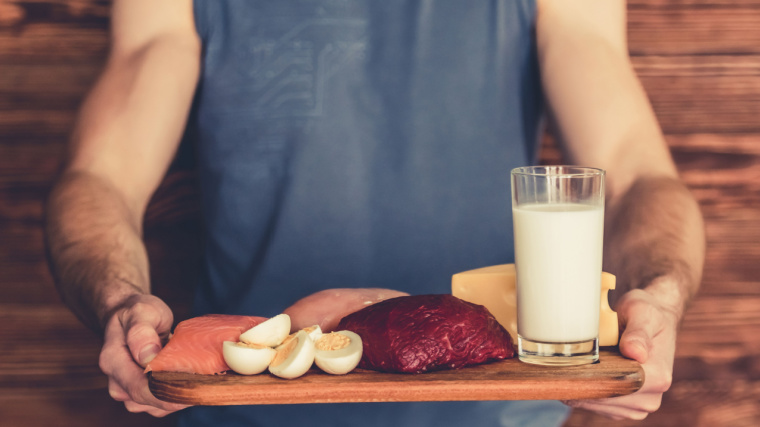
The broader adoption of these 20 foods could have significant implications for the global obesity epidemic. By replacing hyper-palatable, processed carbohydrates with high-protein whole foods, individuals can naturally regulate their caloric intake through increased satiety. Furthermore, as the global population ages, the role of protein in preventing sarcopenia (age-related muscle loss) becomes a matter of public health urgency. Dietitians argue that establishing high-protein eating habits early in life can lead to better mobility and independence in later years.
Implementing the Strategy: A Sample 3,500-Calorie Day
For a 200-pound athlete, a structured day might look like the following, utilizing the foods listed above:
- Breakfast: A four-egg omelet with spinach and mushrooms, served alongside two slices of whole-grain toast (for those not on a zero-carb plan) or extra egg whites. This provides approximately 50g of protein.
- Mid-Morning Snack: One cup of Greek yogurt topped with a handful of almonds, delivering 45g of protein and healthy fats.
- Lunch: 8 ounces of grilled chicken breast with a large green salad and a side of quinoa. This meal offers 65g of protein.
- Afternoon Snack: A whey protein shake mixed with water or unsweetened almond milk, providing 34g of protein.
- Dinner: 8 ounces of sirloin steak with roasted broccoli and a medium sweet potato, contributing 67g of protein.
Conclusion: The Path Forward in Nutrition
Success in any nutritional endeavor requires a transition from "dieting" to "lifestyle integration." The 20 foods identified by registered dietitians provide a framework for a diet that is not only effective for physical performance but also sustainable and enjoyable. By focusing on nutrient density, metabolic efficiency, and culinary variety, individuals can achieve their body composition goals without the psychological fatigue associated with restrictive, unvaried eating plans. The data is clear: prioritizing protein is a foundational step toward long-term physiological resilience.