

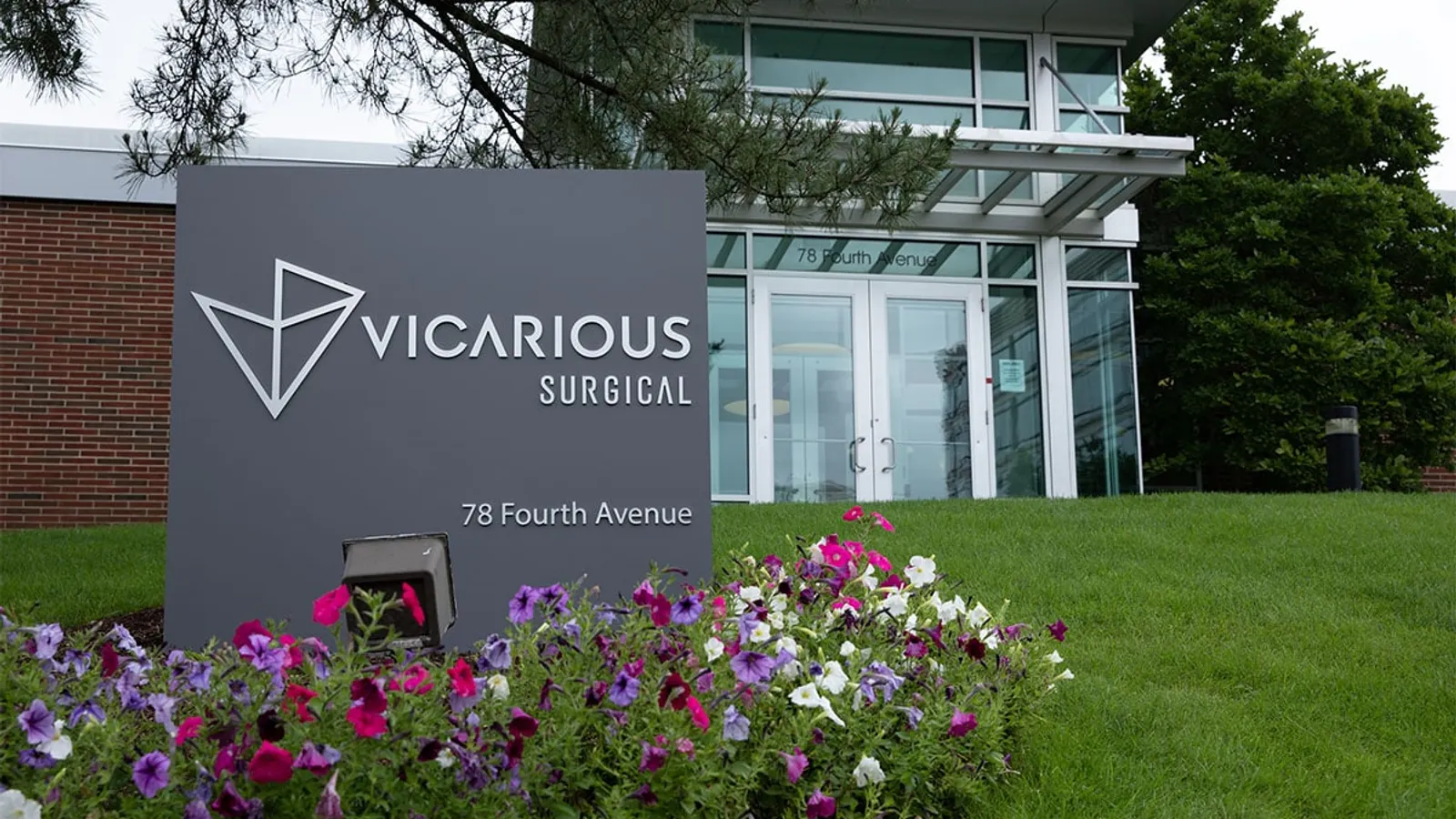
The era of Vicarious Surgical as a high-profile contender in the robotic-assisted surgery market has officially come to an end following a decisive vote by its shareholders to dissolve the company and liquidate its remaining assets. Once valued at over $1 billion and hailed as a potential disruptor to the dominance of Intuitive Surgical, the Waltham, Massachusetts-based company has succumbed to a combination of regulatory hurdles, missed development milestones, and a critical depletion of capital. According to recent securities filings, the company intends to file a certificate of dissolution with the Delaware Secretary of State as early as this week, marking the final chapter of a twelve-year journey that began with ambitious promises to miniaturize surgical technology.
The dissolution marks a significant failure in the medical technology sector, particularly among the wave of companies that went public during the Special Purpose Acquisition Company (SPAC) boom of 2021. Vicarious Surgical’s collapse underscores the immense difficulty of bringing complex robotic hardware to market in a highly regulated environment, especially when competing against entrenched industry leaders with decades of clinical data and established hospital relationships.
The Rise and Fall of a Medtech Unicorn
Founded in 2012 by Adam Sachs and Sammy Khalifa, Vicarious Surgical entered the market with a vision that seemed pulled from science fiction. The company’s core technology featured miniaturized robotic arms and a high-definition camera designed to be inserted into the patient’s abdomen through a single, small incision. This "single-port" approach was intended to provide surgeons with 360-degree visibility and human-like dexterity inside the body, potentially reducing patient trauma, shortening recovery times, and lowering the overall cost of procedures.
The promise of this technology attracted significant early-stage investment from high-profile figures, including Bill Gates, Eric Schmidt, and Khosla Ventures. In April 2019, Vicarious became the first surgical robot to receive a Breakthrough Device Designation from the U.S. Food and Drug Administration (FDA). This status was intended to expedite the development and review process for the robot, specifically for its first intended application in ventral hernia repairs.
The peak of the company’s valuation occurred in 2021 when it merged with D8 Holdings, a SPAC, in a deal that valued Vicarious at $1.1 billion. The transaction provided the company with approximately $220 million in gross proceeds, which management intended to use to finalize the robot’s design, conduct clinical trials, and achieve FDA clearance. At the time, the company was viewed as a primary challenger to Intuitive Surgical’s Da Vinci system, which has long held a near-monopoly on the soft-tissue robotic surgery market.
A Timeline of Strategic Delays and Leadership Changes
The transition from a well-funded startup to a publicly traded commercial entity proved fraught with operational challenges. Despite the influx of SPAC capital, Vicarious Surgical struggled to move its prototype into the clinical phase. The timeline for its first FDA submission was repeatedly pushed back, leading to mounting frustration among investors and a steady decline in share price.
By late 2023, it became clear that the company’s original roadmap was no longer tenable. In a bid to stabilize the organization, the board of directors replaced co-founder Adam Sachs with Stephen From, a veteran medtech executive, who took over as CEO. From was tasked with a difficult mandate: streamline operations, reduce the "burn rate" of cash, and find a path to regulatory approval or a strategic exit.
Under From’s leadership, the company underwent a radical restructuring. In an effort to conserve capital, Vicarious scrapped its immediate plans for clinical trials and moved to outsource significant portions of the robot’s hardware design. This pivot was intended to transform Vicarious into a leaner, more software-focused entity, but the market remained skeptical. By early 2024, the company’s headcount, which once numbered in the hundreds, had dwindled to just 26 employees.
Financial Deterioration and Delisting
The financial health of Vicarious Surgical deteriorated rapidly throughout 2023 and the first half of 2024. As interest rates rose and investor appetite for pre-revenue tech companies waned, the company found it impossible to secure the additional funding required to bridge the gap to commercialization. Operating losses continued to mount, and the company’s cash reserves reached a critical low.
In early 2024, the New York Stock Exchange (NYSE) issued a delisting notice to Vicarious after its share price remained consistently below the minimum requirement. The company subsequently moved its shares to the over-the-counter (OTC) market, a move that typically signals the beginning of the end for a former mid-cap public company. Without the visibility and liquidity of a major exchange, the company’s ability to attract institutional investment or use its stock as an acquisition currency vanished.
In June 2024, the board of directors concluded that there was no viable path forward as a standalone entity. After an exhaustive search for a buyer or a strategic partner yielded no results, the board recommended that shareholders approve a formal plan of liquidation and dissolution. The shareholder approval granted this week authorizes the company to wind down its affairs, sell its intellectual property and physical assets, and distribute any remaining cash to creditors and stockholders.
The Competitive Landscape and Market Implications
The failure of Vicarious Surgical provides a sobering case study for the surgical robotics industry. While the demand for robotic-assisted surgery continues to grow globally, the barrier to entry remains prohibitively high. Intuitive Surgical’s Da Vinci system has a massive head start, with thousands of units installed worldwide and a vast ecosystem of trained surgeons.
Other major players, such as Medtronic with its Hugo system and Johnson & Johnson with its Ottava platform, have also faced significant delays in their respective robotic programs. If multi-billion-dollar conglomerates struggle to navigate the complexities of robotic surgery development, the path for a smaller, venture-backed firm like Vicarious is even narrower.

Industry analysts suggest that Vicarious’s downfall may have been accelerated by its "all-or-nothing" approach to innovation. By attempting to leapfrog existing technology with a radical miniaturized design, the company faced engineering challenges that were more difficult to solve than initially anticipated. In contrast, competitors that focused on incremental improvements to existing robotic architectures have seen more consistent, albeit slow, progress.
Impact on Stakeholders and the Waltham Tech Hub
The dissolution of Vicarious Surgical is a blow to the Massachusetts medtech ecosystem. Waltham has long been a hub for robotics and medical device innovation, and the loss of a prominent player like Vicarious serves as a reminder of the volatility inherent in the sector. For the remaining 26 employees, the dissolution marks the end of their roles as the company enters the final stages of asset liquidation.
For shareholders, the outlook is grim. In many liquidation scenarios involving companies with high debt loads or significant remaining liabilities, common stockholders often receive little to no recovery. The company’s assets, including its portfolio of patents related to miniaturized robotics and single-incision visualization, will likely be auctioned off. It is possible that a larger medical device company may acquire these patents for a fraction of their original valuation, integrating Vicarious’s research into their own long-term R&D pipelines.
Analysis: The End of the SPAC Experiment in Medtech?
The Vicarious Surgical story is part of a broader trend of "de-SPAC" companies facing insolvency. The 2020-2021 period saw a rush of speculative companies entering public markets before they were commercially ready. In the medtech space, where product development cycles are measured in decades rather than years, the pressure of quarterly public reporting can be at odds with the patient-centric, safety-first requirements of the FDA.
As Vicarious prepares its final filings in Delaware, the medtech industry will likely reflect on the lessons learned. The company’s trajectory suggests that while "Breakthrough" designations and billion-dollar valuations generate headlines, they are no substitute for the grueling, capital-intensive work of clinical validation and regulatory compliance.
The liquidation of Vicarious Surgical serves as a cautionary tale for the next generation of robotics startups. It highlights the necessity of not only having a transformative vision but also a sustainable financial strategy and a realistic timeline for navigating the most stringent regulatory environments in the world. As the company’s office in Waltham prepares to close its doors, the miniaturized robotic arms that once promised to revolutionize surgery will instead become part of the historical record of an industry where the distance between a brilliant idea and a commercial reality remains vast.
