








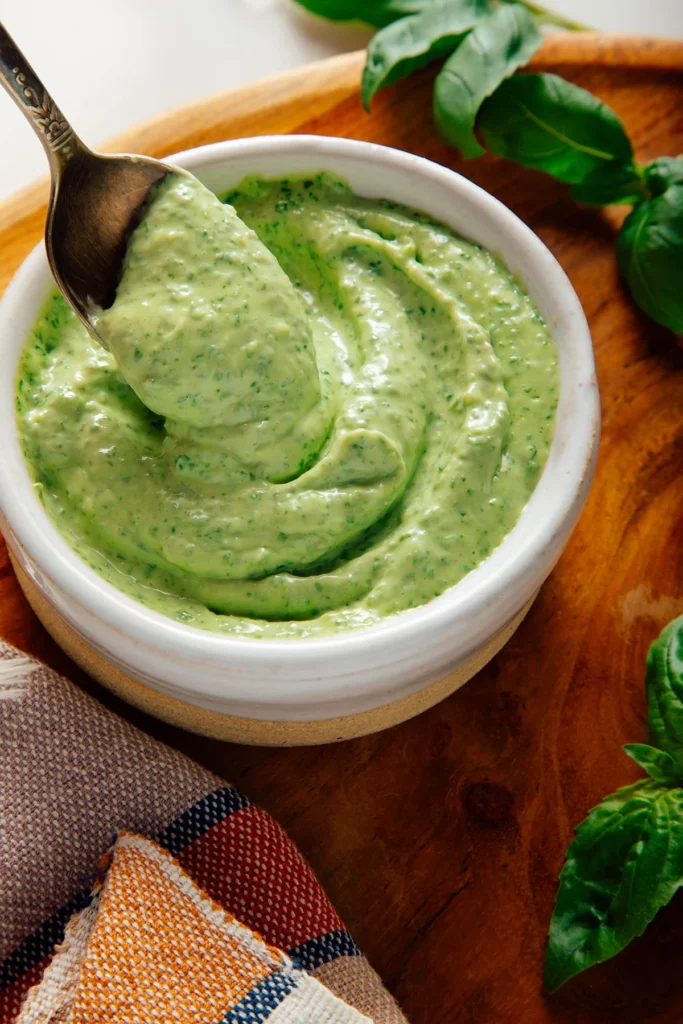
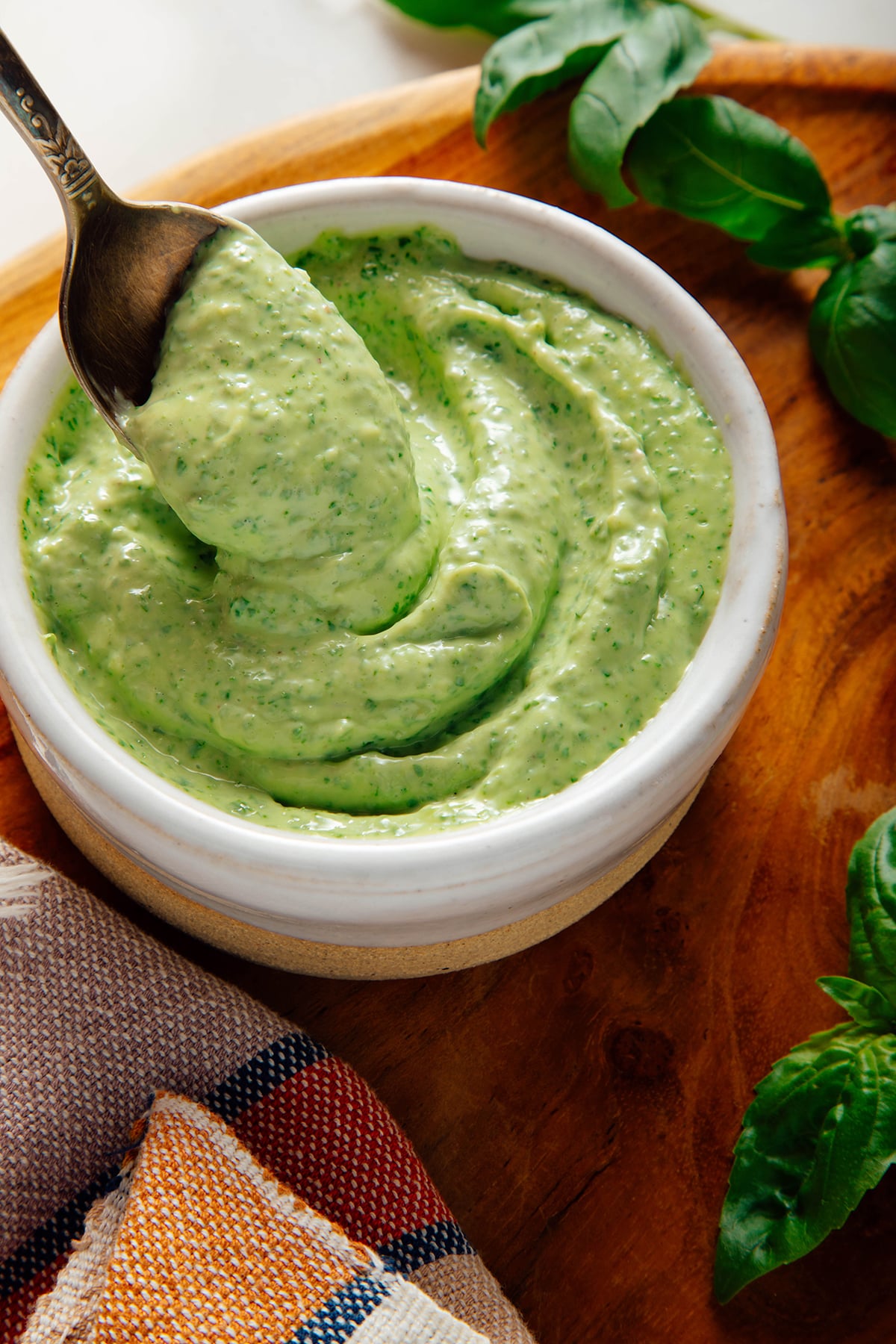
The emergence of the creamy basil sauce, a vibrant and versatile condiment, marks a significant trend in contemporary home cooking, offering a fresh, seasonally appropriate alternative to traditional spreads and dressings. This particular rendition, lauded for its simplicity and profound flavor, is quickly establishing itself as a summer culinary staple, transcending its initial role as a mere sandwich enhancer to become a multifaceted flavor booster across a range of dishes. Its rapid preparation time, requiring only minutes and a few core ingredients, positions it as an accessible gourmet option for the modern home chef.
The growing popularity of this creamy basil sauce can be understood within the broader context of several evolving culinary and lifestyle trends. Consumers are increasingly seeking fresh, natural ingredients, often driven by a desire for healthier eating and a greater connection to food sources. The "farm-to-table" movement, though often associated with restaurant dining, has significantly influenced home cooking, encouraging the use of seasonal produce and homemade components. Basil, a cornerstone herb of summer gardens, benefits immensely from this trend. Many home gardeners find themselves with a surplus of basil during peak season, prompting a search for innovative ways to utilize the aromatic herb beyond the ubiquitous pesto. This creamy sauce provides an elegant, yet straightforward, solution to this perennial summer bounty.
The Genesis and Inspiration of a Modern Classic
While the concept of basil-infused creamy sauces is not entirely novel, this specific formulation gains distinction from its direct inspiration. The recipe acknowledges its roots in a basil dip served with French fries at French Market in Kansas City. This detail highlights a fascinating aspect of modern culinary innovation: the democratization of restaurant-quality flavors. Home cooks are increasingly inspired by dining experiences, seeking to replicate or adapt sophisticated tastes for their own kitchens. The transition of a specialized restaurant dip into a widely accessible home recipe underscores a cultural shift where culinary boundaries between professional and amateur kitchens are blurring. It speaks to a consumer base eager for elevated everyday meals, easily achievable with minimal effort and high-impact ingredients. This sauce, in essence, bridges the gap, offering a sophisticated flavor profile previously reserved for restaurant patrons.
A Symphony of Simple Ingredients: The Core Components
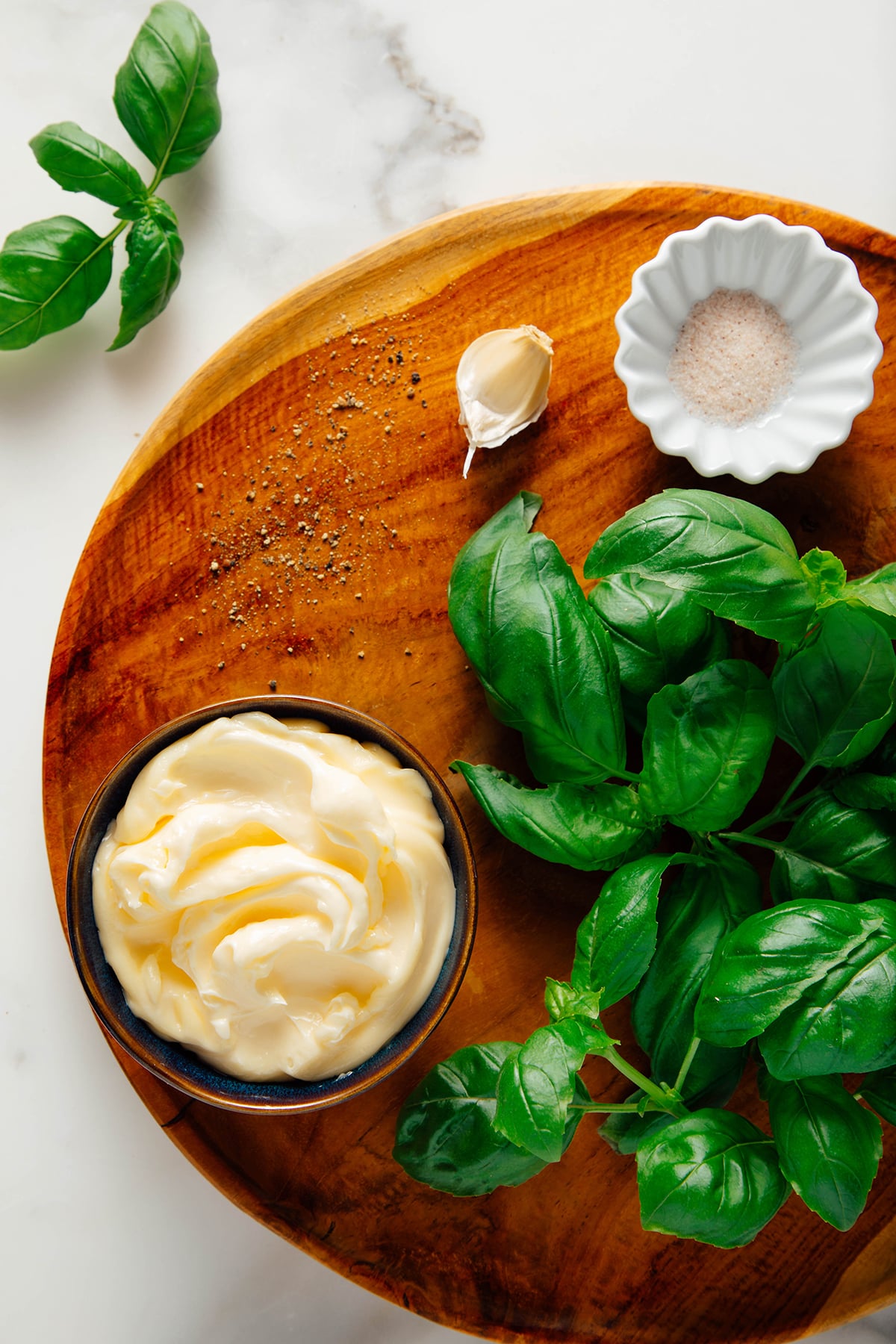
The magic of this creamy basil sauce lies in its ability to extract maximum flavor from a minimal list of ingredients, proving that culinary excellence often resides in simplicity and quality. Each component plays a crucial role in creating the sauce’s distinctive character.
Garlic: The Pungent Foundation
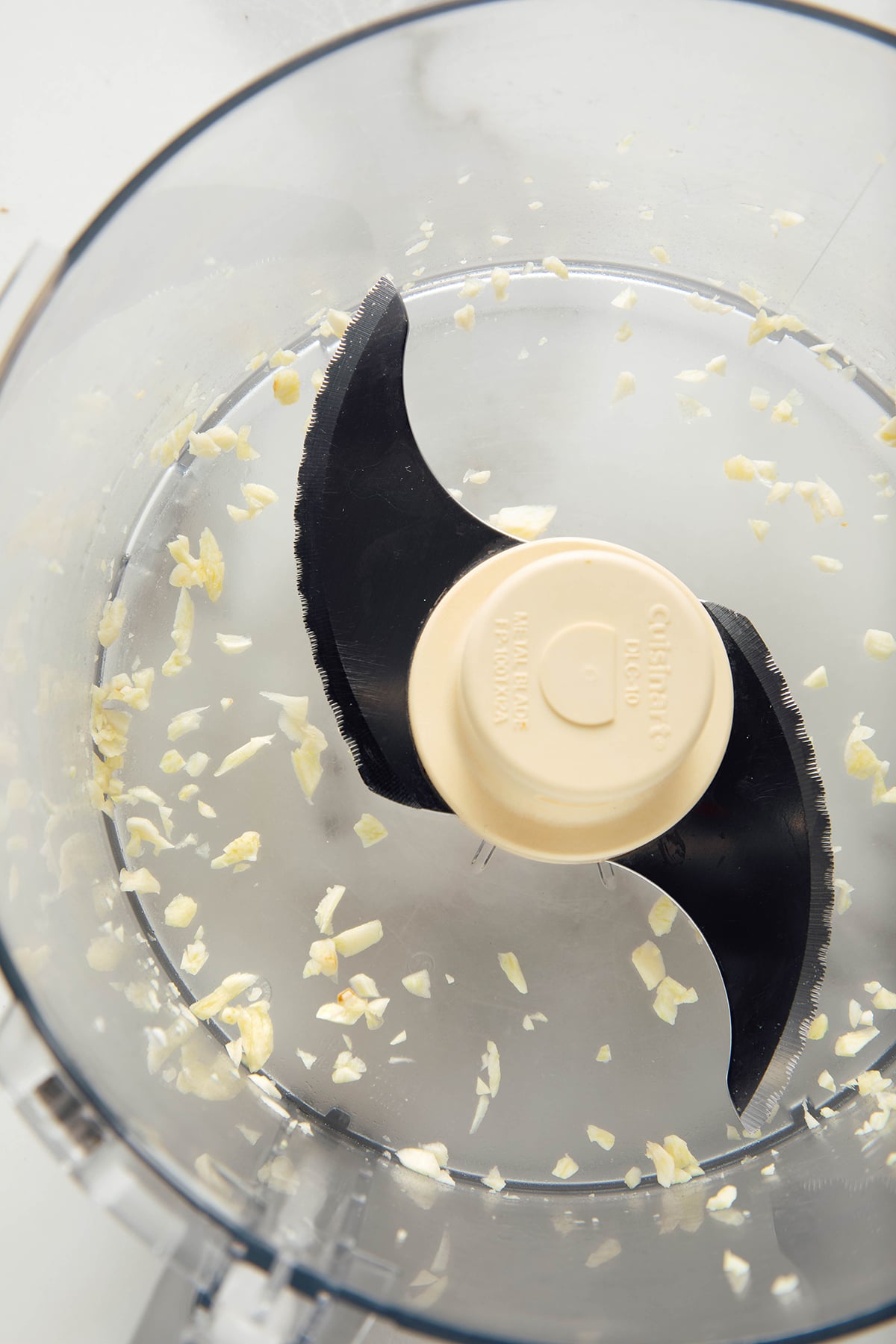
At the heart of many savory preparations, garlic (Allium sativum) provides a foundational layer of pungent, aromatic flavor. For this sauce, a single clove is deemed sufficient, offering a subtle yet impactful warmth without overpowering the delicate basil. The recommended method of blitzing the garlic first in a food processor is a testament to efficiency, minimizing cleanup and ensuring a finely minced consistency that integrates seamlessly into the sauce. From a nutritional perspective, garlic is celebrated for its potential health benefits, including antioxidant and anti-inflammatory properties, adding a healthful dimension to the flavor profile.
Fresh Basil: The Verdant Star
Undoubtedly, fresh basil (Ocimum basilicum) is the undisputed star of this condiment. Its bright, peppery, slightly sweet, and aromatic notes are central to the sauce’s identity. The emphasis on using fresh leaves and tiny stems, while discarding thicker, more fibrous stems, is critical for achieving a smooth texture and concentrated flavor. Basil is a heat-sensitive herb, and its vibrant green color and volatile oils are best preserved when handled gently and incorporated without excessive cooking. Beyond its culinary appeal, basil is rich in vitamins K and A, as well as various antioxidants, contributing to its status as a highly valued herb. The seasonality of basil, thriving in warm summer months, inherently links this sauce to fresh, vibrant seasonal eating.
Mayonnaise: The Creamy Emulsifier
Mayonnaise, an emulsion of oil, egg yolk, and an acid (typically vinegar or lemon juice), provides the luxurious, creamy texture and tangy base that defines this sauce. While often viewed as a simple condiment, its role here is transformative. It acts as the binding agent, suspending the basil and garlic particles evenly, and contributing a richness that balances the freshness of the herbs. The preference for specific brands, such as Duke’s mayonnaise, highlights the nuanced impact of ingredient quality on the final product. Different brands offer variations in tanginess, sweetness, and oil profile, subtly altering the sauce’s character. The increasing availability of health-conscious mayonnaise options, particularly those made with avocado oil, also caters to consumers looking for alternatives with healthier fat profiles, aligning with broader wellness trends.
Salt and Pepper: The Essential Enhancers
The judicious application of salt (sodium chloride) and black pepper (Piper nigrum) is paramount for enhancing and balancing the overall flavor. Salt is a fundamental flavor amplifier, drawing out and intensifying the inherent tastes of the basil and garlic. Black pepper, with its characteristic warmth and subtle heat, adds a desirable "kick" and aromatic complexity, elevating the sauce beyond a simple herb puree. Proper seasoning is crucial to transform the individual ingredients into a cohesive and harmonious blend.
Optimizing Basil for Peak Performance: Essential Preparation Tips
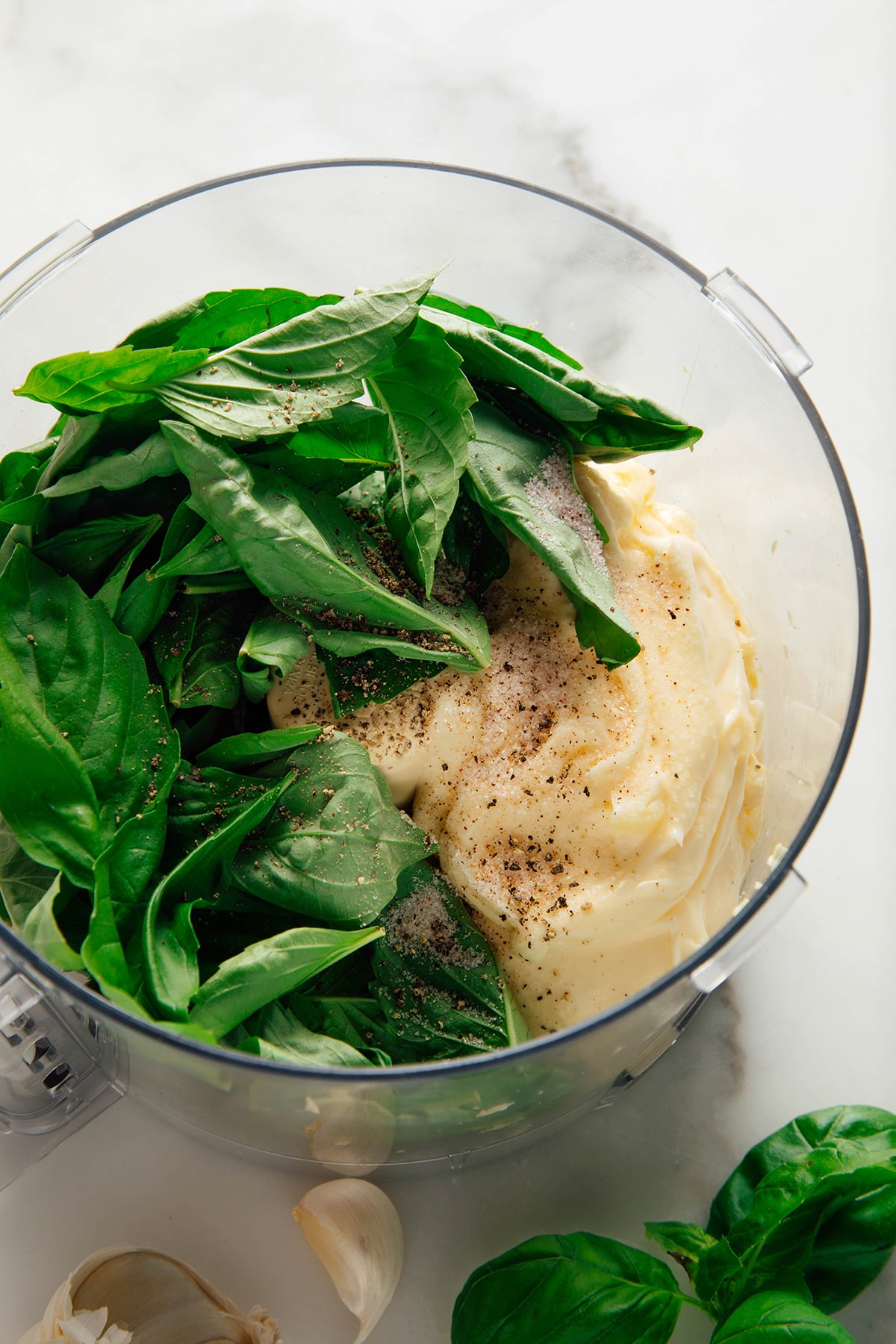
Achieving the perfect creamy basil sauce involves more than just combining ingredients; it requires attention to the basil itself. The guidance on basil storage and preparation underscores best practices for maximizing flavor and visual appeal.
Storage and Freshness: Basil’s delicate nature means it has a relatively short shelf life. The advice to store basil at room temperature rather than in the refrigerator is counter-intuitive for some but crucial for preserving its flavor and preventing premature blackening. Refrigeration can often cause basil leaves to darken and lose their vibrant aroma. Despite this, basil does not store for extended periods, reinforcing the seasonal, "use it fresh" philosophy behind this recipe.
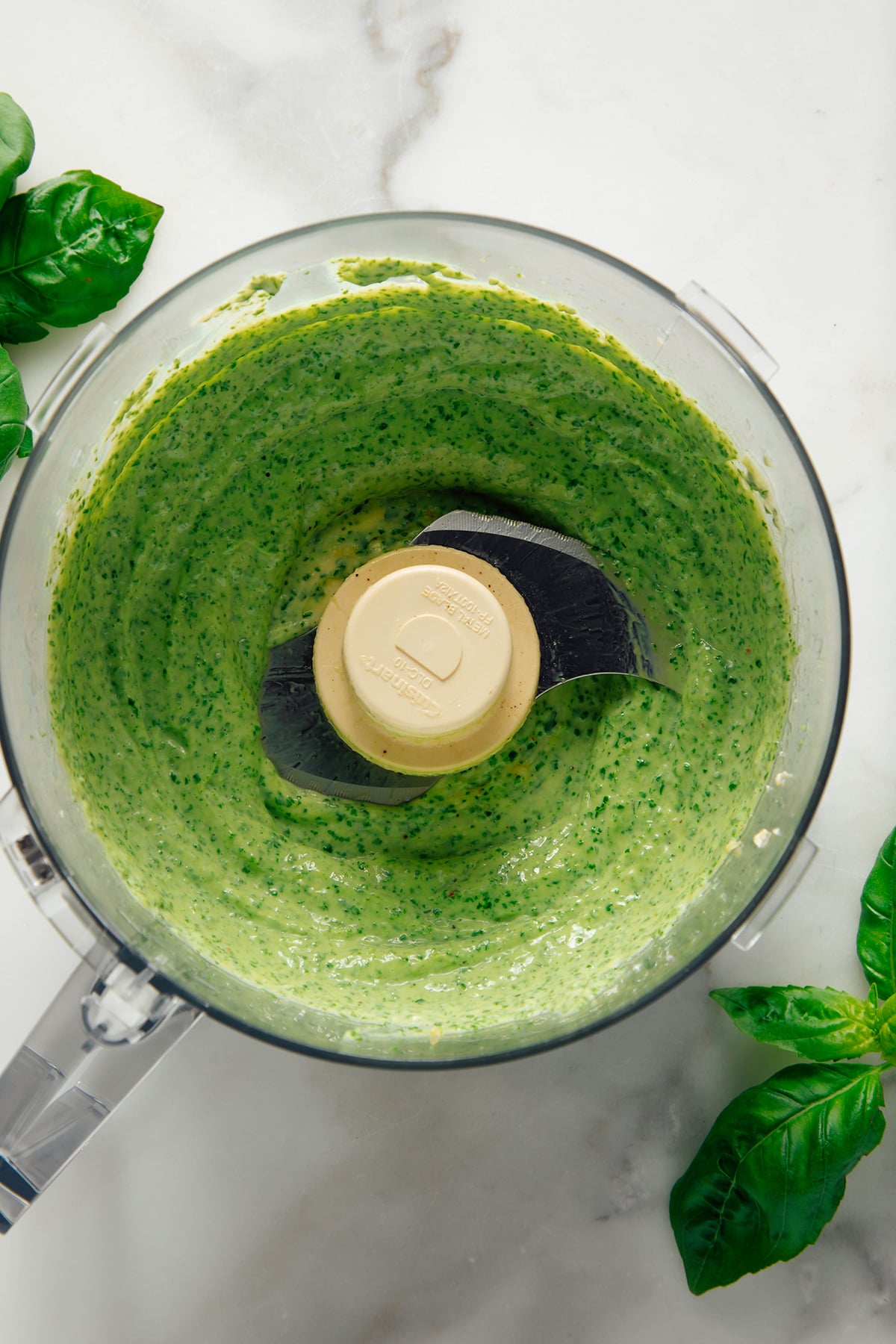
Ensuring Vibrant Color: A key aesthetic and sensory aspect of this sauce is its bright green hue. This is achieved by ensuring the basil is thoroughly dry before blending. Excess moisture can dilute the flavor and, more importantly, lead to oxidation during processing, resulting in a duller, less appealing color. The recommendation to gently wash, pat dry, and then air dry the basil is a simple yet effective technique for maintaining its vivid green. This attention to detail reflects a broader trend in home cooking where visual appeal is increasingly valued alongside taste.
Culinary Versatility: Beyond the Sandwich
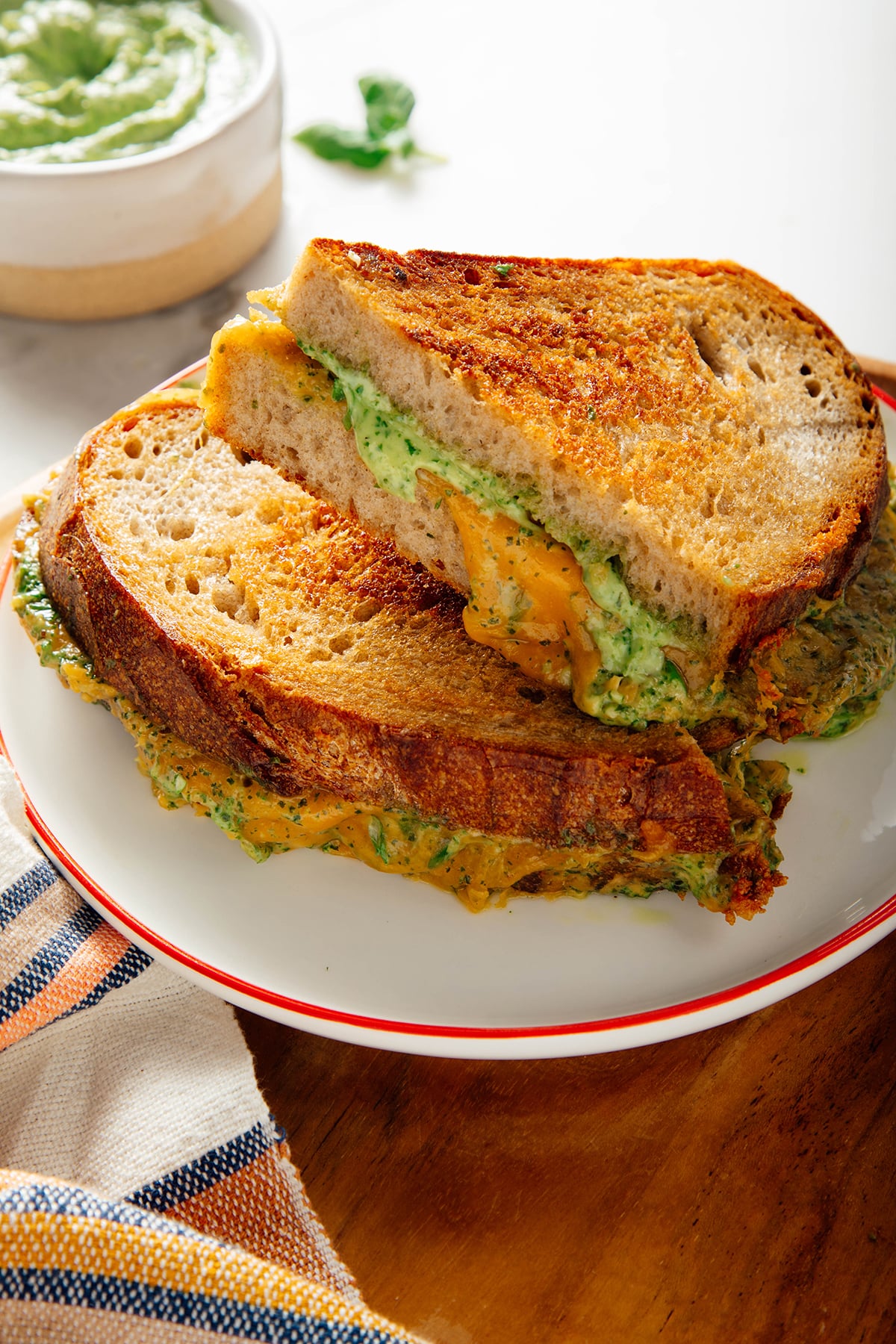
The true strength of this creamy basil sauce lies in its remarkable versatility. While initially framed as a transformative element for sandwiches and snacks, its applications extend far beyond these initial suggestions, demonstrating its potential as a true culinary workhorse. Its bright, fresh, and creamy profile allows it to complement a wide array of ingredients and dishes, particularly those prevalent in summer cuisine.
As a Dressing and Dip: Its texture and flavor make it an ideal replacement for more conventional dressings like ranch, offering a lighter, more herbaceous alternative. It pairs exceptionally well with fresh garden salads, providing a vibrant counterpoint to crisp greens and ripe tomatoes. As a dip, it elevates crudités, crackers, and even roasted vegetables, offering a refreshing alternative to heavier, dairy-based options.
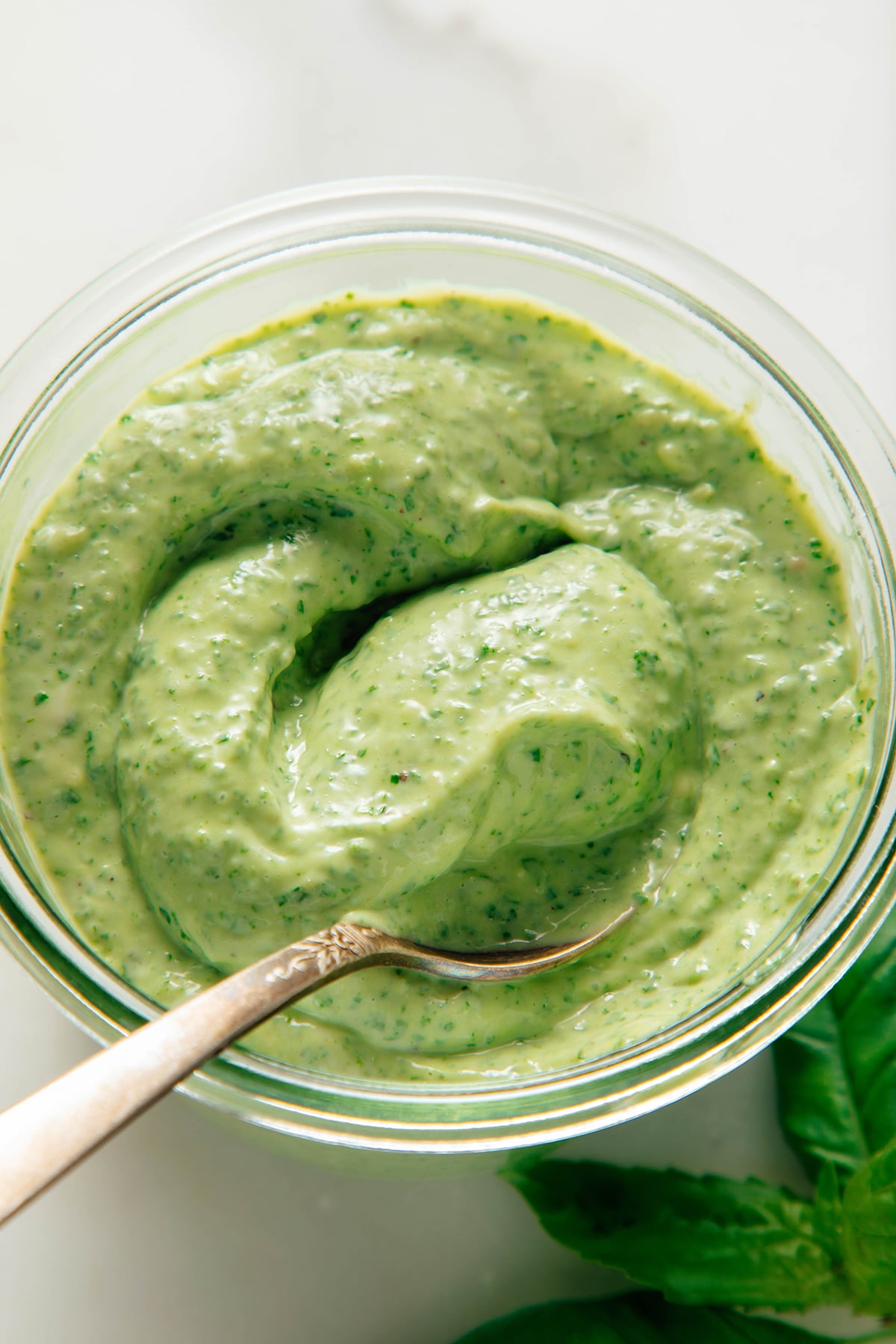
Enhancing Main Courses: The sauce’s affinity for summer produce, particularly tomatoes and zucchini, suggests its suitability for light pasta dishes, grilled vegetables, and even as a topping for fish or chicken. A drizzle over sautéed zucchini or a simple tomato bruschetta would instantly impart a gourmet touch. The suggestion of adding a touch of thick balsamic vinegar or balsamic glaze further illustrates its adaptability, allowing for layers of sweet-tart complexity to be introduced. This pairing of basil and balsamic is a classic, deeply rooted in Mediterranean culinary traditions, and adding it to the creamy sauce introduces another dimension of flavor.
Breakfast and Brunch Applications: While not explicitly mentioned, its creamy texture and fresh flavor could make it an intriguing addition to egg dishes, spread on toast with avocado, or even as a unique accompaniment to savory pancakes or waffles.
Broader Culinary Implications and Trends
The popularity of this creamy basil sauce is indicative of several broader culinary trends shaping contemporary food culture.
The Rise of Homemade Condiments: There is a discernible shift away from heavily processed, store-bought condiments towards homemade alternatives. This is driven by concerns over artificial ingredients, high sugar/sodium content, and a desire for fresher, more authentic flavors. Recipes like the creamy basil sauce empower consumers to create superior-tasting, often healthier, options in their own kitchens.
Emphasis on Fresh and Seasonal Eating: The strong connection to fresh basil underscores the growing importance of seasonal ingredients. Eating seasonally not only enhances flavor but also supports local agriculture and promotes a more sustainable food system. This sauce serves as an excellent example of how to celebrate and preserve the fleeting flavors of summer.

The "Flavor Booster" Phenomenon: Consumers are constantly seeking ways to elevate simple meals without extensive effort. "Flavor boosters" – intensely flavored sauces, pestos, or marinades – fit this need perfectly. They offer a quick and effective method to transform ordinary ingredients into something extraordinary, aligning with busy modern lifestyles that still crave high-quality food experiences.
Health and Wellness Focus: While mayonnaise contributes to the caloric density, the primary ingredients of basil and garlic are rich in nutrients and phytochemicals. For health-conscious individuals, particularly when opting for mayonnaise made with healthier oils, this sauce provides a flavorful way to incorporate beneficial herbs into their diet. This aligns with a holistic approach to wellness where food is seen as both nourishment and medicine.
The Role of Culinary Personalities: The recipe originates from Kathryne Taylor, a bestselling cookbook author and established culinary personality. Her endorsement and sharing of such a recipe lend credibility and influence to its adoption. In the digital age, culinary influencers play a significant role in disseminating recipes and shaping cooking trends, making accessible, high-quality content a key driver of home cooking innovation.

Looking Ahead: The Future of Fresh Sauces
The trajectory of the creamy basil sauce suggests a continued evolution in home cooking. As consumers become more adept and adventurous in the kitchen, and as global culinary influences become more accessible, we can anticipate further experimentation with fresh herb-based sauces. This particular recipe may inspire variations, perhaps incorporating other soft herbs like mint or cilantro, or introducing different acidic elements such as lime juice or white wine vinegar. The core concept – simple, fresh, versatile, and flavor-packed – is likely to remain a guiding principle in the development of future homemade condiments.
In conclusion, the creamy basil sauce is far more than just a recipe; it is a microcosm of current culinary trends. It embodies the desire for freshness, the appreciation for simple ingredients, the influence of restaurant innovation on home cooking, and the ongoing quest for versatile flavor boosters that enhance everyday meals. Its ease of preparation and profound impact on a variety of dishes ensure its place as a beloved staple, particularly during the bountiful summer months, inviting home cooks to make it a "basil sauce summer" and beyond. The ongoing engagement with such recipes, as encouraged by the author, ensures a vibrant feedback loop that further refines and popularizes these culinary gems.