









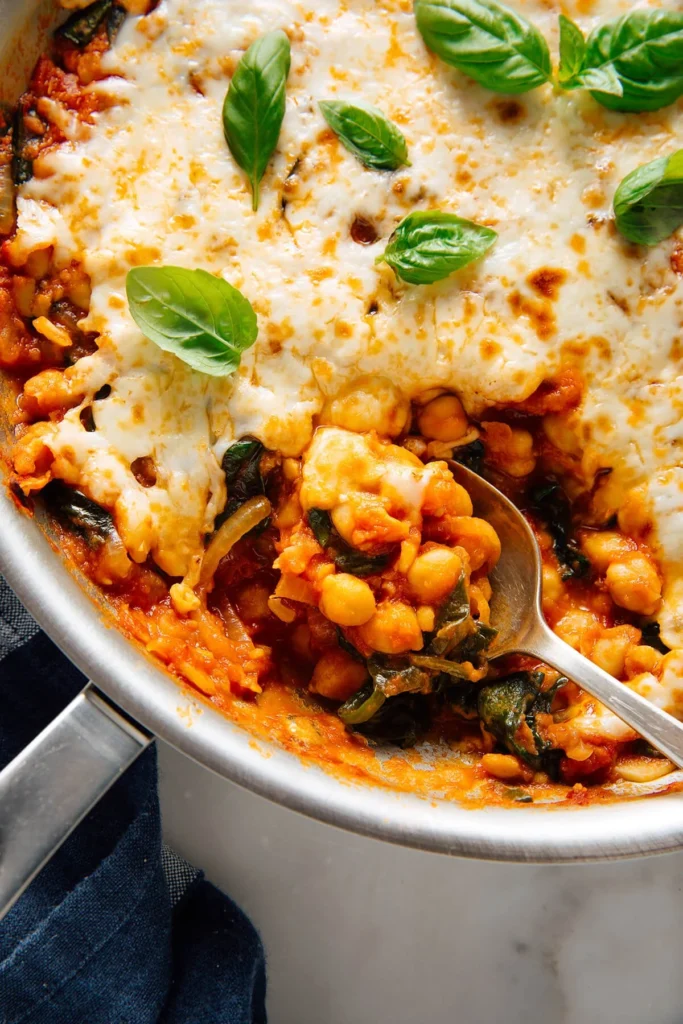
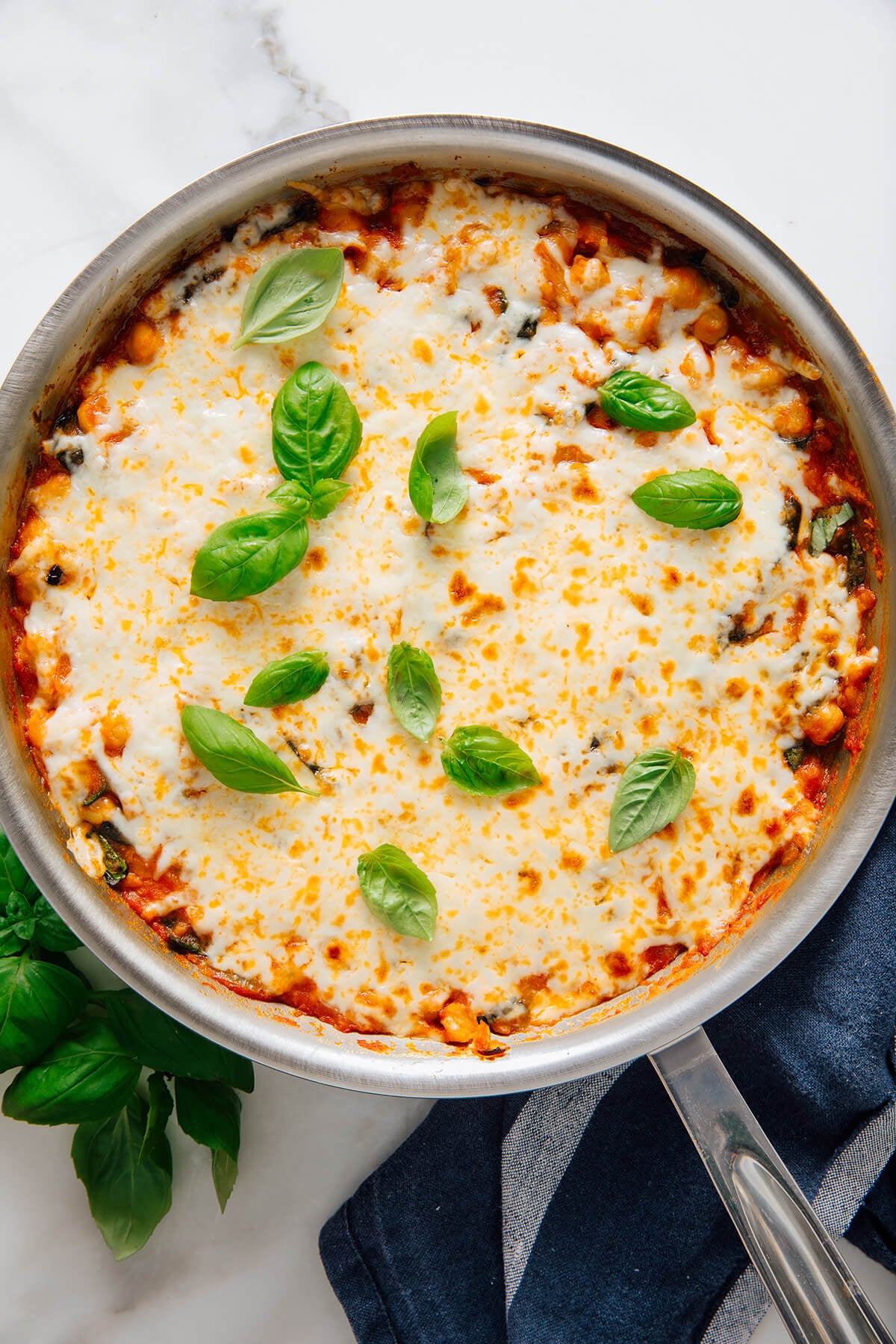
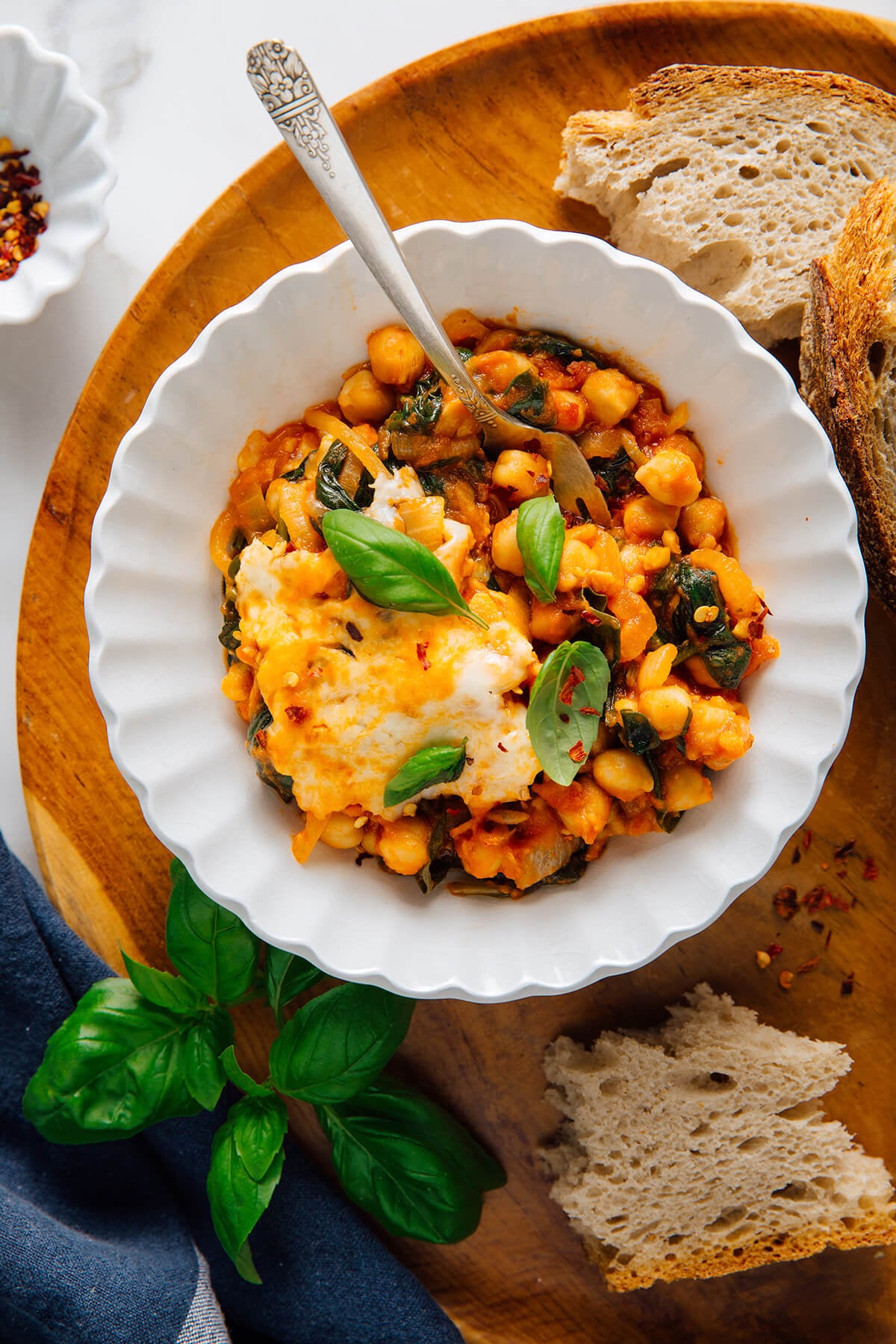
A culinary phenomenon known as "Pizza Beans," initially conceptualized by renowned food blogger Deb Perelman of Smitten Kitchen, is experiencing a renewed surge in popularity with a refined adaptation introduced by Kathryne Taylor of Cookie and Kate. This inventive dish, featuring hearty white beans simmered in a rich, marinara-like sauce and crowned with bubbling mozzarella, is quickly establishing itself as a go-to solution for home cooks seeking comfort, nutrition, and unparalleled ease in their weeknight meals. The dish marries the familiar, universally loved flavors of pizza with the wholesome, economical profile of legumes, presenting a compelling option in the evolving landscape of modern home cooking.
The Genesis of a Culinary Innovation: From Concept to Kitchen Staple
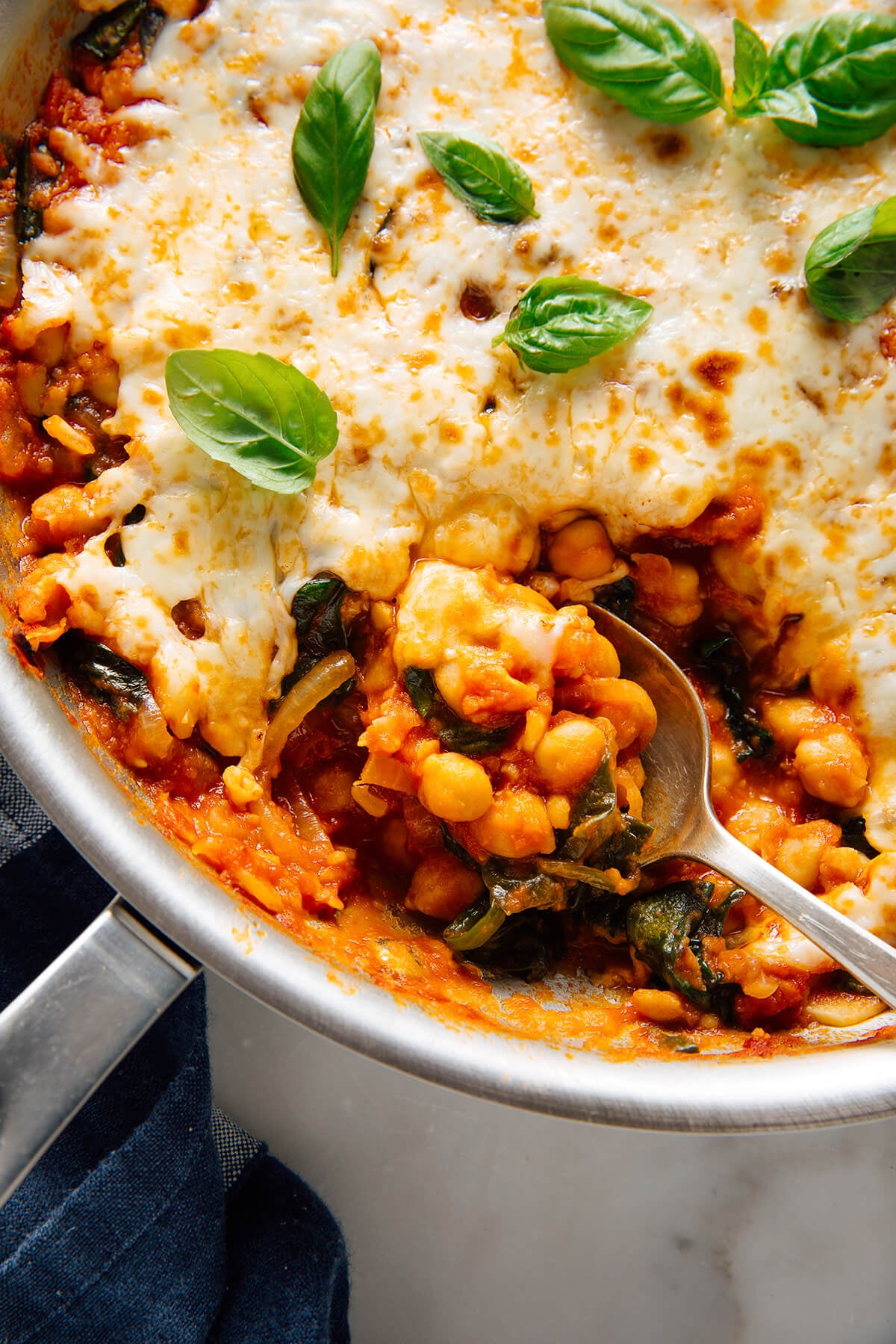
The journey of "Pizza Beans" began in 2017 when Deb Perelman, through her highly influential blog Smitten Kitchen, first introduced the concept to a broad audience. Perelman, celebrated for her meticulously tested recipes and accessible approach to sophisticated home cooking, identified a desire among her readership for dishes that delivered maximum flavor with minimal fuss. Her original "Pizza Beans" recipe resonated immediately, tapping into a collective nostalgia for pizza while offering a nutritious, vegetarian alternative that could be prepared in a single skillet. The brilliance of Perelman’s idea lay in its simplicity: deconstructing the core elements of pizza – a rich tomato base, savory toppings, and melted cheese – and reassembling them around a humble, yet versatile, ingredient like white beans. This approach not only made the dish inherently healthier but also broadened its appeal as a pantry-friendly meal solution. The initial reception highlighted a growing trend towards dishes that offered both indulgence and practicality, a balance that many home cooks strive for amidst busy schedules.

Kathryne Taylor’s Contemporary Reimagining
Fast forward to the present, and Kathryne Taylor, the creative force behind the popular vegetarian food blog Cookie and Kate, has unveiled her distinct spin on "Pizza Beans." Taylor’s adaptation, building upon Perelman’s foundational concept, focuses on maximizing convenience and flavor depth, specifically tailoring the recipe for the demands of contemporary home kitchens. Her version leverages the efficiency of canned beans, significantly reducing preparation time, and introduces an optional inclusion of fresh spinach, bolstering the dish’s nutritional content without compromising its inherent flavor or texture.
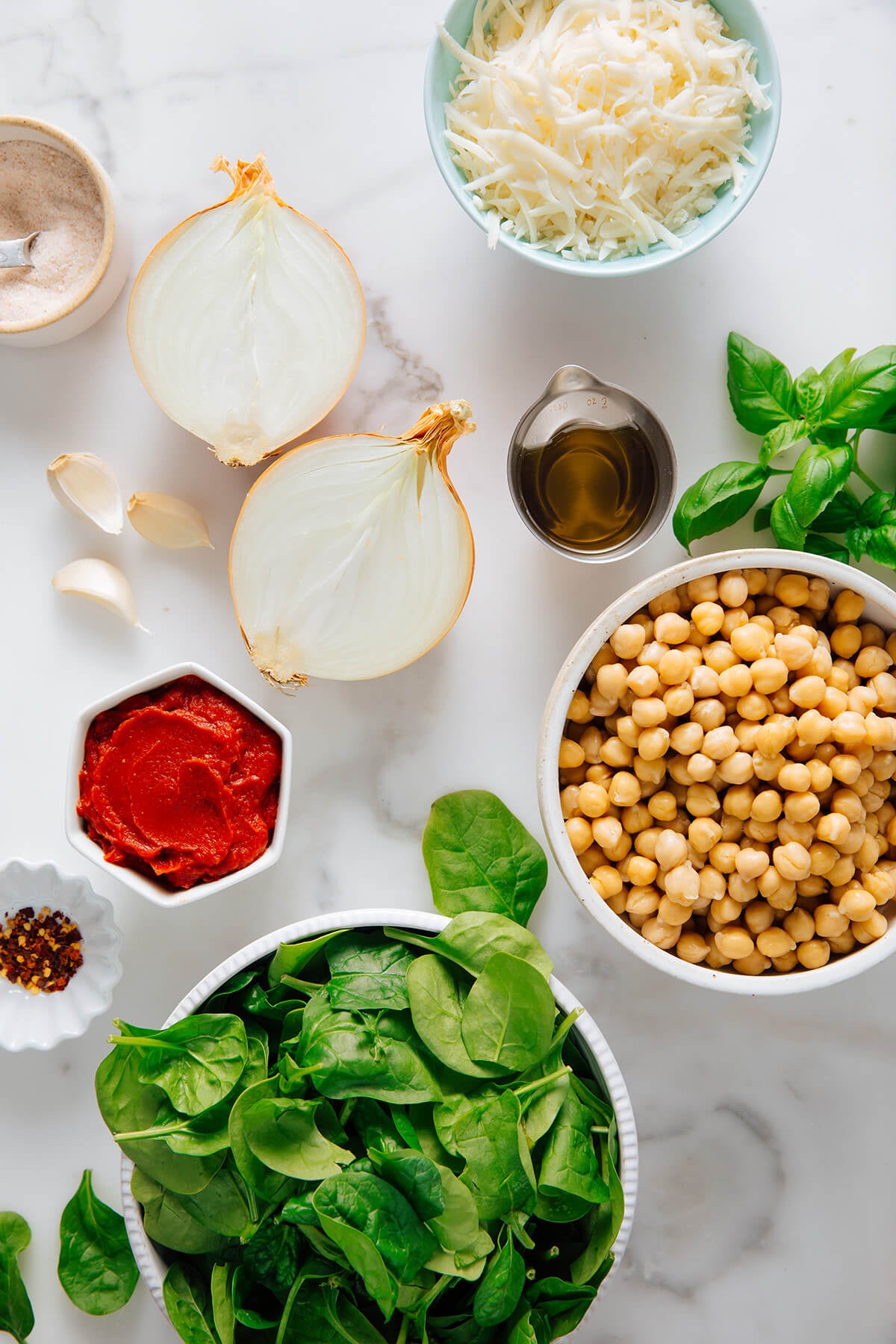
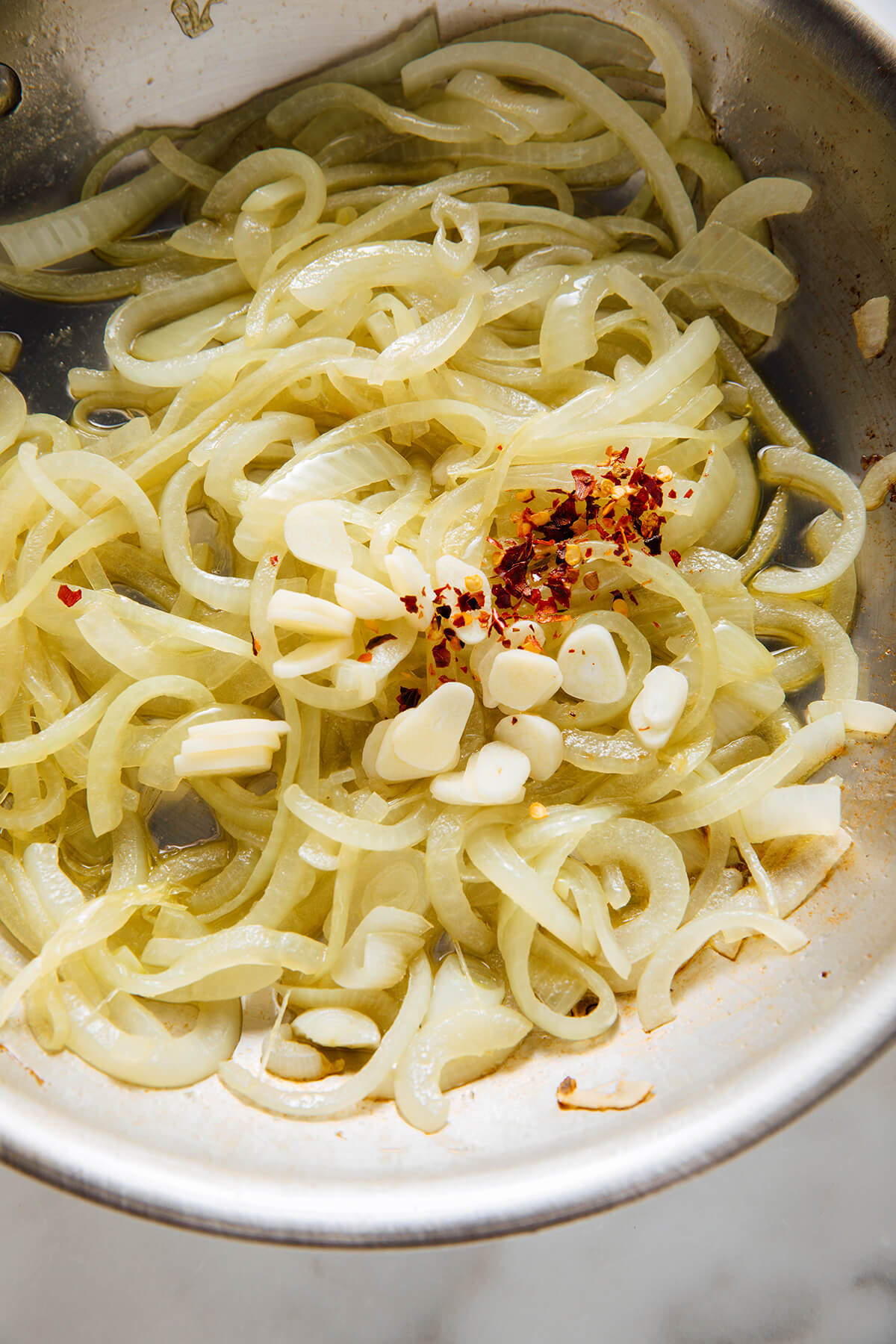
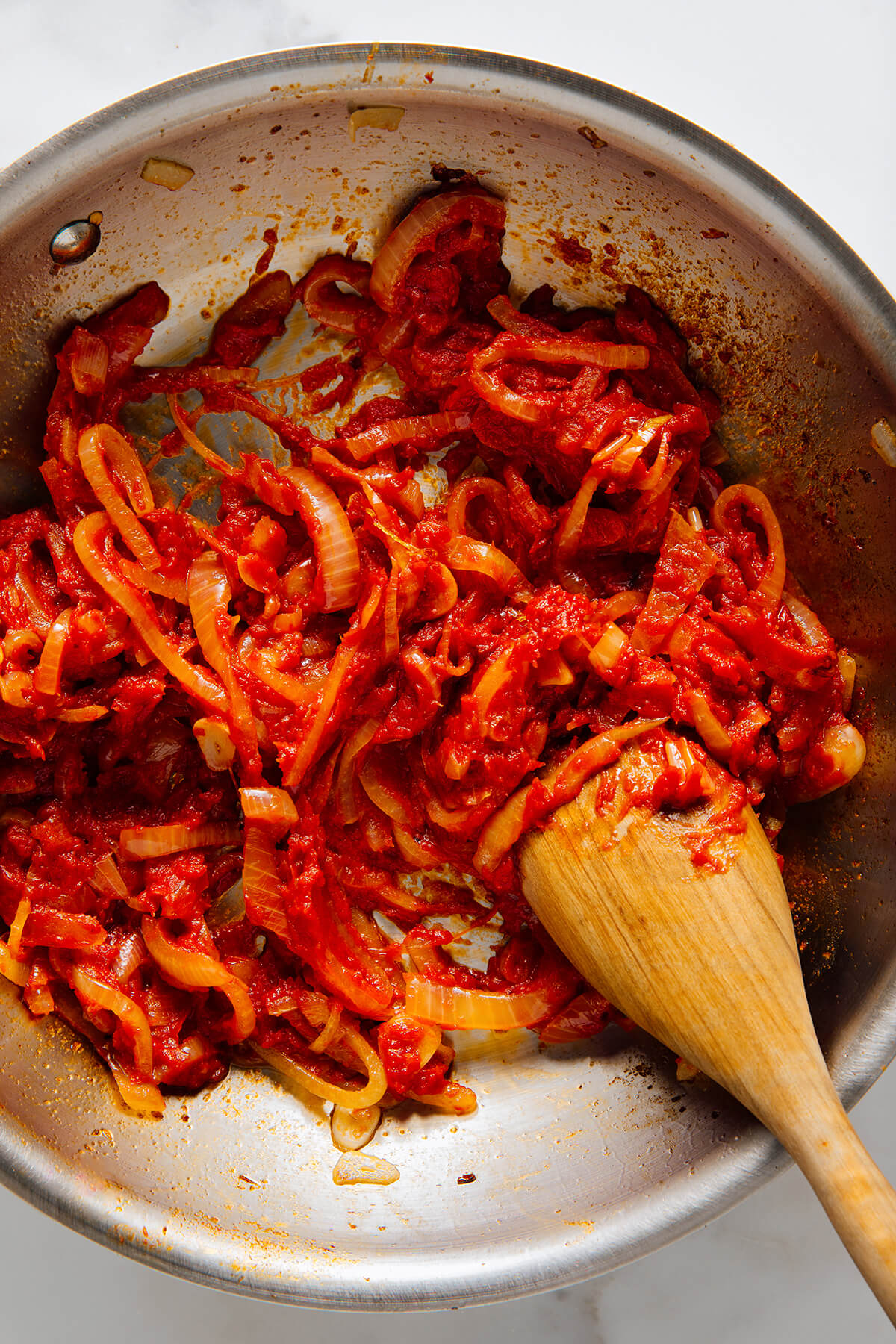
A key enhancement in Taylor’s recipe is the development of a rich, tomato paste-based sauce. Unlike many quick marinara recipes that rely solely on crushed tomatoes, Taylor’s method concentrates the umami of tomato paste, creating a sauce that tastes as if it has been simmering for hours, despite its rapid preparation. This technique underscores a broader culinary trend of achieving complex flavors through smart ingredient choices and efficient cooking methods. The dish, as presented by Taylor, evokes the cheesy, comforting satisfaction of classic Italian-American fare like baked ziti, yet distinguishes itself by being notably more wholesome and considerably easier to assemble, solidifying its status as an ideal weeknight dinner, particularly suited for cooler weather. Its reliance on readily available pantry staples further enhances its appeal, making it an accessible option for virtually any household.
Nutritional Profile and Dietary Adaptability: A Modern Health Imperative
The "Pizza Beans" phenomenon also reflects a broader societal pivot towards healthier, more plant-forward eating habits. White beans, the star ingredient, are a nutritional powerhouse, rich in dietary fiber, plant-based protein, and essential minerals such as iron, magnesium, and folate. A typical serving of white beans can contribute significantly to daily fiber recommendations, aiding in digestive health and promoting satiety, which is crucial for weight management. The addition of spinach, if chosen, further elevates the dish’s nutritional value, providing a substantial dose of vitamins K and A, as well as additional iron and antioxidants.
Food scientists and nutritionists frequently advocate for the increased consumption of legumes due to their robust health benefits and sustainable production. Dr. Eleanor Vance, a leading dietitian specializing in plant-based diets, commented, "Dishes like ‘Pizza Beans’ are exemplary of how traditional comfort foods can be ingeniously re-engineered to align with modern nutritional guidelines. The combination of high-fiber beans with nutrient-dense vegetables offers a balanced meal that supports overall well-being while satisfying cravings for rich, savory flavors."
Furthermore, Taylor’s adaptation retains a high degree of dietary adaptability. The base recipe is naturally gluten-free, egg-free, nut-free, and soy-free, making it suitable for individuals with various dietary restrictions or allergies. For those adhering to a strictly plant-based diet, dairy-free mozzarella alternatives can be seamlessly substituted, ensuring the dish’s universal appeal. This flexibility is a significant factor in the recipe’s widespread adoption, catering to the diverse and evolving dietary needs of contemporary consumers.
The Rise of Convenient Home Cooking and the Digital Culinary Landscape
The burgeoning popularity of "Pizza Beans" is not an isolated event but rather a symptom of several interconnected trends shaping the contemporary culinary landscape. There is an undeniable and growing demand for quick, effortless, yet nutritious weeknight meal solutions. A recent survey indicated that over 60% of households prioritize ease and speed when planning weeknight dinners, often citing time constraints as the primary barrier to home cooking. Simultaneously, there’s a strong emphasis on reducing food waste and making economical choices, especially in the face of fluctuating food prices. Pantry-friendly recipes, which utilize ingredients commonly found in most kitchens, directly address these concerns.
Food bloggers like Deb Perelman and Kathryne Taylor play a pivotal role in this dynamic. Their platforms serve as influential hubs for culinary inspiration, recipe testing, and community engagement. They bridge the gap between aspirational gourmet cooking and the practical realities of daily meal preparation. By offering detailed instructions, visually appealing photography, and often video tutorials, these digital pioneers empower home cooks to explore new flavors and techniques with confidence. The viral nature of such recipes on social media platforms further amplifies their reach, transforming simple home-cooked meals into trending culinary sensations. "Pizza Beans" exemplifies this digital-era recipe dissemination, where a good idea can quickly evolve into a widespread culinary movement.
Customization and Culinary Versatility: Encouraging Kitchen Creativity
One of the most appealing aspects of "Pizza Beans" is its inherent versatility and capacity for customization, echoing the adaptable nature of traditional pizza itself. Taylor’s recipe thoughtfully outlines several key options that allow home cooks to tailor the dish to their preferences and available ingredients.
- Bean Selection: The choice of beans significantly impacts the dish’s texture. Chickpeas, with their firm, slightly nutty bite, offer a more prominent textural element, while cannellini or Great Northern beans tend to be softer, breaking down more readily to contribute to a creamier sauce. This allows cooks to experiment and find their preferred mouthfeel.
- Mashing for Thickness: The recommendation to mash a portion of the beans is a clever technique rooted in culinary science. Mashing releases the beans’ starches into the sauce, naturally thickening it and imparting a more luxurious, cohesive consistency without the need for additional thickeners. This simple step transforms the sauce from merely good to exceptional.
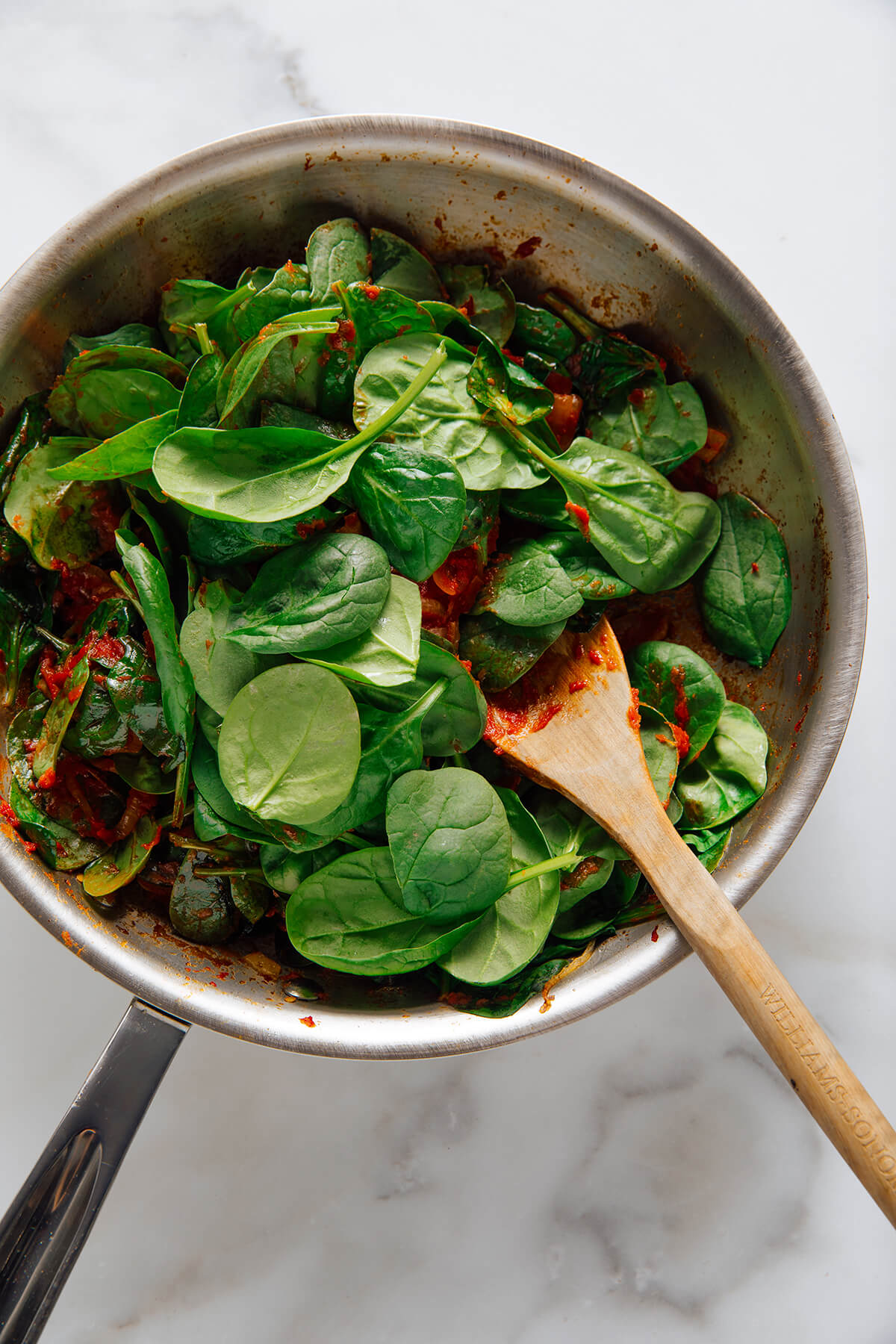
- Spinach Integration: The option to incorporate a generous amount of baby spinach speaks to the growing desire for "stealth health" – adding nutrients without altering the core appeal of a dish. Even a full container of spinach wilts down significantly, blending seamlessly into the sauce and providing a boost of vitamins and minerals.
- Beyond the Basics: Emulating the "build-your-own" philosophy of pizza, the recipe encourages adding further toppings. This could range from classic pizza accouterments like sautéed mushrooms, bell peppers, or olives, to more adventurous additions such as sun-dried tomatoes, capers, or even a sprinkle of red pepper flakes for a kick. For non-vegetarian households, cooked crumbled sausage or pepperoni could also be integrated, further extending the dish’s versatility. This level of customization ensures that "Pizza Beans" can evolve with individual tastes and whatever ingredients are on hand, making it a truly dynamic recipe.
Serving Suggestions and Meal Integration: Completing the Culinary Experience
While "Pizza Beans" is hearty and well-balanced enough to stand alone as a complete meal, especially with the inclusion of spinach, its flavor profile lends itself beautifully to various accompaniments that can elevate the dining experience.
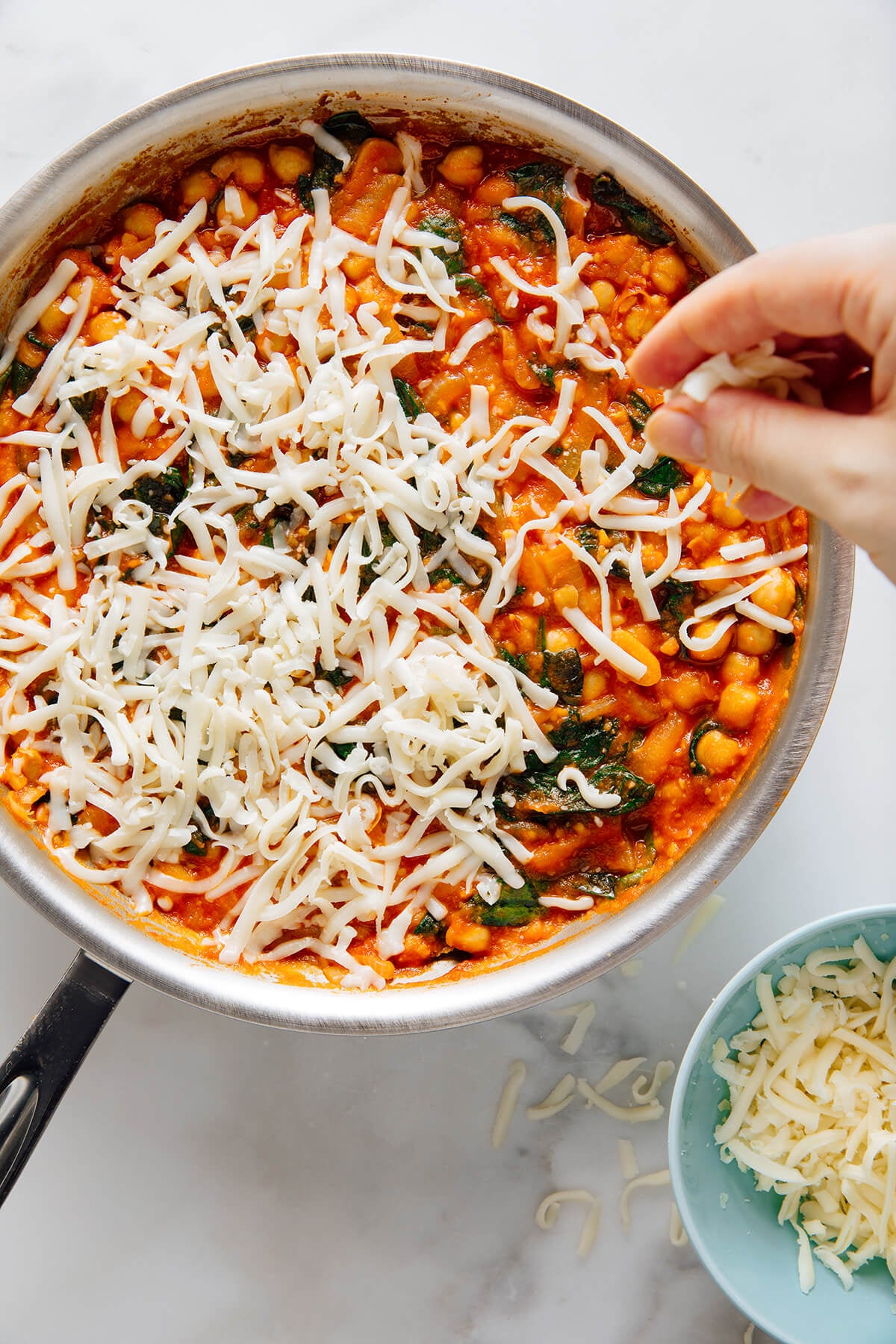
- Bread Companions: The rich, savory sauce and bubbling cheese practically beg for a vehicle for scooping. Toasted slices of crusty sourdough or elegant crostini provide the perfect textural contrast and absorb the flavorful sauce. For an extra layer of indulgence, the suggestion of roasted garlic bread transforms the meal into a robust, Italian-inspired feast, offering aromatic garlic notes and a satisfying crunch.
- Protein Boosts: For those seeking additional protein, particularly in a vegetarian context, topping the dish with a fried egg or two offers a creamy yolk that mingles with the tomato sauce, adding richness and a different textural dimension. This also makes "Pizza Beans" a viable option for brunch or a heartier lunch.
- Fresh Counterpoints: To complete a well-rounded meal, a crisp, fresh salad serves as an excellent counterpoint to the warm, rich "Pizza Beans." A simple green salad with a vinaigrette, a robust Caesar salad, or a refreshing cucumber and tomato salad would all provide a welcome acidity and lightness, cleansing the palate and enhancing the overall meal.
The thoughtful consideration of serving suggestions underscores the dish’s potential as not just a simple recipe, but as a flexible component within a broader culinary repertoire, adaptable to various dining occasions and preferences.
Economic and Environmental Considerations: A Sustainable Choice
Beyond its deliciousness and ease, "Pizza Beans" also carries significant economic and environmental advantages. By primarily utilizing pantry staples such as canned beans, tomato paste, and dried herbs, the dish offers a remarkably cost-effective meal solution. In an era where food budgets are often strained, recipes that rely on affordable, long-lasting ingredients provide tangible financial benefits to households. The average cost per serving of "Pizza Beans" is considerably lower than most takeout options, reinforcing the economic incentive for home cooking.
From an environmental perspective, the dish aligns with sustainable eating practices. Legumes have a significantly lower carbon footprint compared to animal proteins, requiring less land, water, and energy to produce. Promoting bean-based meals contributes to a more sustainable food system. Furthermore, by encouraging the use of pantry items, "Pizza Beans" can help reduce food waste, as it utilizes ingredients that might otherwise sit unused in cupboards. This thoughtful approach to ingredients and preparation underscores a growing consciousness about the environmental impact of our food choices.
Consumer Reception and Future Outlook
The enthusiastic reception of "Pizza Beans," both in its original form and Kathryne Taylor’s contemporary adaptation, signals a clear message from consumers: there is a profound appetite for dishes that expertly blend comfort, convenience, and health. Food critics and lifestyle publications are increasingly highlighting recipes that offer such a balanced profile, recognizing their importance in modern living. The dish’s viral potential, fueled by its photogenic nature and the ease of sharing on social media, suggests it will continue to gain traction, possibly becoming a household staple for many.
The ongoing evolution of "Pizza Beans" from an innovative concept to a versatile, widely adopted recipe illustrates the dynamic nature of culinary trends. It demonstrates the powerful influence of digital food creators in shaping contemporary eating habits and the enduring appeal of reimagined classics. As consumers continue to seek approachable, flavorful, and nutritious options for their busy lives, dishes like "Pizza Beans" are poised to remain at the forefront of home cooking innovation, promising satisfying meals with minimal effort and maximum enjoyment. The dish’s journey from a niche blog idea to a celebrated weeknight solution firmly establishes its place as a significant development in accessible, wholesome gastronomy.